
Heydarov, making his first appearance in the category, advanced through the top quarter with the authority expected of him, passing Aurelien Bonferroni (SUI), Nace Herkovic (SLO) and Parlati to reach the semi-finals. The Italian remained dangerous throughout the morning but could not prevent the Azerbaijani from moving into the last four.
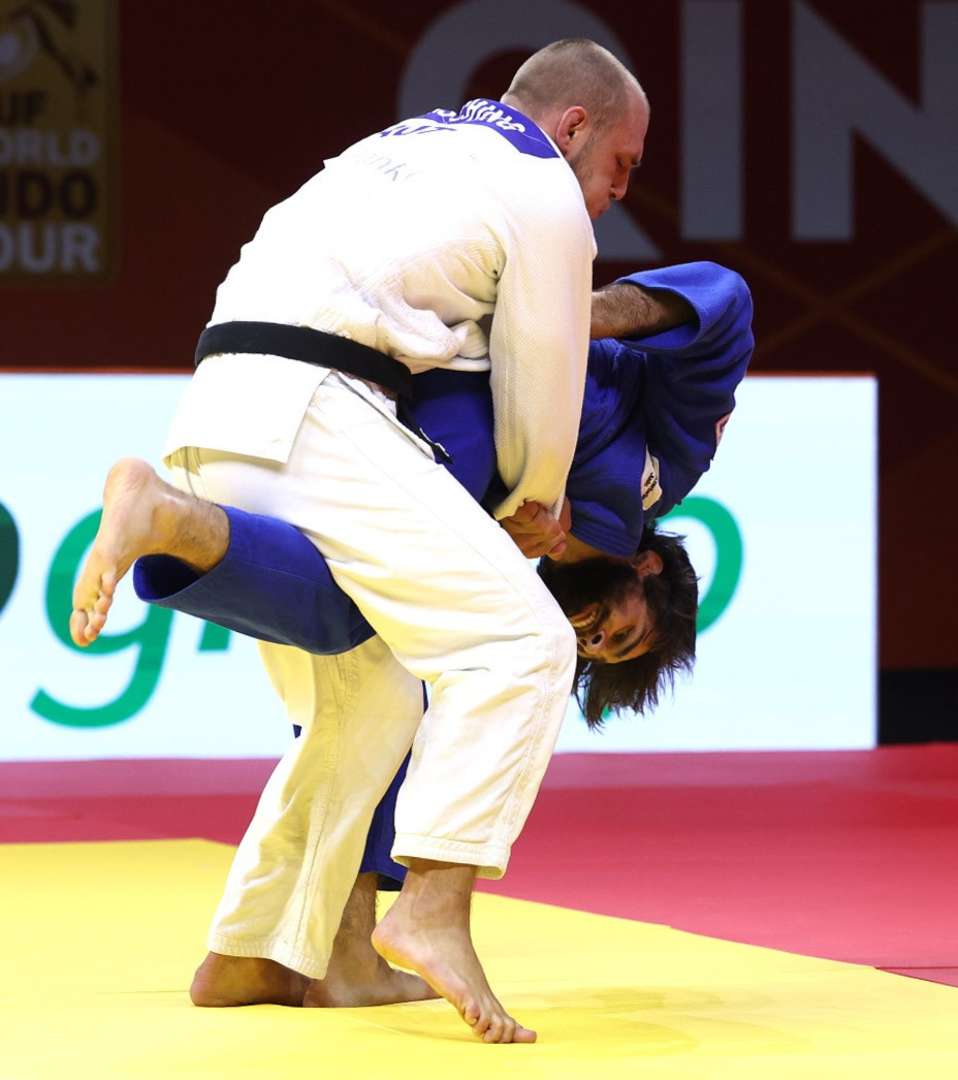
On the other side of the top half, Bernd Fasching (AUT) built one of the strongest stories of the category. He progressed round by round, first through Shinebayar Oyunchimeg (MGL), then Erman Gurgen (TUR), before ending Eetu Ihanamaki's (FIN) run to set up a semi-final against Heydarov. There, Fasching delivered one of the major statements of the morning, defeating the Olympic champion by three yuko scores to one, to earn his place in the final.
The lower half of the draw was just as unforgiving. Tckaev controlled his section with growing authority, overcoming Murodjon Yuldoshev (UZB) and Gadzhimurad Omarov (UAE) before producing a dominant semi-final win against Bright Maddaloni Nosa (ITA). The Italian had removed one of the biggest names of the category earlier when he defeated world champion and Olympic medallist Matthias Casse (BEL) with two clear waza-ari throws, before stopping Egor Sukhoparov (RUS) to reach the last four. His campaign remained one of the most notable of the morning, even after Tckaev brought it to an end.
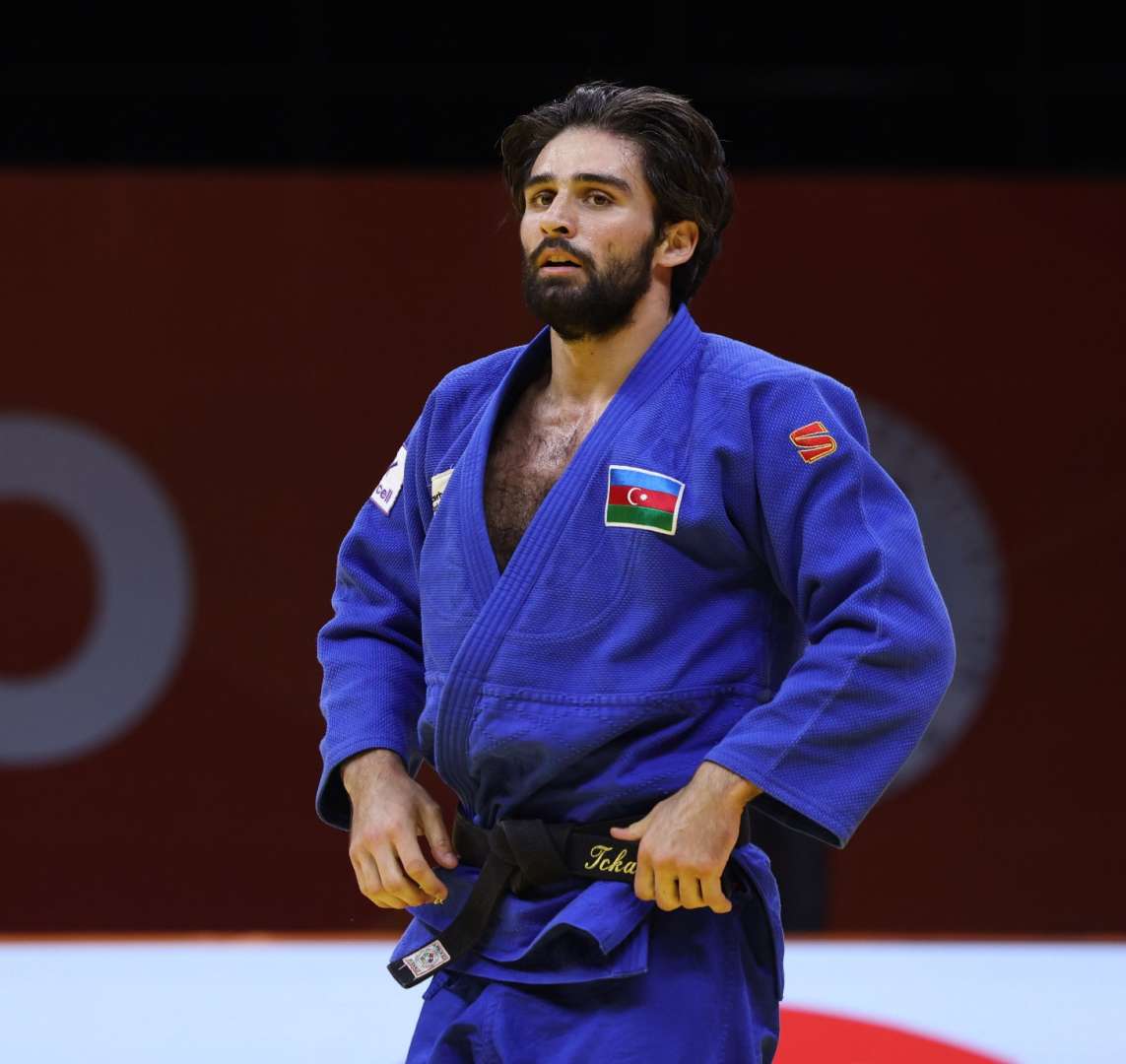
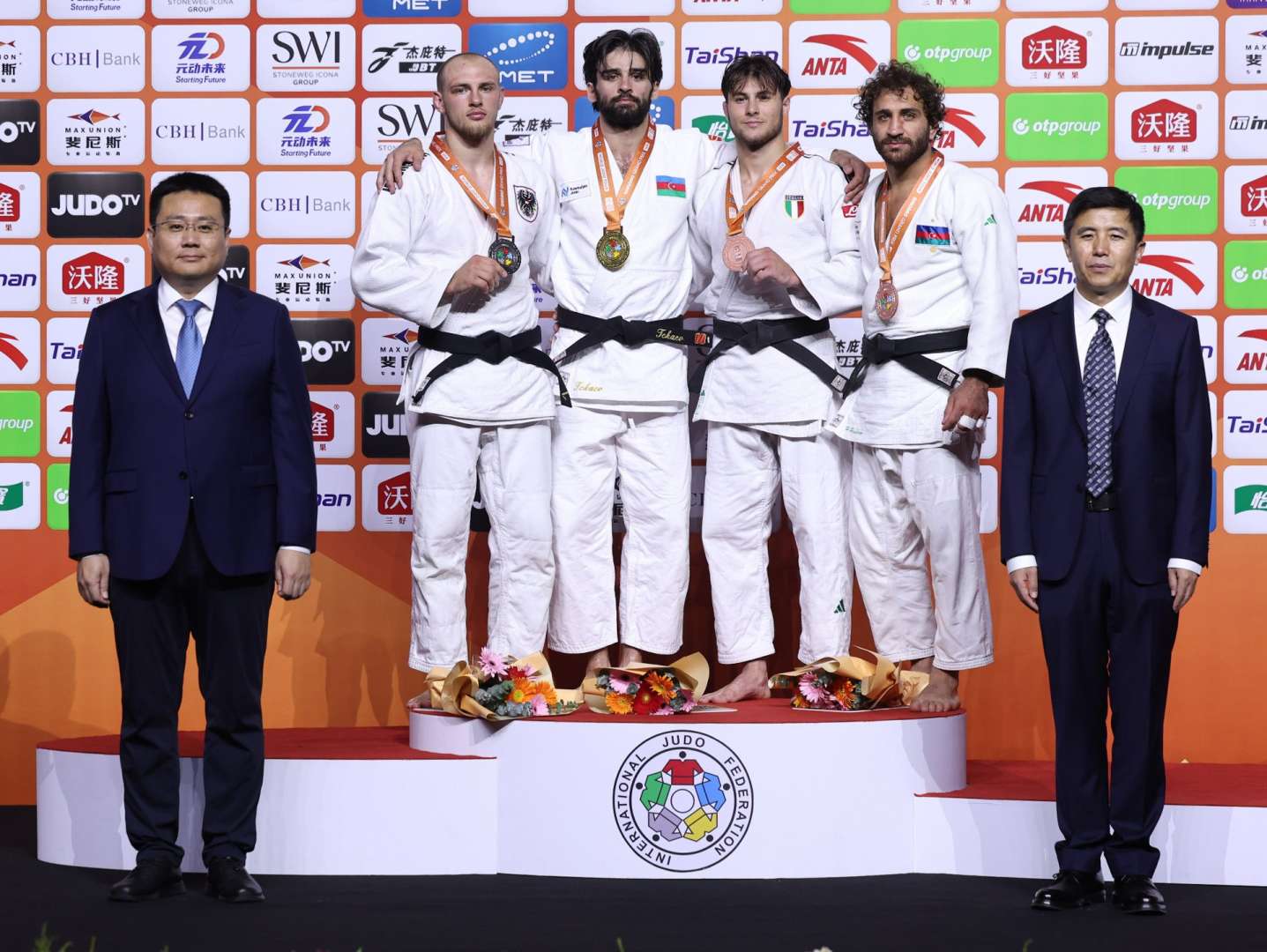
By the end of the preliminaries, Fasching and Tckaev had emerged as the two finalists, each through a very different route. Behind them, Heydarov, Maddaloni Nosa, Parlati and Sukhoparov had all kept themselves in the medal conversation, setting up a final block that promised to be as tense as the morning had been unpredictable.
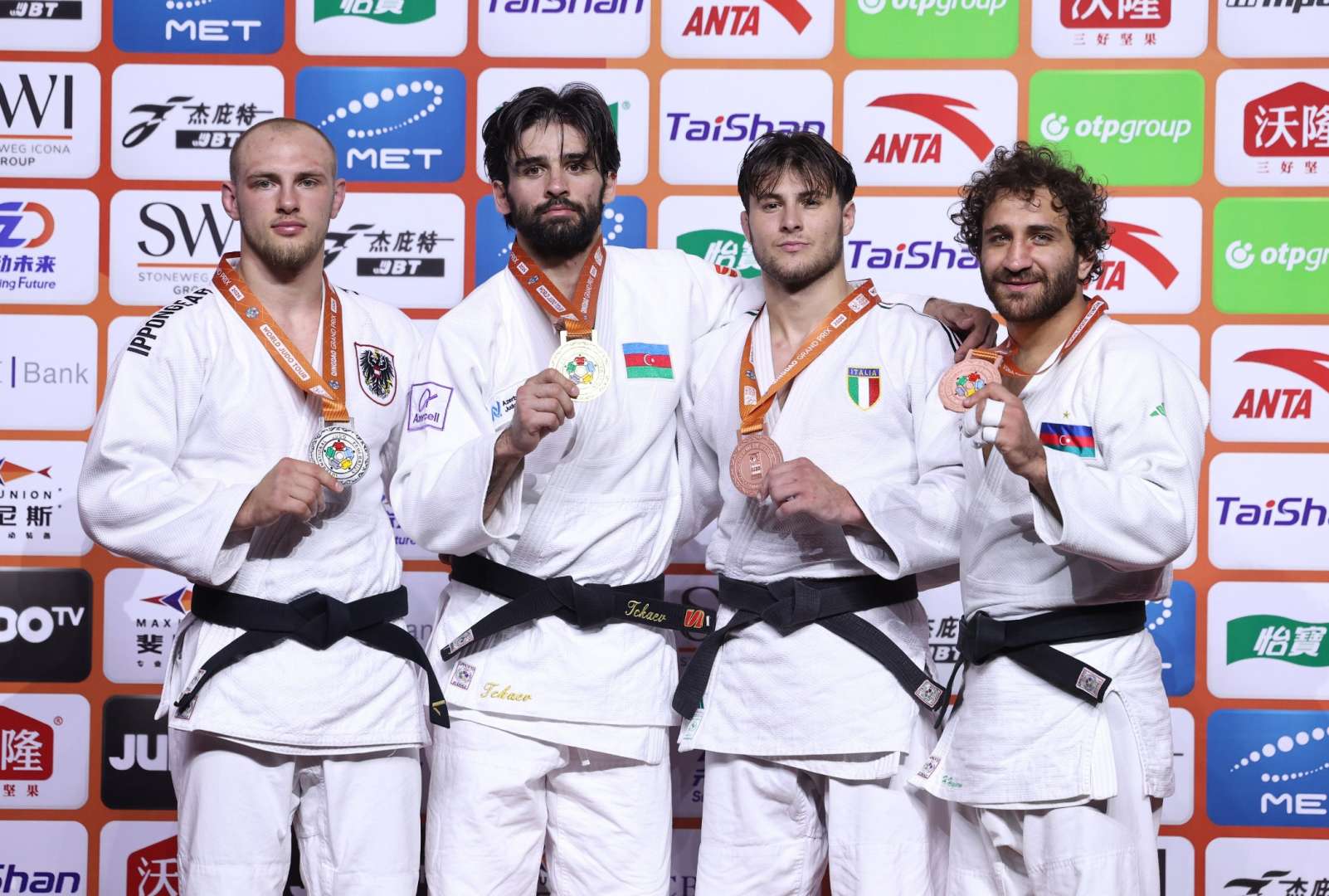
The final left little doubt as to who was the strongest judoka on the day. Roared on by his Austrian teammates, Bernd Fasching never stopped searching for solutions but Zelim Tckaev simply operated at another level. The Azerbaijani unleashed his devastating uchi-mata twice, scoring waza-ari each time to claim the gold medal in commanding fashion.
Tckaev said, "I felt excellent today. My coaches and I developed a precise strategy, leaving me mentally and physically prepared for the final. Having elite teammates and rivals in my category, like Hidayat, motivates me heavily. While Los Angeles is the long-term goal, it’s too early to look that far ahead; my absolute priority is the 2026 World Championships in Baku. I feel incredibly fortunate to be competing at home and I'm grateful to our federation for organising it. I’ve already won the Baku Grand Slam three times, so my goal now is to win the world gold in front of my family and friends. Next on my schedule are training camps, including one in Japan."
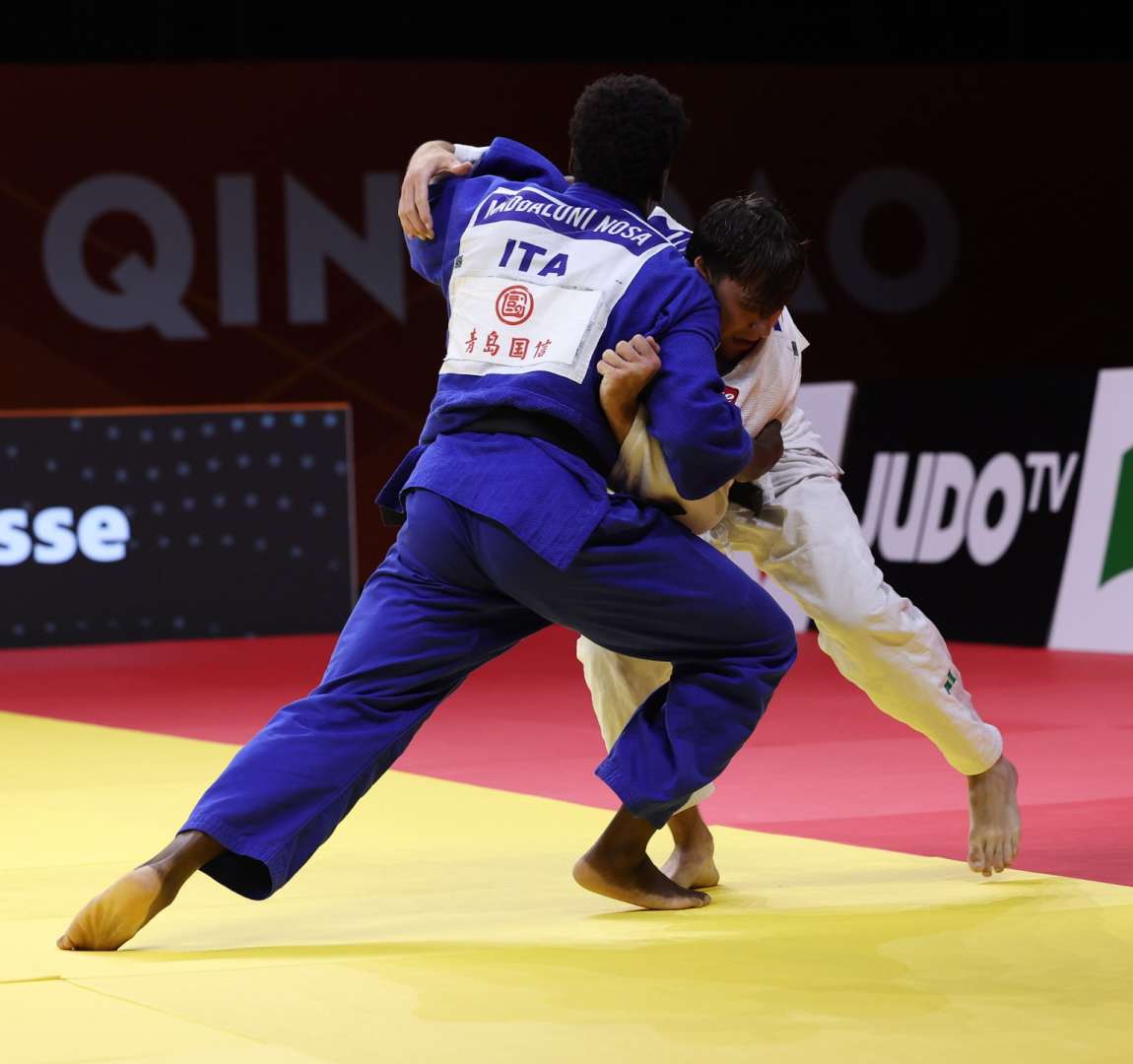
The first bronze medal contest brought together the two Italian judoka in a tactical affair shaped by their familiarity with one another. Neither was willing to take unnecessary risks but Manuel Parlati gradually gained the upper hand and eventually secured the victory through superior tactical management to take the bronze medal.
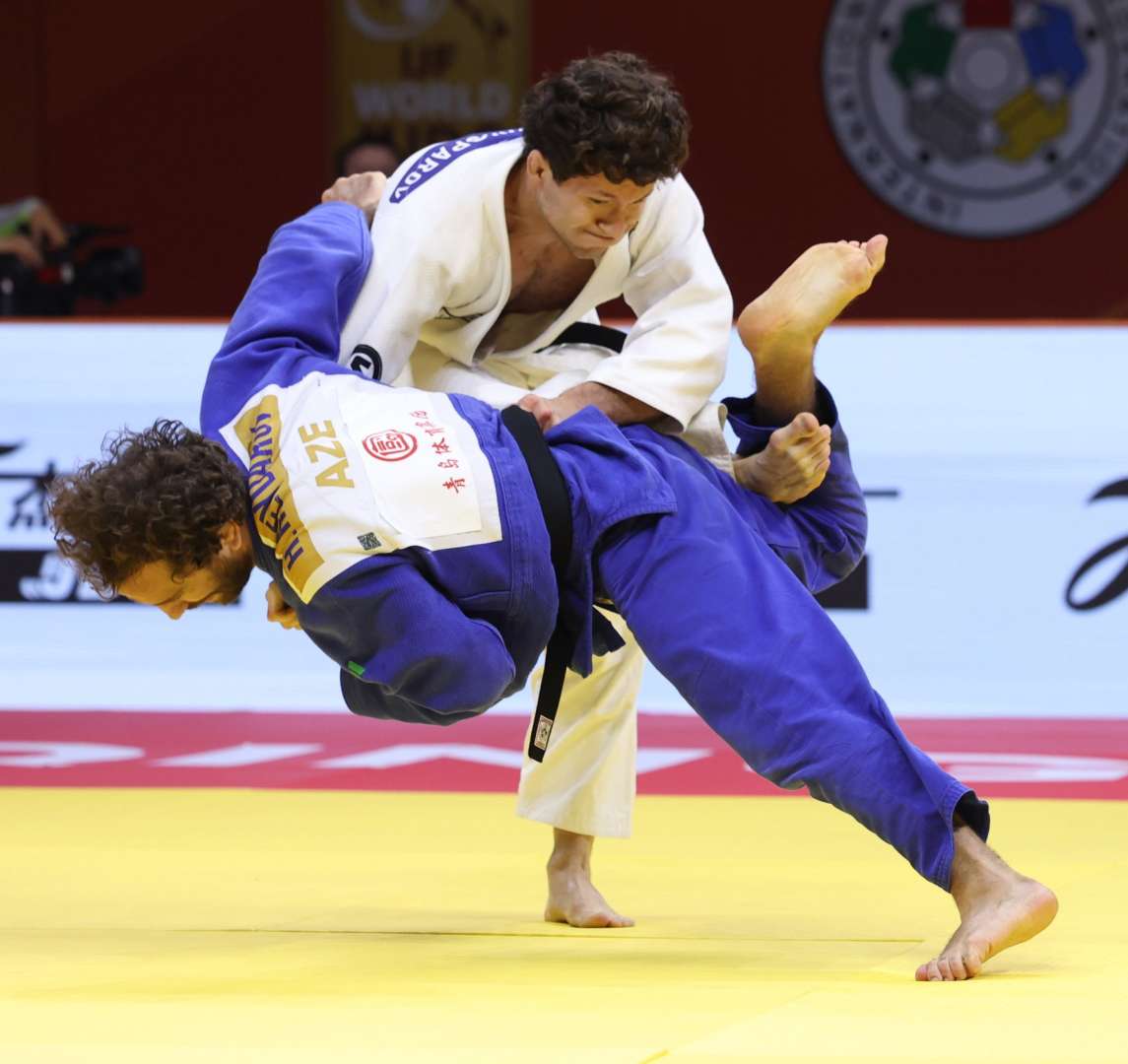
The second bronze medal contest saw Olympic champion Hidayat Heydarov choose exactly the right moment to strike. Locked in a closely contested battle with Egor Sukhoparov (RUS), the Azerbaijani finally broke the deadlock with a perfectly timed o-soto-gari for a waza-ari. From there, he managed the closing seconds calmly to secure the bronze medal, an impressive achievement for an athlete who usually competes in the -73 kg category.
Final (-81 kg)
Bronze Medal Fights (-81 kg)