
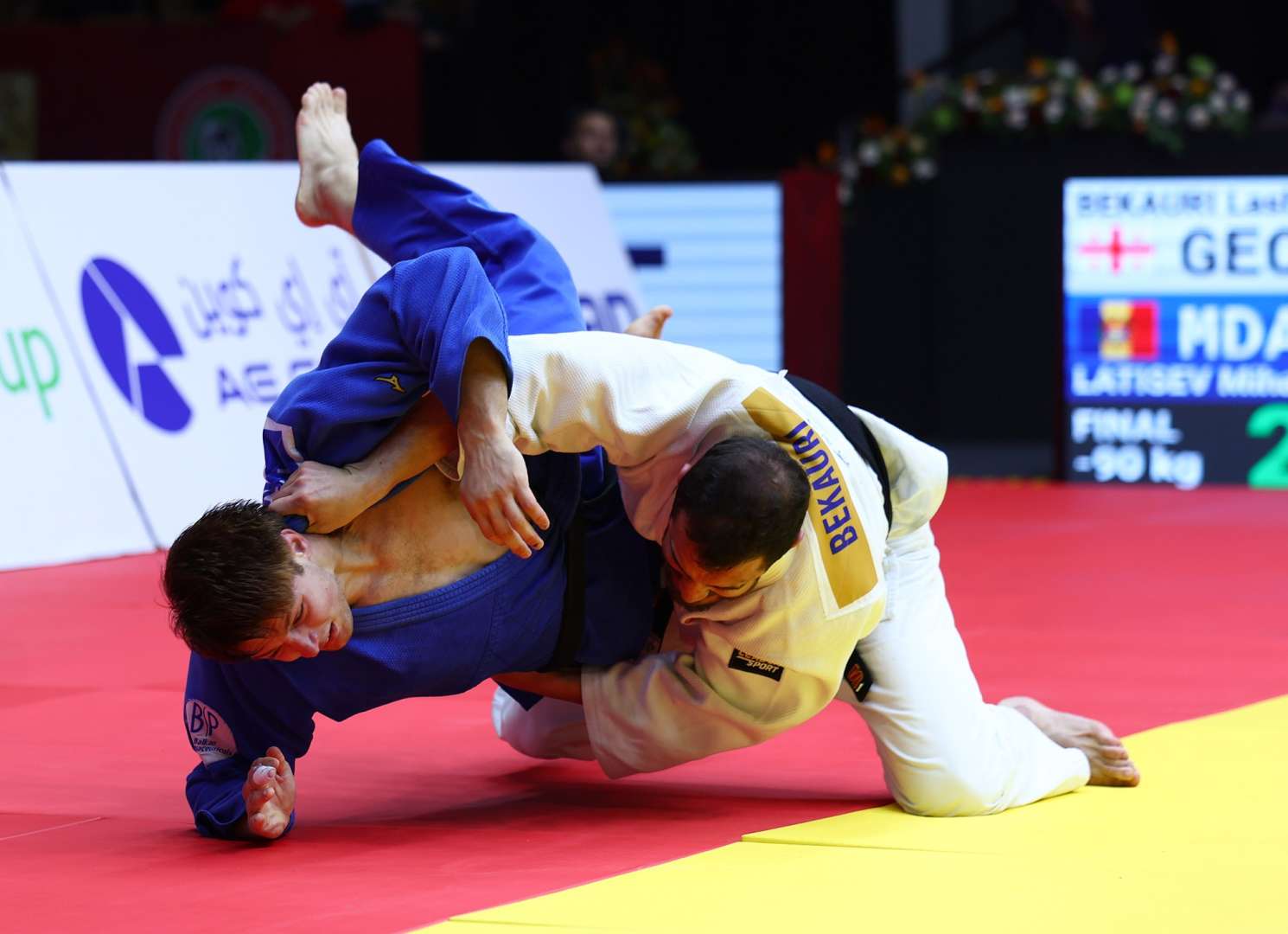
The final was swift in finding its direction. Within twenty seconds, Bekauri took a serious step toward victory, launching Latisev with his trademark, wide-arching makikomi, a technique as powerful as it is difficult to stop. The Moldovan judoka, however, did not fold. He responded with relentless pressure, pushing the double Olympic champion to the edge. Yet it is precisely in such moments that Bekauri’s brilliance emerges. Under pressure he possesses a rare ability to transform danger into dominance.
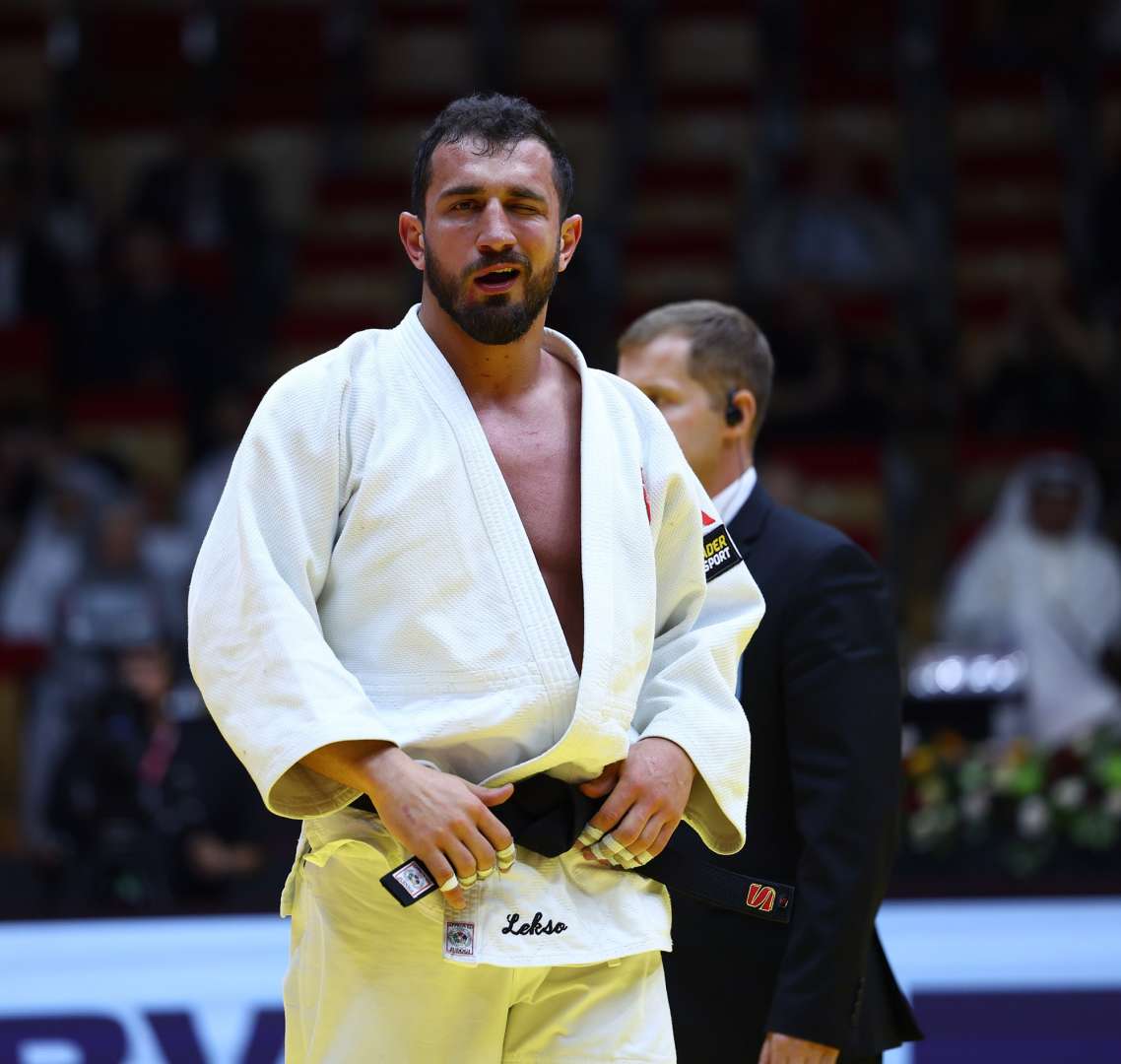
As Latisev continued his forward surge, Bekauri reversed the momentum, engaging his leg in an o-soto-otoshi even while the upper body appeared far from committed. The technique unfolded in an instant, sending Latisev onto his back for ippon. With it came the Georgian hero’s fourth grand slam title, another statement performance from one of the sport’s most formidable competitors.
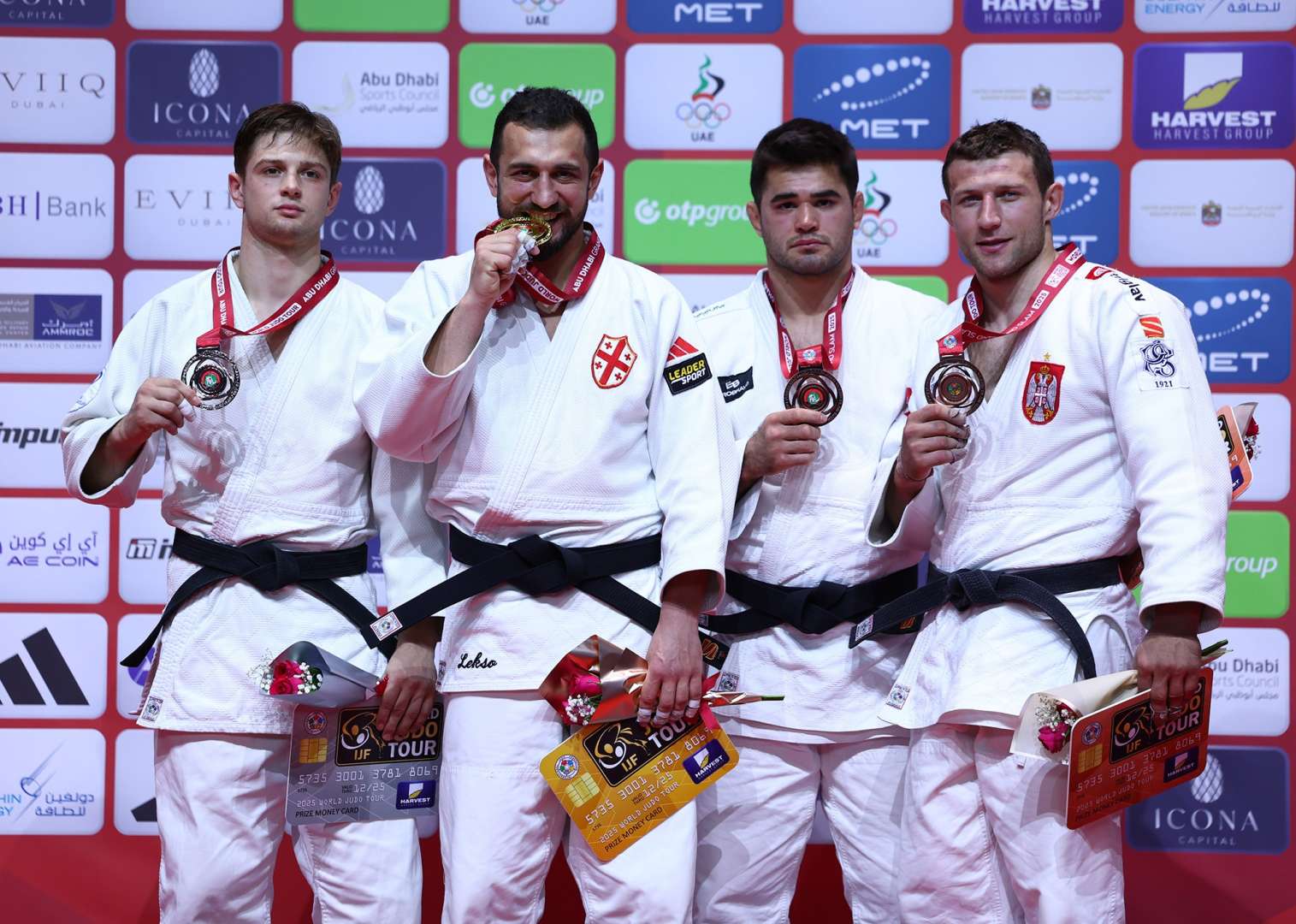
For bronze, the programme offered contrasting situations. Islam Sogenov (SRB) received the first medal after Murad Fatiyev (AZE) was unable to compete due to injury.
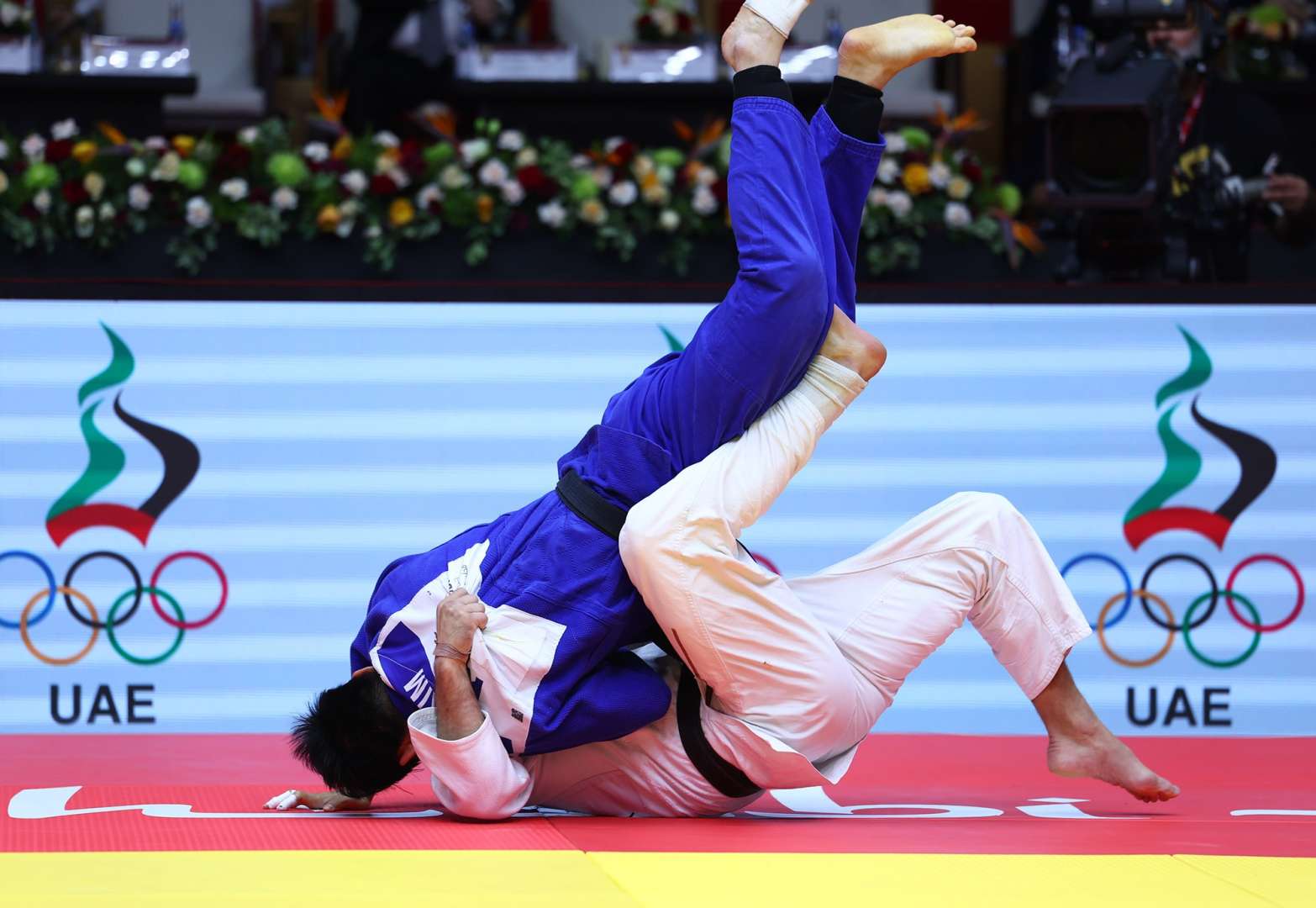
The second bronze-medal contest, between Nemanja Majdov (SRB) and Jonghoon Kim (KOR), promised a genuine contest and delivered one. Majdov took an early lead with a waza-ari on the edge of the tatami from a well-timed sumi-gaeshi. The Serbian judoka strengthened his advantage with a yuko as the clock ticked under a minute, consolidating his control. The bout ended with that scoreline, awarding Majdov a well-earned place on the podium.
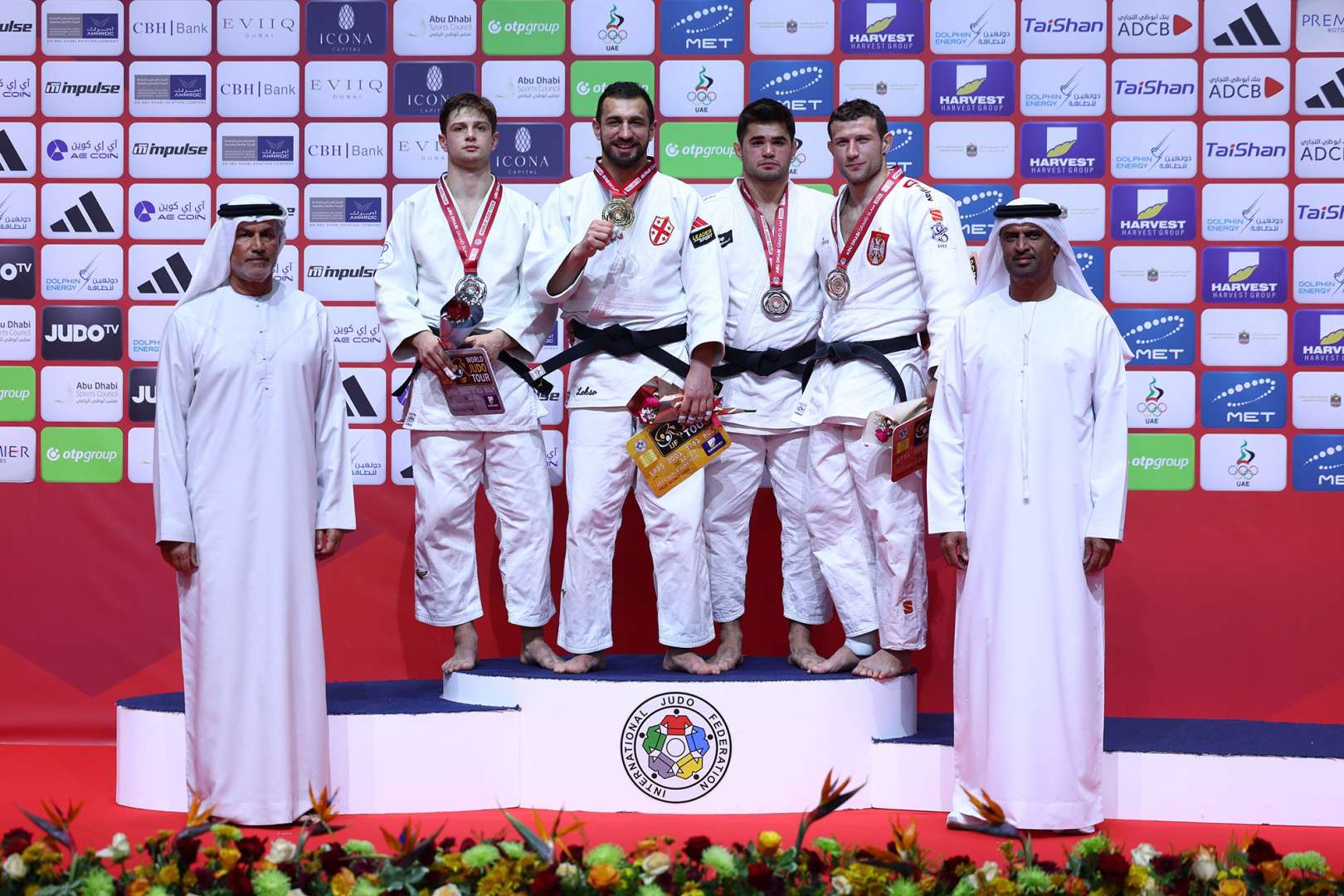
Final (-90 kg)
Bronze Medal Fights (-90 kg)