

Inclusion, Opportunity and Social Impact
At GMAC, judo is seen as a powerful tool for personal and social development. The club recognises that those who could benefit most from sport, particularly young people from disadvantaged backgrounds, are often the least likely to access it. In parts of Glenrothes, deprivation and child poverty can limit opportunities for physical activity and wellbeing. To address this, GMAC has built an inclusive and supportive environment, offering affordable access and, through its charitable status, funding programmes that remove financial barriers.
Beyond youth development, the dojo also runs initiatives aimed at supporting people's mental health, reinforcing its role as a centre for wellbeing as well as sport.
Leading the Way as a Green Dojo
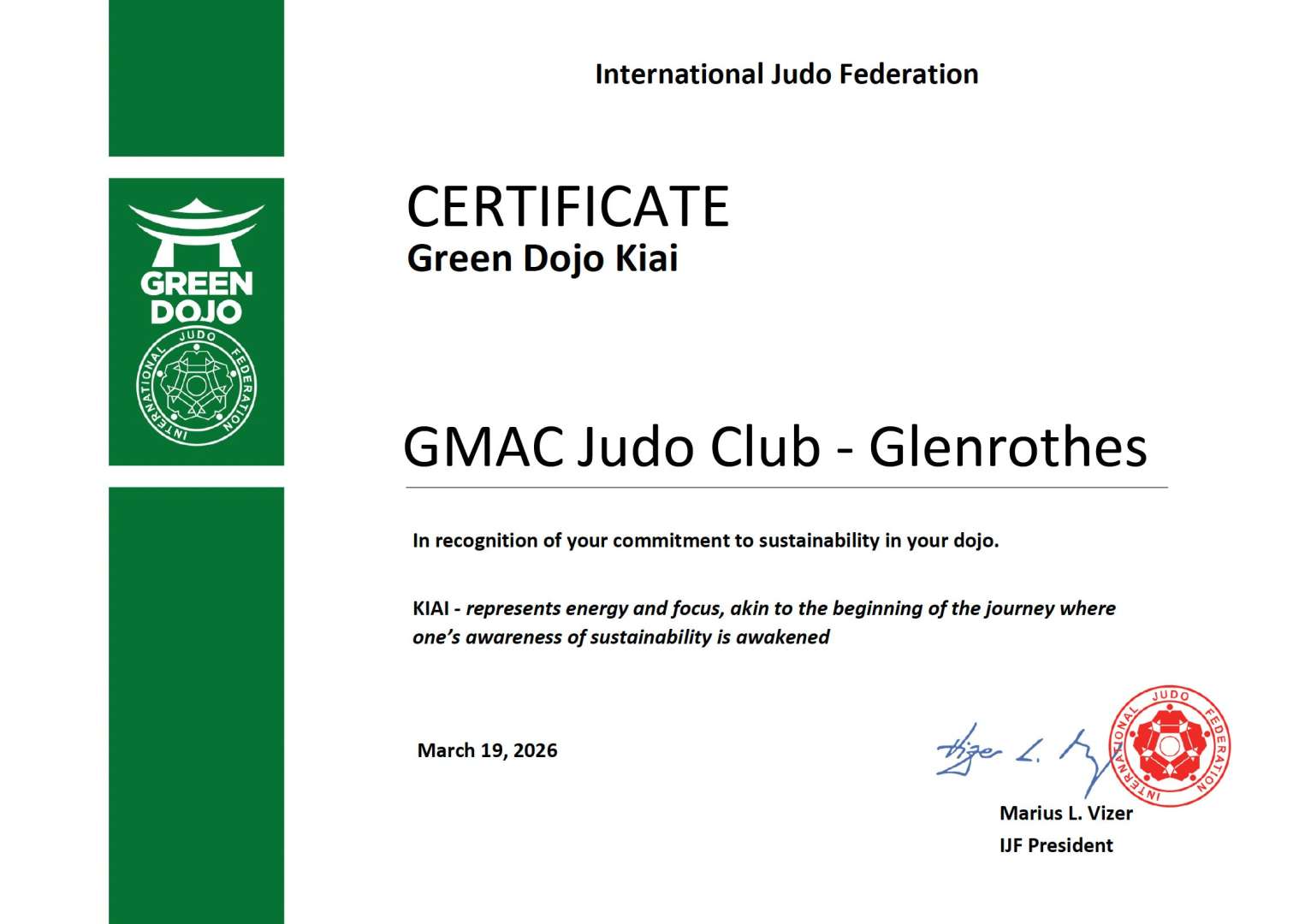
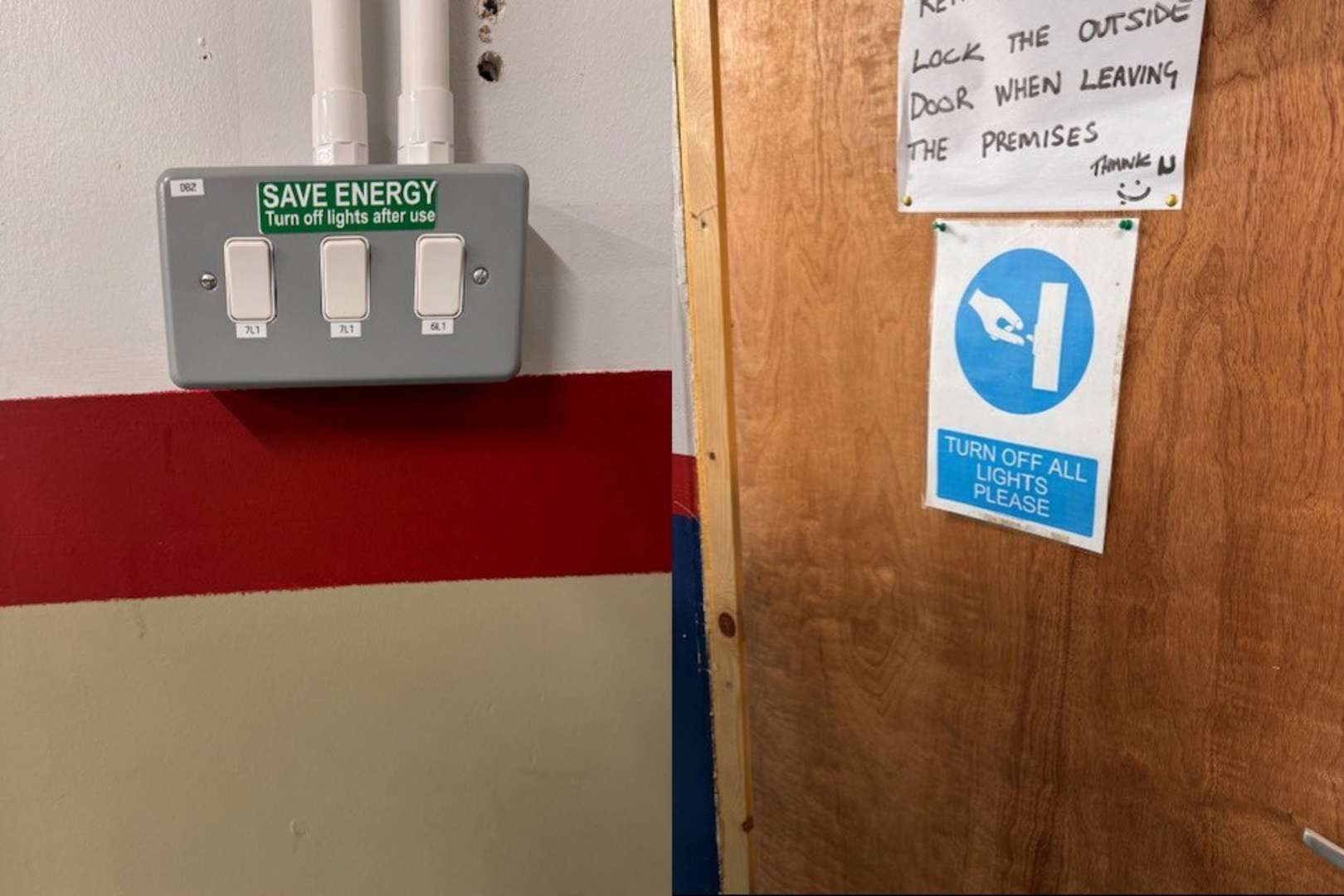
Recently GMAC achieved certification under the IJF Green Dojo programme, becoming the first dojo in the UK to reach this milestone. This recognition reflects months of work and a clear commitment to sustainability.
For the club, the certification is not an endpoint but the beginning of a long journey towards becoming a net zero dojo. It provides both a framework for progress and a way to demonstrate their ambitions to potential partners and investors.
A Collective Journey Towards Sustainability
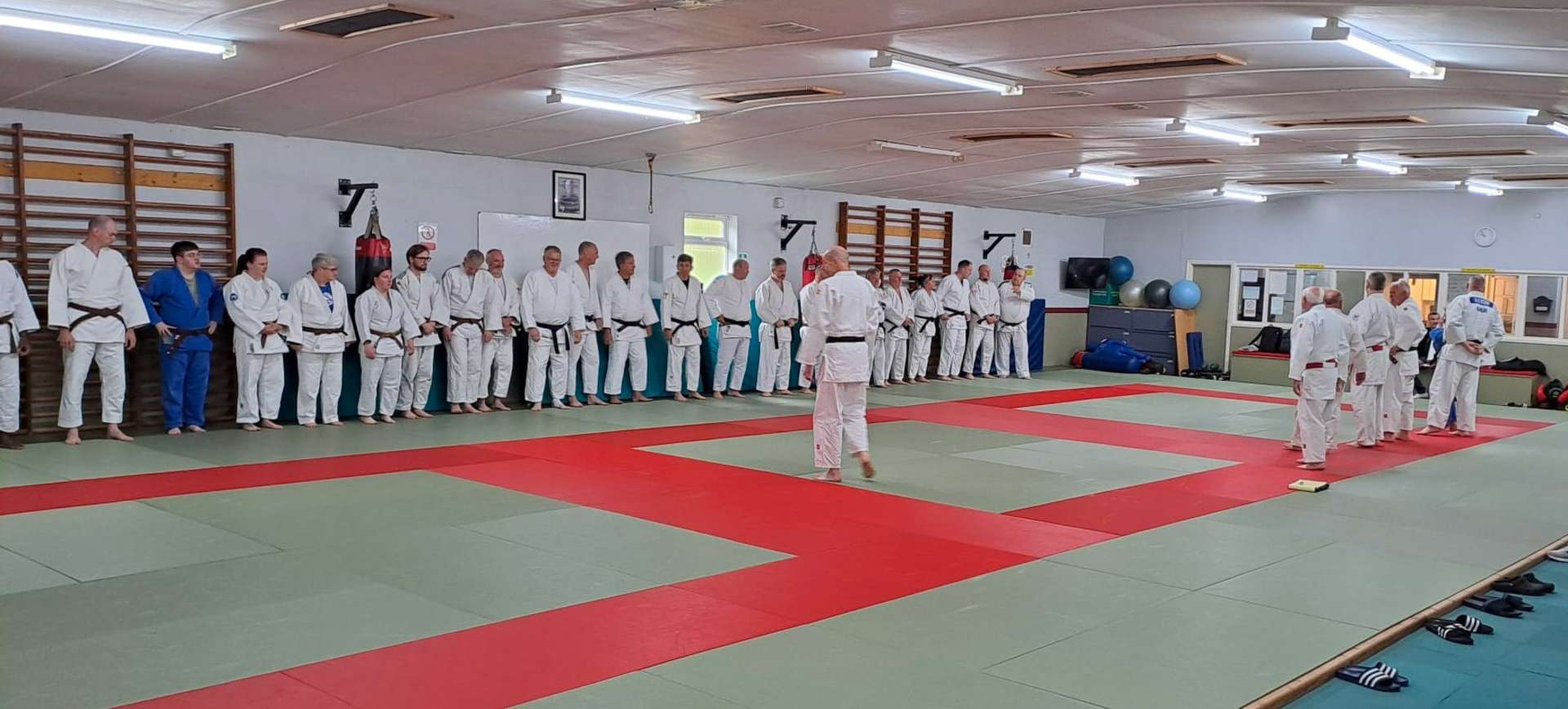
Sustainability is not something GMAC believes it can achieve alone. The club is seeking to learn from other organisations while also demonstrating what can be accomplished beyond the tatami. Owning their own building gives them a strong community presence but it also brings challenges, particularly rising energy costs.
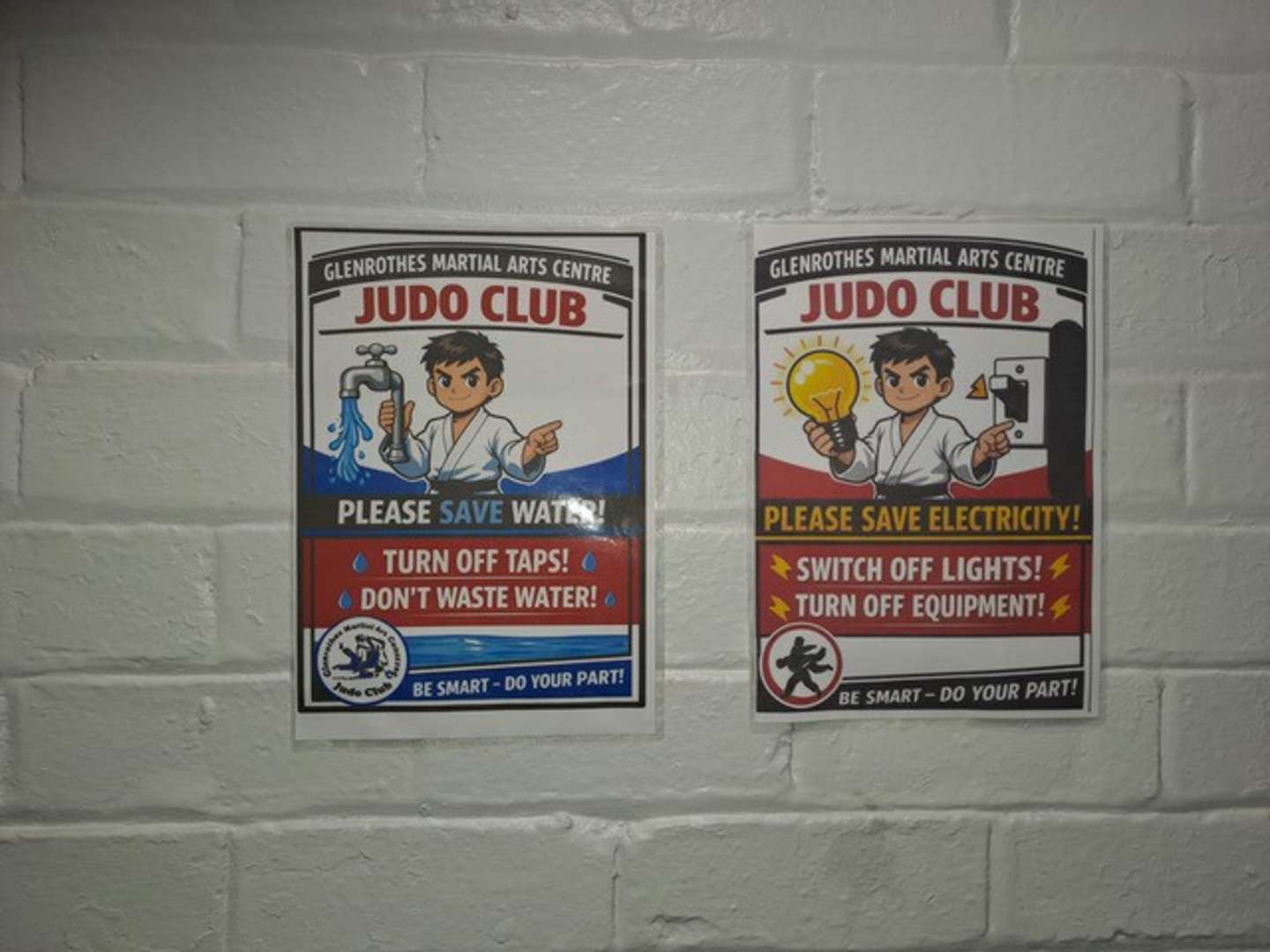
Guided by the judo principle of seiryoku zenyo (maximum efficiency), the club is planning each step carefully to ensure resources are used effectively. Currently, they are developing an energy efficiency plan in partnership with a government agency, focusing on improved insulation and renewable heating solutions suited to Scotland’s colder climate.
From Local Action to Community Benefit
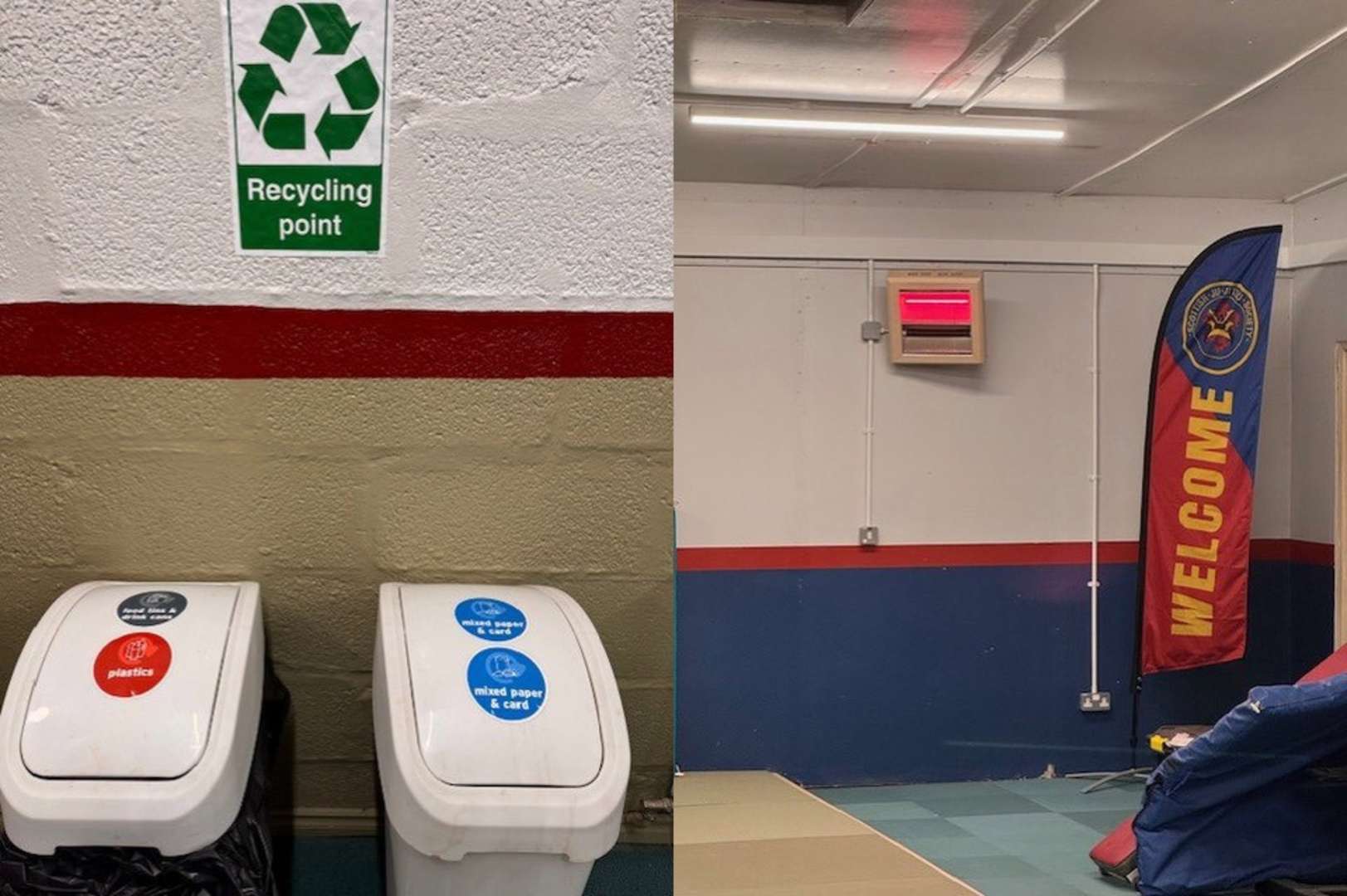
GMAC’s ambitions extend beyond reducing its own environmental impact. With one of the largest dojo facilities in Scotland, the club has the potential to install solar panels, heat pumps, battery storage and electric vehicle charging points.
An independent audit suggests that these developments could eventually generate surplus energy, potentially allowing the dojo to supply discounted electricity to the wider community. In this way, sustainability becomes not only an environmental goal, but also a means of creating tangible benefits for local people.
Community Engagement at the Core
Still in the early stages of this journey, GMAC is working closely with its community to build support and shared ownership of its plans. Engagement with local government has already resulted in a formal letter of support, strengthening the project’s credibility. By maintaining strong relationships with both residents and the authorities, the club aims to ensure its initiatives have a lasting and meaningful impact, both on and off the mat.

Honouring the Past, Building the Future
Set against the backdrop of the River Leven, which once powered local mills and supported the coal industry, GMAC is also exploring ways to reconnect with the town’s industrial heritage. One ambitious idea is the development of a hydro energy project at the dojo. For the club, this is more than a technical ambition, it is a deeply personal one. With generations of judoka linked to the dojo, including the head coach’s family, the project symbolises continuity, identity and a commitment to future generations.
Through its work, GMAC demonstrates how a dojo can be more than a place of training. It can be a hub for inclusion, a driver of sustainability and a force for positive change within its community.