
The Asian Games occupies a special place in the sporting landscape. Held every four years, they bring together 45 National Olympic Committees and regions in one of the world’s largest multi-sport events. Across 43 sports and hundreds of medal events, athletes compete not only for results but also for the pride of representing their countries on a continental stage. For judo, this context is particularly meaningful. The event is not simply another competition on the calendar; it is a meeting point for nations, cultures and generations, all united by the same sport.
To host the judo competition in Japan adds another dimension. Judo was born here, through the vision of Jigoro Kano, and has become one of the country’s most important sports. Its techniques, traditions and values are woven into Japanese sporting culture. Yet the Asian Games also offers a clear illustration of judo’s remarkable journey beyond its birthplace. On the tatami in Nagoya, the sport has been carried, developed and enriched by nations from every part of the continent.
Japan, Uzbekistan, the Republic of Korea, Mongolia, China, Kazakhstan, Tajikistan, the United Arab Emirates, Kyrgyzstan, the Democratic People’s Republic of Korea and Lebanon have all appeared on the podium during the individual tournament. Each medal tells its own story but together they reveal a continent in which judo has deep roots and many centres of excellence.
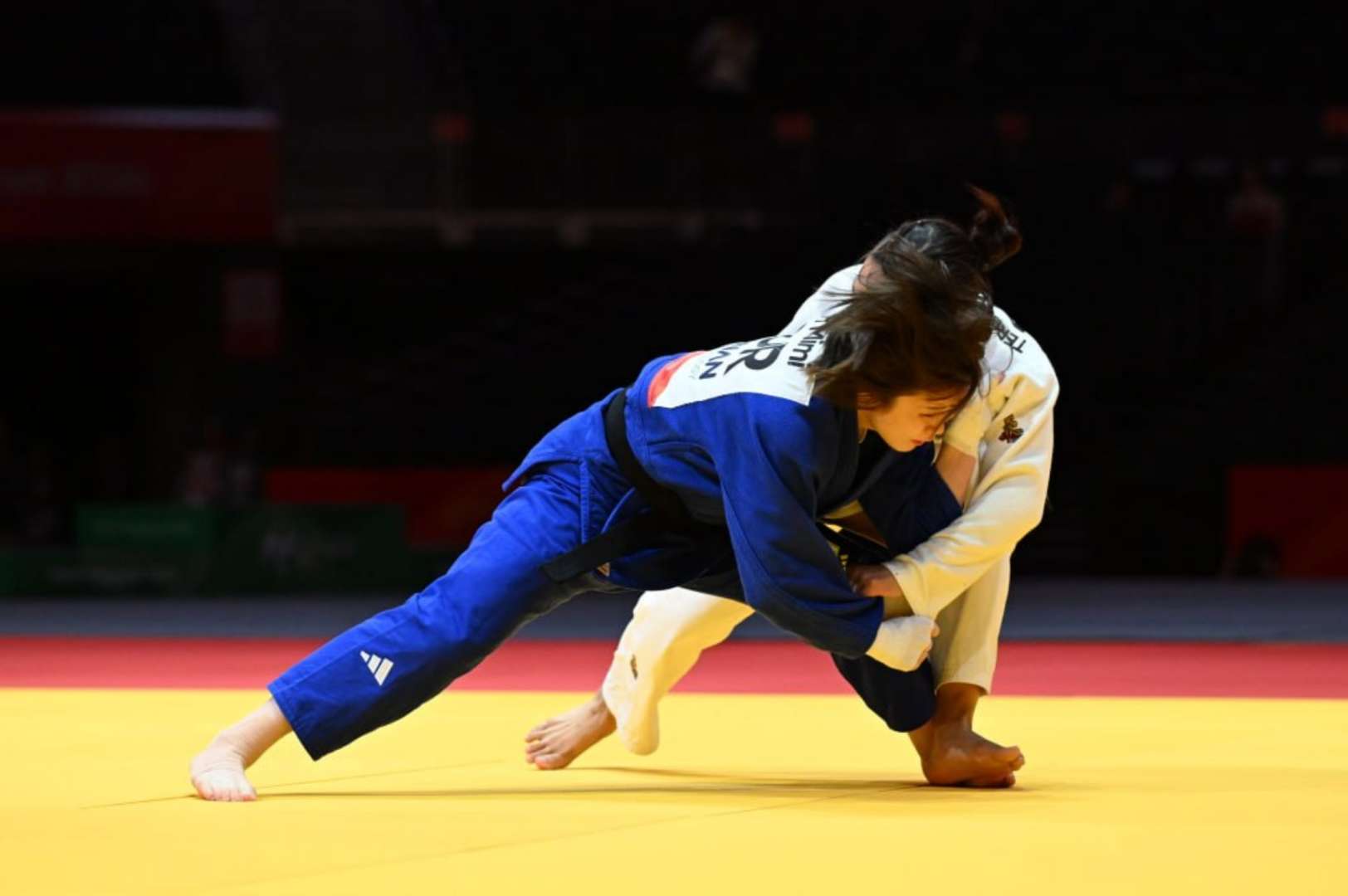
The competition has offered all that makes major judo events compelling: explosive throws, patient tactical contests, decisive transitions into ne-waza and athletes capable of finding a solution under the greatest pressure. In every category, the opportunity to wear an Asian Games medal has added a particular intensity. These are results that matter to athletes, coaches and national federations, often marking an important step in a career or in the development of a programme.
The breadth of the field has been especially striking. Established judo nations have confirmed their strength but other delegations have also used the event to demonstrate their progress. The podia have reflected the continued development of women’s judo across the continent, alongside the traditional power of the men’s categories. They have also shown that, from the lightest divisions to the heavyweights, no medal can be taken for granted.
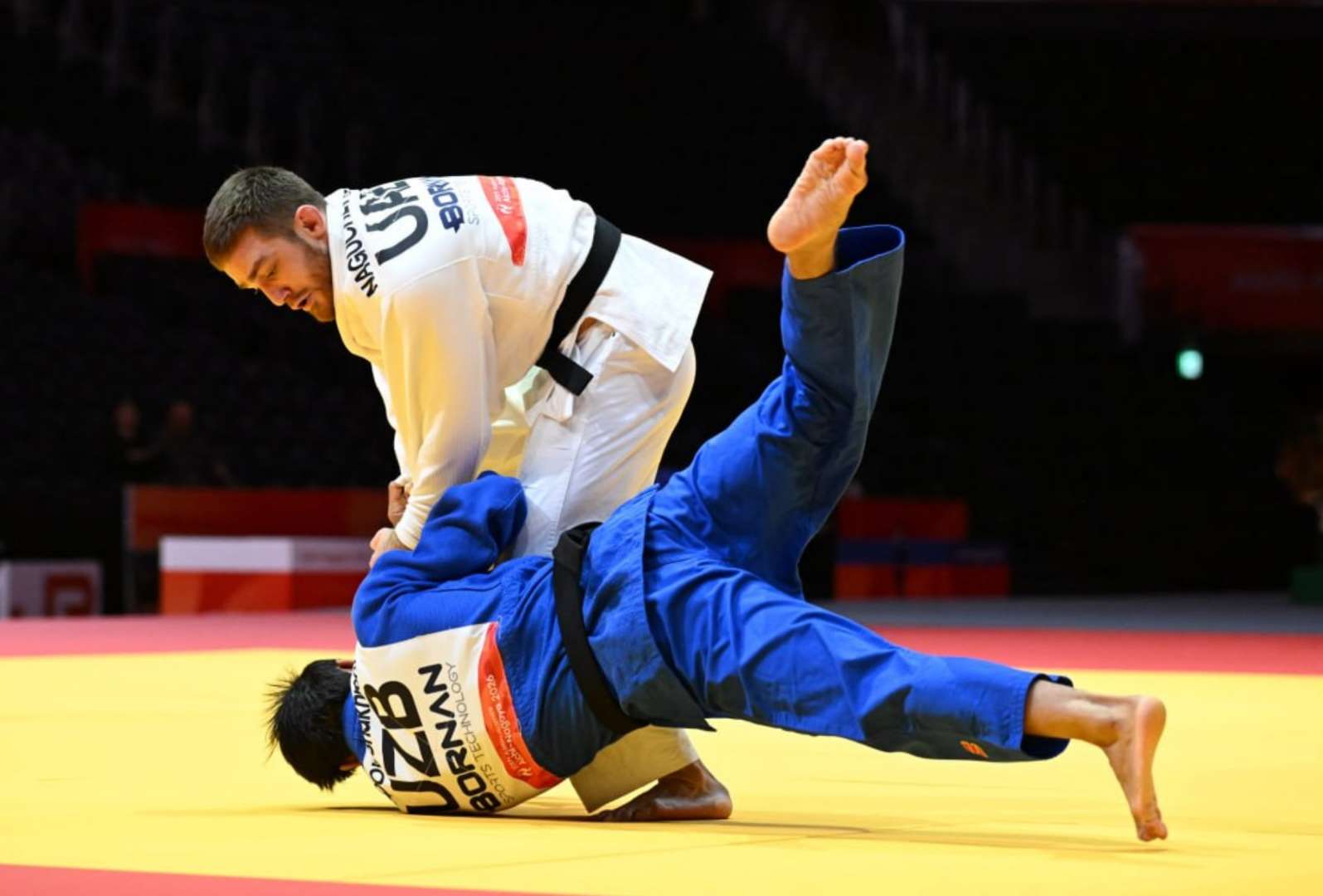
Beyond the competition itself, the presence of judo at the Asian Games carries a message that reaches further than results. It places a sport founded on education, mutual welfare and respect at the centre of a gathering designed to celebrate the unity and diversity of Asia. Athletes arrive with different languages, histories and ambitions, but they share the same rules, the same bow and the same understanding that the opponent is essential to the contest.
With the individual titles now decided, the mixed team event will bring the judo programme to its final chapter. It will be a different challenge, one that asks for individual excellence and for collective spirit, adaptability and trust. After three days of memorable contests, it promises to be a fitting conclusion to judo’s place at the 20th Asian Games, Aichi-Nagoya 2026.
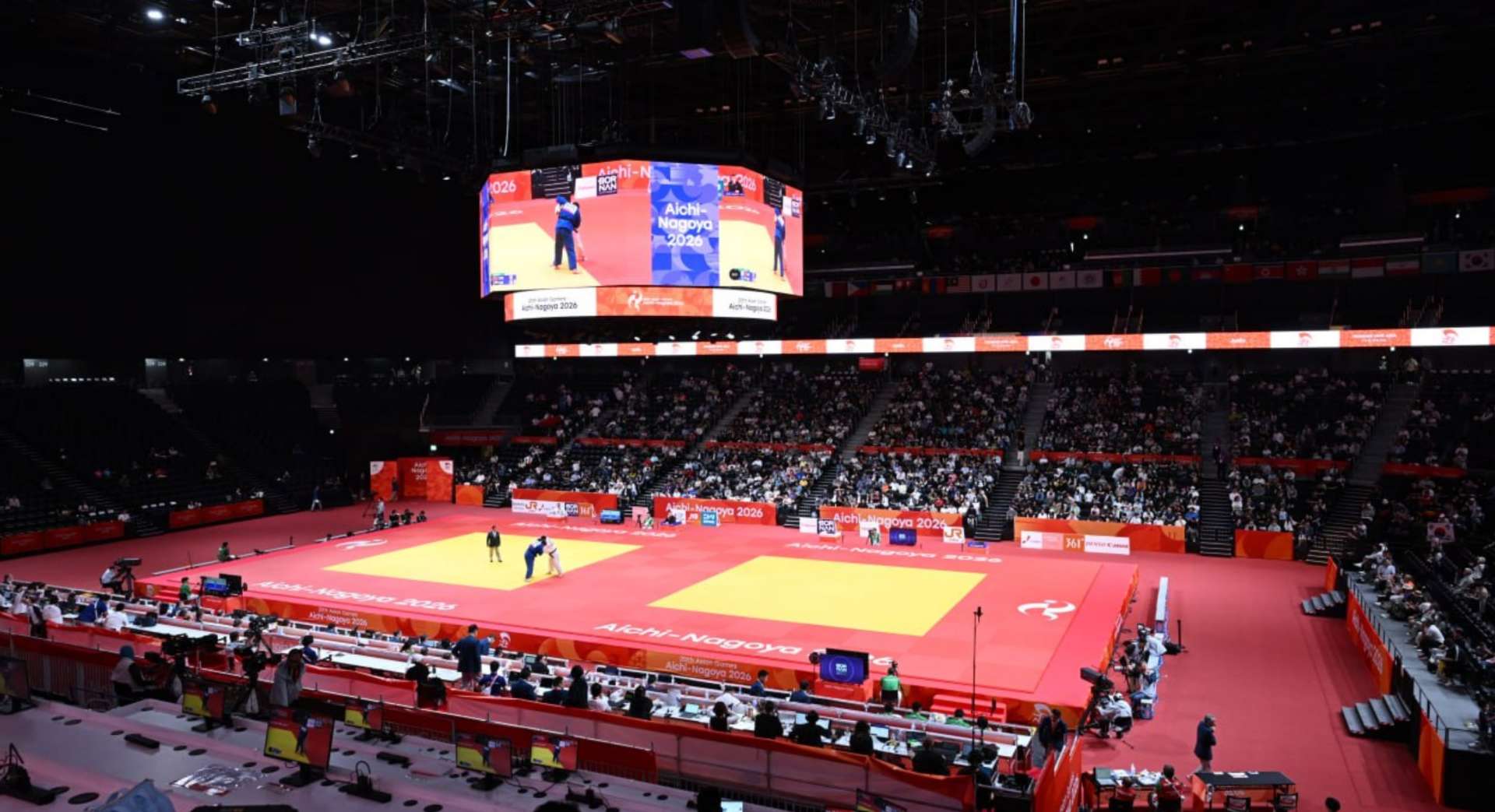
Photos © eJudo, Hiroaki Ueno, Shinya Inui.