

The report covers three key elements: the IJF’s organisational carbon footprint for the calendar year 2024, the carbon footprint assessment of two World Judo Tour events held in 2025, and the completed S4CA reporting questionnaire to be submitted to the United Nations. Together, these components provide a transparent and structured overview of the IJF’s environmental impact.
Measuring Impact to Drive Progress
By joining the S4CA initiative, the IJF has committed to preparing annual greenhouse gas emissions inventories. The first report, produced for 2021, was defined as the base year against which future emissions are compared. The 2024 inventory is now the fourth in this ongoing process, demonstrating consistency, accountability and progress.
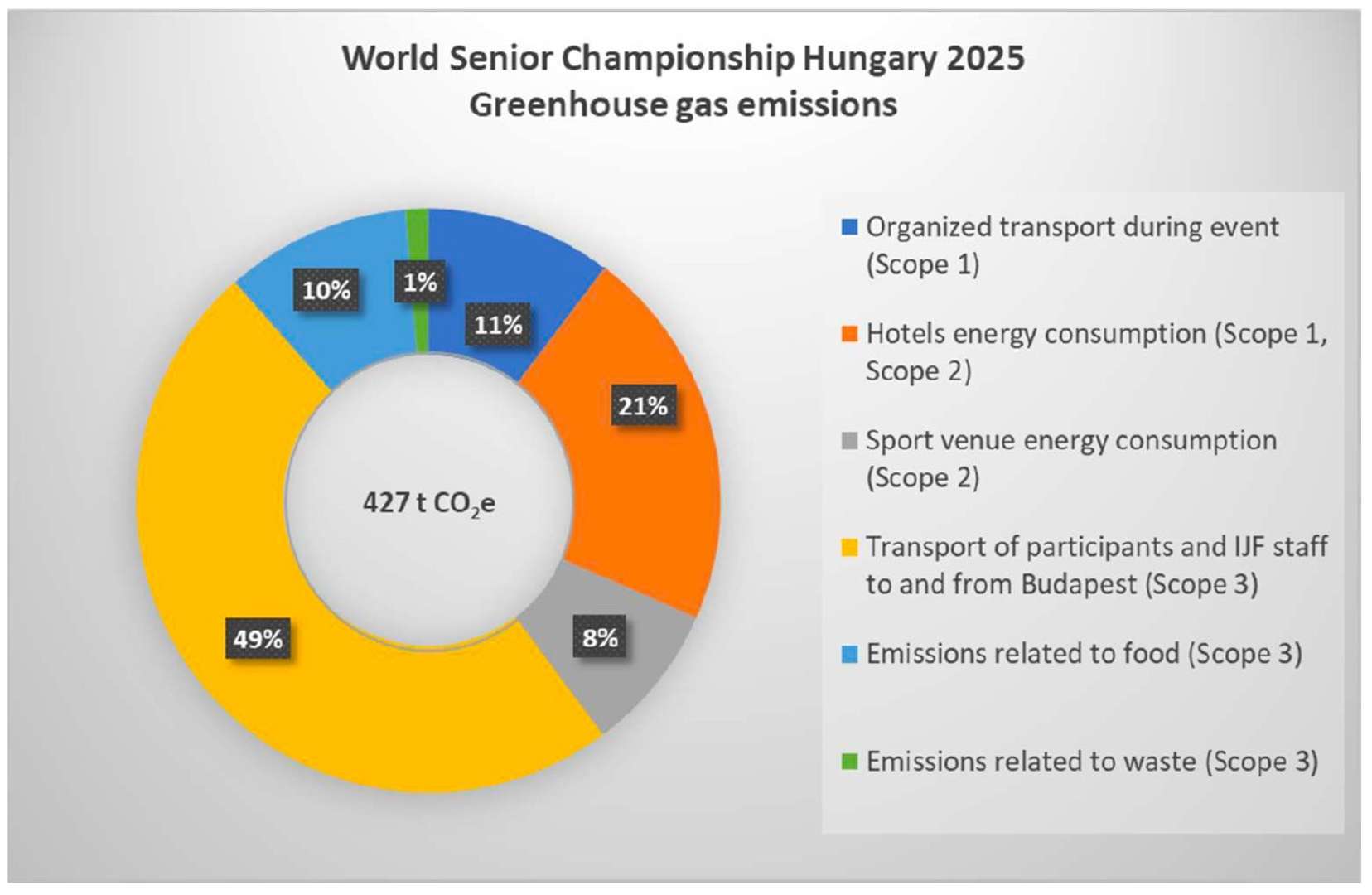
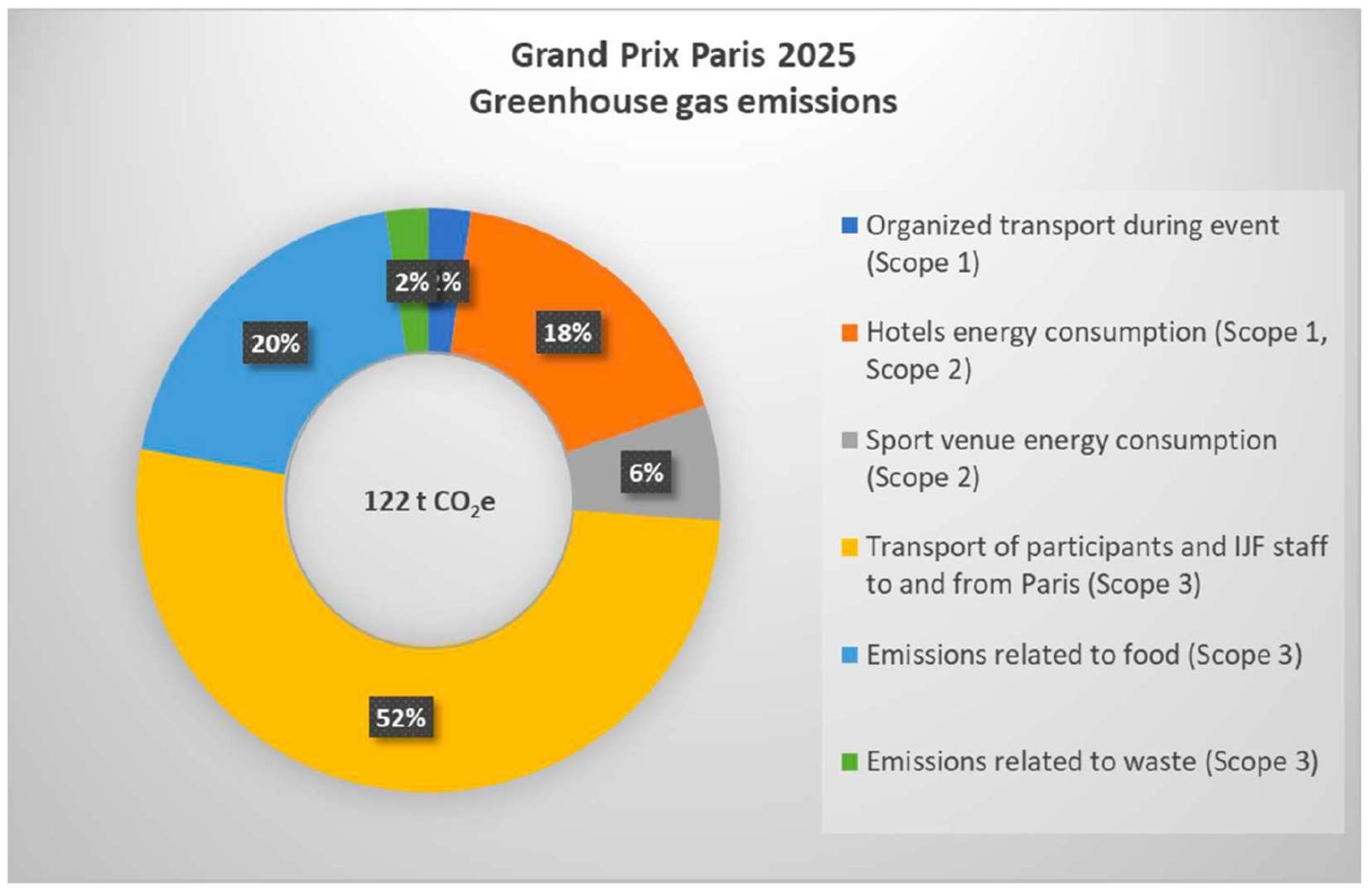
Greenhouse gas emissions are quantified in carbon dioxide equivalents (CO₂e) and include all identified emissions related to the IJF’s activities as a sport organisation. In addition, emissions from two major international events were assessed: the Paris Grand Slam (France) and the World Judo Championships Hungary. These case studies offer valuable insights into the environmental footprint of elite competitions and help identify concrete opportunities for improvement.
Sport and Climate Change: A Shared Challenge
Sport is increasingly exposed to the effects of climate change. Rising temperatures, heatwaves, unpredictable weather patterns and the rising sea-level present growing challenges for athletes, organisers and spectators. Extreme conditions can also damage sport infrastructure, making sustainability an urgent priority rather than a long-term ambition.
In response to this global challenge, the UNFCCC and the International Olympic Committee launched the Sports for Climate Action Framework in 2018. The initiative encourages sport organisations to recognise their environmental impact, reduce emissions and contribute to climate neutrality, helping to safeguard future generations.
IJF Leadership and Global Influence
Recognising the urgency of collective action, the IJF is proud to be part of the S4CA initiative alongside many international sports organisations. With its global reach, judo has a unique capacity to raise awareness, inspire behavioural change and promote sustainable practices worldwide.
In recent years, the IJF has strengthened its sustainability efforts through dedicated projects and campaigns, by encouraging national federations and event organisers to implement concrete measures and by using judo’s universal values to educate and motivate a wider audience.
Larisa Kiss, Director of Olympic Games and Olympic Movement for Judo, said, “In 2024 the IJF continued to translate commitment into action by measuring, understanding and reducing its environmental impact in line with the expectations of the Olympic Movement and the United Nations Sports for Climate Action Framework. Beyond data and reports, the true strength of sport lies in its ability to mobilise, educate and inspire people everywhere. Through judo, we have a responsibility and an opportunity to contribute meaningfully to the global effort to protect our planet, today and for future generations.”
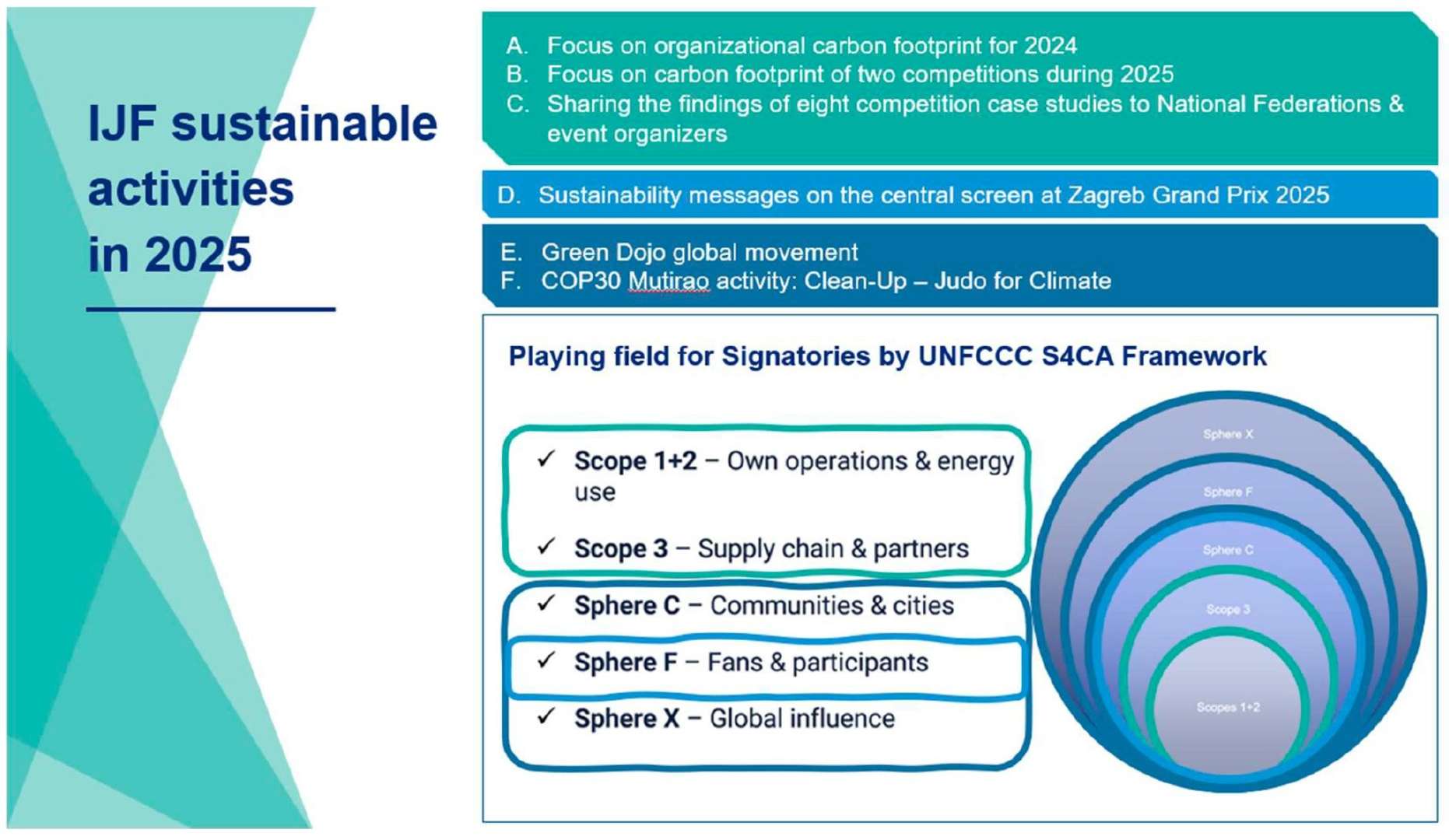
Sustainability Actions in 2025
The IJF’s commitment continues through a range of initiatives in 2025, including:
- Conducting the annual organisational carbon footprint assessment for 2024
- Assessing the carbon footprint of two World Judo Tour competitions in 2025, bringing the total to eight competitions across six locations
- Sharing findings with national federations and organisers to highlight climate hotspots and inspire sustainable solutions
- Promoting sustainability messages on the central screen at the Zagreb Grand Prix 2025
- Expanding the Green Dojo certification programme, rewarding dojos for daily sustainable practices at bronze, silver and gold levels
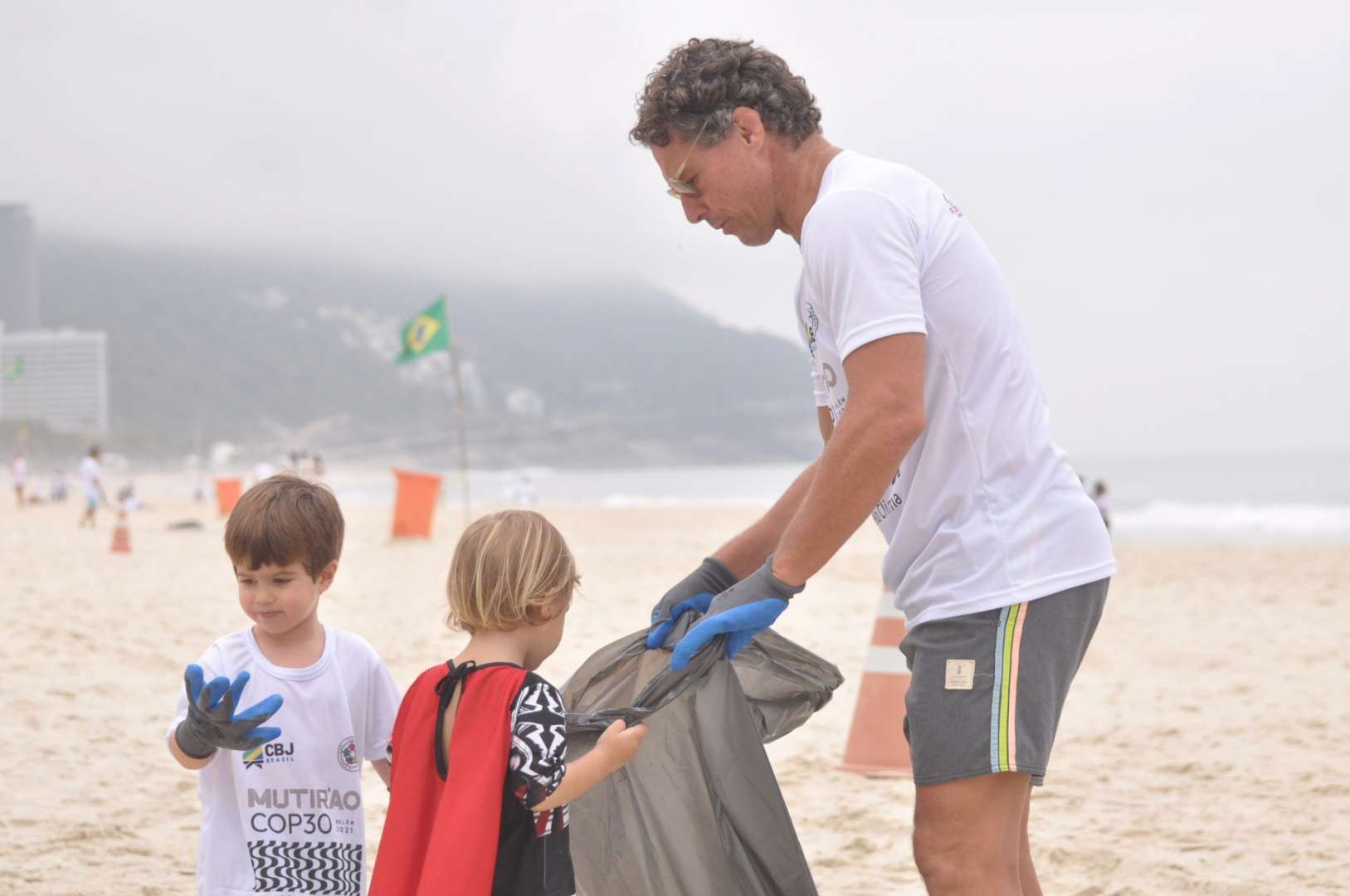
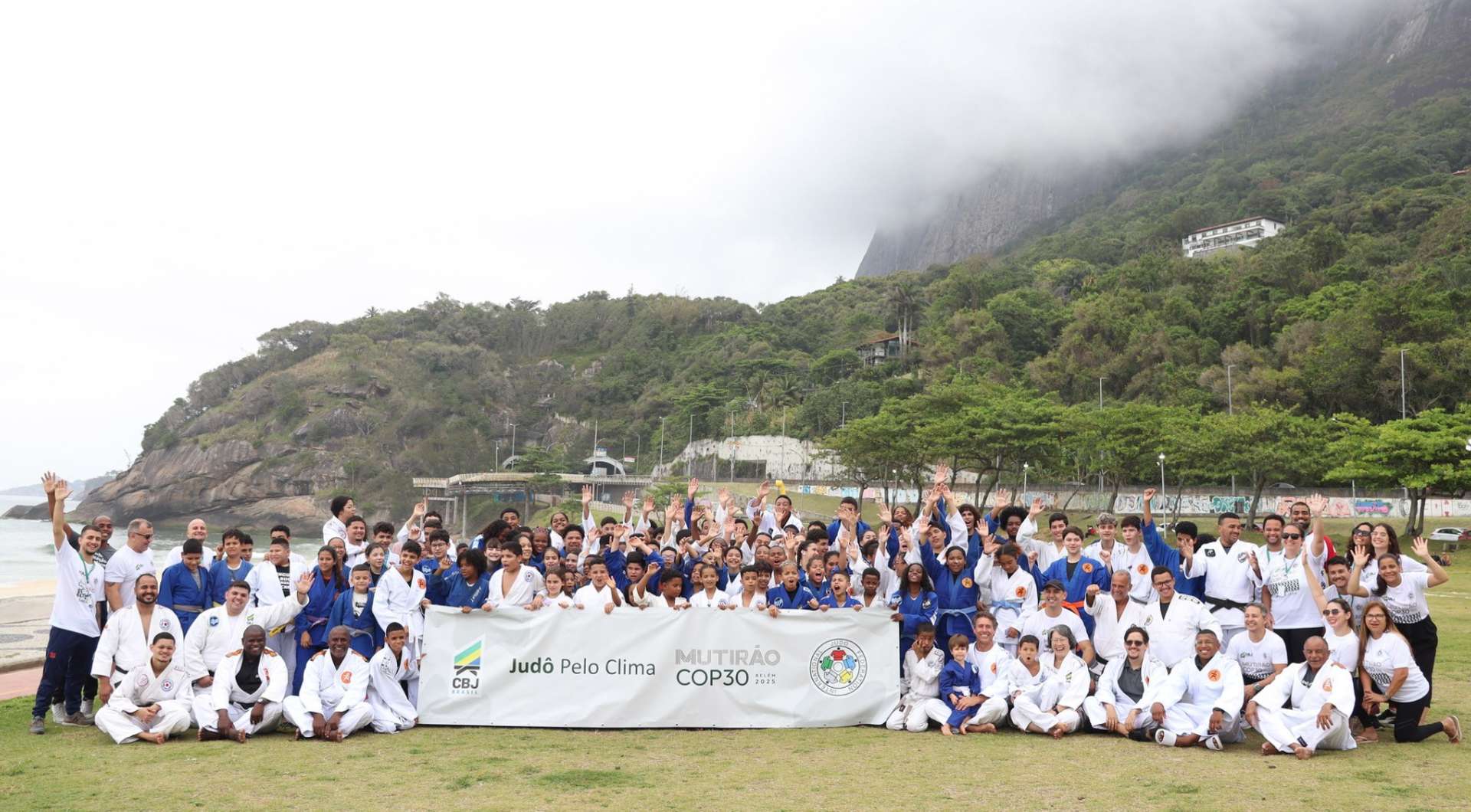
- Organising a COP30-related Mutirão Judo activity in Rio de Janeiro, combining judo, environmental education and a collective beach clean-up, under the leadership of IJF Climate Ambassador, Flavio Canto.

Moving Forward Together
Rooted in respect and responsibility, judo naturally embraces environmental stewardship. Through transparency, measurement and action, the IJF continues to show that sport can be a powerful driver of positive change. This report marks another step forward on a shared journey towards a more sustainable future for judo and for the world.