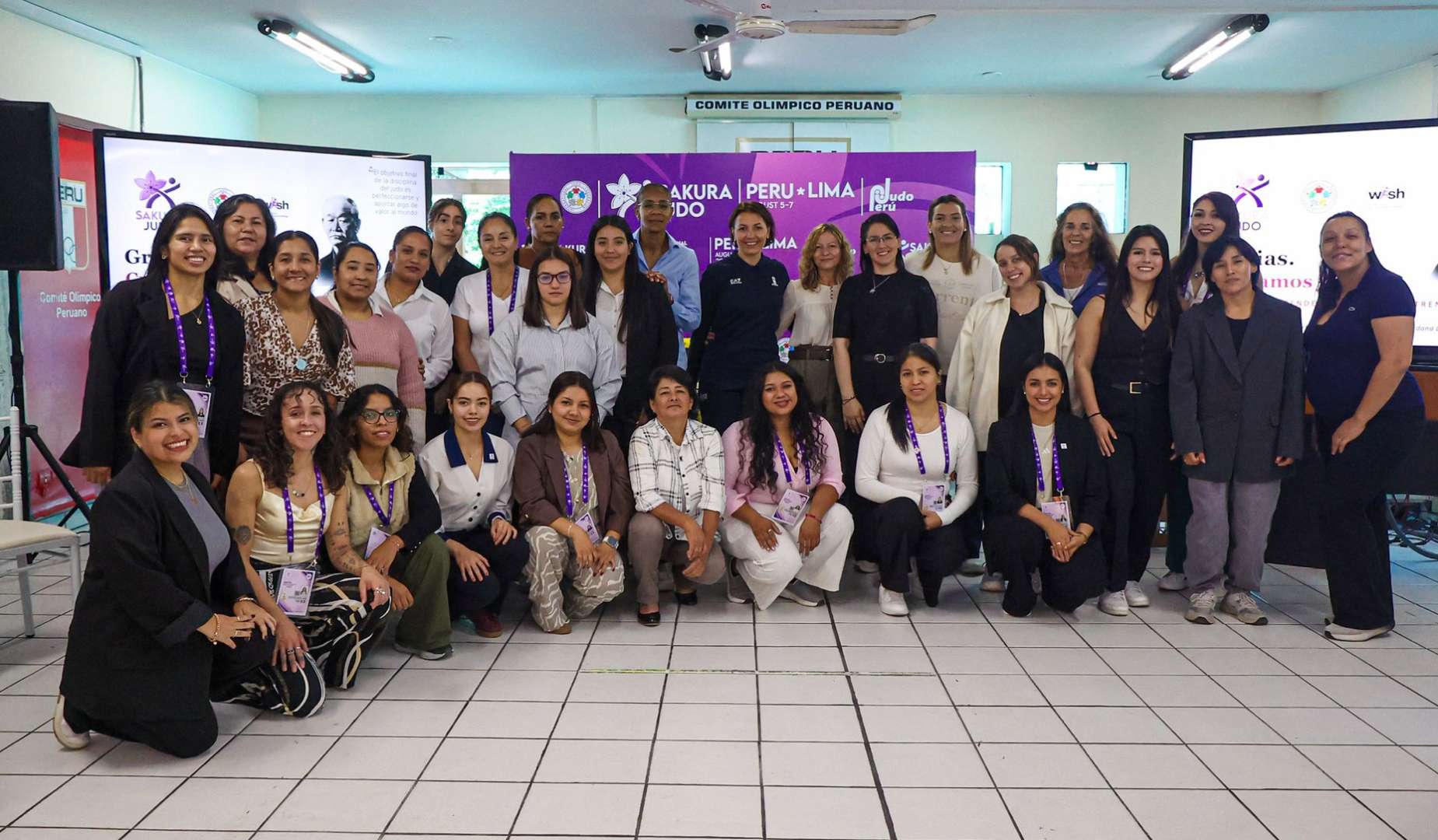

"Sakura Judo is an initiative that supports the development of women in judo. It helps them recognise and acquire competencies theoretically through leadership, coaching, teaching and refereeing, but also technically. It is about finding their own potential, discovering their own style and perhaps their own path within the international judo environment, which offers so many possibilities."
For her, this combination is essential. Leadership cannot be separated from knowledge and confidence does not simply appear because someone is told to believe in herself. It is built through experience, education and the ability to put knowledge into practice. "The most important part of the journey is to have the confidence to act, to make decisions and to move forward professionally. You need confidence to lead, but judo is also very practical. It cannot only be theoretical. That is why we need to combine what happens on and off the tatami and provide an all-round education."
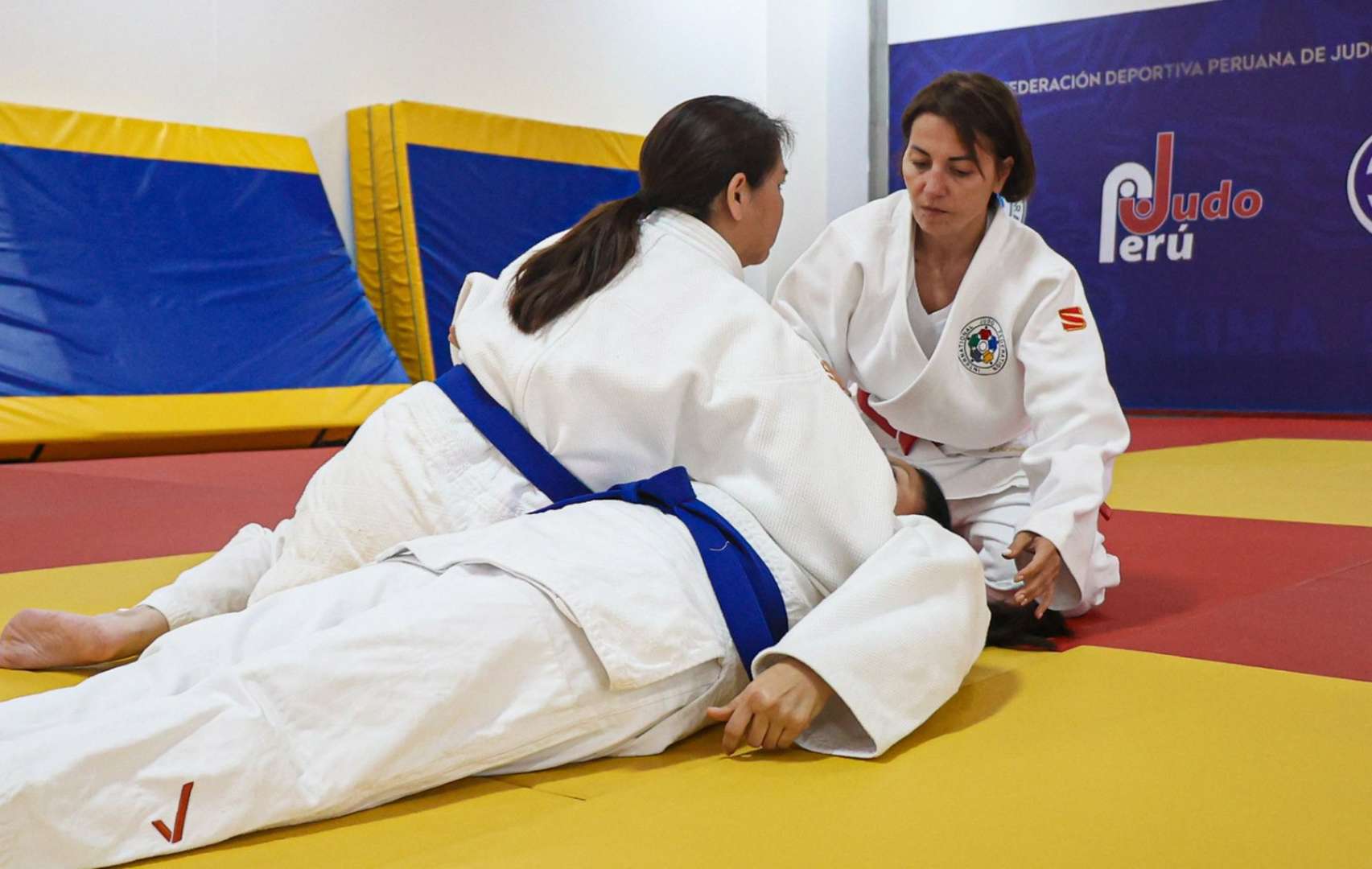
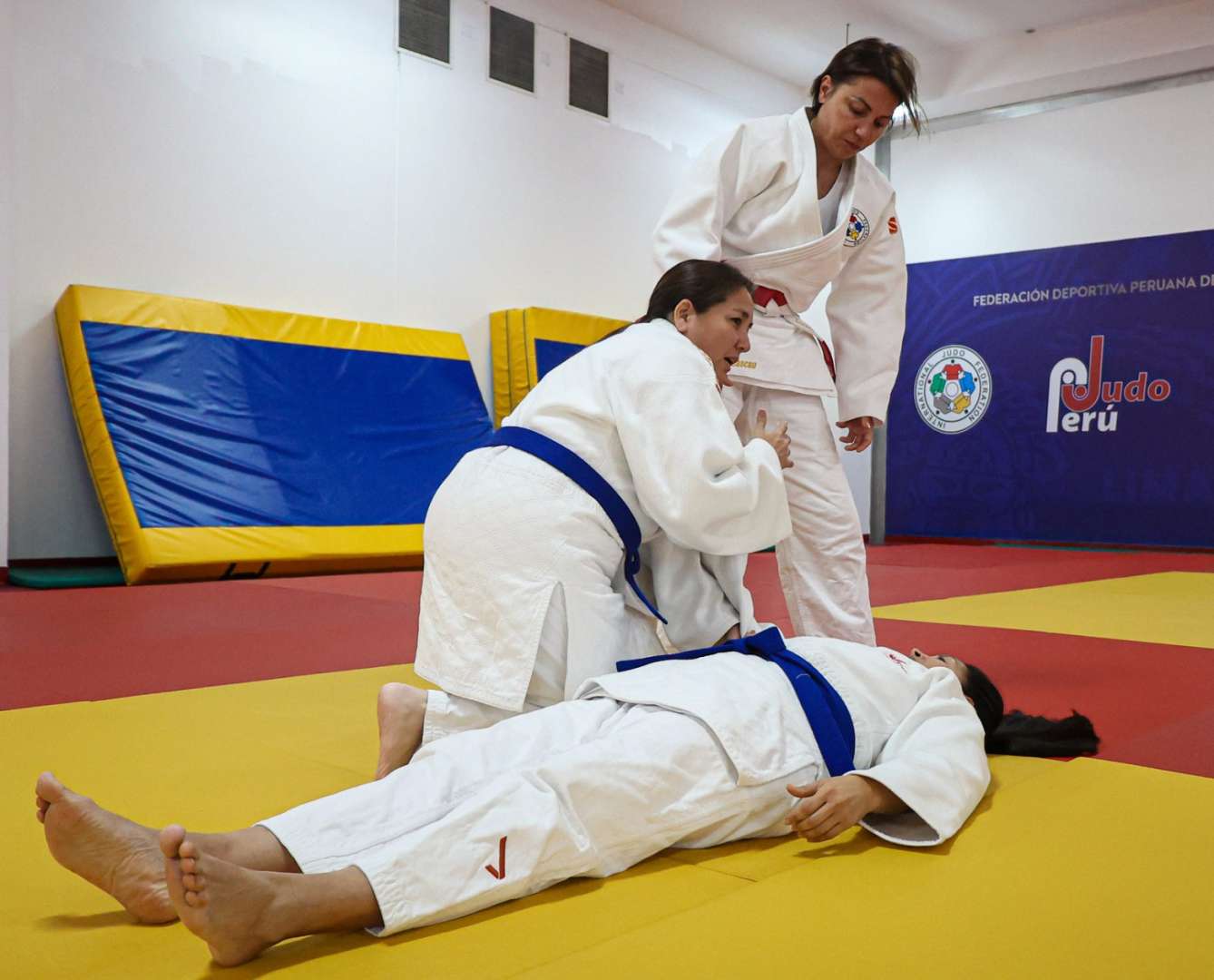
Immediately, this philosophy was visible during the first days of Sakura Judo. Alongside the leadership sessions, participants returned to the foundations of judo, exploring the different families of standing techniques, from te-waza, ashi-waza and koshi-waza to sutemi-waza, progressing from simpler principles towards more complex ones. The purpose was not simply to revisit techniques but to understand them more deeply, organise that knowledge and learn how to transmit it. The stronger the technical foundations become, the more confidently that expertise can be shared with others.
That relationship between competence and confidence is at the heart of Lascau's approach. A woman who understands what she is doing, who has developed her skills and who knows how to communicate them, is better equipped to make decisions, teach, coach, referee or assume greater responsibilities. Sakura Judo therefore provides a space in which participants can test themselves while also becoming aware of something they may sometimes overlook: they already possess a considerable amount of experience and knowledge.
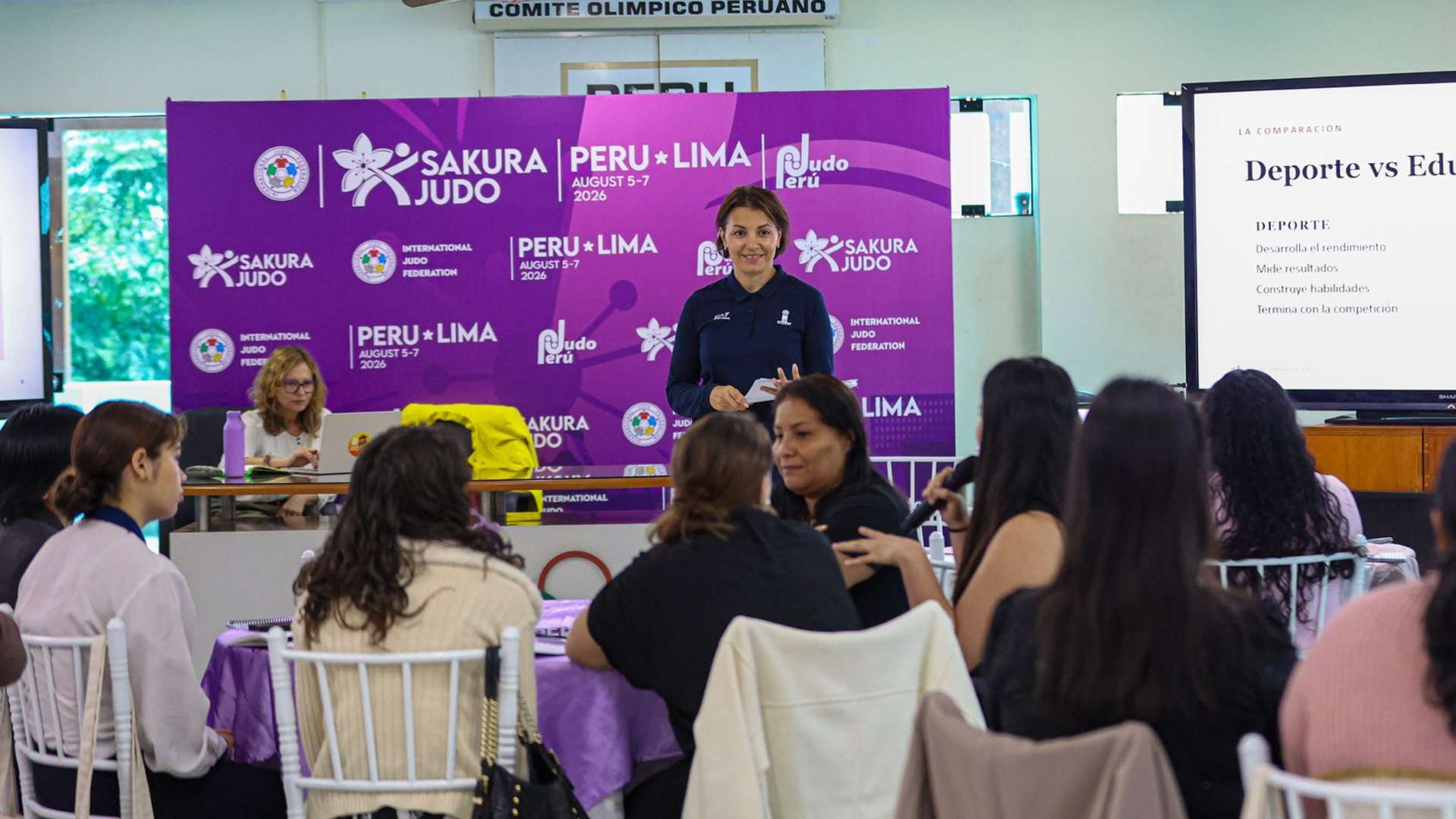
"I hope they leave having discovered new things but also having discovered that they already know so much. They can express that knowledge in a braver and more courageous way."
That change can be decisive. Sakura Judo is not about creating leaders from nothing or imposing a predetermined model of what leadership should look like. It is about helping women recognise their own abilities, strengthen them and then have the courage to use them. With the right support, Loredana Lascau believes more women will feel ready to explore the many possibilities judo offers, on the tatami and beyond, and to take on the roles in which their knowledge and experience can make a difference.
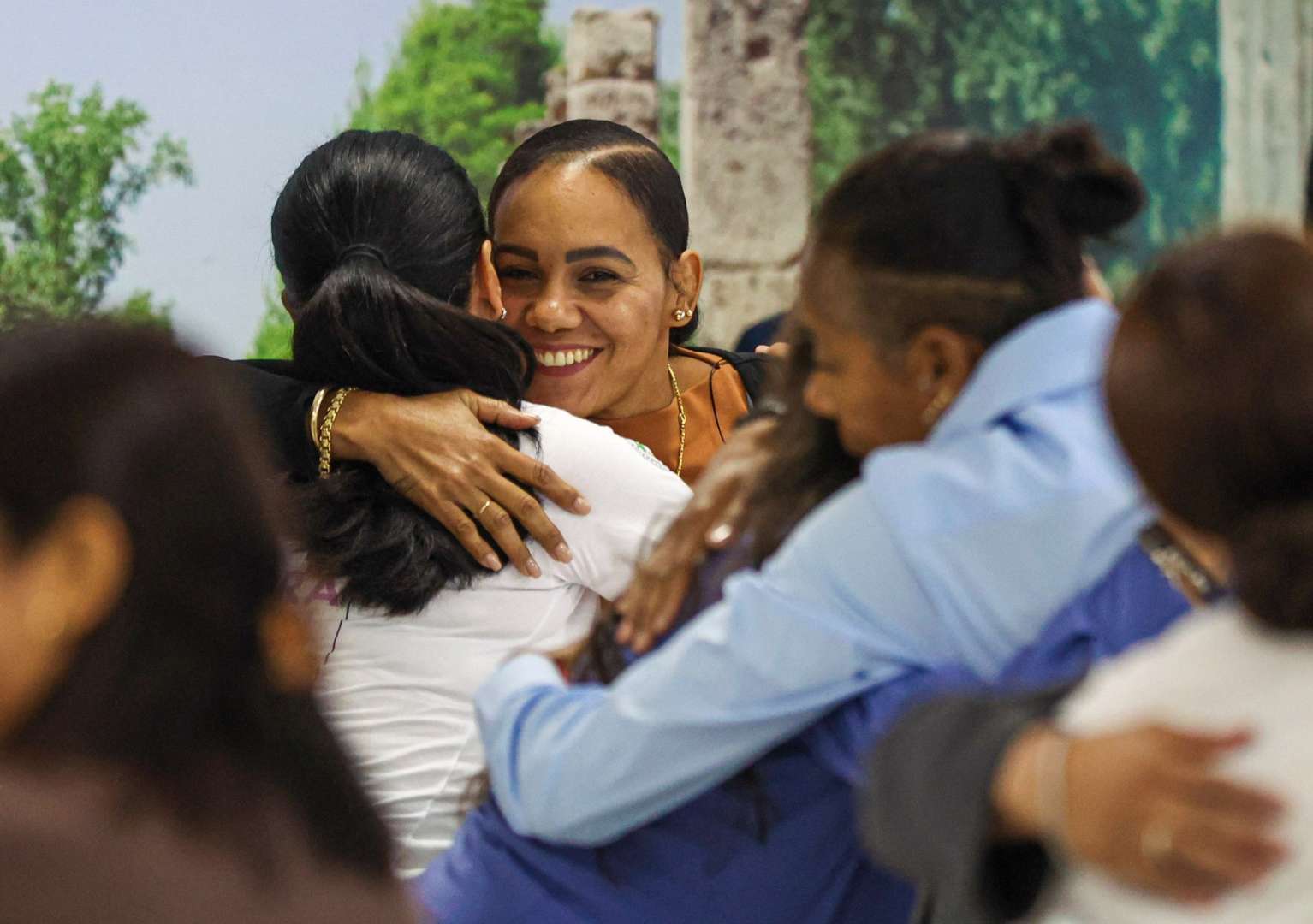
Asked to capture Sakura Judo in just a few words, she returned to the very essence of the sport. "It is the gentle part of judo, with the potential and ability to express itself through women's judo, empowering women and the judo world."
It is a fitting image for a programme the name of which evokes the sakura blossom. Strength does not always need to be loud or imposing. It can emerge through knowledge, competence, confidence and the courage to reveal what was already there. For the women taking part in Sakura Judo, discovering that potential may be the beginning of an entirely new journey.