
After seven years living as a refugee in the Netherlands, Muna has made the courageous decision to return to Syria. While many people in her situation would understandably have chosen to remain in exile, she chose another path: going home to help rebuild her country. That decision says everything about who she is.
“Syria is a very beautiful country with a rich history, culture and kind people,” Muna explains. “The war changed many things, but the spirit of the people is still strong.” She returned five months ago, driven by a profound sense of responsibility and belonging. “I wanted to contribute to rebuilding my country and stand beside Syria after everything it has been through. I wanted to use the experience and knowledge I gained abroad to help my country.”
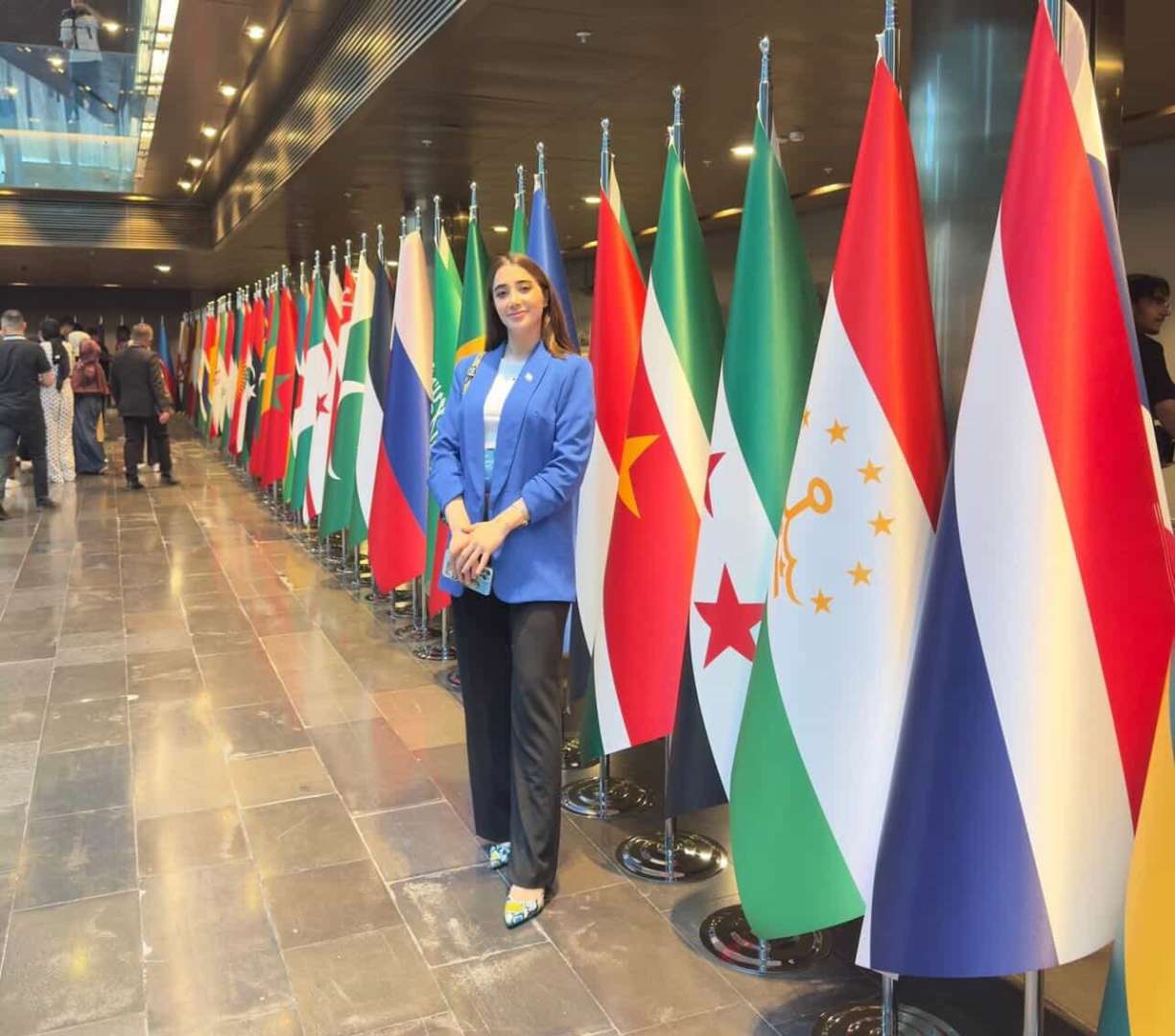
Her return was deeply emotional. The Syria she rediscovered was not the same country she had left behind years earlier. In 2024, before the fall of the regime, she visited briefly and found a nation crushed by fear and hopelessness. “The people seemed condemned to death even though they were still alive,” she recalls. “They were broken and without hope.” When she returned again after the liberation, everything felt different. “I saw people experiencing freedom for the first time in more than sixty years. It was incredible and emotional to finally see Syria and my people free.”
Today, Muna works within Syria’s newly established Ministry of Sports and Youth, specifically in the youth sector. The creation of the ministry itself symbolises a new beginning for the country and for its younger generation. “We strongly believe that young people have the greatest role in creating positive change,” she explains. “We want to empower them to become an essential part of Syria’s future.”
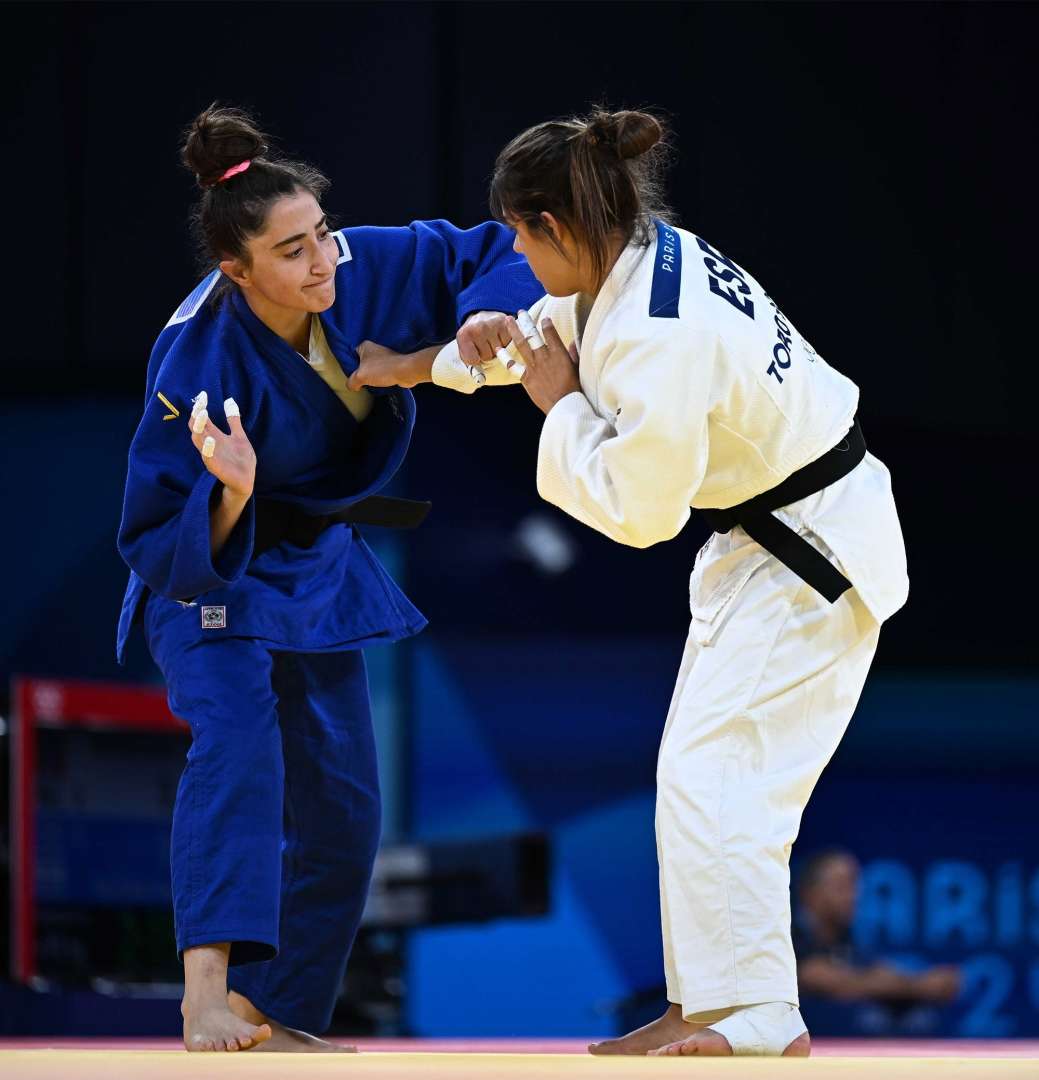
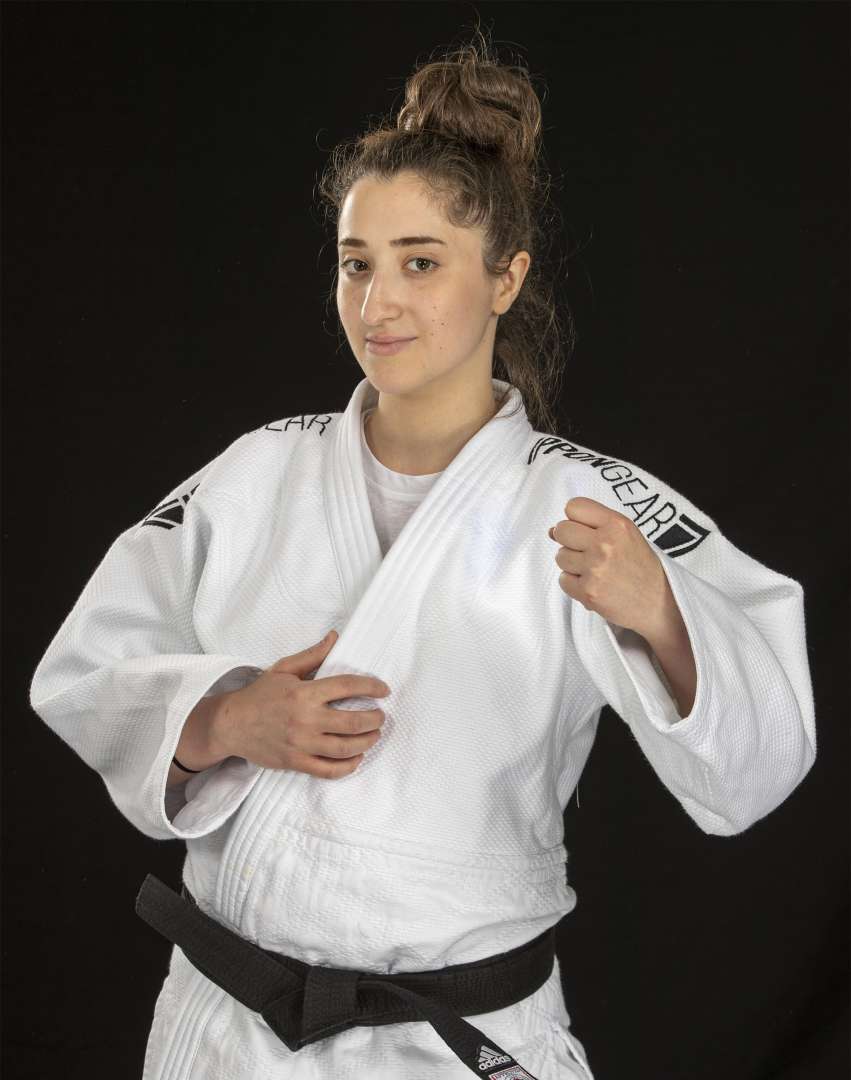
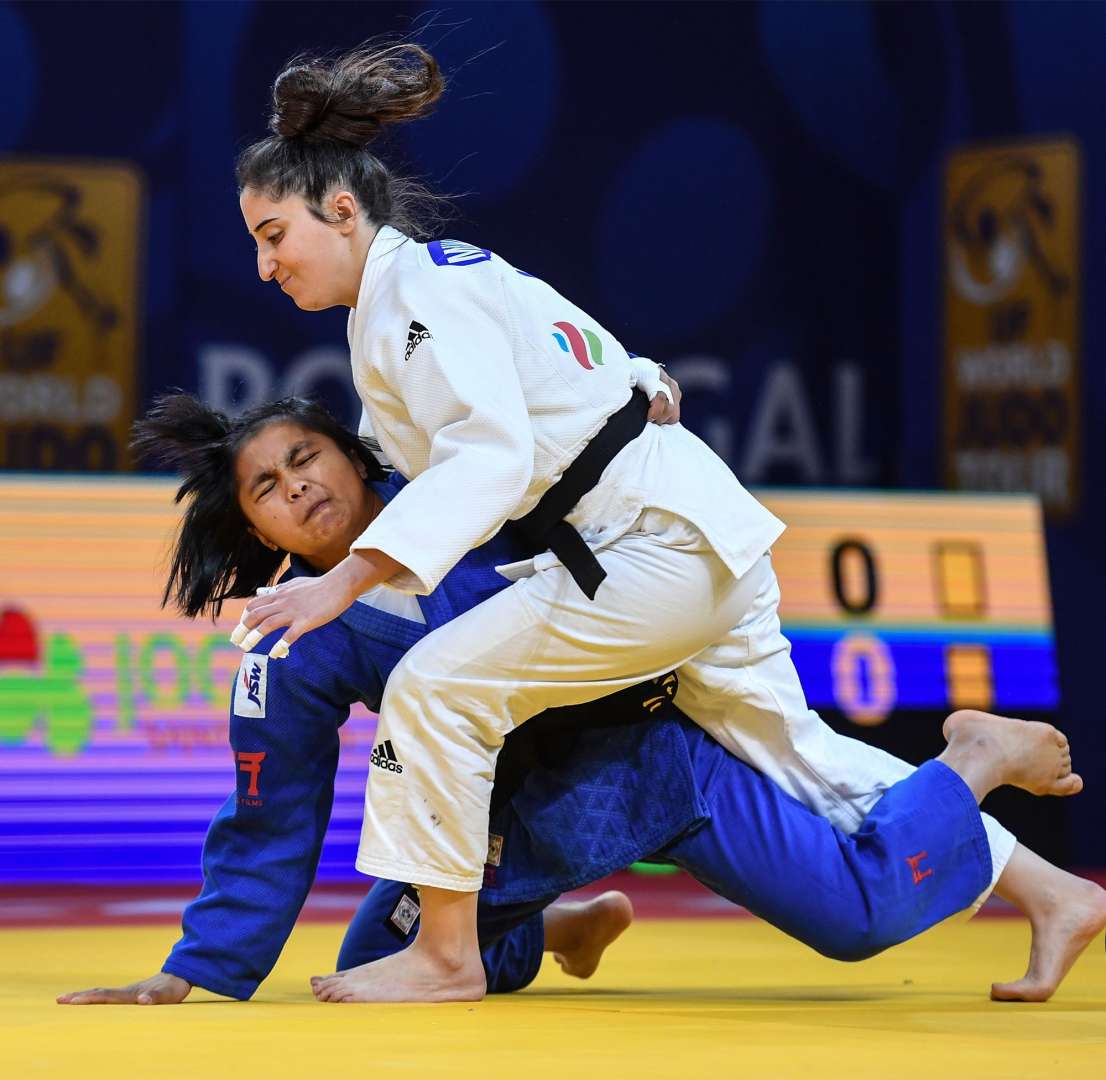
Judo has accompanied Muna through every stage of her life. She began practising at the age of six in a family entirely devoted to the sport. Her father, a judo coach, made the tatami part of everyday life for her and her siblings. “Our first steps in life were on the judo mat,” she says with emotion.
Then came war. The club where she had grown up and trained was bombed and destroyed. Judo disappeared from her life completely as survival became the priority. “I never expected that I would practise judo again,” she admits. “I had completely lost hope.”
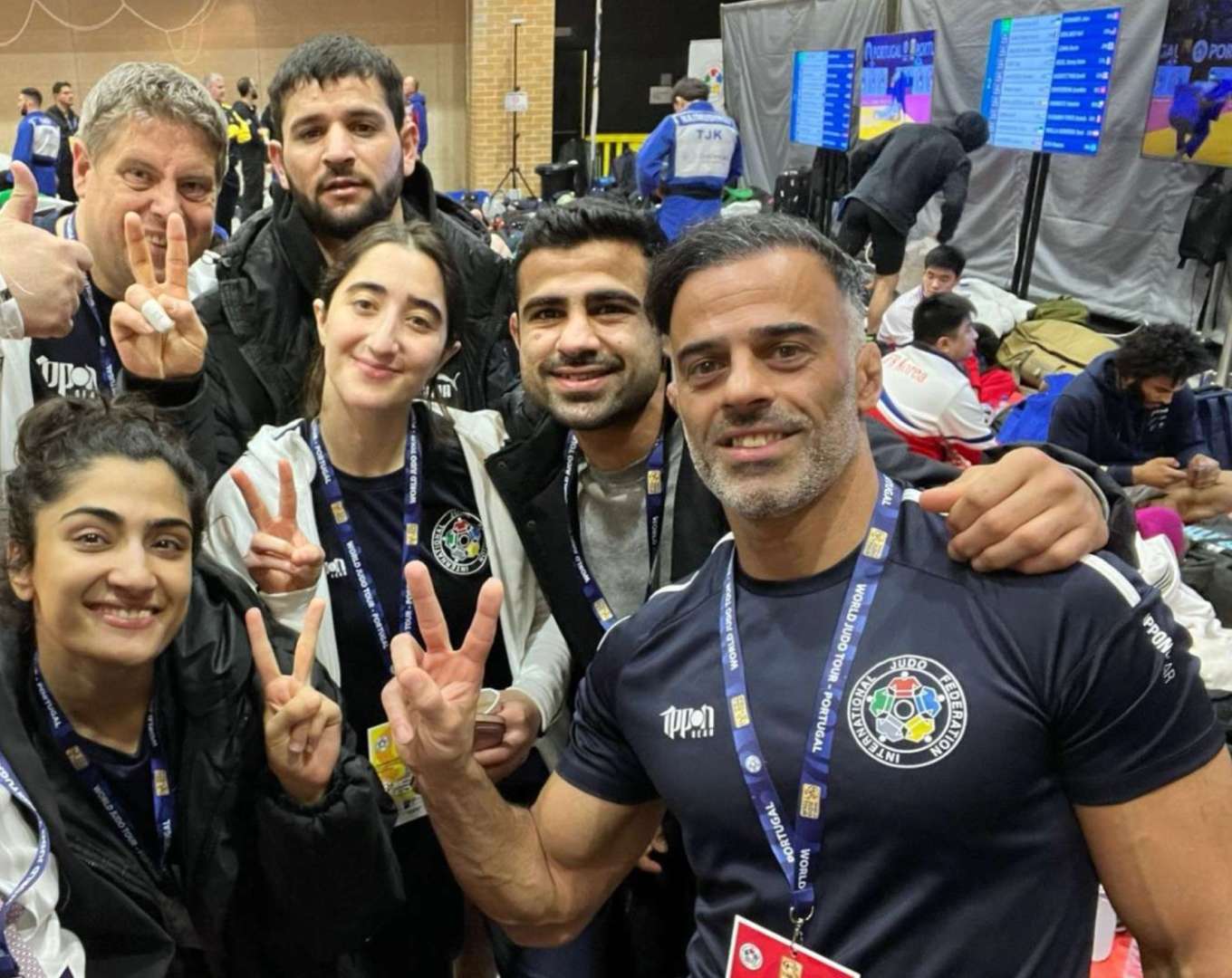
But judo found its way back into her life through the International Judo Federation Refugee Team. What began as an opportunity to train again gradually became something much bigger. “This changed my life deeply,” she explains. “Judo became a message of hope to the world, proof that sport can give people a second chance no matter how difficult their circumstances are.”
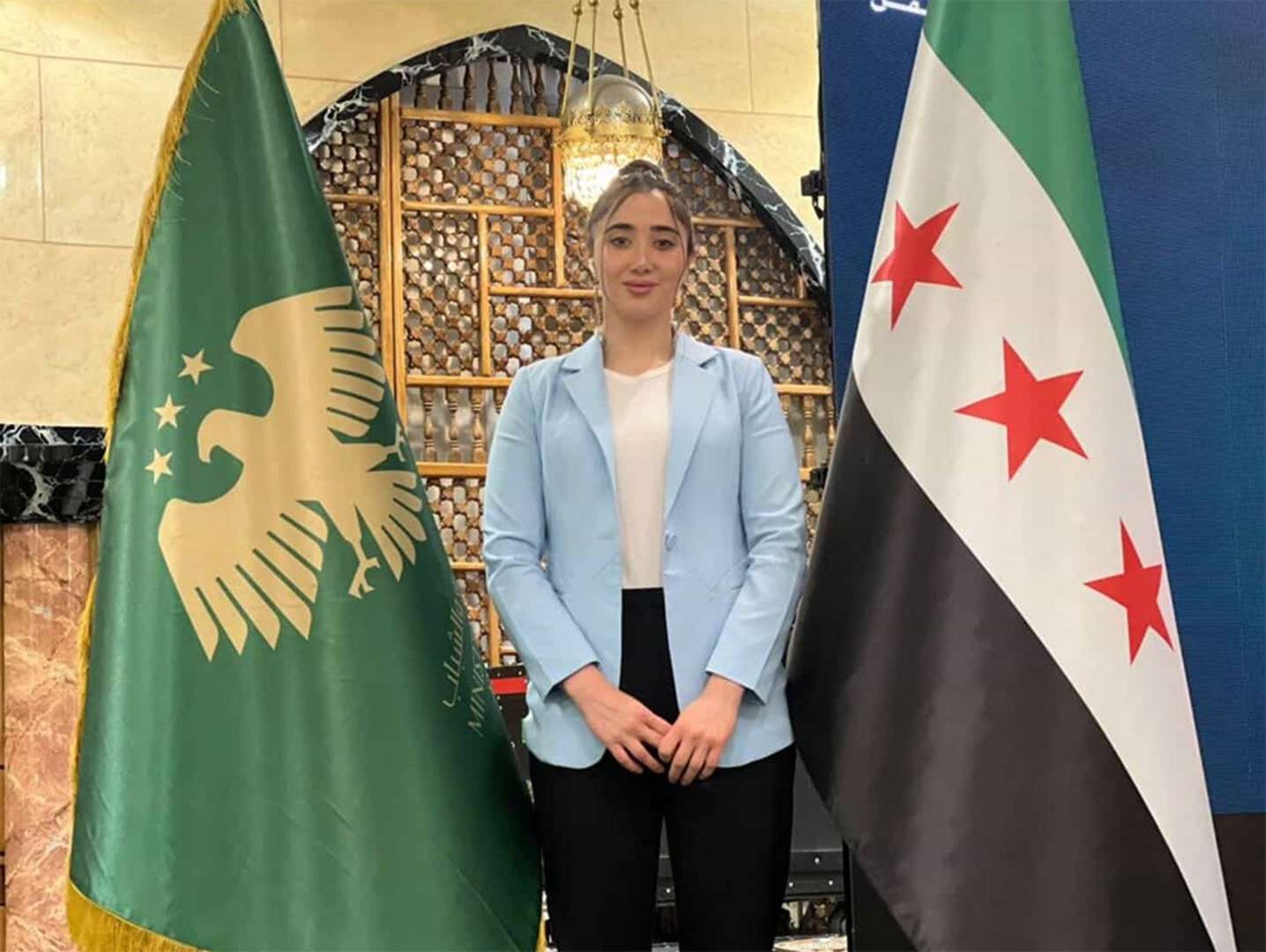
Within the Refugee Team, Muna found more than teammates. She found a family built through shared suffering, resilience and solidarity. “Every moment with the team was special,” she says. “We shared happy moments together but also difficult and sad ones. Those memories will always stay close to my heart.”
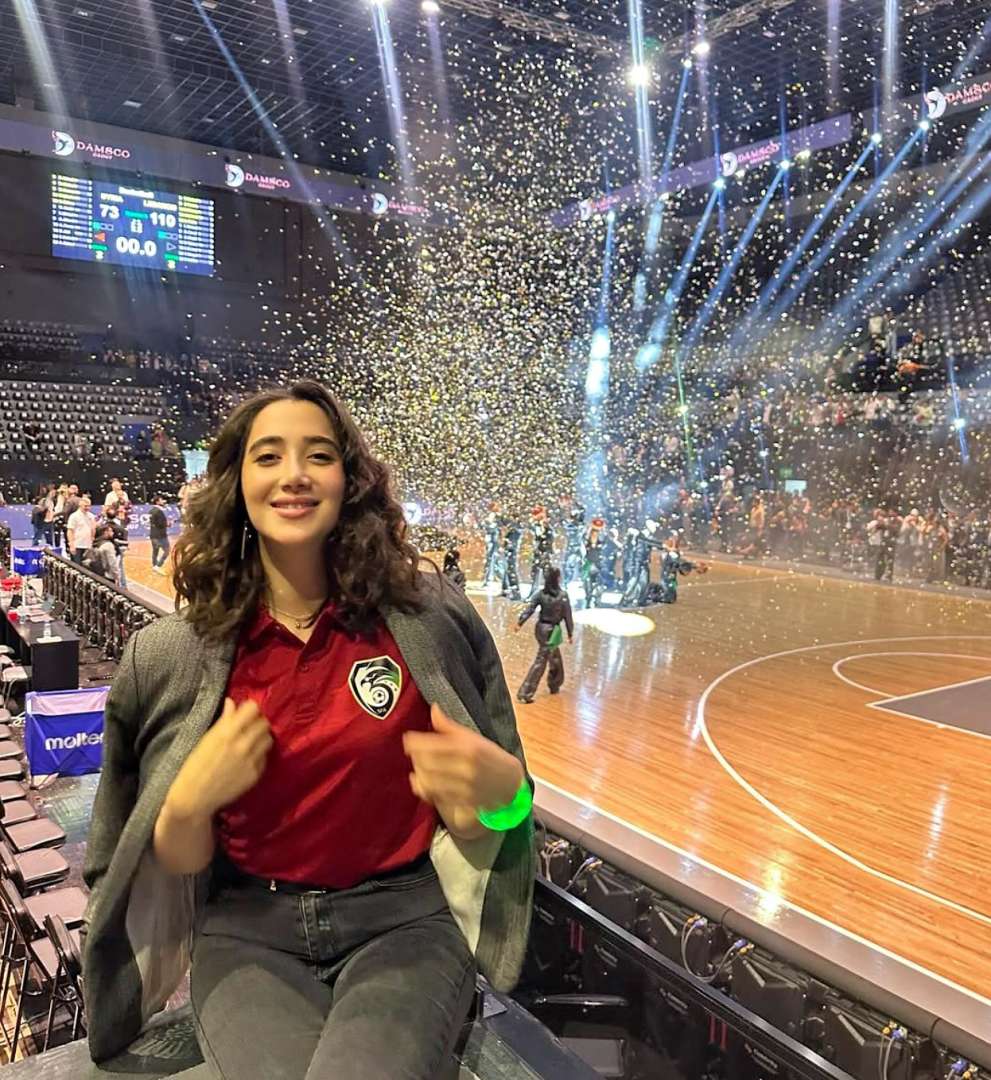
Today, her mission continues in Syria. She wants to help young athletes who, like her once, face difficult circumstances and limited opportunities. “In Syria, we have many talented judoka,” she says, “but they lack support, attention and opportunities. I want to help them continue chasing their dreams.”
Her message to young people facing hardship anywhere in the world is simple and powerful, “Never surrender to difficult circumstances and never lose hope. Life can be cruel sometimes but with determination, patience and hard work, people can rise again and achieve what once seemed impossible.”
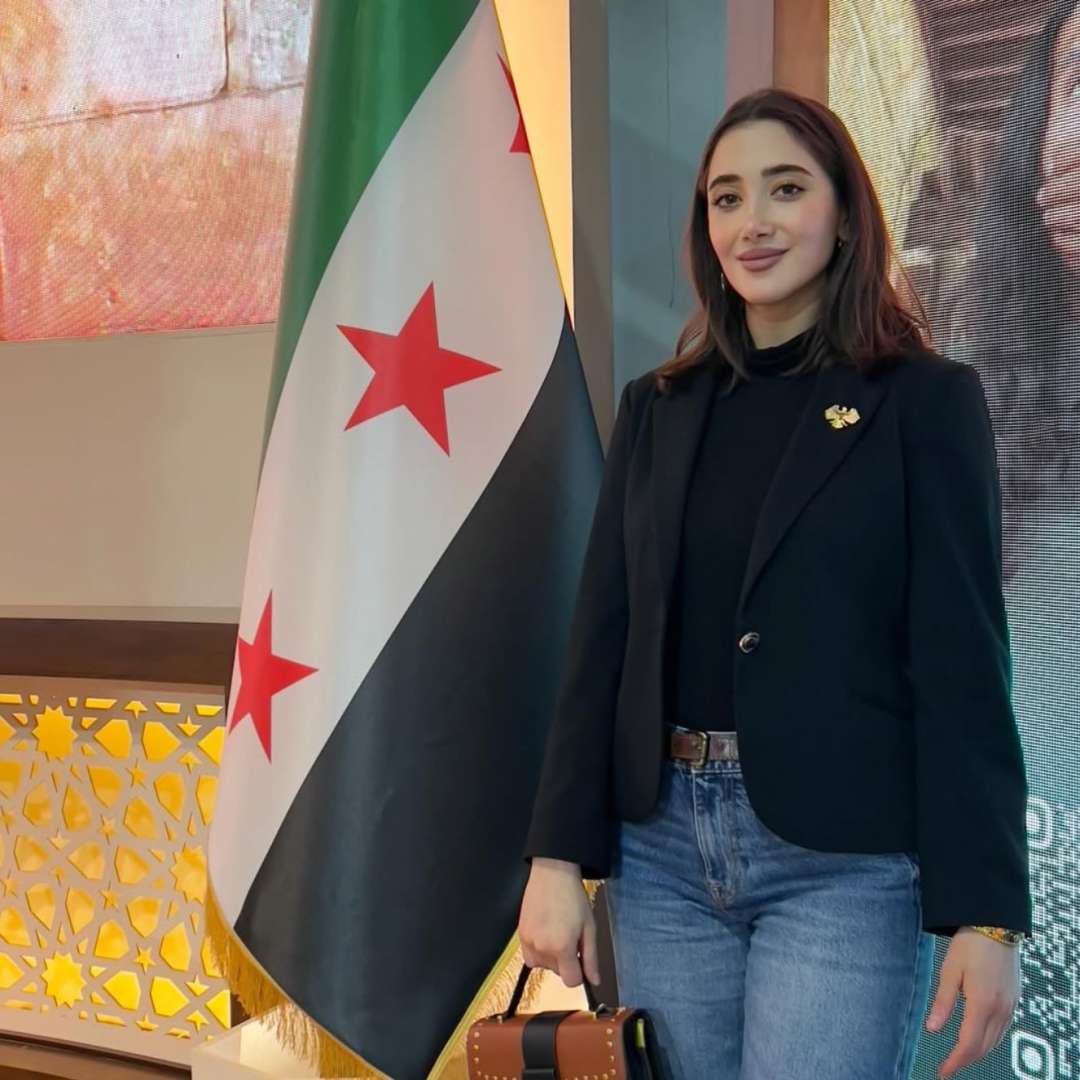
Muna Dahouk’s story is not only about exile, sport or even return. It is about resilience. It is about choosing hope over fear. Above all, it is about believing that even after destruction, it is still possible to rebuild a life, a dream and perhaps one day, an entire country.