
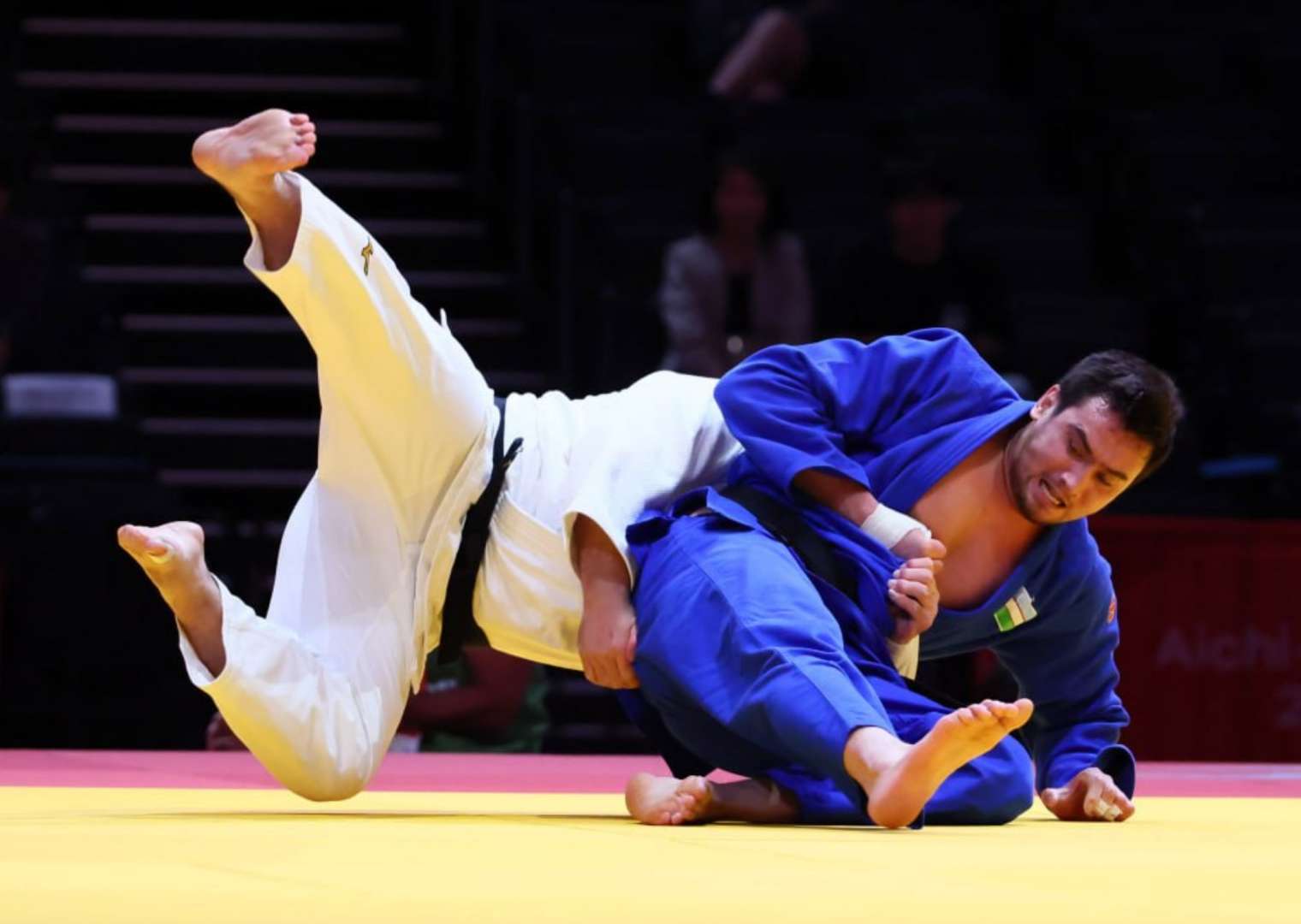
After three days of individual competition, every one of the fourteen categories has produced compelling encounters, varied technical expressions and results that underline the competitiveness of the continent. Japan finished with eight gold medals, while Uzbekistan, the Republic of Korea, China, Mongolia, the United Arab Emirates and other nations ensured that the medal story in Nagoya was far from belonging to one team alone.
In the men’s -90kg category, Riku Okada (JPN) claimed gold after a demanding day of competition. Erlan Sherov (KGZ) took silver, while Jonghoon Kim (KOR) and Qi Han (CHN) earned bronze medals. It was a category that captured the balance of the competition: four nations represented, four athletes with their own route to the final block, and every contest carrying the weight of an Asian Games medal.
The men’s -100kg category saw Ryotaro Masuchi (JPN) take the title, following a day in which every contest demanded control, timing and patience. Dzhakhongir Madzhidov (TJK) claimed silver, while Ernazar Sarsenbaev (UZB) and Juyeop Han (KOR) completed the podium. The final standings reflected the strong presence of four different judo nations in one of the programme’s most physically demanding divisions.
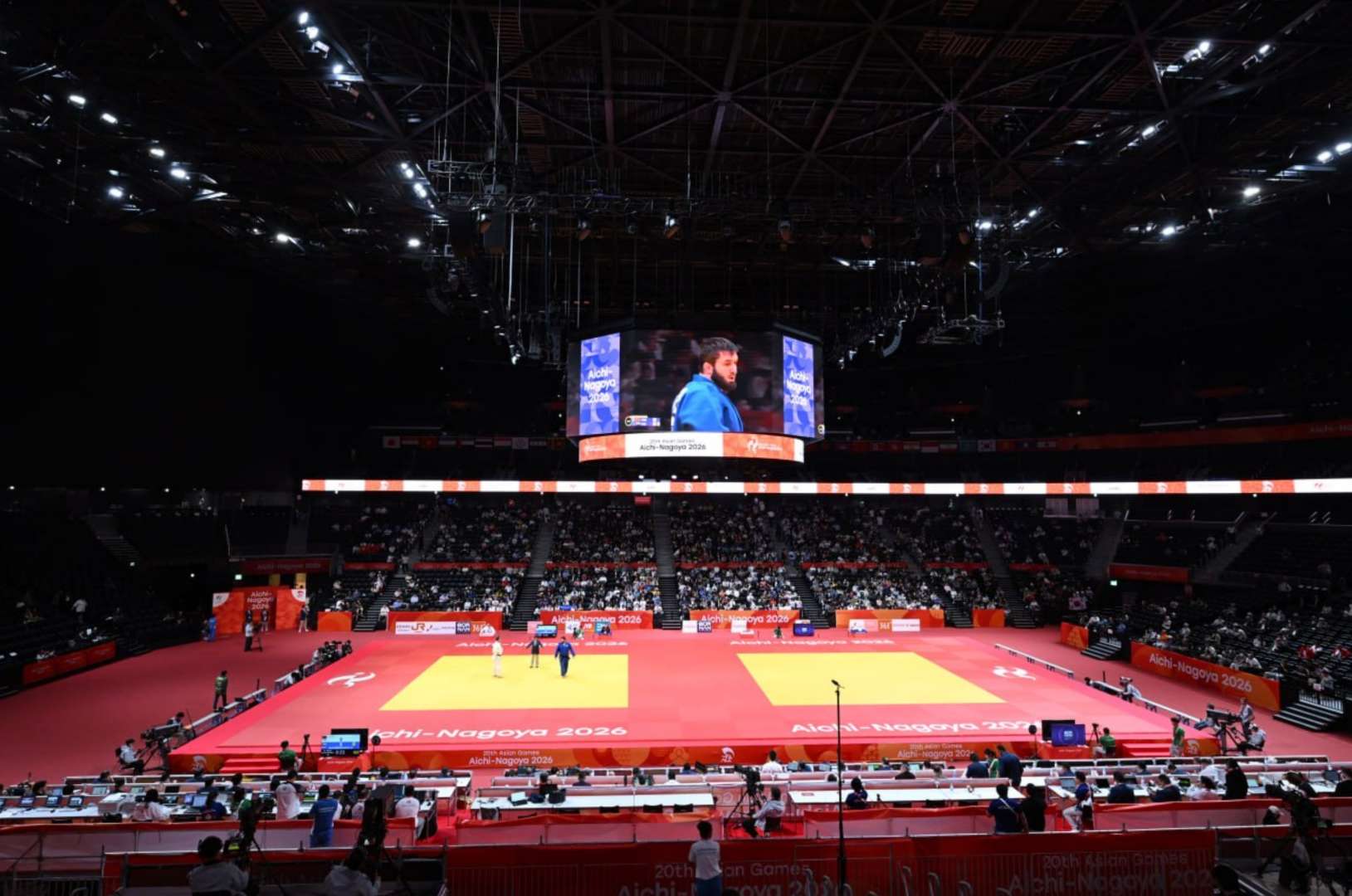
Uzbekistan (UZB) celebrated its second title of the individual competition in the men’s +100kg division, where Muzaffarbek Turoboyev stood at the top of the podium. Hyoga Ota (JPN) won silver, with Gonchigsuren Batkhuyag (MGL) and Minjong Kim (KOR) taking bronze. The heavyweight category brought together some of the day’s most imposing athletes, but it also demonstrated the speed, mobility and timing that remain at the heart of modern judo, whatever the weight category.
In the women’s -78kg division, Mizuki Sugimura (JPN) took gold. Minju Kim (KOR) earned silver, while Aqulina Chayeb gave Lebanon a memorable bronze medal, alongside Ekaterina Tokareva (KAZ). Chayeb’s result was one of the day’s most meaningful, showing that Asian Games judo continues to offer opportunities for countries beyond the continent’s largest delegations to create lasting moments.
The final women’s title went to China (CHN), as Xinran Niu won the +78kg category. Hyeonji Lee (KOR) took silver, while Adiyasuren Amarsaikhan (MGL) and Miki Mukunoki (JPN) were awarded bronze. China’s gold ensured that the final day closed with another strong expression of the continent’s competitive diversity.
With the individual competition now complete, the focus turns to the mixed team event. On Saturday, the leading Asian judo nations will return to the tatami for a final test of collective strength, strategy and team spirit. It promises to be a fitting conclusion to four days in which the Asian Games have once again shown the scale, vitality and variety of judo across the continent.
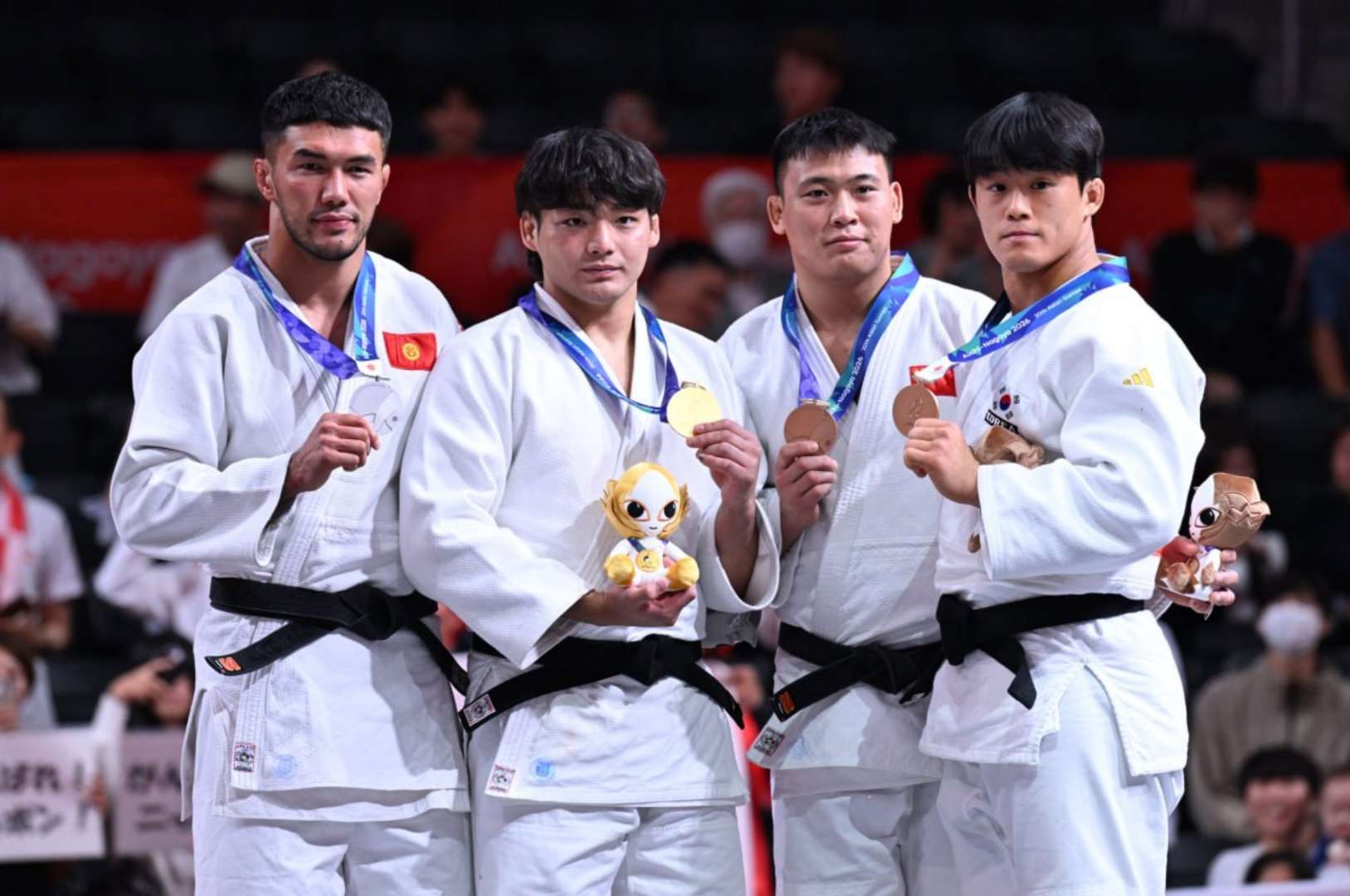
-90 kg
- 1. Riku Okada (JPN)
- 2. Erlan Sherov (KGZ)
- 3. Jonghoon Kim (KOR)
- 4. Qi Han (CHN)
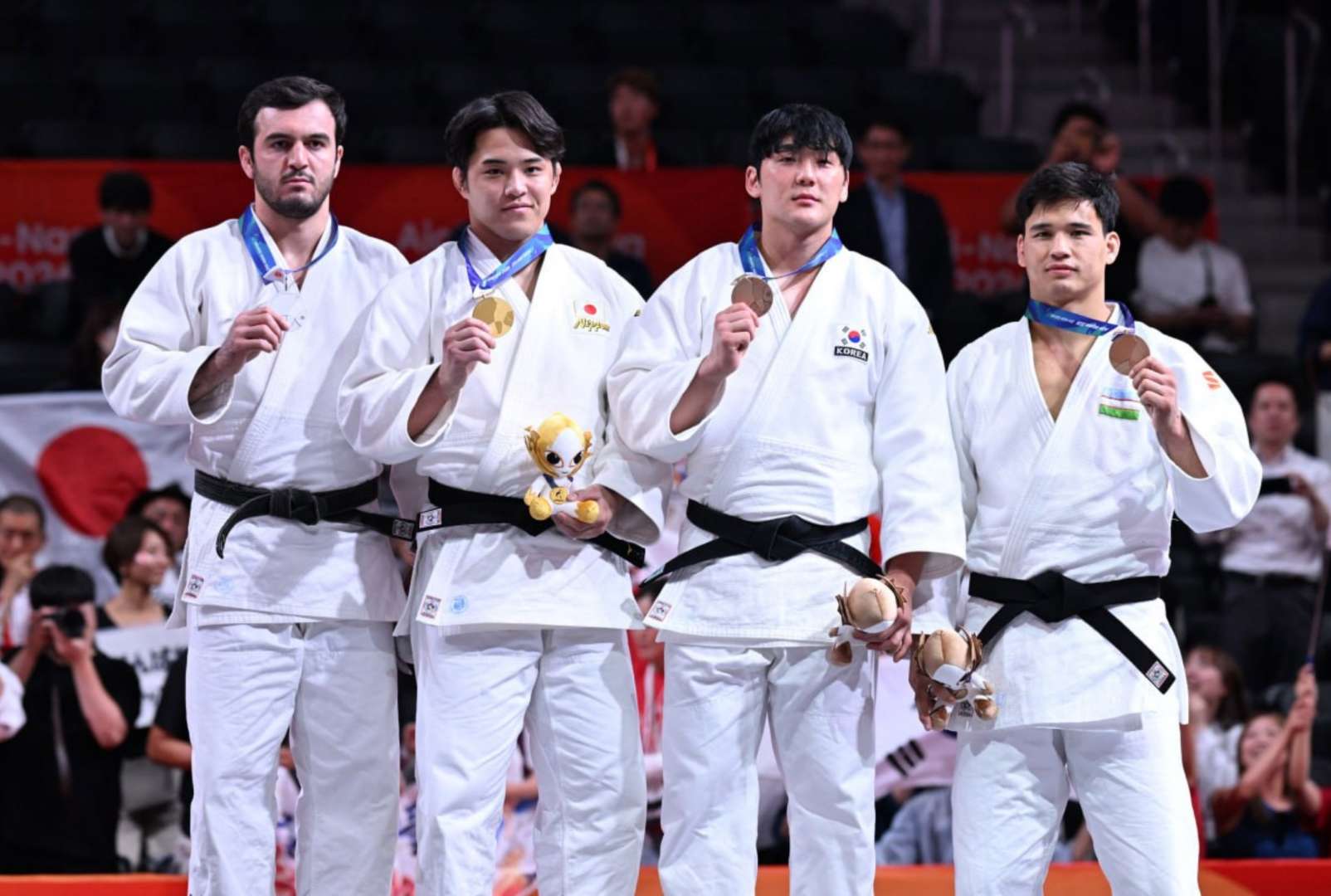
-100 kg
- 1. Ryotaro Masuchi (JPN)
- 2. Dzhakhongir Madzhidov (TJK)
- 3. Ernazar Sarsenbaev (UZB)
- 4. Juyeop Han (KOR)
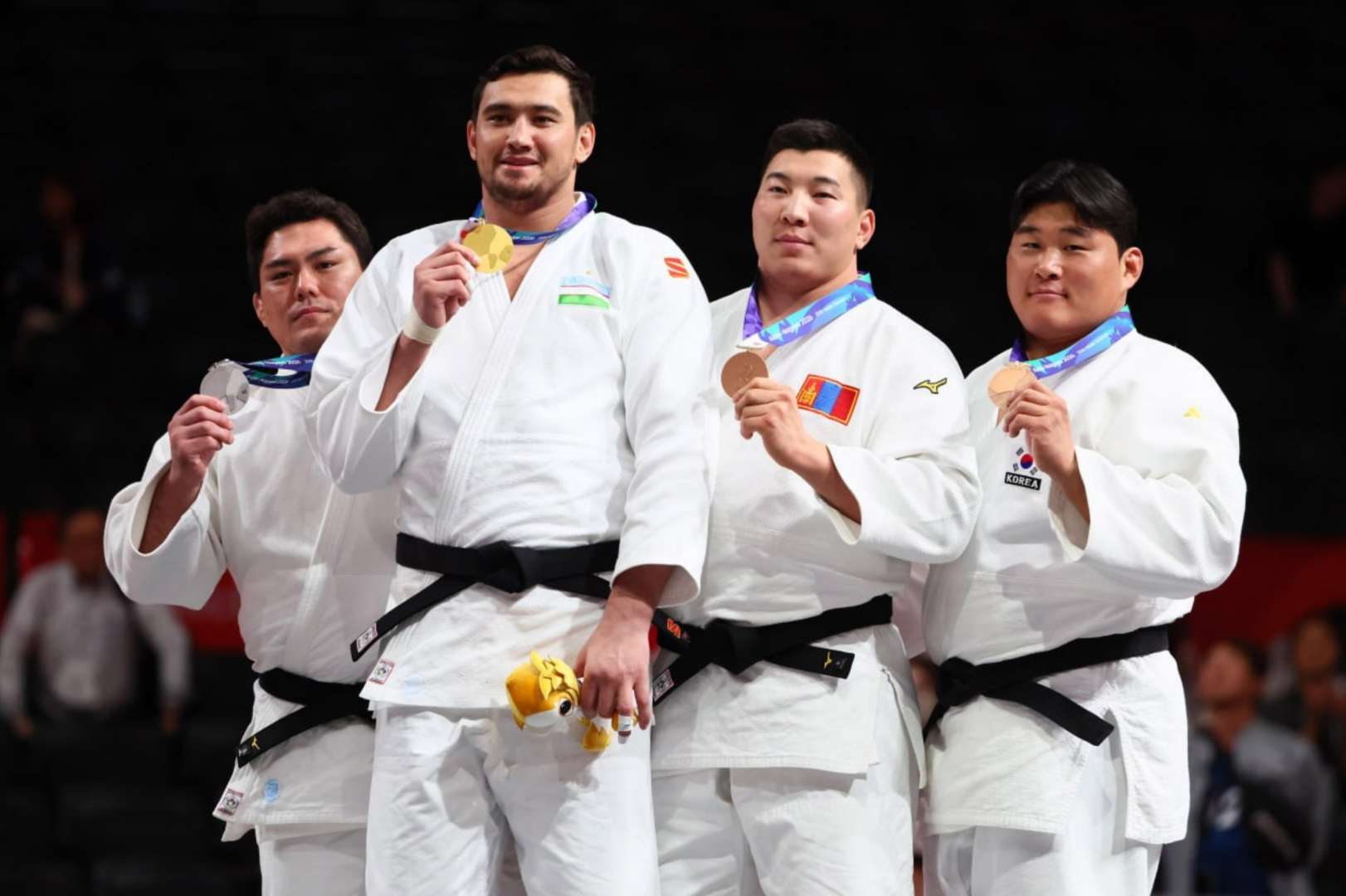
+100 kg
- 1. Muzaffarbek Turoboyev (UZB)
- 2. Hyoga Ota (JPN)
- 3. Gonchigsuren Batkhuyag (MGL)
- 4. Minjong Kim (KOR)
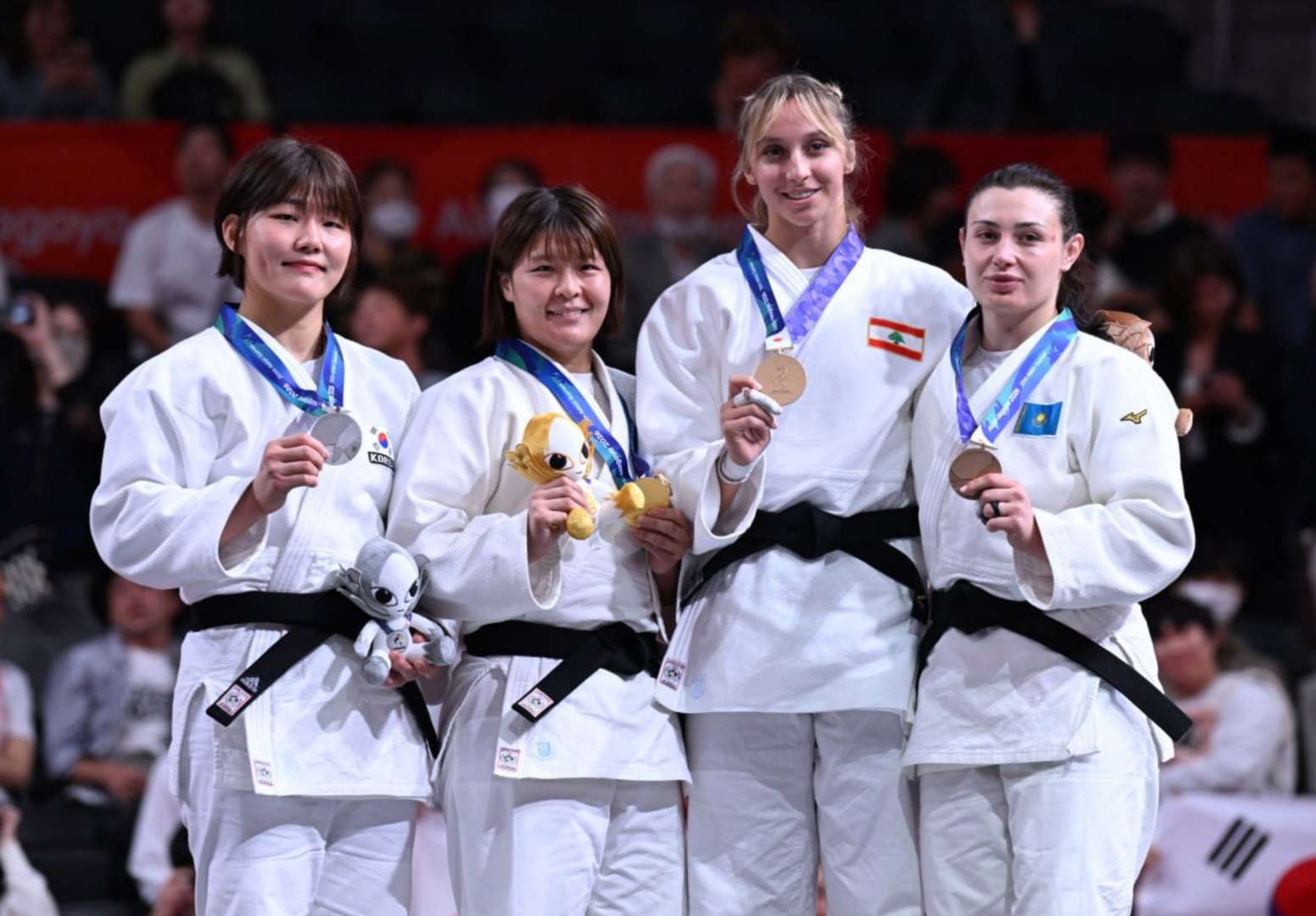
-78 kg
- 1. Mizuki Sugimura (JPN)
- 2. Minju Kim (KOR)
- 3. Aqulina Chayeb (LBN)
- 4. Ekaterina Tokareva (KAZ)
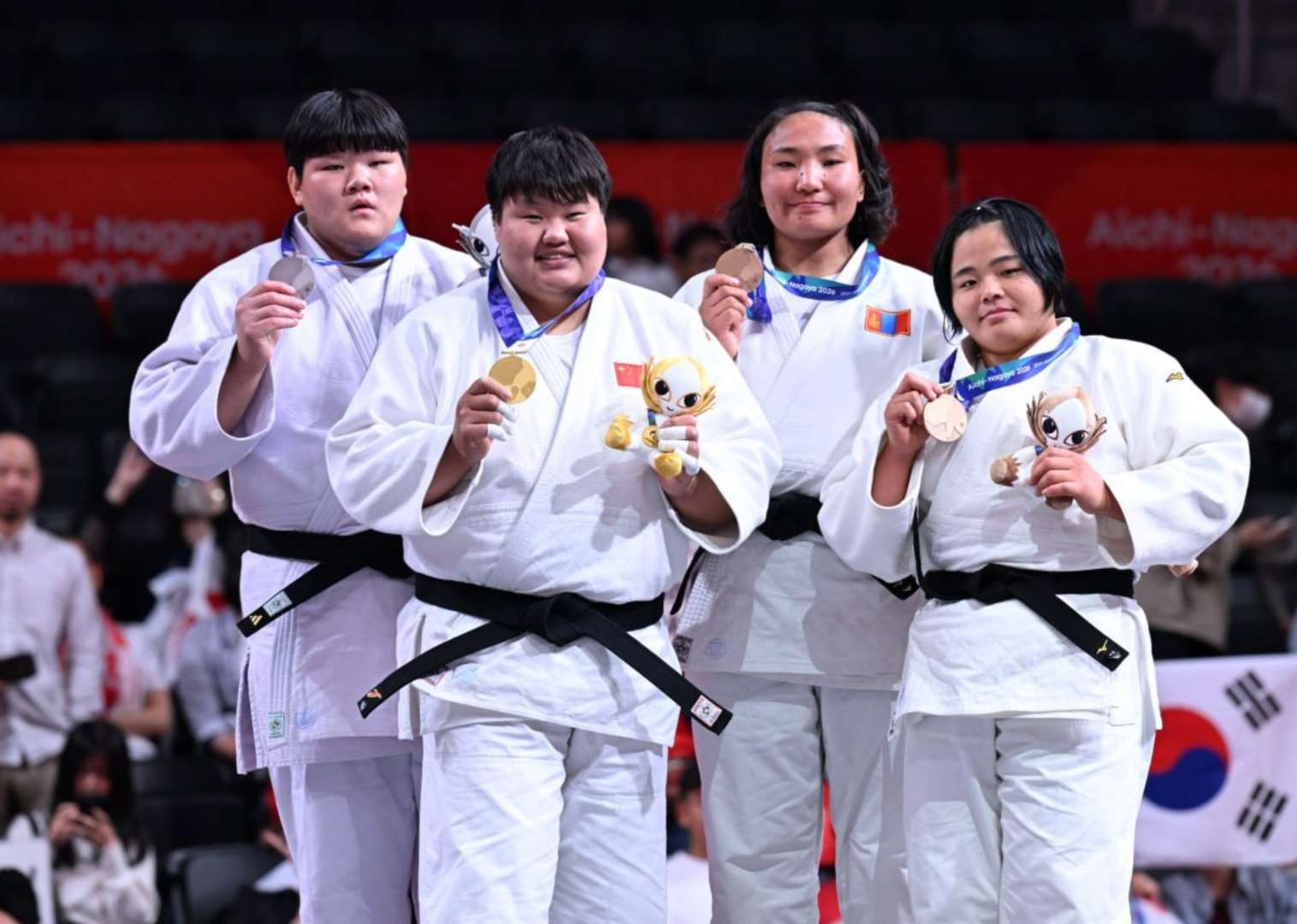
+78 kg
- 1. Xinran Niu (CHN)
- 2. Hyeonji Lee (KOR)
- 3. Adiyasuren Amarsaikhan (MGL)
- 4. Miki Mukunoki (JPN)
Photos © eJudo, Hiroaki Ueno, Shinya Inui.