
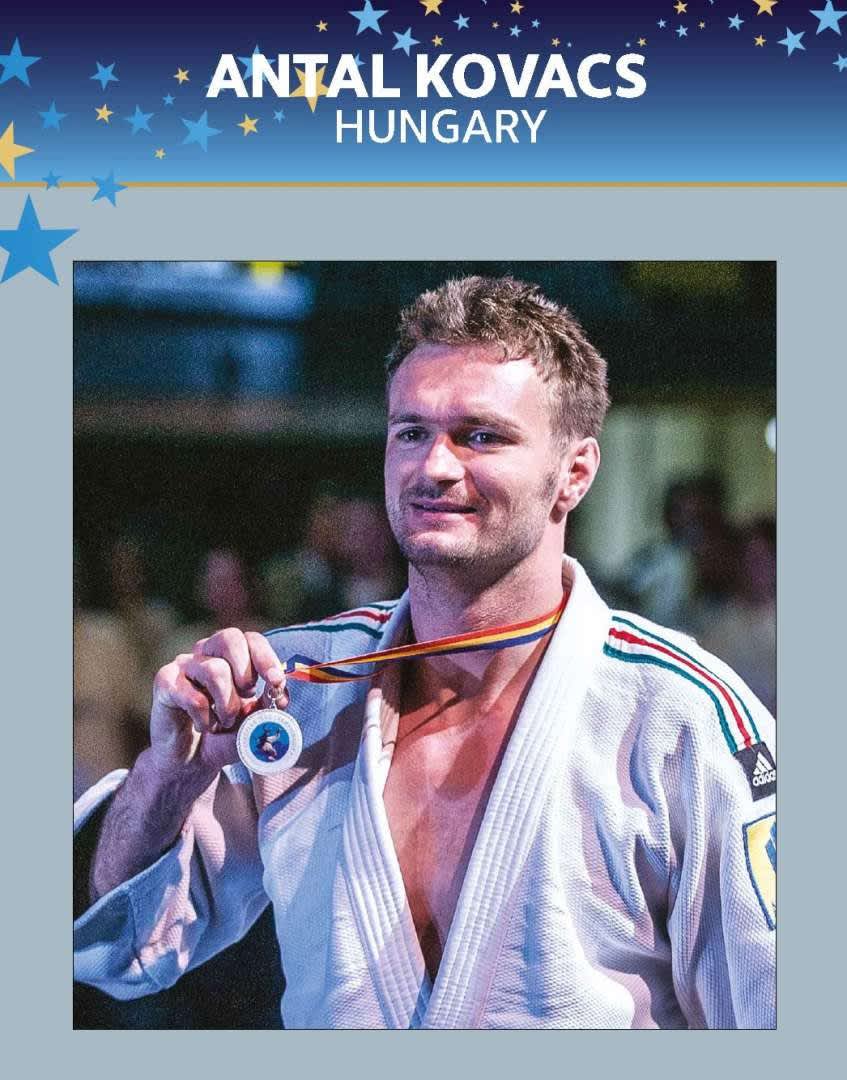
The first Olympic medals came in Montreal in 1976, when Jozsef Tuncsik won bronze. Barcelona 1992 then became the defining moment in Hungarian judo history. Antal Kovács won gold at -95 kg, becoming the country’s first and, to this day, only Olympic judo champion, before adding a world title a year later. József Csák took silver at -65 kg, as did Bertalan Hajtós at -71 kg, while Imre Csősz won bronze at +95 kg. Csák had already been European champion in 1986; Csősz was a world bronze medallist in 1991 and became European champion in 1995.
Miklós Ungvári later took Olympic silver in London in 2012. At the same time, Éva Csernoviczki became the first Hungarian woman to win an Olympic judo medal, taking bronze at -48 kg. A world bronze medallist and European champion, she established a lasting model for the generations that followed.
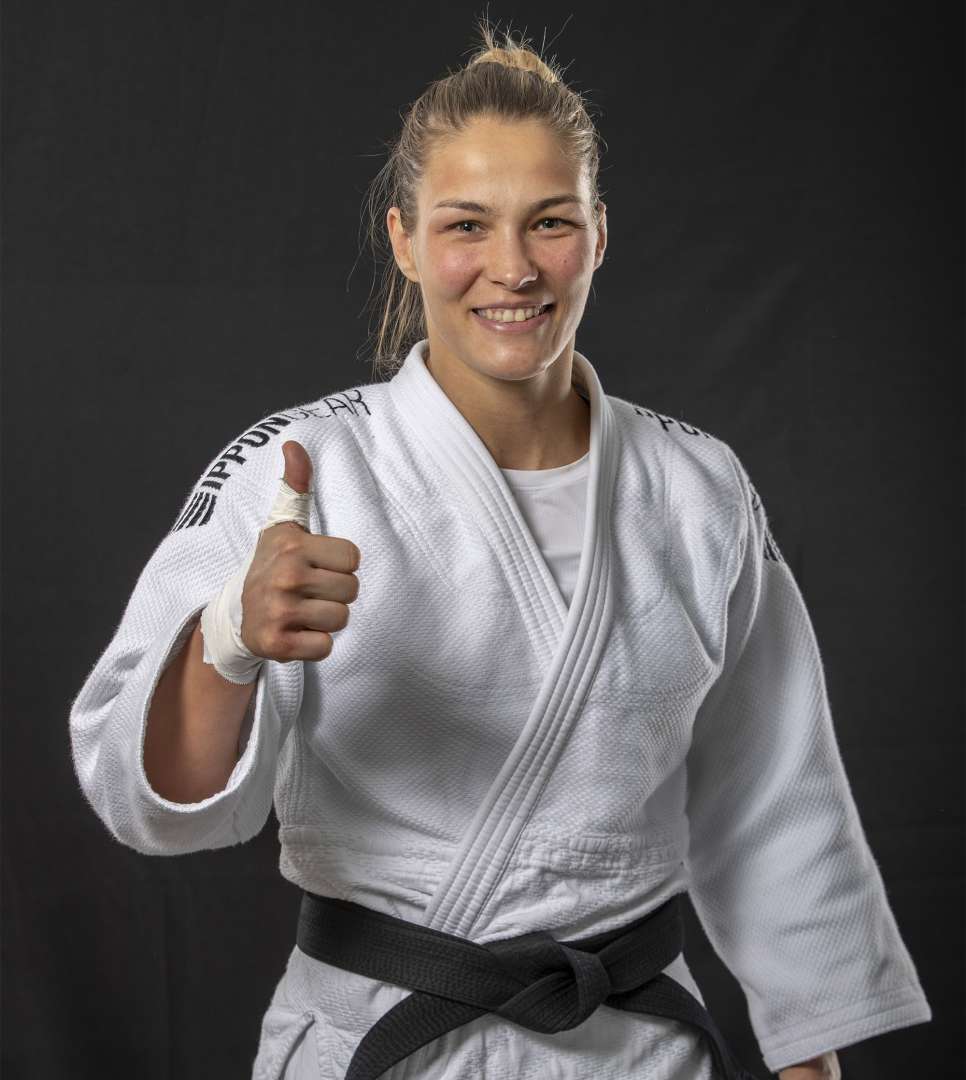
Hedvig Karakas became another leading figure of Hungarian women’s judo, claiming world bronze in 2009 before winning the European title in 2020. Today, she serves on the IJF Executive Committee. Krisztián Tóth’s Olympic bronze in Tokyo in 2021 added another chapter. In 2025, Róza Gyertyás won world bronze at -52 kg in Budapest, demonstrating that Hungary remains capable of producing judo athletes at the highest level.
“I think there are two types of athletes when they compete at home: those who enjoy the pressure and those who do not,” said Karakas. “Most Hungarian athletes enjoy it. I was always a little stressed but I learned how to transform that stress into fire on the tatami. It was always an advantage. For everyone interested in judo, coming to an event like this is important because they can see the goal they want to reach and get close to their idols. I am happy that I had the opportunity to compete at home at European and world championships, grand prix and grand slam events. When you win a medal, it is even better.”
This legacy is not simply measured in medals. Young judoka see the world’s best at home and understand that success is within reach. Budapest, a regular World Judo Tour stage, makes the link between generations tangible.
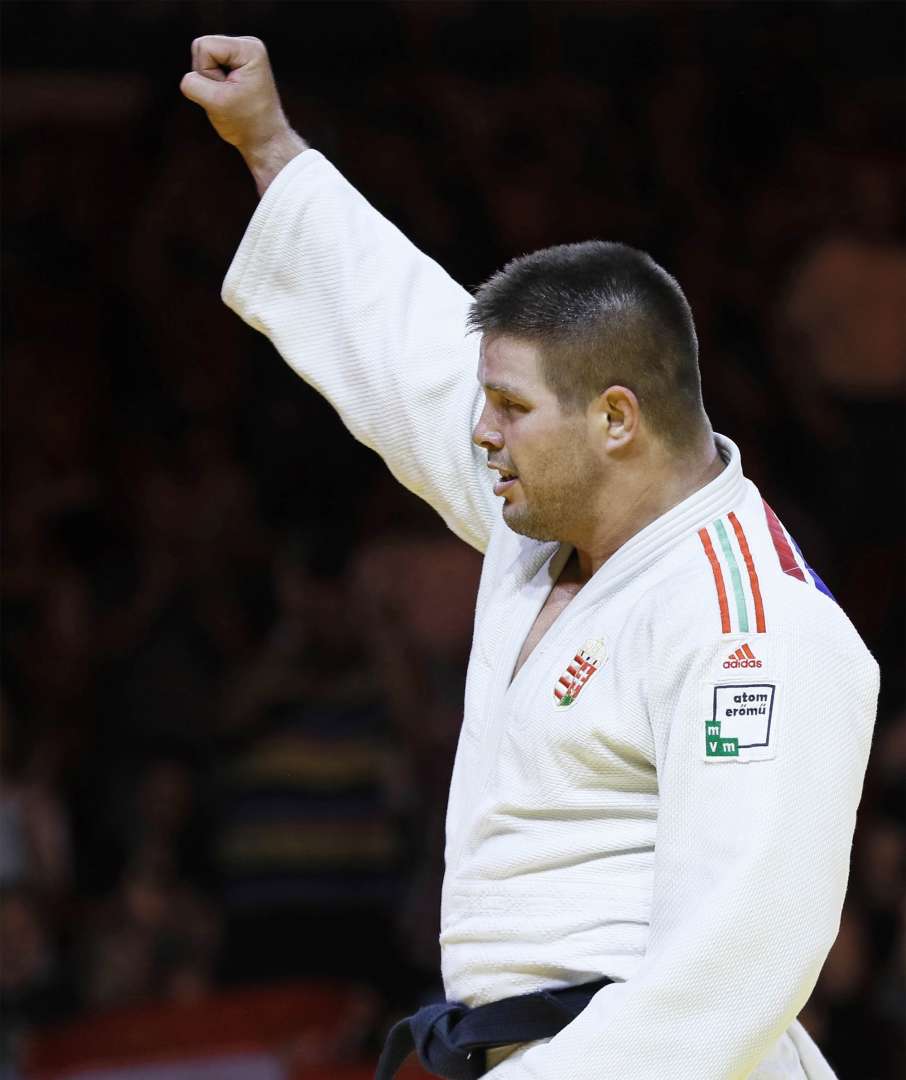
A three-time Olympian, Barna Bor won world and European silver medals and placed fifth at the 2017 World Championships in Budapest. Now Hungarian national team head coach, he brings elite experience and knowledge of the country’s judo landscape. “Personally, I always loved to compete in front of the home crowd; it gave me additional energy,” said Bor. “From what I can see in the current squad, they also handle the local spectators very well and do not feel too pressured. The organisation in Budapest is always perfect and that is also the feedback from other national coaches. To have an IJF event at home every year will always be crucial for the next generation to evolve, gather experience and show their skills.”
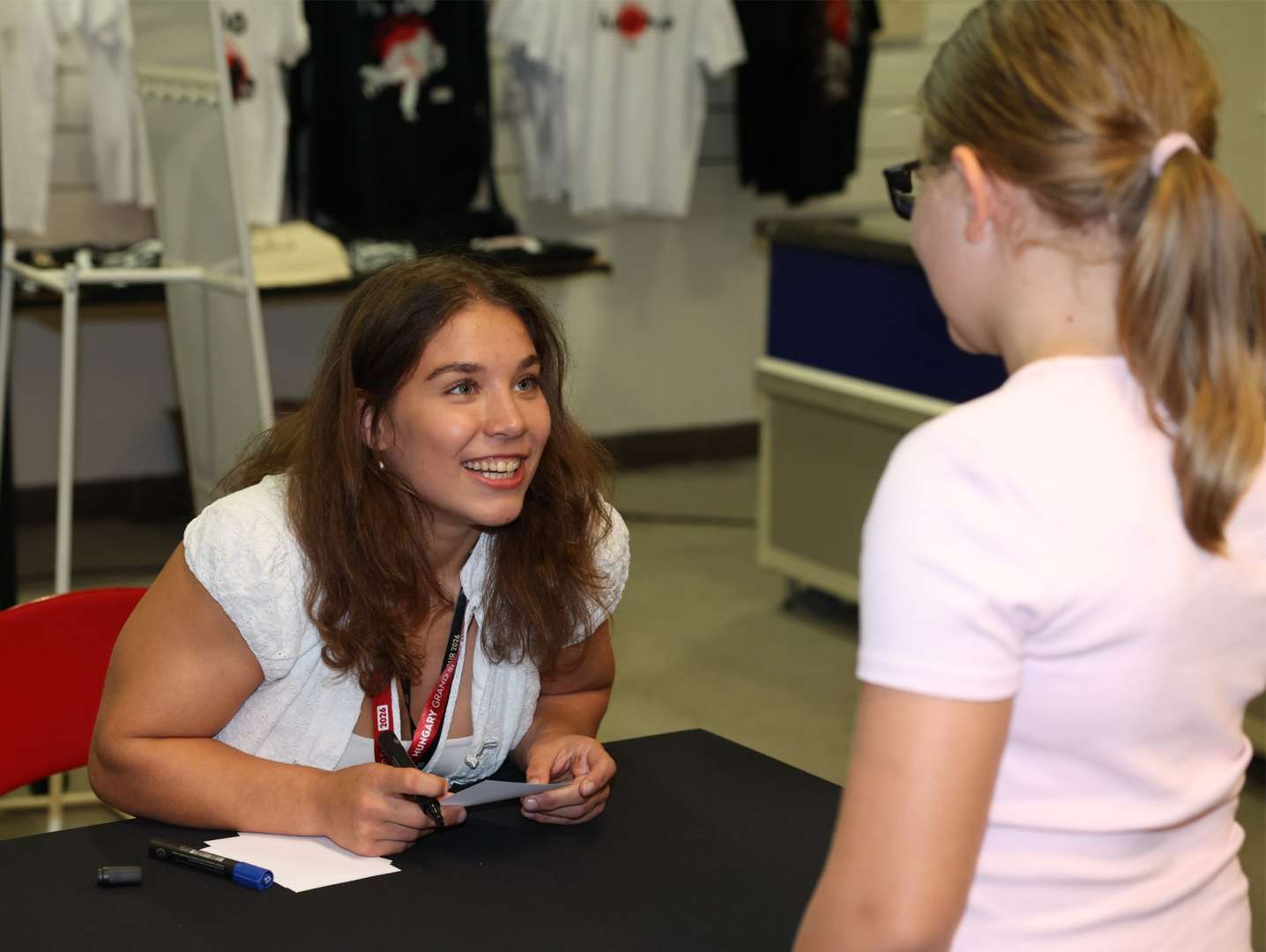
Szofi Ozbas, a prominent Hungarian athlete, experienced this year’s event from the stands as she prepared to return to competition. “I still remember how much it meant to have the amazing Hungarian fans with me at the 2021 World Championships, where I qualified for the Tokyo Olympic Games,” she said. “It is very encouraging to see and welcome so many young fans who came to support us. The Budapest event has now become a tradition in judo and many judoka love it.”
Bence Pongrácz claimed European bronze in Zagreb in 2024, represented Hungary at the Paris Olympic Games and finished seventh at the Hungary Grand Slam 2026. “I remember what it meant to see the best judoka here in 2014 when I was very young. It became my favourite moment at our home events. I really enjoy competing in front of my family and friends, and I believe that, on day one, the atmosphere helped my compatriots reach the final block.”
Benedek Tóth reached the final of the Prague European Open in 2025 and the round of 16 in Budapest, where Tajikistan’s Abubakr Boqiev eliminated him. “Competing in front of my loved ones is always a great experience for me and it will motivate me to work hard in preparation for the upcoming Zagreb Grand Prix.”
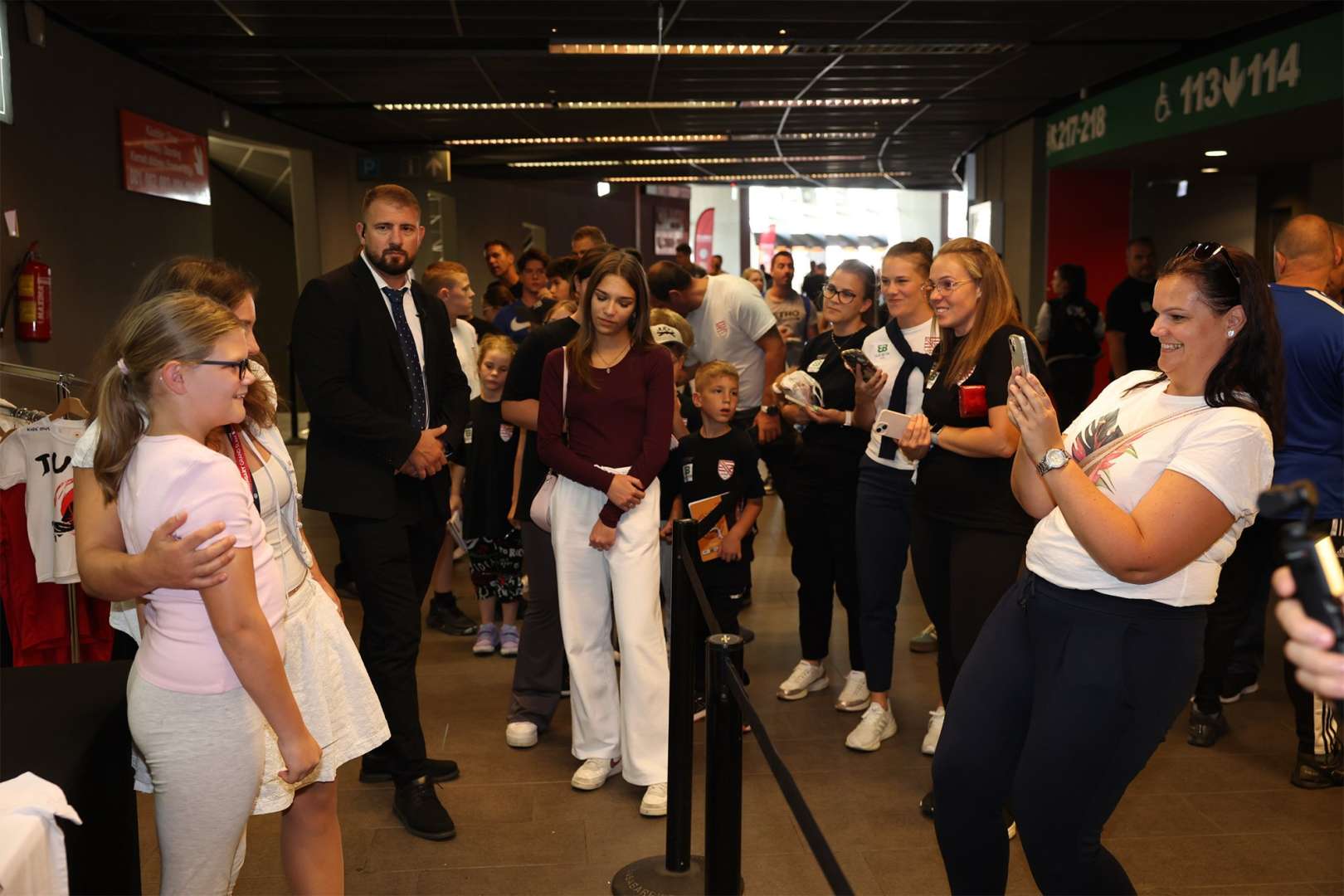
Áron Gábor, 22, represents the emerging generation. The -73 kg judoka won the Sarajevo Senior European Cup and Ljubljana European Open in 2026 before placing fifth at the Ecole Mont-Olivet Lausanne Grand Slam. Another young team member is Brigitta Varga, who competes at -63 kg. She reached the final of the 2025 Ljubljana European Open and placed fifth at the Prague European Open in 2026. “I no longer get hung up on the draw before competitions because, regardless of where someone stands in the world rankings, you have to prepare for everyone and give your best, especially on home soil,” she said. “Competing in front of the home crowd, my friends and my family is always a fantastic experience.”
From Olympic champions to young athletes taking their first decisive steps on the World Judo Tour, Hungarian judo reveals exceptional depth across several generations. The names change, the ambitions remain and, in Budapest, the past helps shape what comes next.