

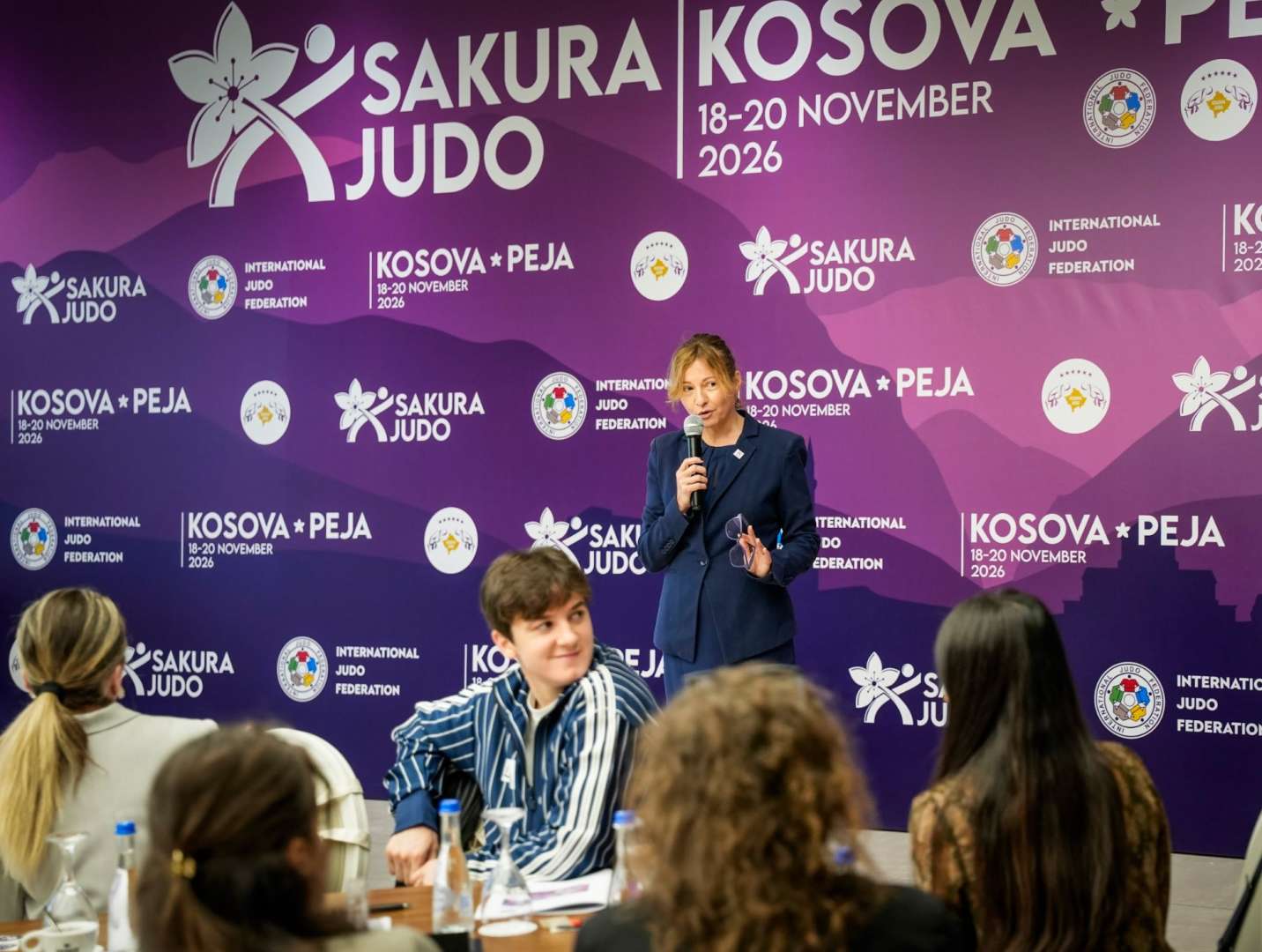
For Larisa Kiss, IJF Director for Olympic Games and the Olympic Movement for Judo, standing behind the idea of Sakura Judo, the answer begins with making room for another chapter. “We want women to understand that their judo journey does not end when their competitive career ends,” she told participants. “The tatami may simply change.”
In Kosovo, those words carry particular meaning. Women have written some of the most celebrated chapters of the country’s sporting history. Their achievements have given young girls people to look up to, names to remember and ambitions they can picture for themselves. Sakura Judo invites that same imagination to reach further, into coaching, refereeing, education, administration and the decisions that shape sport.
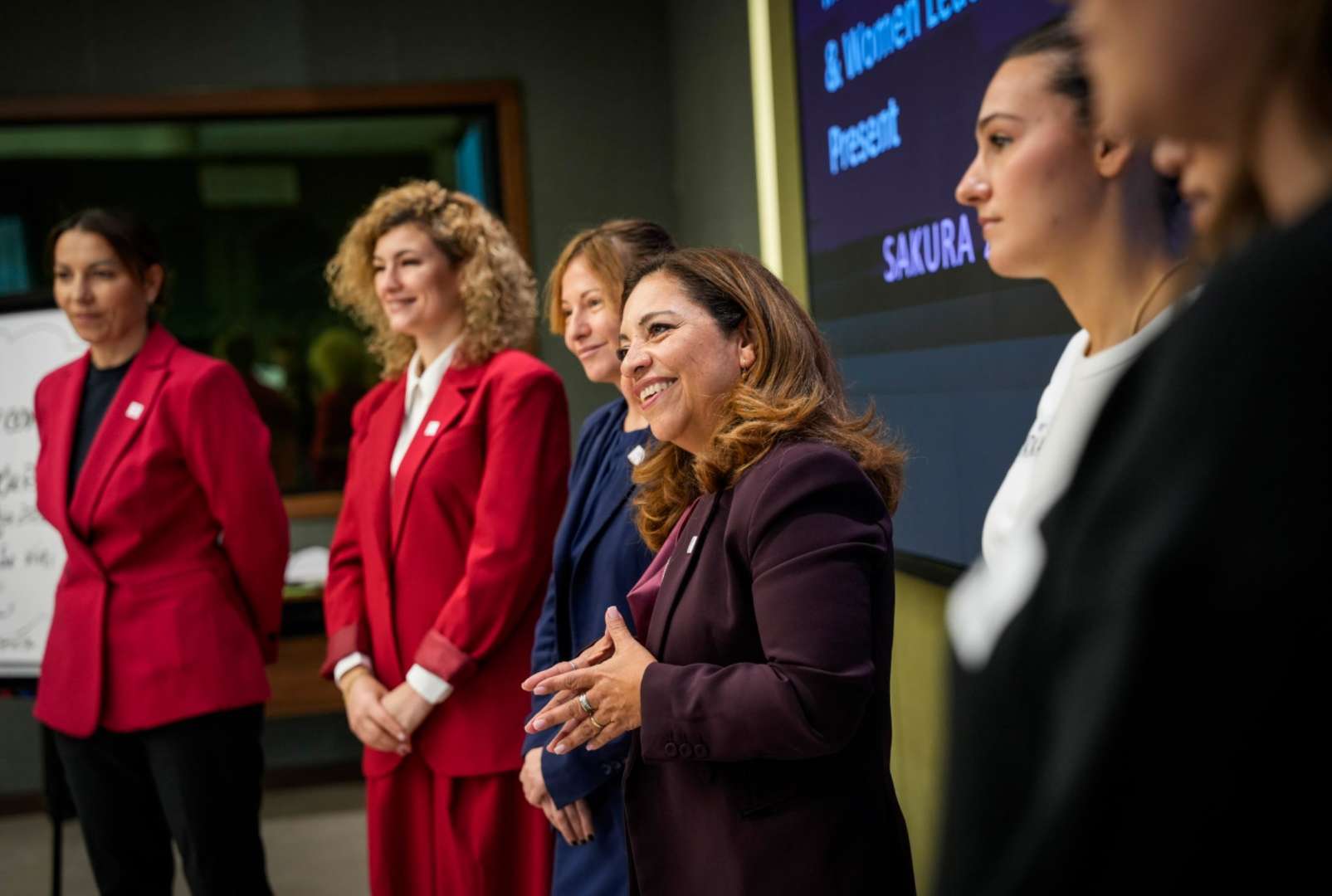
Opening the programme, Larisa Kiss spoke about the journey that brought her there. She began her IJF career as a secretary, taking on successive responsibilities before her recent appointment as Technical Delegate for the Los Angeles 2028 Olympic Games, becoming the first woman to hold that position in judo. The progression sounds orderly when compressed into a few lines. Living it, she acknowledged, had been less straightforward.
“Over time, I learned to build my place in a predominantly male environment, to speak up, prove myself, set boundaries and sometimes be the only woman in the room without allowing that to make me feel smaller.”
She paid tribute to IJF President Marius Vizer for entrusting her with opportunities and responsibilities and to the women she had encountered throughout her judo life. Athletes, coaches, referees and colleagues had shown her the many ways strength could be expressed, through firmness, compassion, visibility or patient work behind the scenes. Sakura Judo grew from her wish to put those experiences at the service of others.
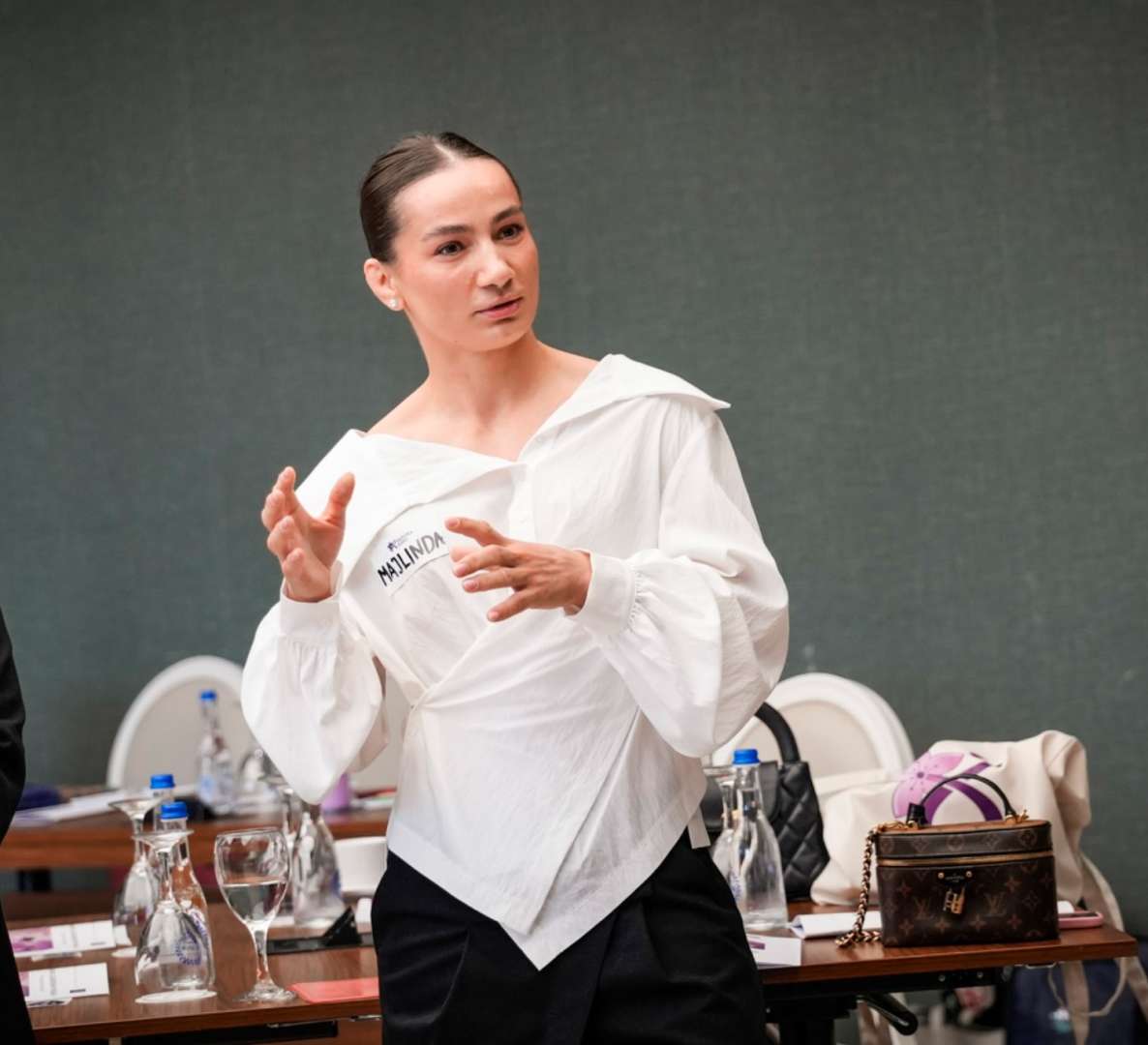
Her connection to Kosovo made the opening especially personal. Growing up in Romania, she remembered the fear caused by the war in the region during the 1990s. Years later, through judo, she witnessed a small sporting community build an extraordinary international story. She recalled watching Majlinda Kelmendi develop from a young junior world champion into a world and Olympic champion. Today, she finds equal inspiration in Majlinda Kelmendi’s willingness to keep learning as a coach, mentor and leader. “For me, Majlinda represents exactly what Sakura Judo is about, understanding that one successful chapter does not have to define the rest of our story.”

Larisa Kiss also recognised the contribution of Driton Kuka to the success of Kosovo’s women. His work illustrated the responsibility shared by everyone who identifies talent, believes in it and gives it space to develop. That support can influence the course of a career long before an athlete reaches a podium. The same principle runs through Sakura Judo. Someone offers an opportunity. Someone else begins to believe she can take it.
Helping participants make that step is the work of Gabriela Muller, the programme’s leadership expert. A leadership and communication trainer, certified professional coach and founder of Women Lead Sports, she brings experience in helping women develop their confidence and capacity to lead within sport. For Gabriela Muller, the connection between judo and leadership is immediate. The discipline, awareness and ability to respond to a challenge that matter on the tatami also have a place in a meeting, a team or an organisation. Her work asks participants to recognise those abilities in themselves and decide how to use them.
The process follows three pillars. First comes awareness, an honest understanding of their strengths and experience. Then comes the courage to pursue ambitious goals. Finally, those intentions become an action plan, with steps to take over the next 30, 60 or 90 days. That practical dimension gives the programme a life beyond the gathering itself. A participant can leave with a conversation to initiate, a responsibility to pursue or a change to introduce within her team. The next step becomes something she can name and begin.
Gabriela Muller’s message also asks women to give proper weight to what they have already overcome. Past challenges hold evidence of judgement, intelligence and resilience, even when the person who faced them struggles to recognise those qualities in herself. “It’s usually not the big things, it’s the small things, what I call the five-second decisions,” she explained. “Go for your boldest goals and don’t overthink. You are ready to go.”
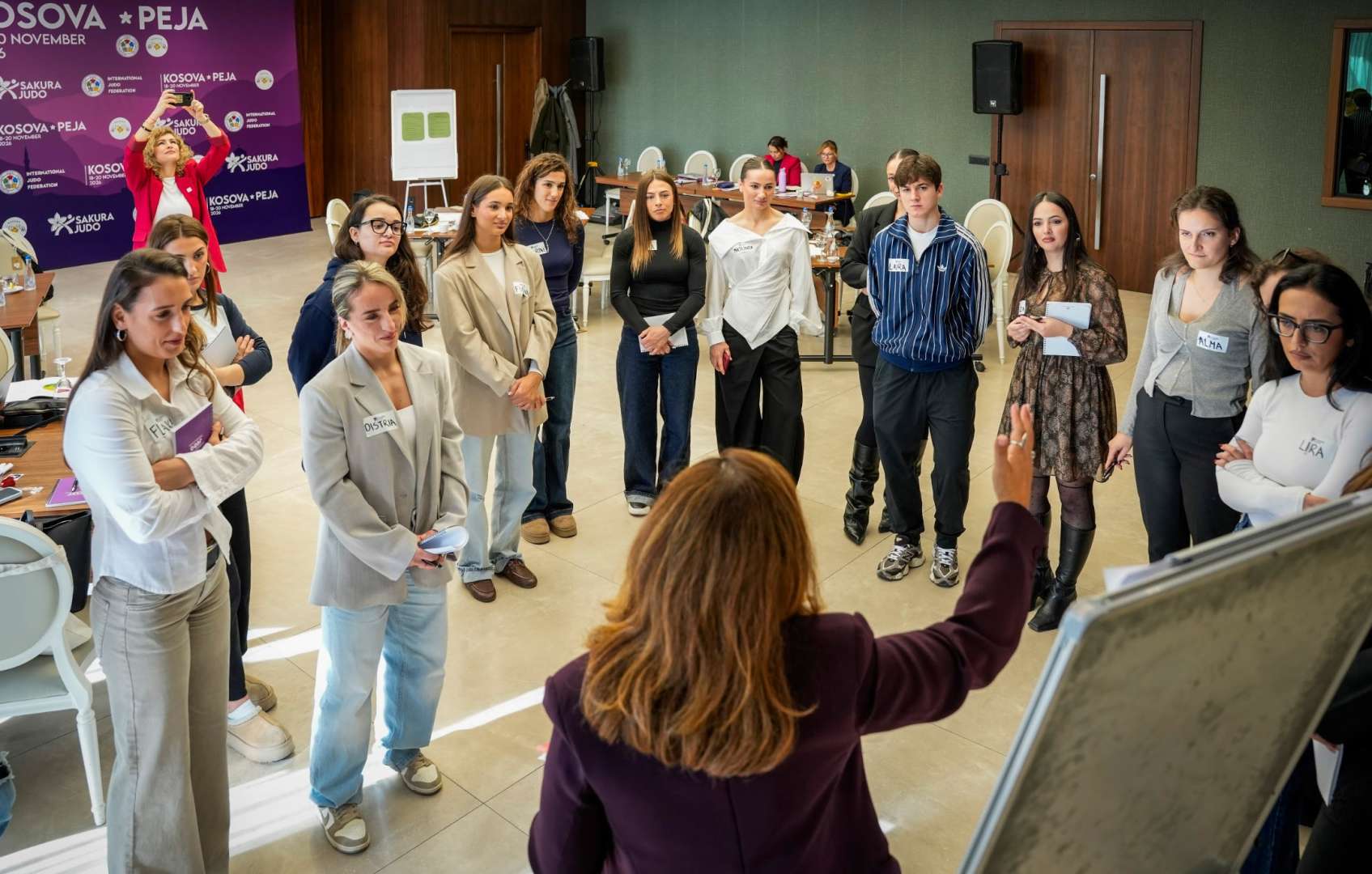
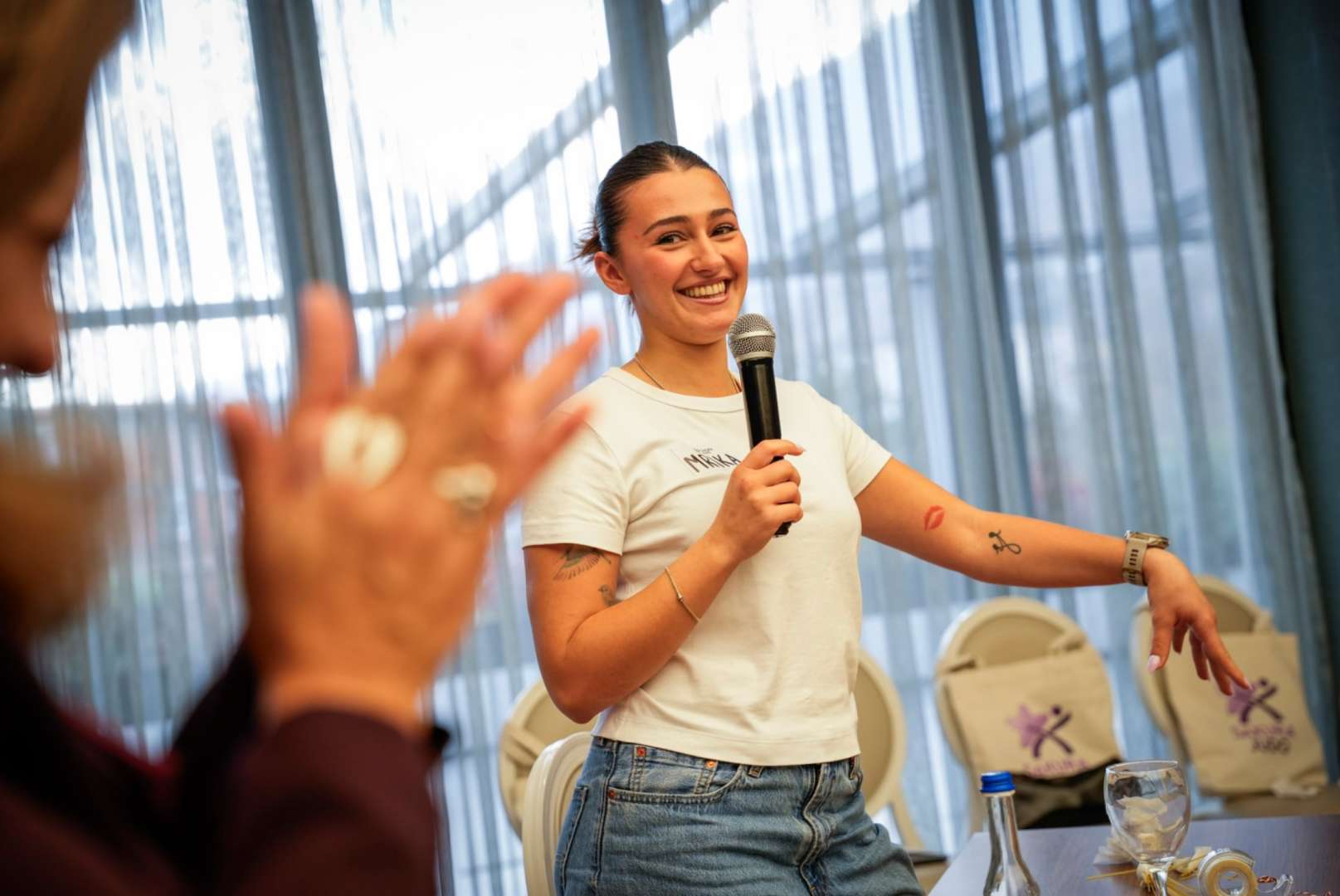
Among the women exploring that message was Kosovan mountaineer Mrika Nikҫi. In 2019, aged 17, she became the youngest woman at the time to complete the Seven Summits, climbing the highest peak on each continent. It was an achievement demanding exceptional endurance and determination, completed alongside her father.
She arrived at Sakura Judo with the curiosity of someone who still has much she wants to discover. “The idea of expanding my knowledge in leadership is what made me join the programme,” she explained. Her presence demonstrated the reach of an initiative rooted in judo and open to women whose experiences come from other sports. Each brings knowledge that can help someone else see a challenge differently. Each also has the opportunity to become a learner again.
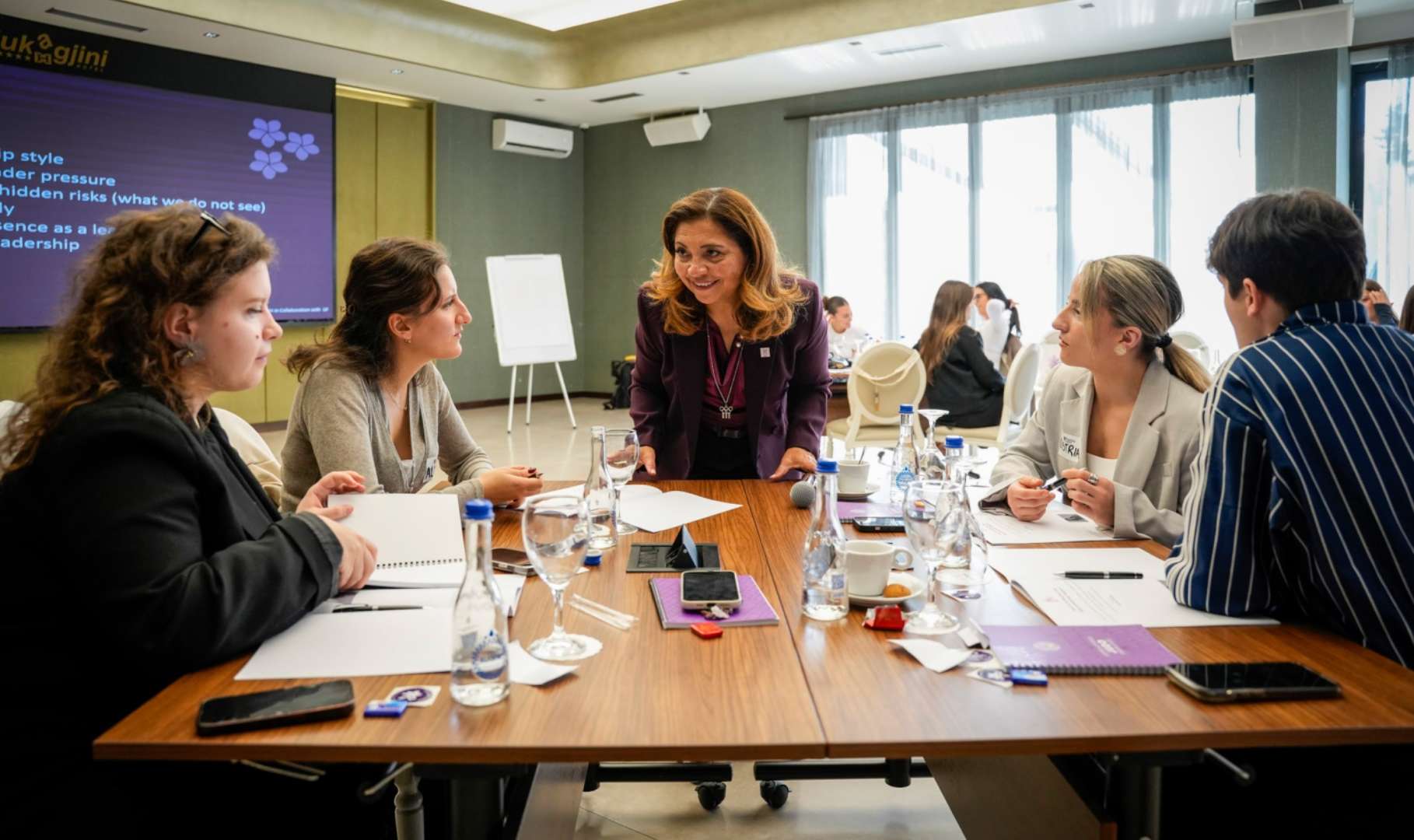
For Mrika Nikҫi, the welcome was felt from the moment she entered the room. “I felt good when I first stepped into the space because of the energy and all the girls who were present.” Asked what would stay with her, she returned to that feeling of connection, to the positive energy of the participants and the discoveries she had made about others and herself. Even with seven continental summits behind her, there was value in entering an unfamiliar setting and listening. Her encouragement to anyone hesitating to try carried the simplicity of lived experience. “Just give it a chance, because if you travel up a mountain once, you want to go back again.”
At the beginning of her opening address, Larisa Kiss had reflected on preparing a new speech for Kosovo. She realised that some of what she wanted to say would travel with Sakura Judo wherever it went. For her, that continuity was a source of happiness. The programme was becoming a journey, a series and, she hoped, a community.
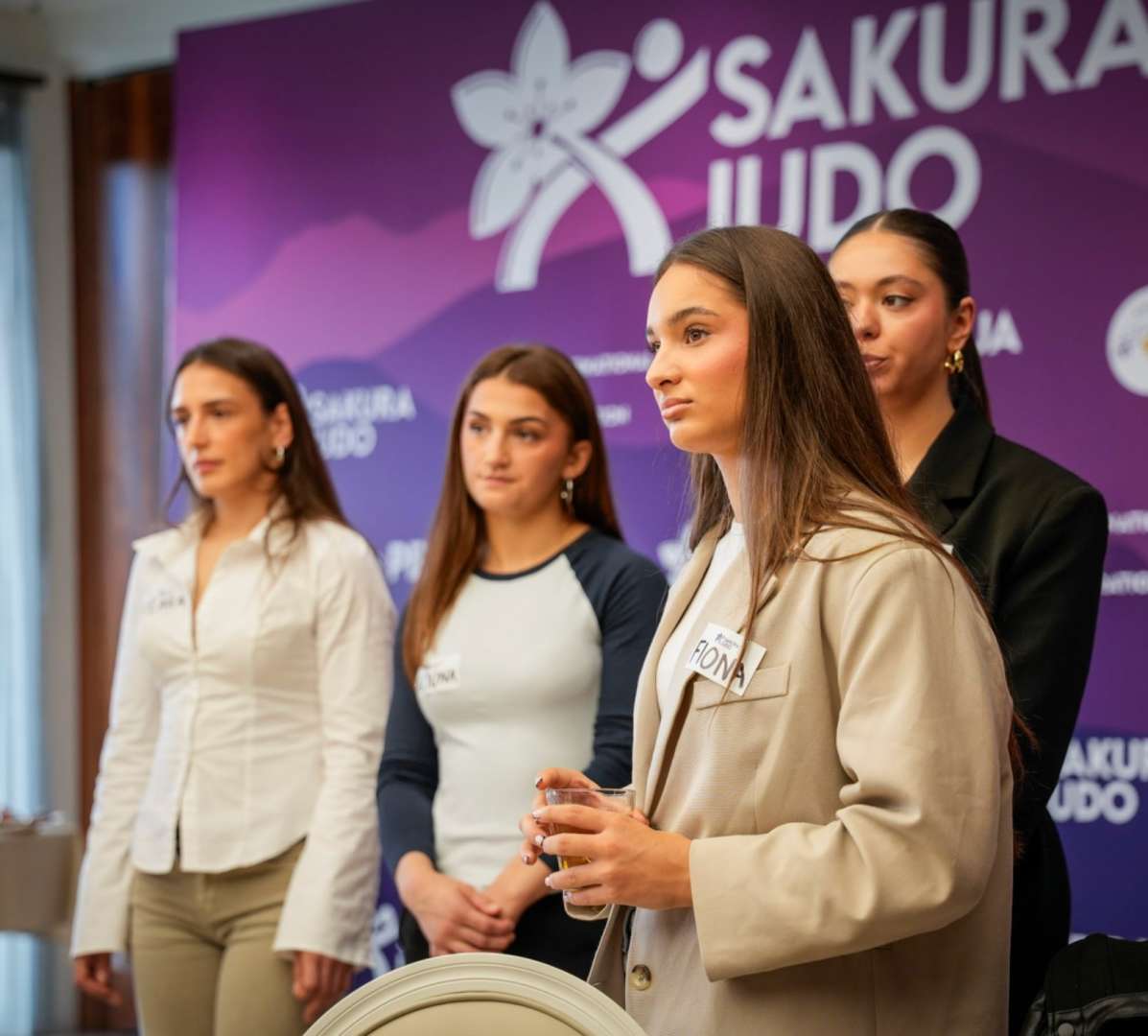
On this first day, that community began with women bringing their experiences into the same room and considering what they could do next. Some might recognise a strength they had underestimated. Others might find a person whose encouragement would help them act.
Larisa Kiss left them with an invitation that allowed space for each of those possibilities. “The goal is for every woman to recognise the strength of her own way and to have the confidence to use it.”
Photo © Agon Dana, Kosova Judo Federation