
Kime-no-kata takes us into the martial history deeply, from which judo emerged. It also helps explain Jigoro Kano Shihan’s approach. Before founding judo in 1882, and throughout his life afterwards, Kano continued to study the martial arts of his time. He selected, adapted and organised what he considered appropriate to contribute to the development of judo.
The history of this emblematic kata has two stages. Around 1888, Kano developed an initial Shobu-no-kata, the ‘form of combat,’ comprising ten techniques. After further study of jujutsu and the development of his own ideas, he presented a twenty-technique draft in 1906. That form became the Kime-no-kata practised today.
This history shows why kata should not be seen as fixed remnants of the past. They belong to a continuous process of learning, refinement and development. Kano did not create judo once and for all. He intended it to evolve, to be strengthened over time by the contributions he considered both justified and valuable.
Kime-no-kata is organised in two distinct sections:
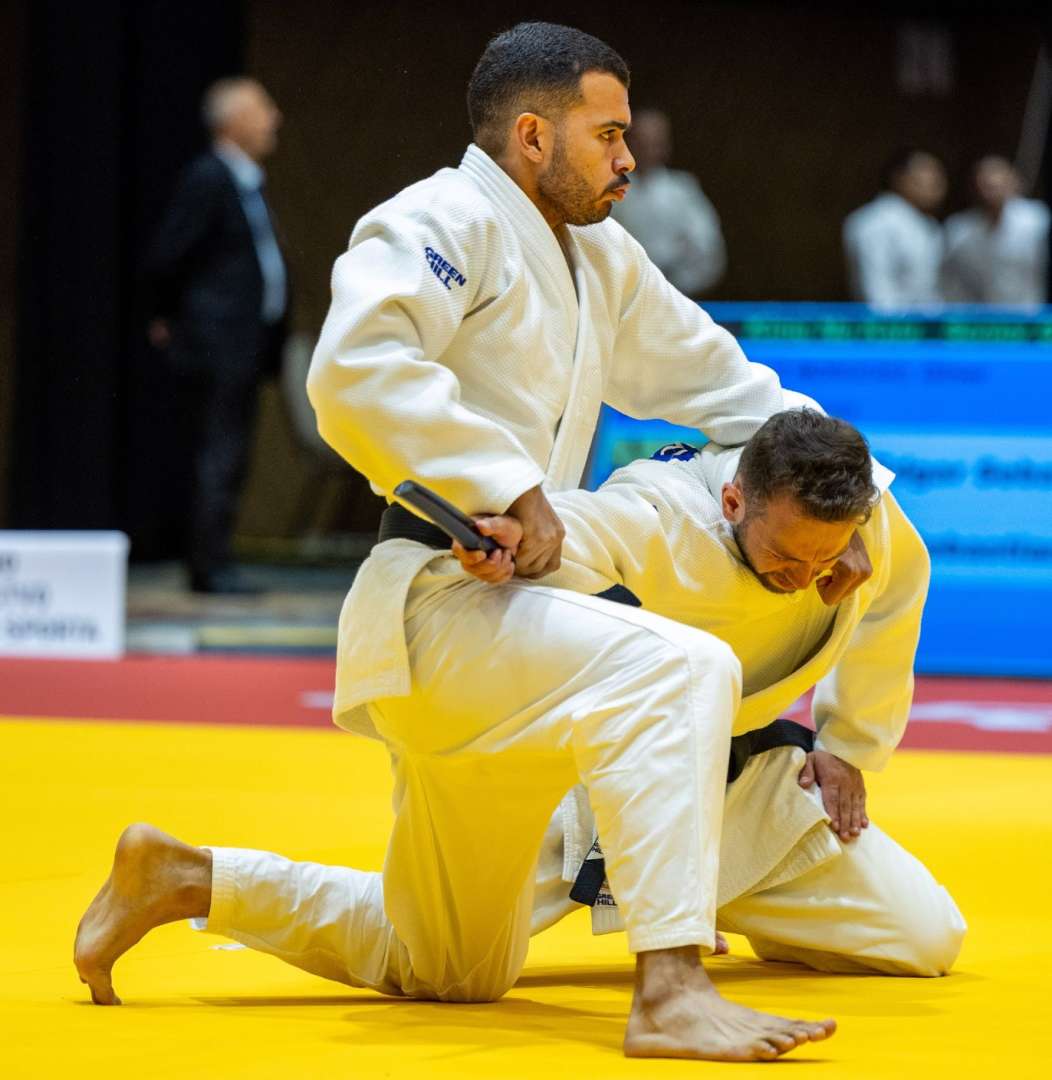
- Idori — 8 techniques - Kneeling: Ryote-dori, tsukkake, suri-age, yoko-uchi, ushiro-dori, tsukkomi, kiri-komi, yoko-tsuki
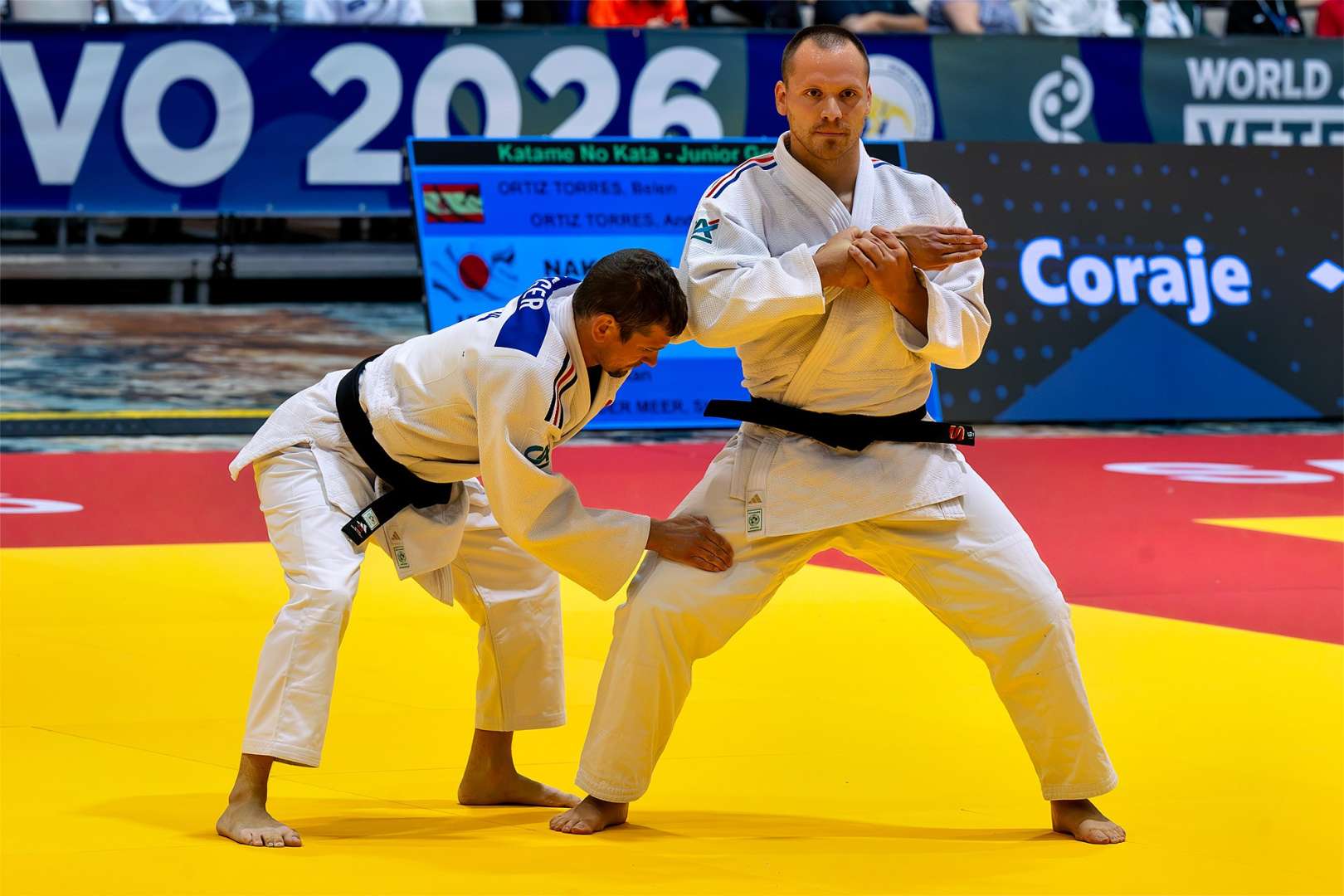
- Tachiai — 12 techniques - Standing: Ryote-dori, sode-tori, tsukkake, tsuki-age, suri-age, yoko-uchi, ke-age, ushiro-dori, tsukkomi, kiri-komi, nuki-gake, kiri-oroshi
The kata includes unarmed attacks, grips, strikes and kicks, as well as attacks involving a dagger or sword. It belongs to the Japanese tradition of self-defence but should not be confused with Kodokan Goshin-jutsu, which was created much later to address situations of modern personal defence.
The purpose of Kime-no-kata is not to provide an exhaustive set of responses to be reproduced mechanically. It looks at appropriate attitudes in the face of a threat: distance, the moment of decision, initiative, vigilance and control of the action. Force is never the only criterion. The objective is to act correctly, without unnecessary hesitation and without unnecessary violence.
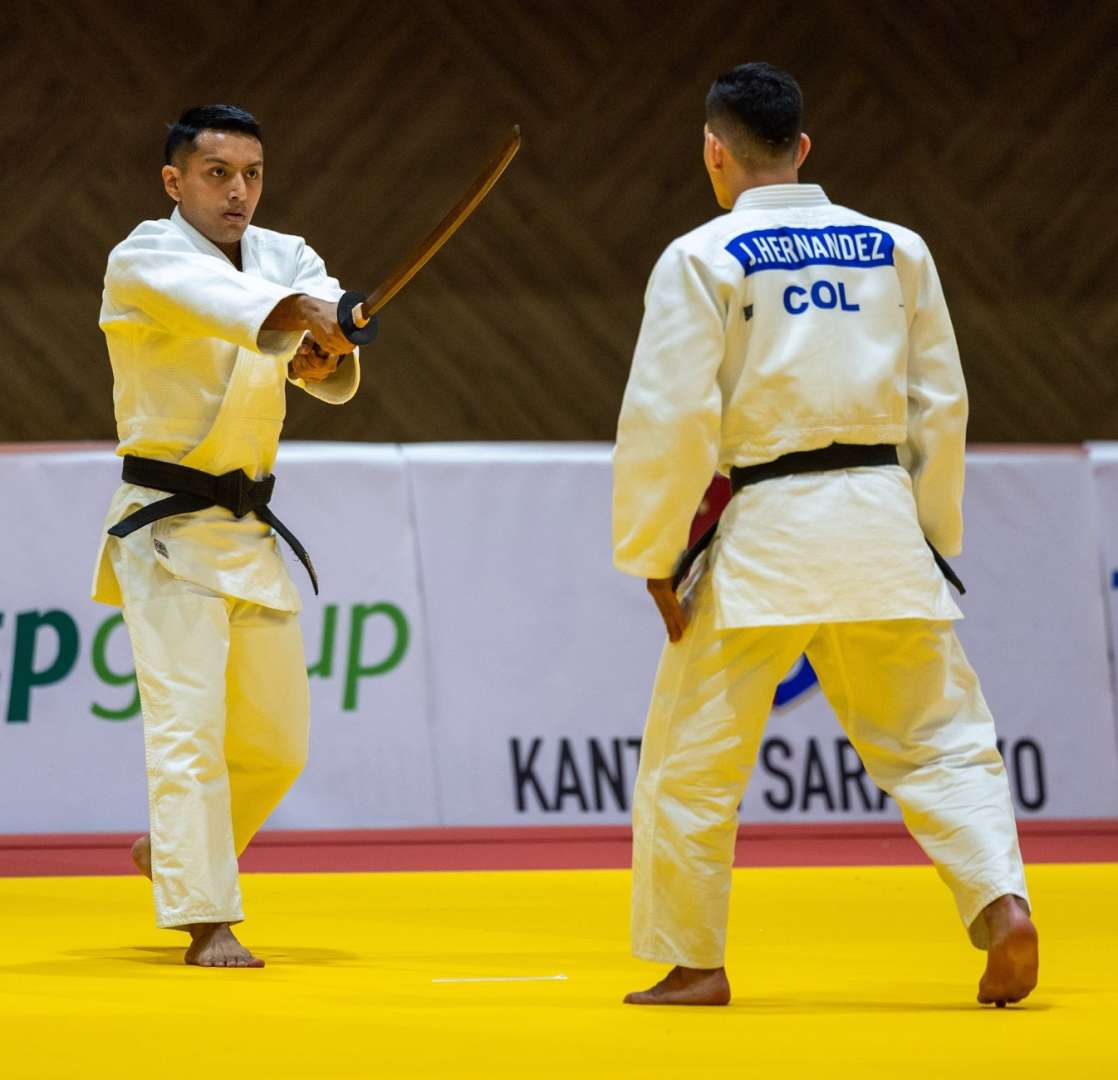
This is the kata in which judo most clearly preserves the memory of its martial roots, while placing them within a safe, codified method of study shared by tori and uke. It reminds us that decisive action is not blind force. It is the ability to read a situation, make the right decision and carry it through with control.