

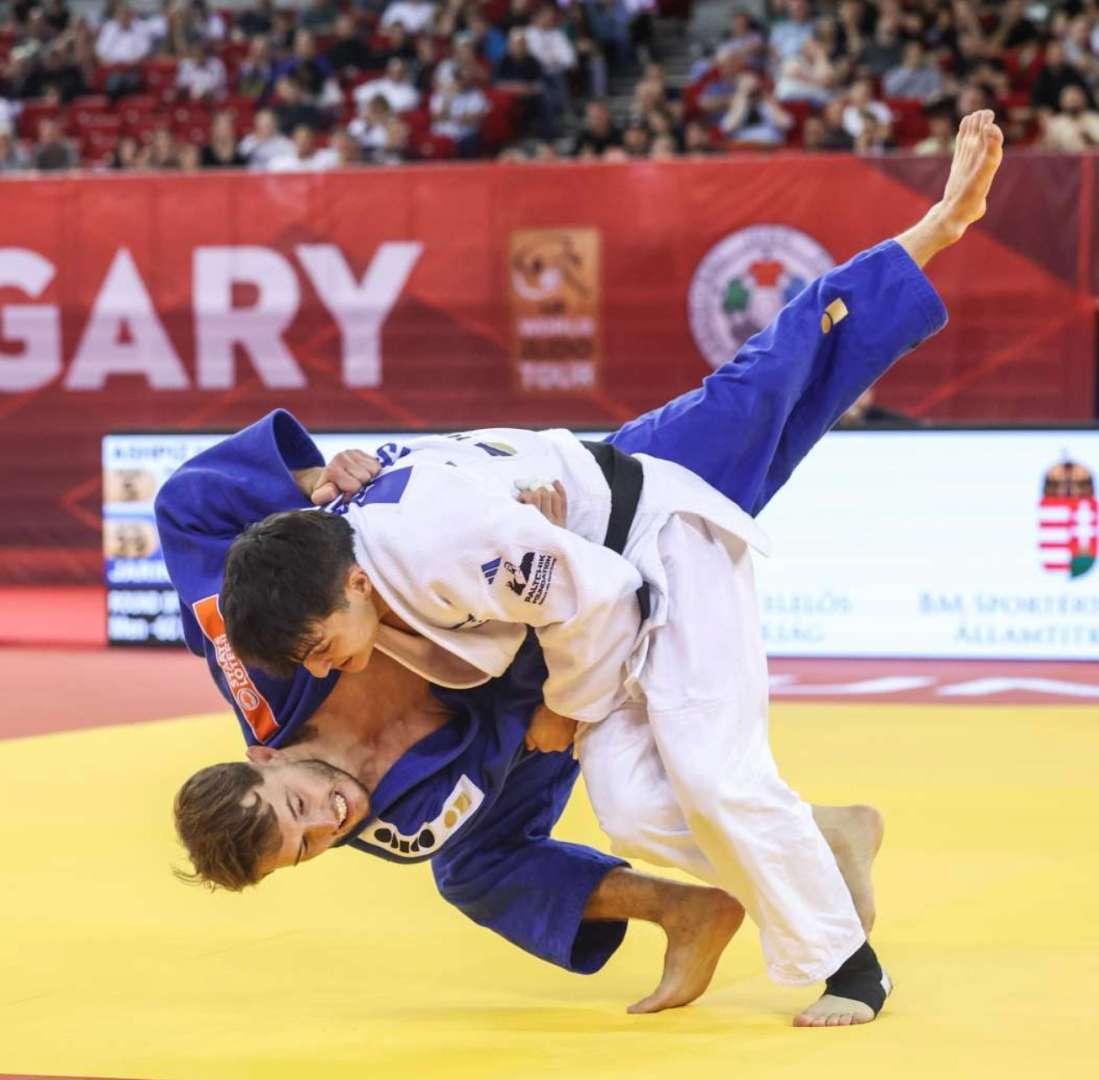
For those discovering judo for the first time, it is often the impact that leaves the strongest impression. How can they not be hurt? How can anyone stand up after a fall of such magnitude? Yet, seconds later, the judoka rises, returns to their place, bows and congratulates the opponent who, in that very moment, is no longer an opponent at all. There may be a handshake, an embrace or a few words exchanged before each athlete leaves the tatami.
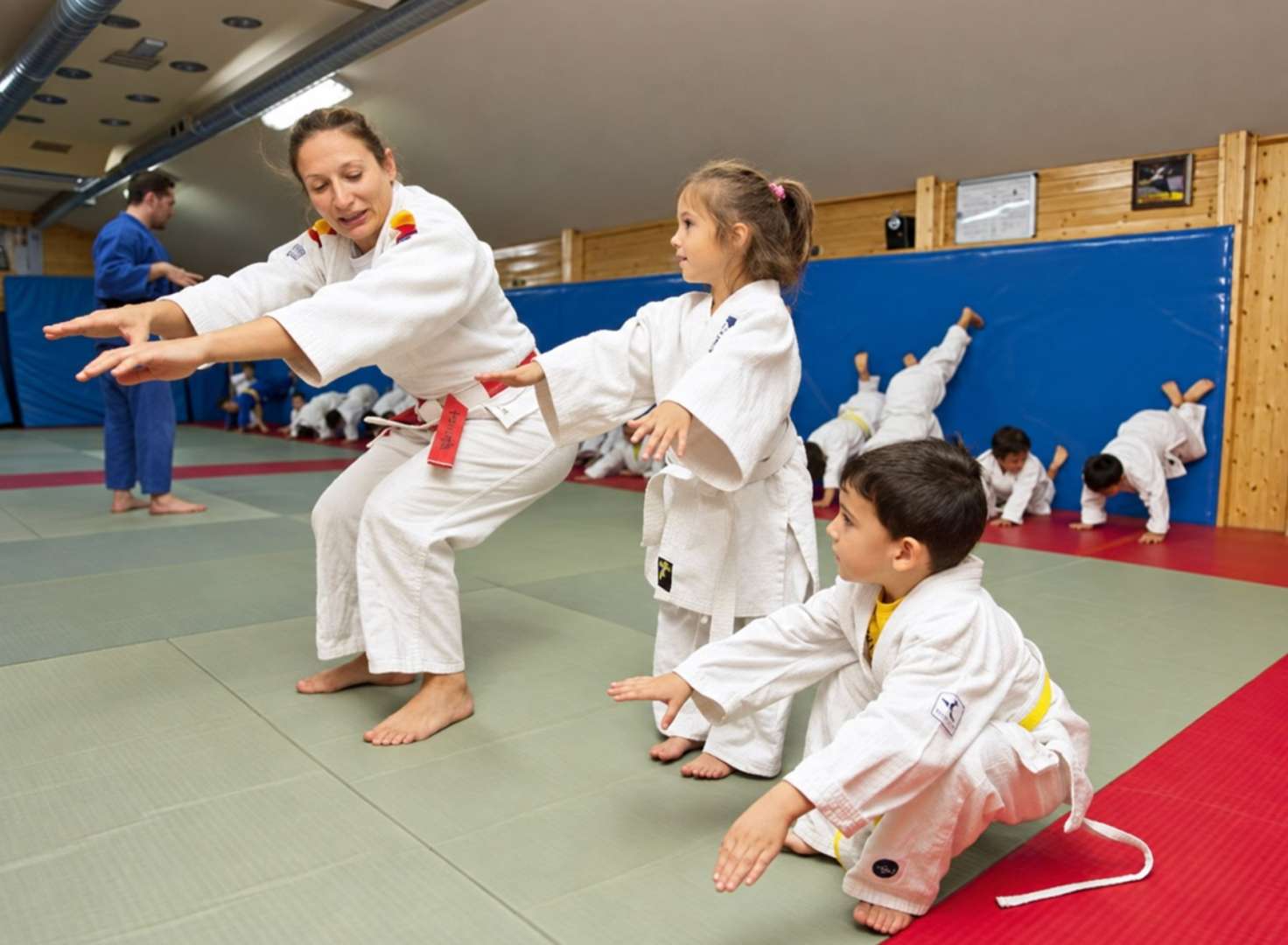
Behind this apparent ease lie countless hours of training and, very often, the first days spent in a dojo as a young child. It is there that one of judo’s most essential lessons begins: before learning how to throw, one learns how to fall.
This may sound simple, even obvious, but it lies at the very heart of judo. In every dojo, whether it is a major club in a large city or a small association in the countryside, beginners are taught ukemi, the art of falling safely. They learn to protect the head, to spread the impact, to use the body correctly and to regain their feet with confidence. It is a skill developed patiently, progressively and under the supervision of qualified teachers.
The values of judo are inseparable from this learning process but there is also a crucial physical reality. Safe practice begins with knowing how to receive a technique. Before a judoka can throw another person, they must understand how to be thrown. This mutual responsibility is built into every training session. Partners help one another to improve, to develop confidence and to practise in conditions designed to protect both of them.

The champions seen on the World Judo Tour have repeated these movements thousands of times. Their technique, physical preparation and experience allow them to respond instinctively, even in the speed and intensity of elite competition. When they fall, they know how to absorb the impact. When they rise, they do so not only because their bodies have been trained to respond, but because judo has taught them that a fall is never the end of the story.
This is where the practical and philosophical dimensions of judo meet. On the tatami, a judoka may be thrown, lose balance or face a difficult moment. The response is always the same: stand up, bow and continue. Beyond the tatami, the same lesson retains its meaning. There will be setbacks, disappointments and moments when life seems to have taken us off our feet. Judo teaches that it is always possible to rise again and move forward.
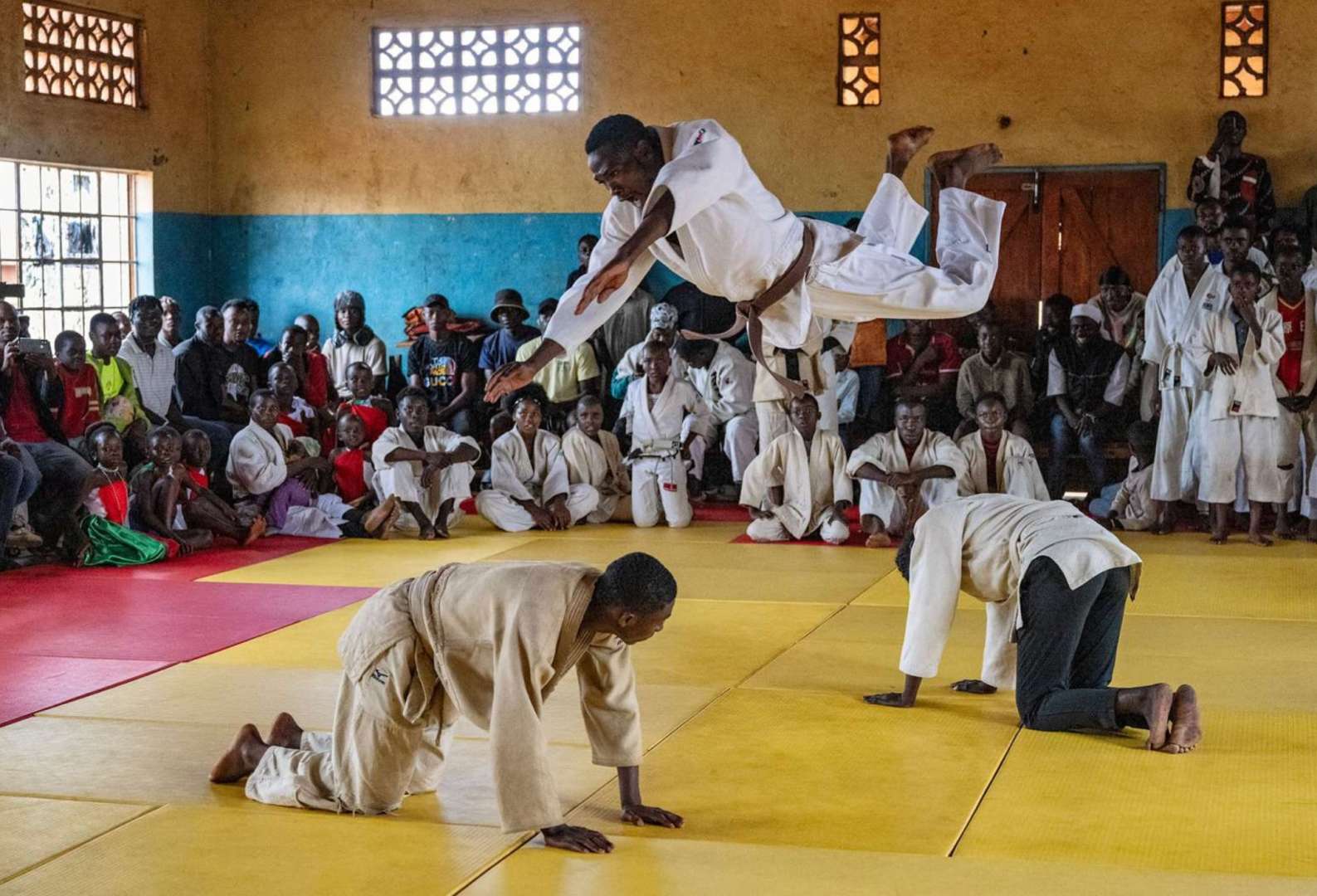
So, for those watching a spectacular throw and wondering how the athletes can possibly get up, look closely. You will discover one of judo’s great secrets: the ability to fall is learned over time but the strength to rise is shared without reservation.
The athletes of the World Judo Tour are artists who have brought this art to its highest level. Yet the lesson belongs to everyone. At any age, anyone who enters a judo club can begin to learn this art of life: how to fall, how to protect oneself and, above all, how to rise again.