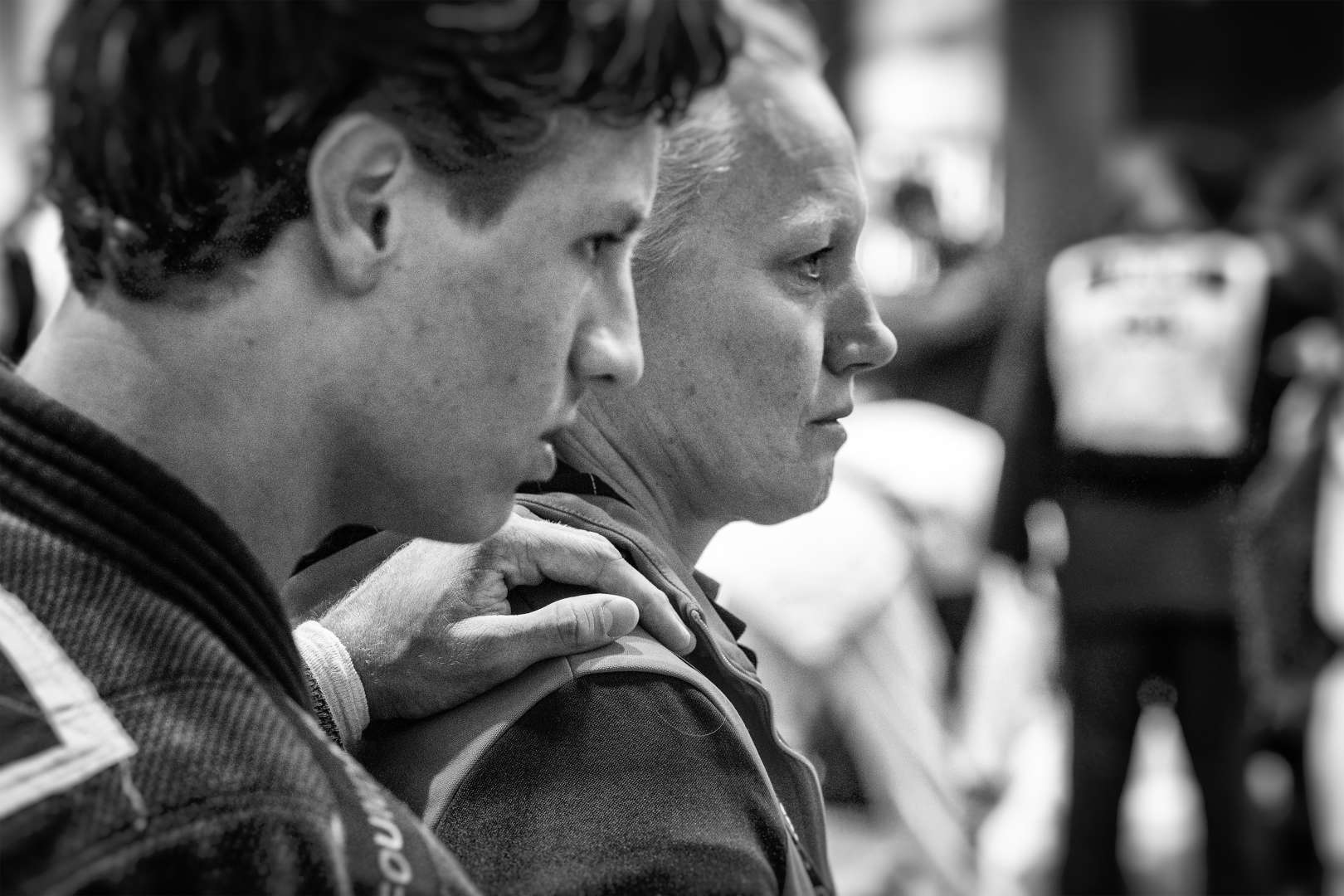

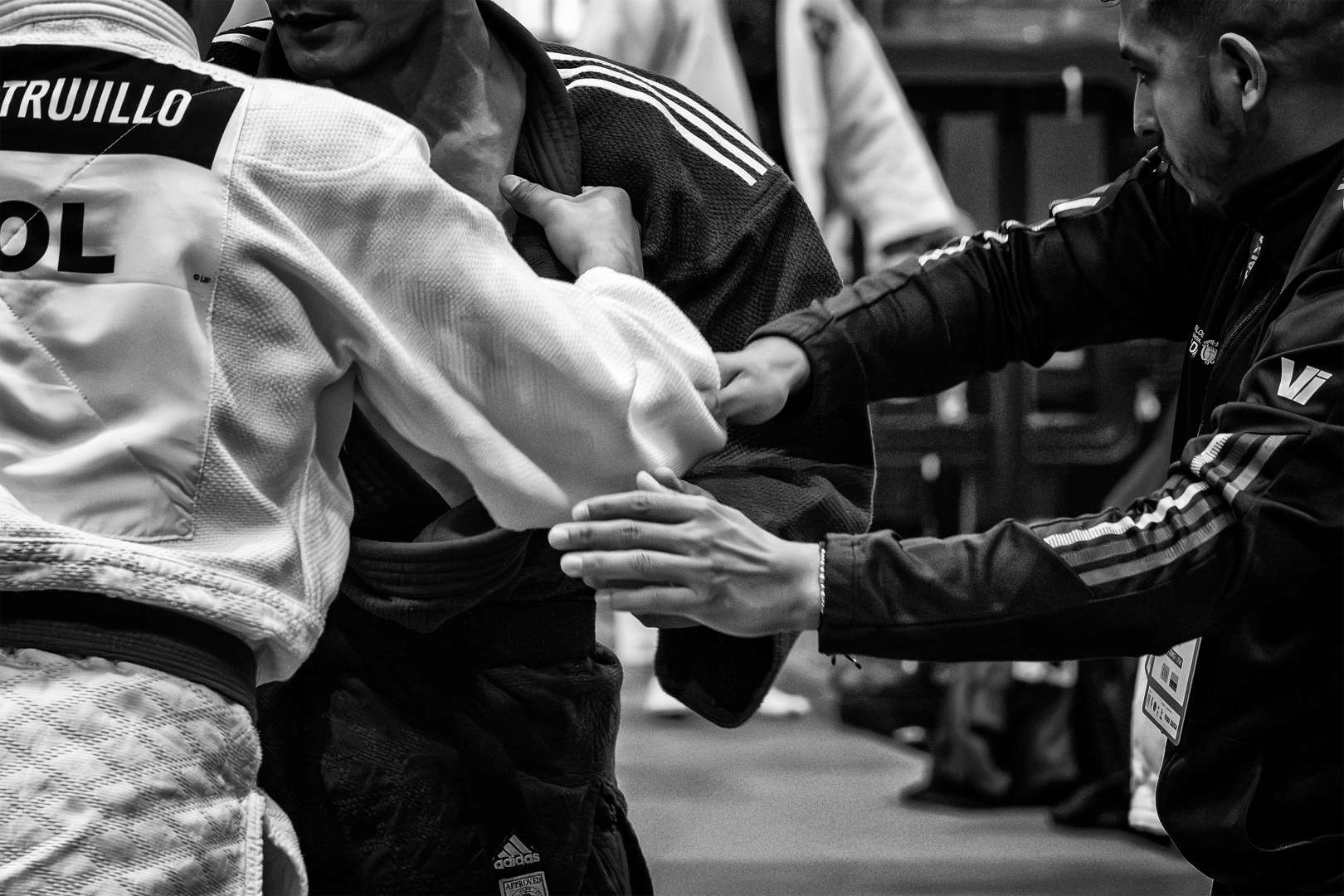
Hands grasp, seize, pull and push. They establish contact and create opportunity. Yet to see them only as instruments of action would be to miss their true role. They are equally instruments of perception.
Judo is often described as a sport of feeling. Elite judoka do not simply see an opening, they sense it. Through thousands of hours of practice, they develop extraordinary proprioception, the body's remarkable ability to perceive movement, position and force without conscious thought. Tiny receptors embedded within muscles, tendons and joints provide information constantly that allows the body to move with astonishing precision. It is this invisible dialogue that enables a judoka to anticipate rather than react.
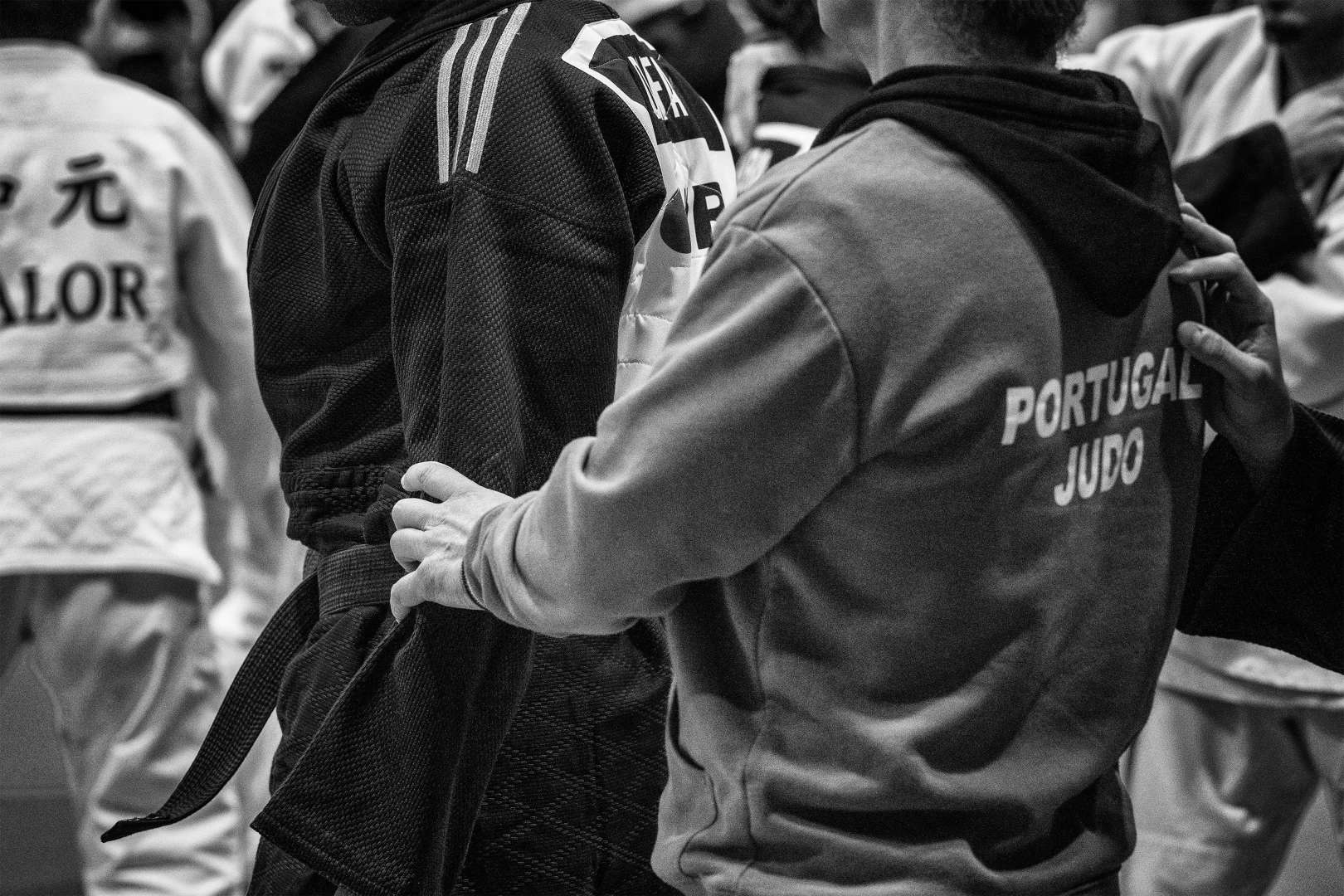
Now imagine what happens when sight is absent. At the IBSA Judo Grand Prix in São Paulo, where the world's best visually impaired judoka have gathered for the opening event on the road to the Los Angeles 2028 Paralympic Games, the hands acquire an even deeper meaning. They no longer simply transmit movement; they become orientation, reassurance and connection; they become guides. It may sound obvious but it is no exaggeration to say that here, hands become eyes.
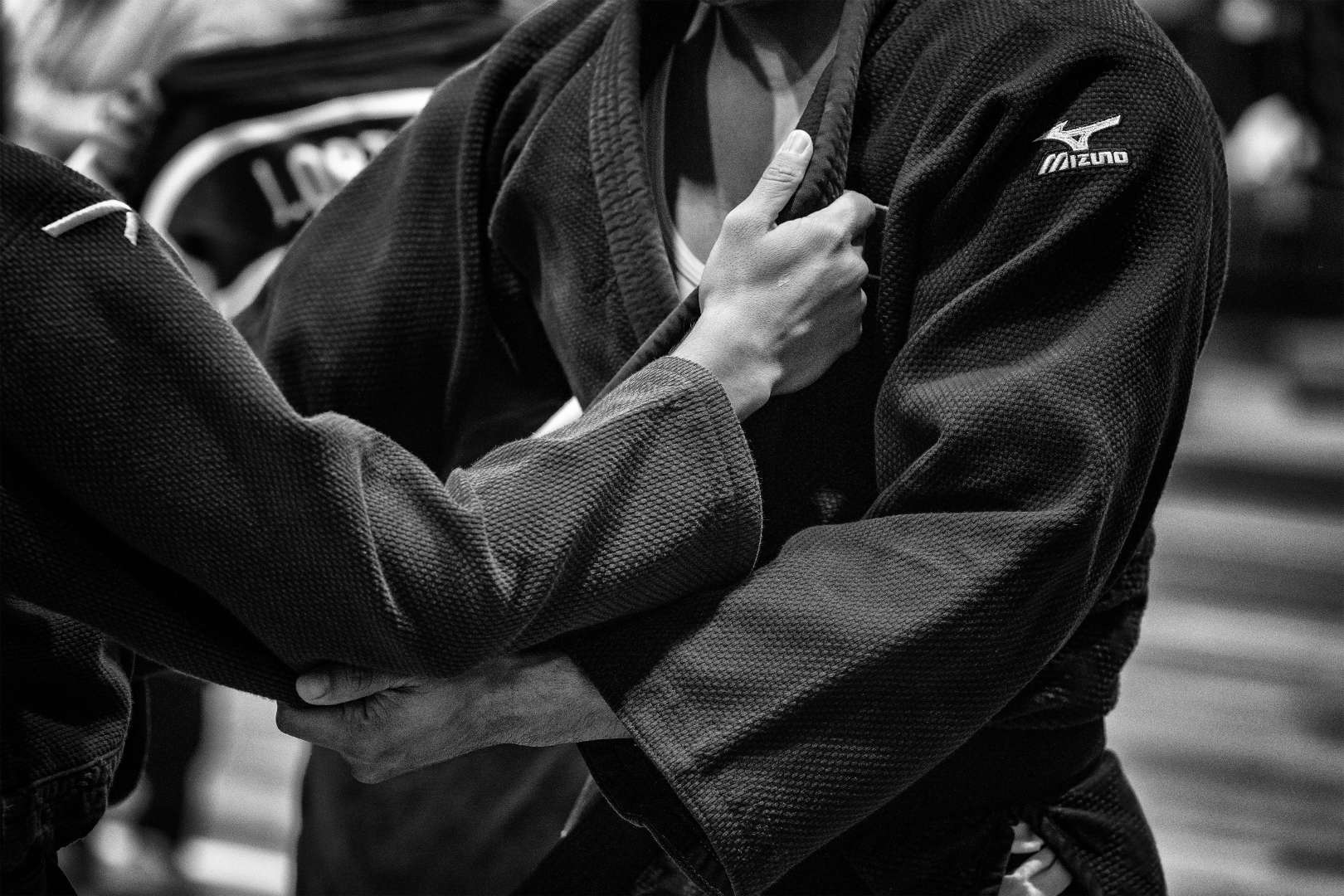
A few moments spent inside the warm-up area are enough to understand. Voices fill the room in dozens of different languages. Like every international competition, it resembles a modern Tower of Babel where athletes from every continent communicate in words few others know. Yet remarkably, everyone understands each other perfectly because the universal language spoken here is not verbal, it is the language of hands.
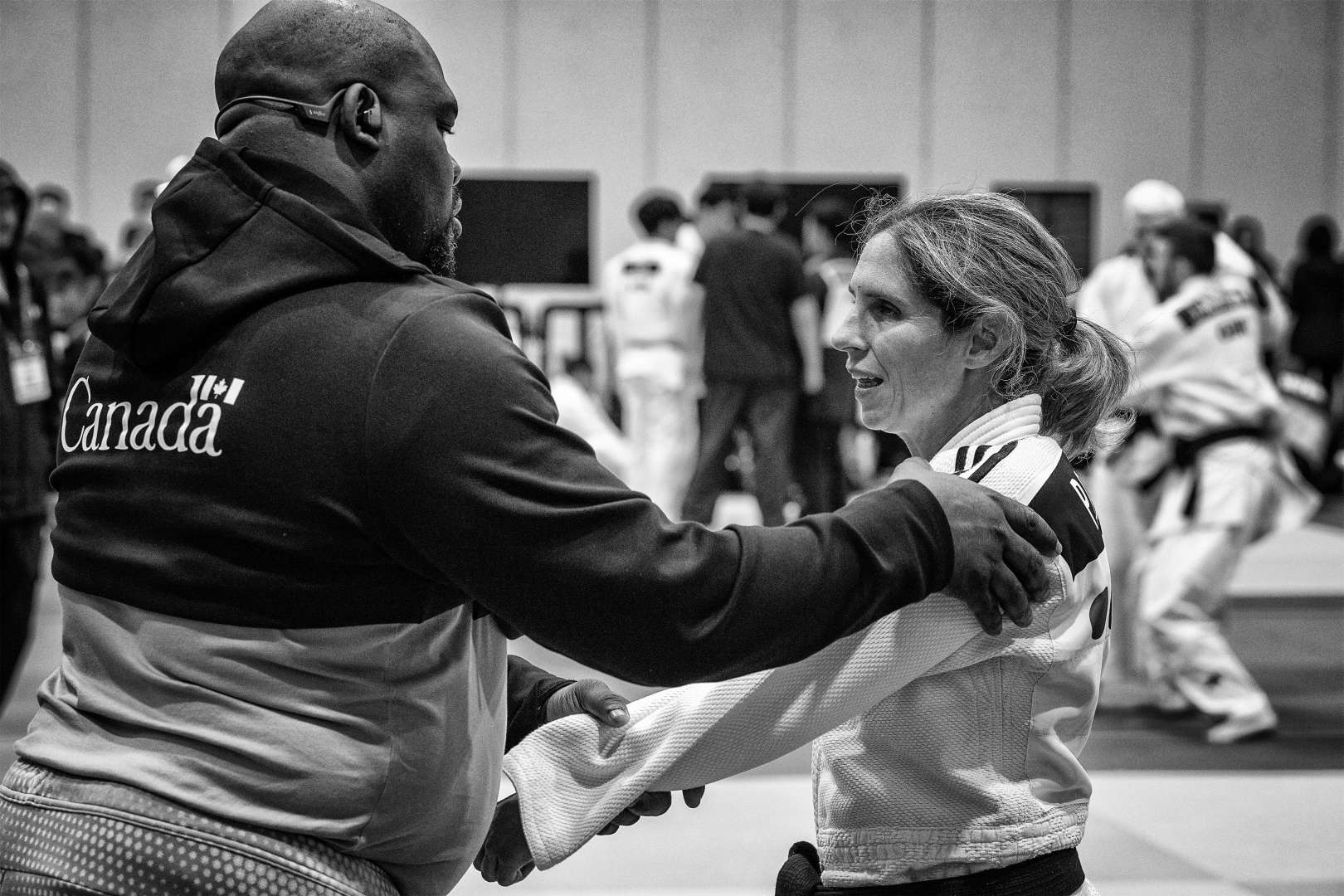
Watch one hand gently guide an athlete towards the edge of the mat. Another explores the space with delicate confidence, quietly collecting information impossible to see. Another rests lightly on a partner's sleeve, already prepared to react to the slightest change in pressure. There is no hesitation, no uncertainty. Every touch has meaning. Every contact tells a story.
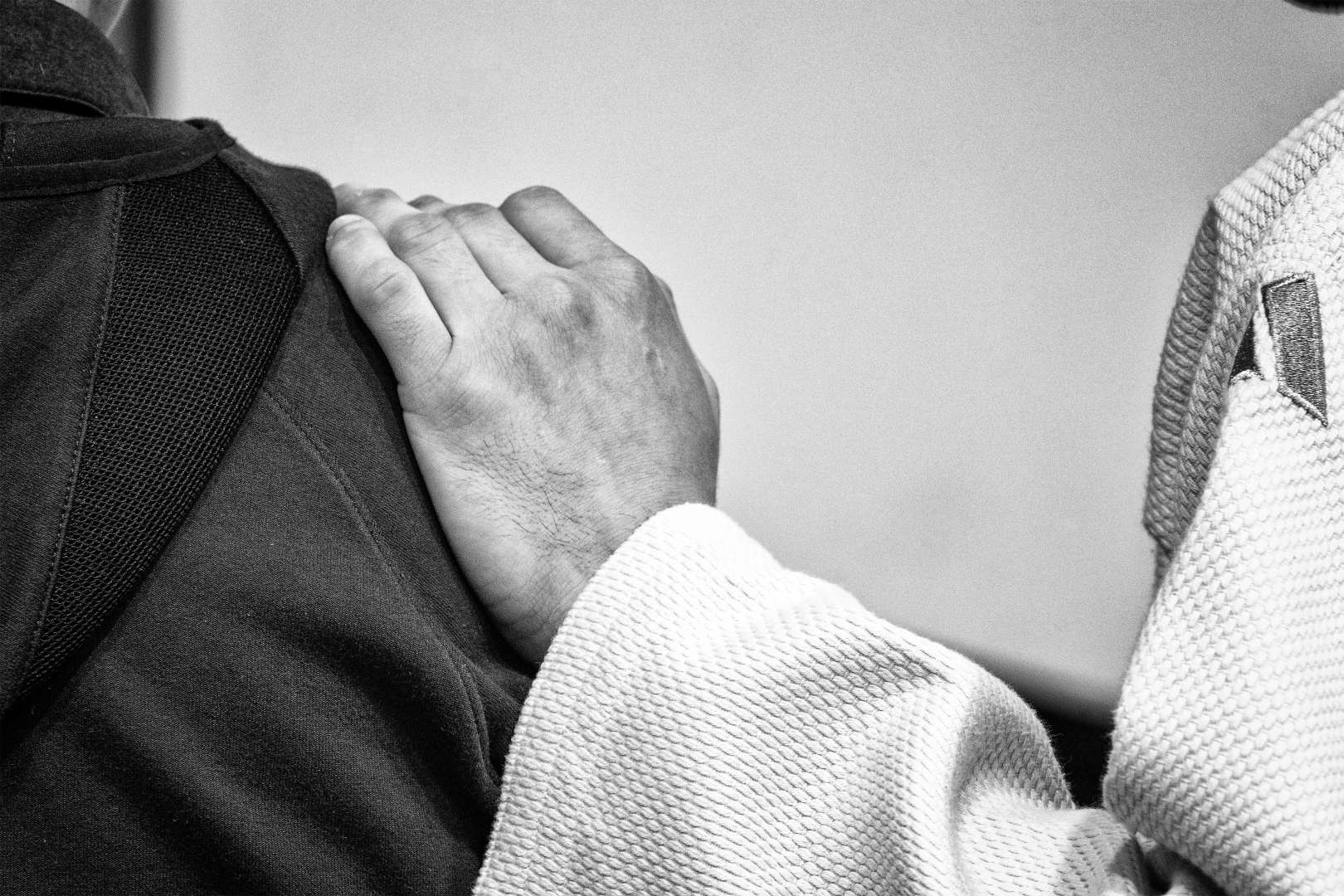
For Para judoka, this language has reached an extraordinary level of refinement. Years of training have transformed touch into communication and contact into understanding. Every grip carries information. Every movement becomes a conversation.
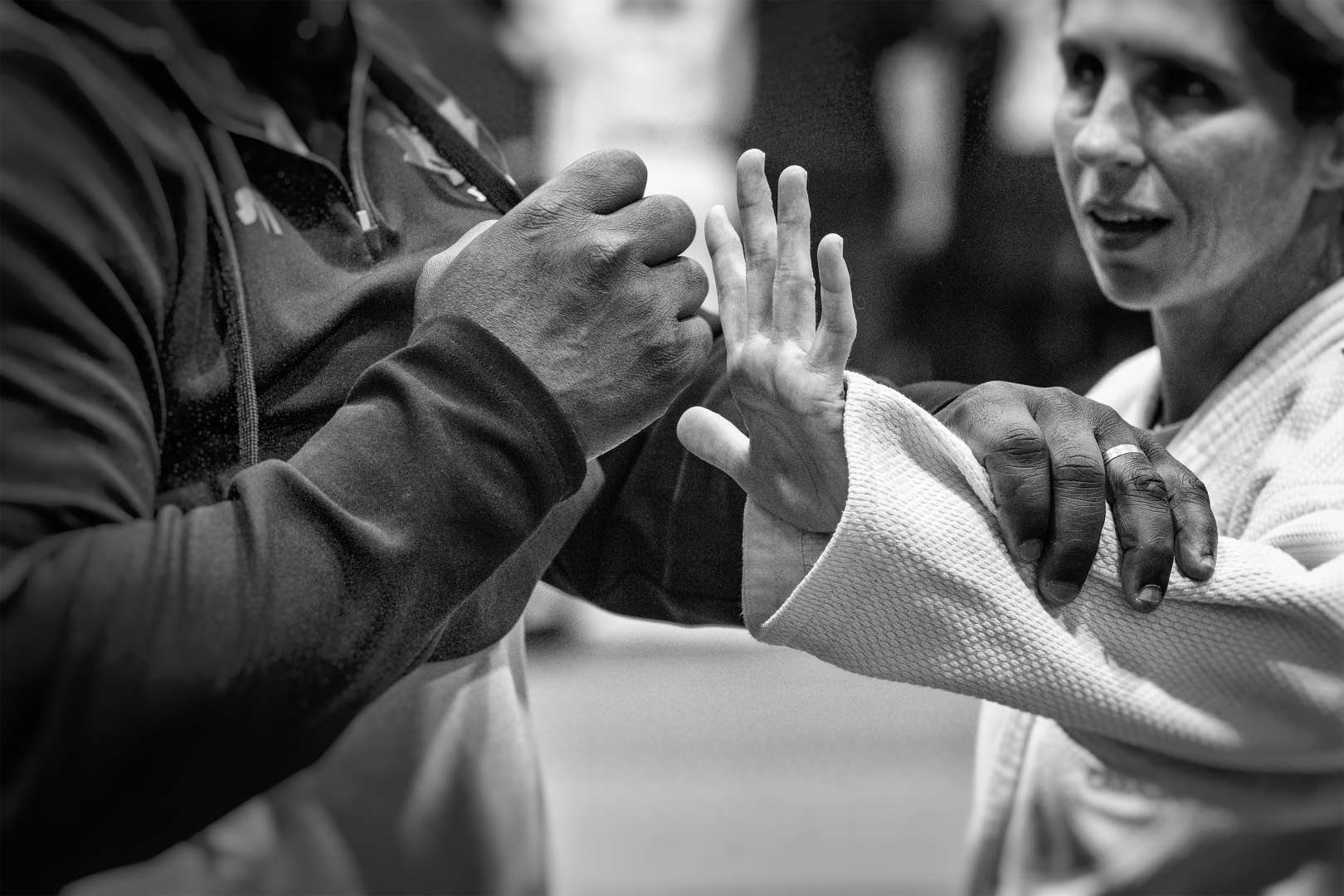
The same is true for coaches, guides, volunteers and officials. Throughout the venue, hands accompany, reassure, protect and encourage. They replace pointing fingers with gentle guidance. They replace visual cues with human connection.
It is impossible not to be moved by this silent choreography. In a world that so often depends upon seeing, these athletes remind us that understanding begins with feeling. Perhaps that is one of the greatest lessons Para judo offers us. The hands that grip to compete are the very same hands that guide, support and care. Strength and kindness are not opposites; they belong together.
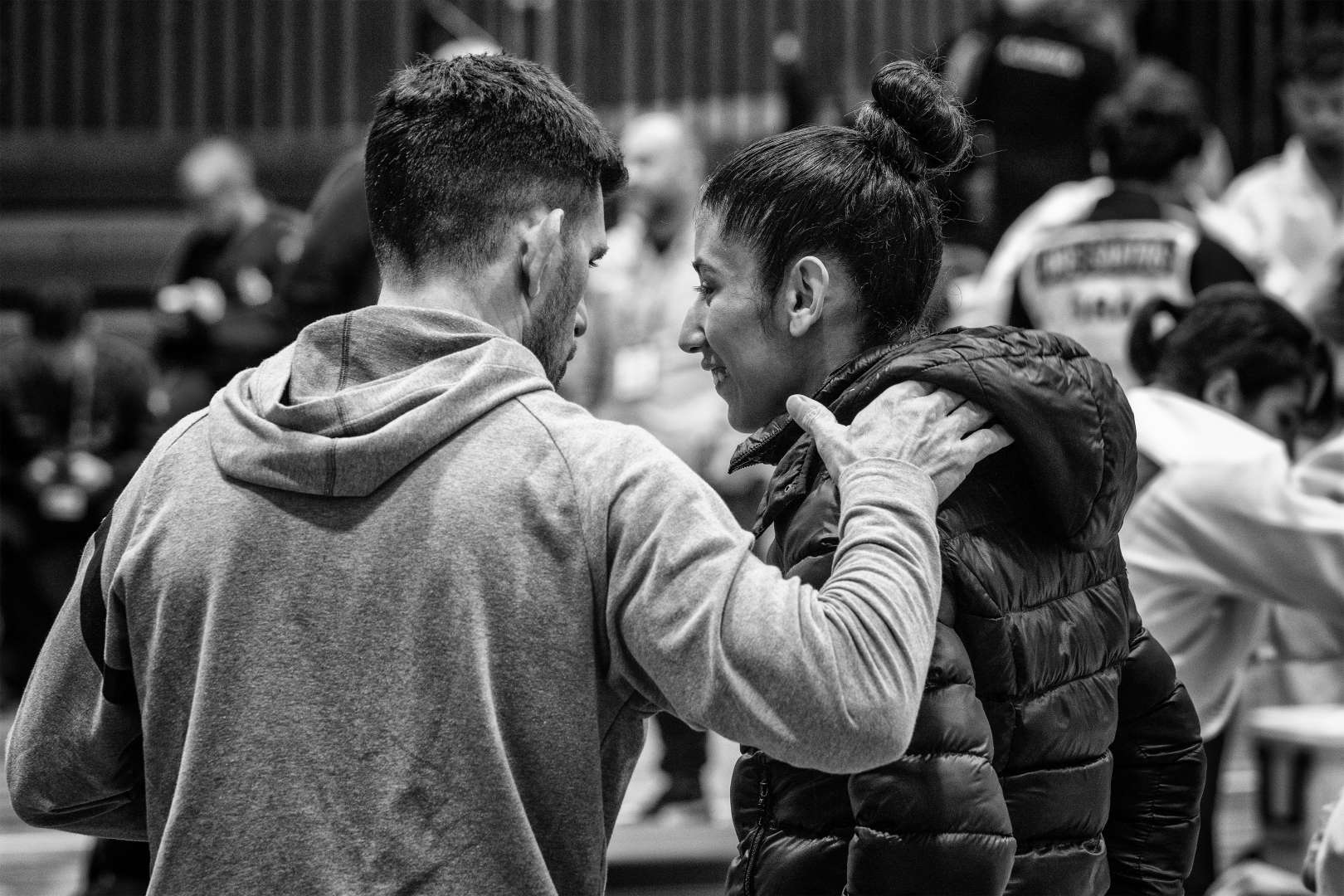
In São Paulo, among the finest Para judoka on the planet, the language of hands speaks more eloquently than words ever could. It is a language without borders, understood instinctively by everyone who enters the dojo. It is a language of trust, respect and shared humanity.