
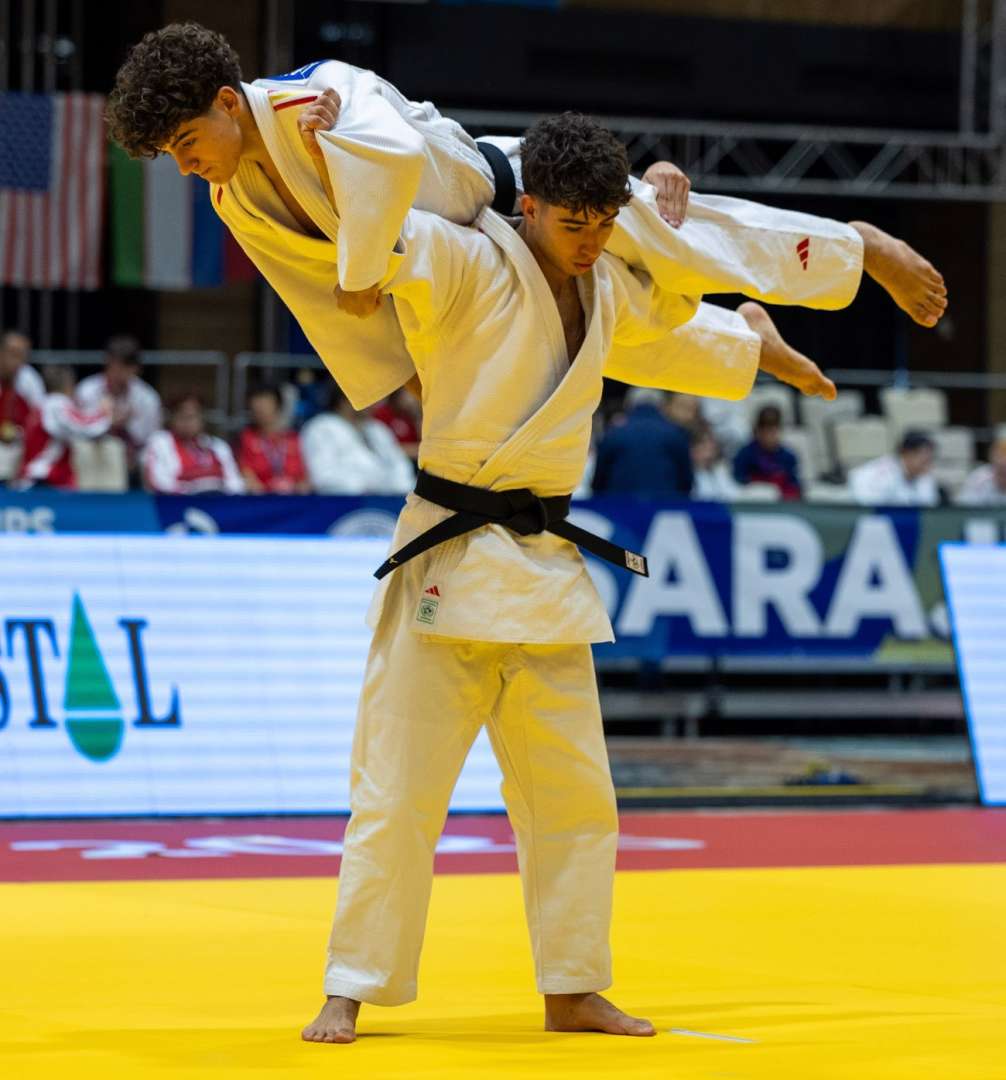
At its heart, kata is a shared discipline. Tori and uke work together. Tori does not exist without uke; one performs the technique, while the other receives it, attacks, responds, resists at the right moment and gives the action its full meaning. Neither role is passive. Their work demands trust, attention and responsibility. It is a direct expression of jita kyoei, mutual welfare and benefit: progress is built together.
The philosophy of kata is also rooted in seiryoku zenyo, the best use of energy. A successful kata is not the one that appears strongest, most theatrical or fastest. It is the one in which every movement has a purpose, nothing is unnecessary and each action is appropriate to the situation. Here, efficiency cannot be separated from control.
Kata is not reserved for high grades, even though its most demanding forms require years of study. Nor is it the opposite of competitive judo. It reveals the technical foundations on which competition is built: balance, timing, distance, control and the ability to use force intelligently. It is not a performance without resistance either. Uke has an active, precise role, making it possible for tori to demonstrate not simply a movement but a principle.
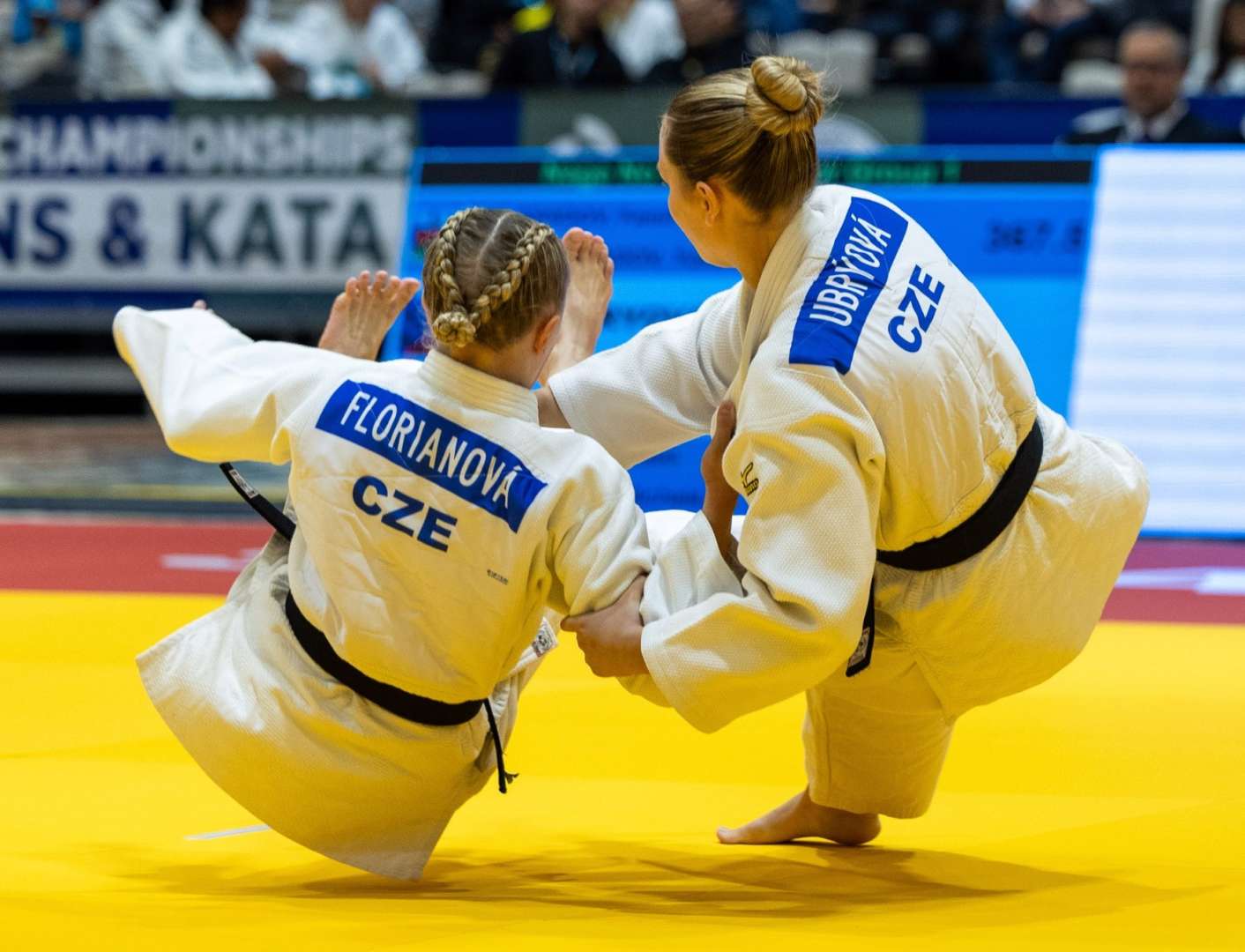
Kata competition demands exceptional rigour. Every detail matters: posture, direction, rhythm, timing, intention and the quality of the partnership. However, competition is not kata’s first purpose. Its primary aim remains understanding and transmission.
In a sporting world that naturally measures victory, kata offers another form of demand. It does not ask who won but whether the movement was right. It does not ask who dominated but whether two partners were able, together, to reveal the principles of judo.
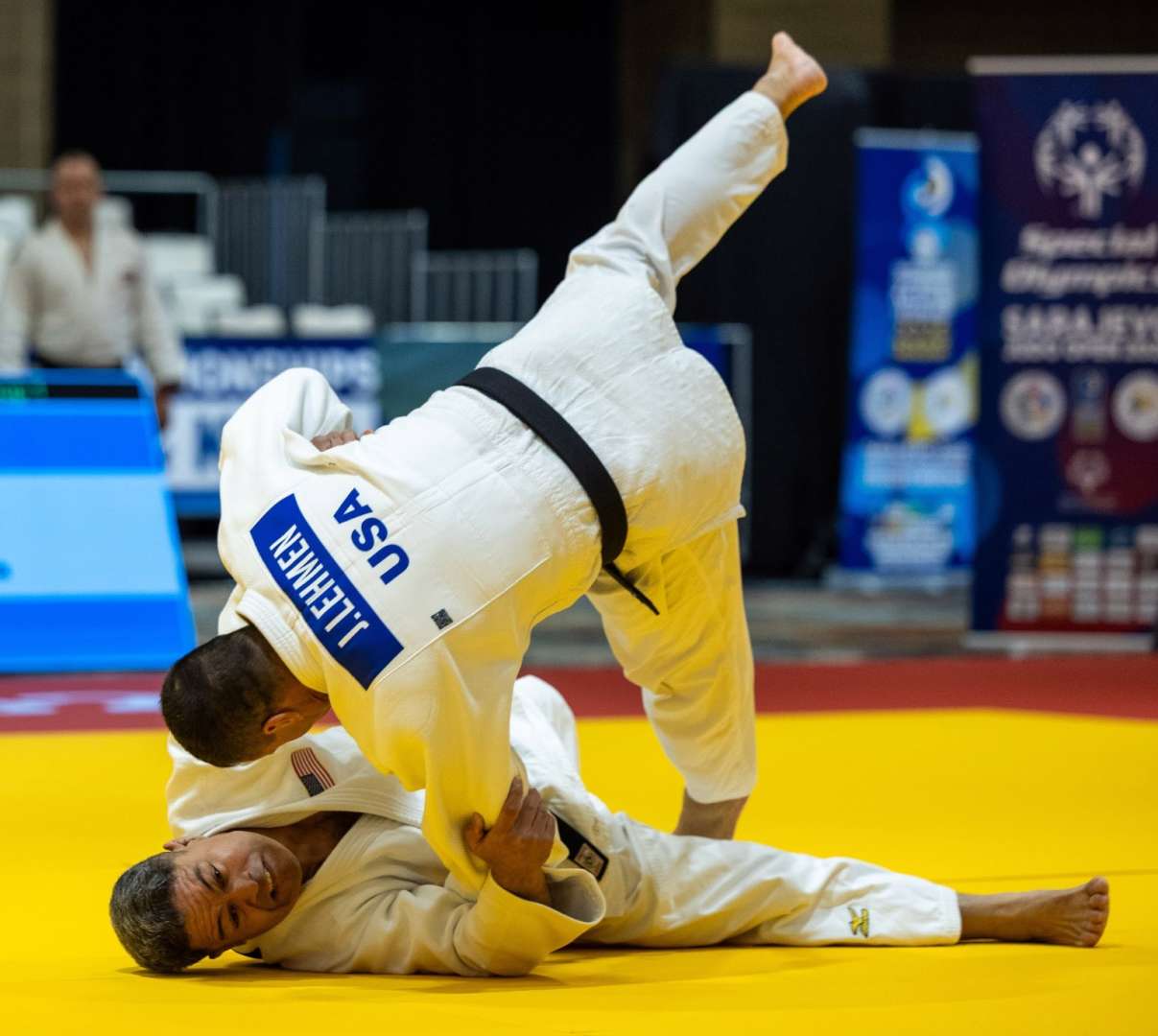
Behind the apparent slowness, the exactness of the postures and the codified gestures, kata is a dialogue. It teaches how to unbalance without brutality, control without humiliation and decide without being carried away by force or emotion. It is one of the places where judo remembers that it is at once a martial art, a method of education and a search for the best use of energy.
At the Sarajevo World Championships Kata 2026, the demonstrations will be judged. More importantly, they will show something that cannot be reduced to a score: the ability of two judoka to make one movement speak.
Follow the competition: CLICK HERE
Watch the event: CLICK HERE