
Yet even at this highest level, where every detail can decide a contest, judo remains rooted in the principles established by Jigoro Kano.
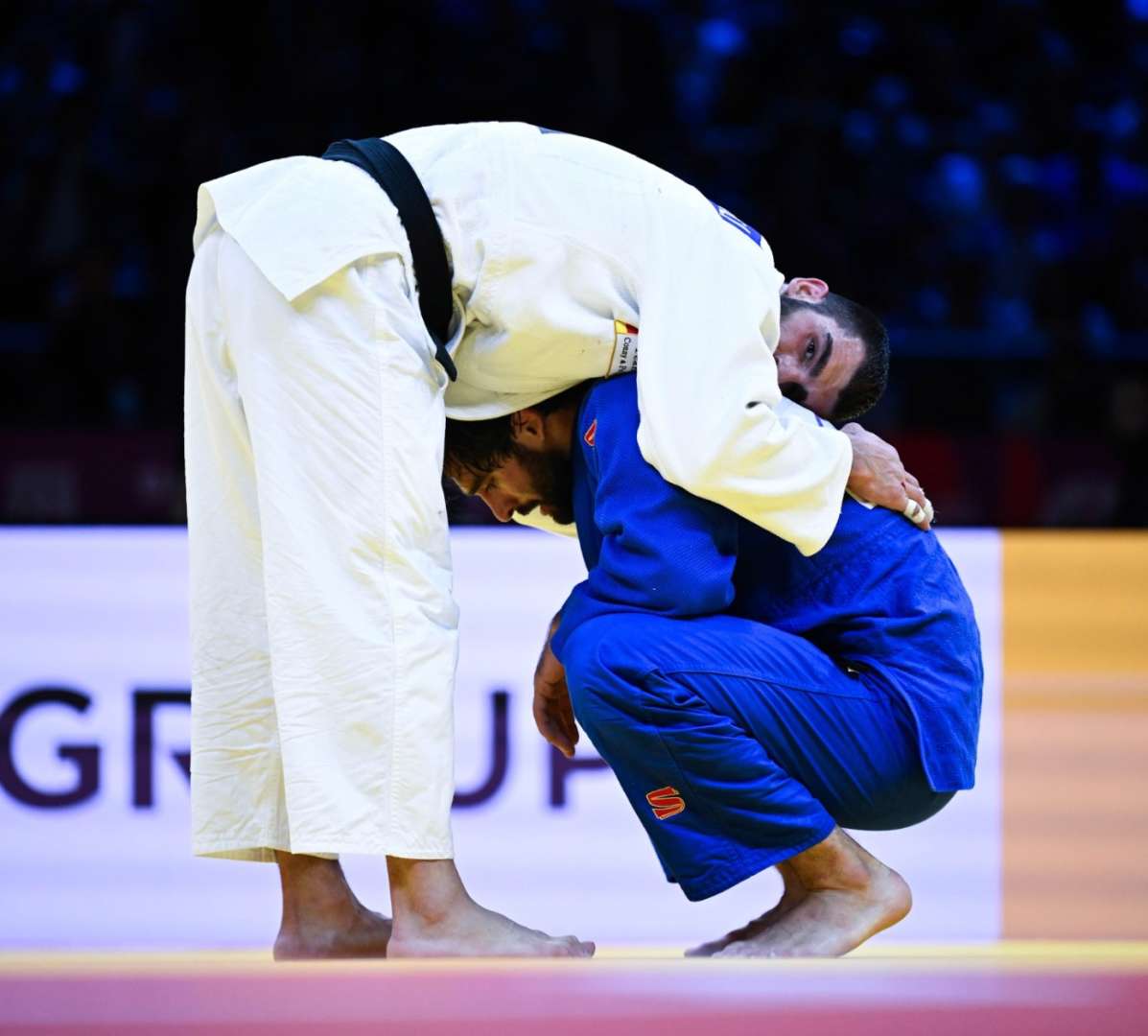
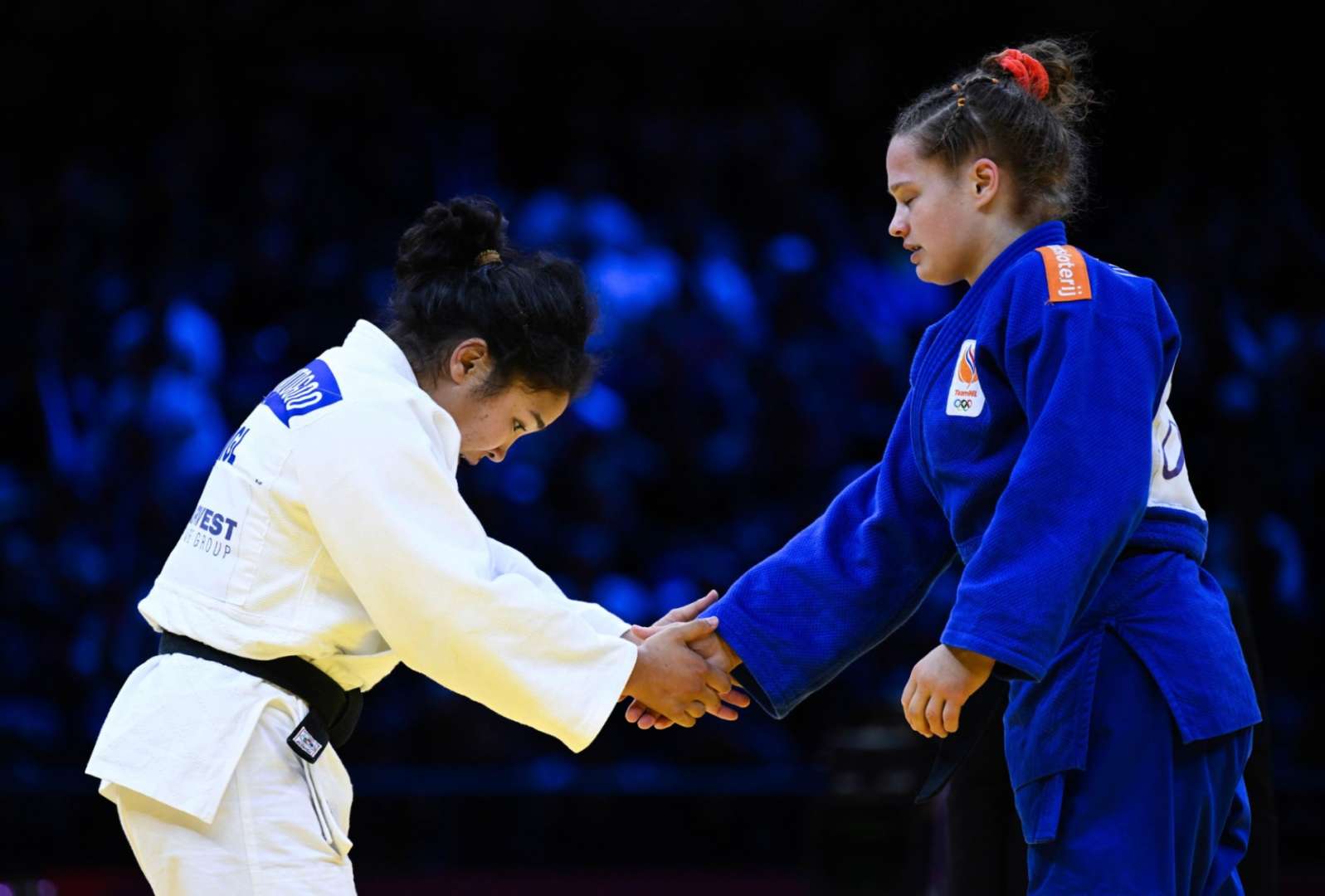
Competition is part of judo. It is an important part, certainly, but it is one element of a much broader path. On the tatami in Baku, athletes seek victory with total commitment, but they do so within a framework built on respect, discipline and mutual recognition. Before and after every contest, there is the bow. It may last only a moment but it carries the essence of the sport: respect for the opponent, for the referee, for the rules and for the place in which judo is practised.
The rules themselves are not simply a structure for deciding who wins and who loses. They protect the athletes and preserve the technical identity of judo. They make it possible for determination, intelligence, courage and skill to be expressed fairly. At this level, athletes know that they are accountable not only for the result but also for the way they pursue it.
Every champion seen on the tatami this week began as a child in a dojo. Before the medals, the television cameras and the national expectations, there were first falls, first bows, first lessons on how to hold a partner, how to listen and how to stand back up. There were years of learning, progression and doubt. Becoming a competitor is one stage in that journey, a demanding and valuable one, but it is not the final destination.
For some, competition will lead to world titles and Olympic medals. For others, it will lead to coaching, refereeing, education, administration or a lifelong connection with their club and community. The lessons remain the same. Judo teaches people how to face success with humility and defeat with dignity. It teaches responsibility towards others, because progress is never achieved alone. Every judoka develops through training partners, coaches, families, officials and opponents.
This is where the principles of Seiryoku Zenyo, the best use of energy, and Jita Kyoei, mutual welfare and benefit, find their full meaning. They are not abstract ideas reserved for the dojo wall. They are present in every bow, every act of fair play and every moment when a competitor recognises the value of the person standing opposite them.
A world championship is a celebration of elite sport. It is also a reminder that judo is bigger than a medal table. The champions of today are the children of yesterday, and they will become the mentors, leaders and examples of tomorrow. In that continuity lies one of judo’s greatest strengths.