
The name ‘Klaus Glahn’ (GER) is known the world over. A ninth dan, double Olympic medallist (1964 and 1972), 5-time world medallist and 3-time European champion, he remains as in touch with the sport as ever. In Baku for the 2026 World Championships, the 86-year-old judo legend was happy to share some stories and ideas from his long life in judo.

Being a participant in the first Olympic Games in which judo was included is already a special memory, an occasion that made history and changed the future for every judoka who has competed at the Games since.

“On the other half of the draw, in 1964, I saw Anton Geesink beat Boronovskis (AUS) in their semi-final. I then fought against Kaminaga (JPN) and he beat me. Then I watched history be made as Geesink beat him in the final. I was so impressed by him as he won on the ground and then I watched him stop his supporters and friends from rushing onto the tatami. It was a great moment of respect which all the Japanese appreciated.”
Takehide Nakatani won the first ever Olympic gold medal, beating Eric Hanni (SUI) in the final with outstanding ashi-waza. Later he went to Germany as a coach and Klaus Glahn was still in that German team. “We were on a trip once when he was coaching and everyone was playing cards. He had a winning mindset even for cards. Many people in Germany were impressed by him due to his smart technique.” His mentality was just as important.
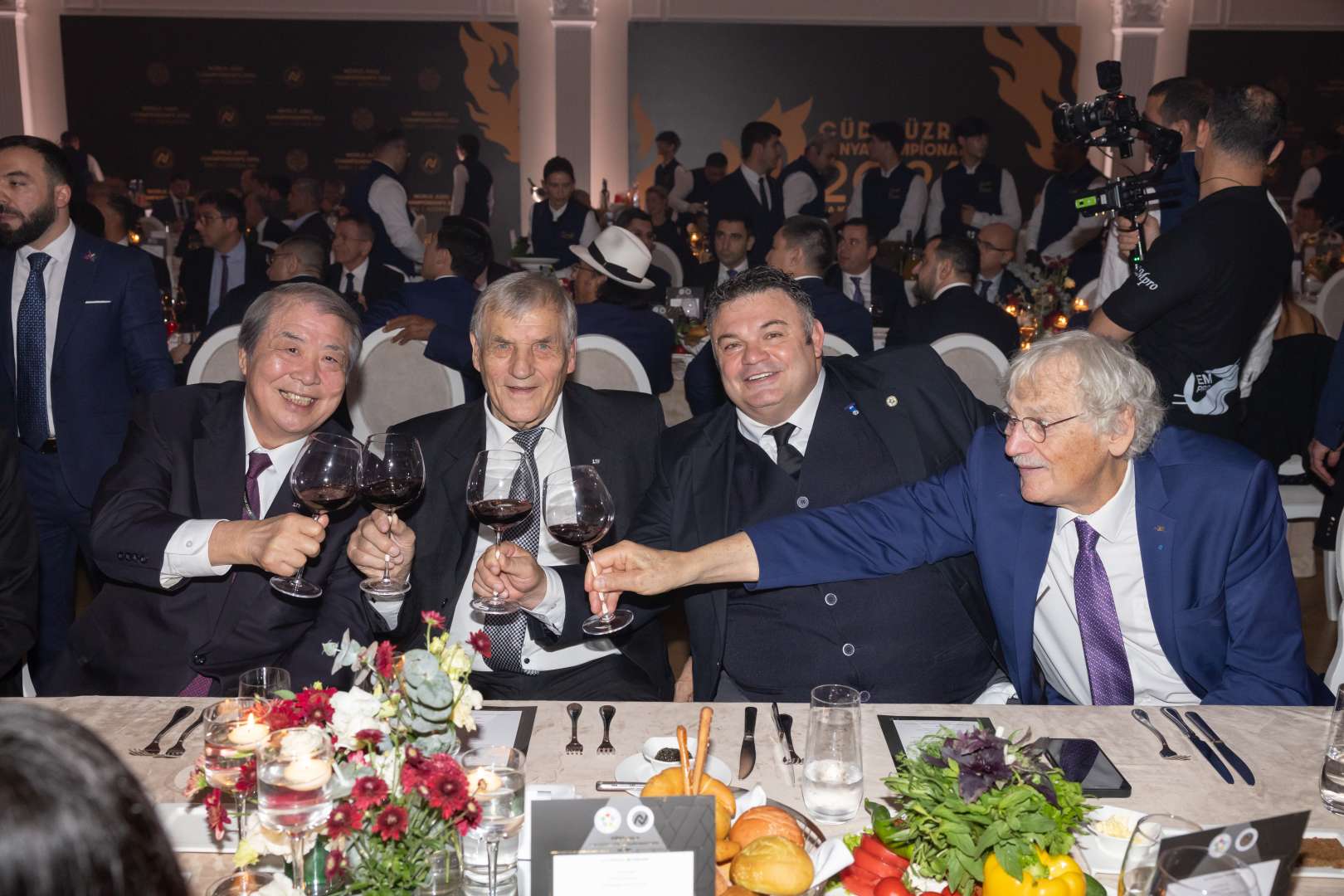
“I made so many real friends in judo. I call Mr Uemura ‘Uemura Senshu,’ which means fighter! Now of course, he is the Kodokan President, but in part he arrived there because he began as a real fighter.” Still friends to this day, Olympic champion Haruki Uemura and Mr Glahn are able to catch up at events around the world, just as they have in Baku. Friendship is mentioned universally by champions of every decade, as one of the greatest benefits of a life in sport.
“When I was in Tenri for 6 months for training, I was there with Kazuhiro Ninomiya (JPN)” Ninomiya went on to become Olympic champion in 1976. We trained together a lot but he was also studying me. In Japan it seemed like he couldn’t do much against me but I fought him in the world championship final in 1973, in Lausanne, and he beat me straight away. I learned something new from that!”
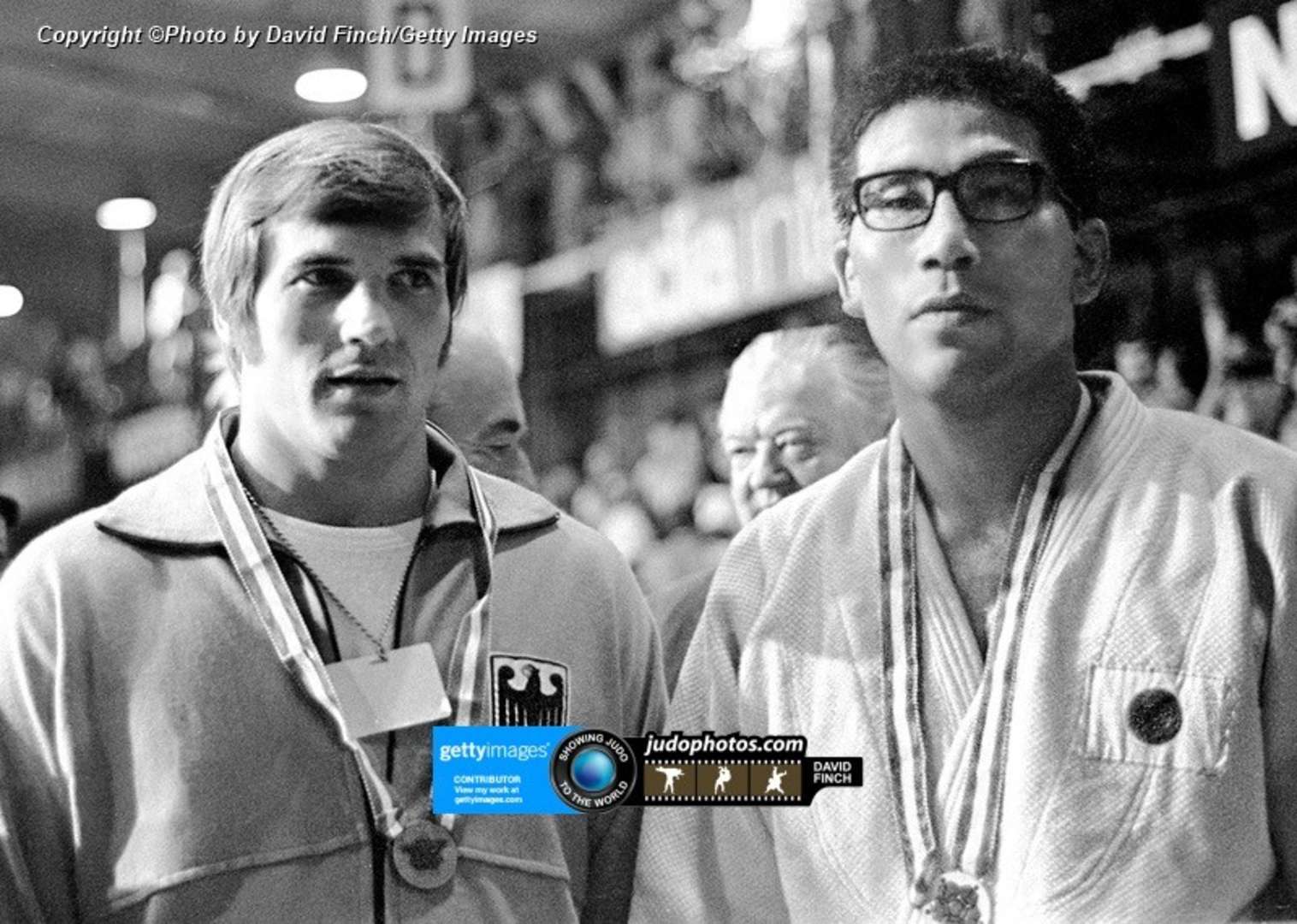
What is learned is as important as what is won. Klaus Glahn has no doubt about that. “There is so much self-control needed in life. This is important and I’m sure mine came from judo.” Mr Glahn spoke to the self-control needed when standing on a podium after losing a final, for example. It is a responsibility to do the right thing in those moments. “Judo is such a big part of the building of my personality. When I began, in my early teens, it was only 6 weeks of judo before I entered my first competition. I realised I could play with the control of others. I learned to not have fear. Judo has also helped me to feel fit and secure for my whole life. This self confidence has been with me since the beginning, from my first days in judo.”
The ability to apply judo’s education to day-to-day life beyond the mat is also prominent in Mr Glahn’s thoughts. “If you win a medal, on the first day everyone says congratulations. On the second day, they don’t say it in the same way. By the third day, you go back to normal life. I always try to stay on the ground. I go home to my wife and we have a nice dinner and I appreciate all parts of my life that bring good feelings. Judo is one, family is one, and there are more.”
Listening to Klaus Glahn talk about time with his peers during the formative years of international judo is like being given a window to history. Everything he speaks about is enveloped in respect and joy. No judoka could ask for more than this kind of fulfilment from their life in judo.