
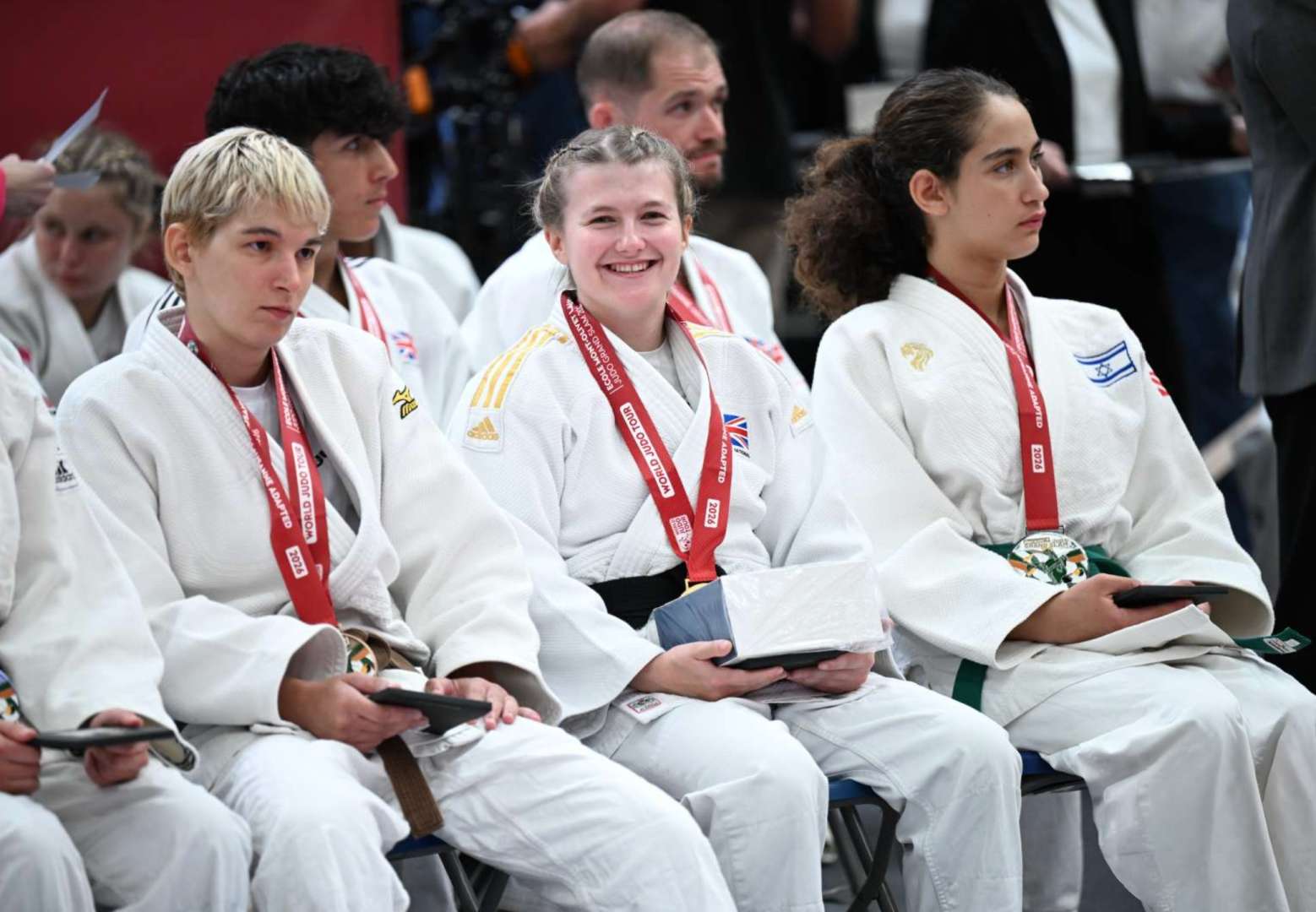
The Ecole Mont-Olivet Adapted Judo Grand Slam Lausanne 2026 represented a new step in that continuing journey. For the first time, judoka with cognitive disabilities competed within the environment of an IJF grand slam alongside athletes from the World Judo Tour. It was a clear statement that Adapted Judo has its place at the heart of our sport.
The event brought together level 1 and level 2 judoka with intellectual impairments, autism and physical disabilities. On the tatami, the high quality of the competition was evident. Beyond it, athletes, coaches and delegations demonstrated commitment, discipline and professionalism throughout.
Lausanne also showed that genuine inclusion is built through shared experience. The adapted athletes and World Judo Tour competitors shared the warm-up area successfully, while national teams welcomed their adapted judoka naturally as part of the same delegation. What might have appeared to be a logistical challenge became one of the event’s strongest messages.
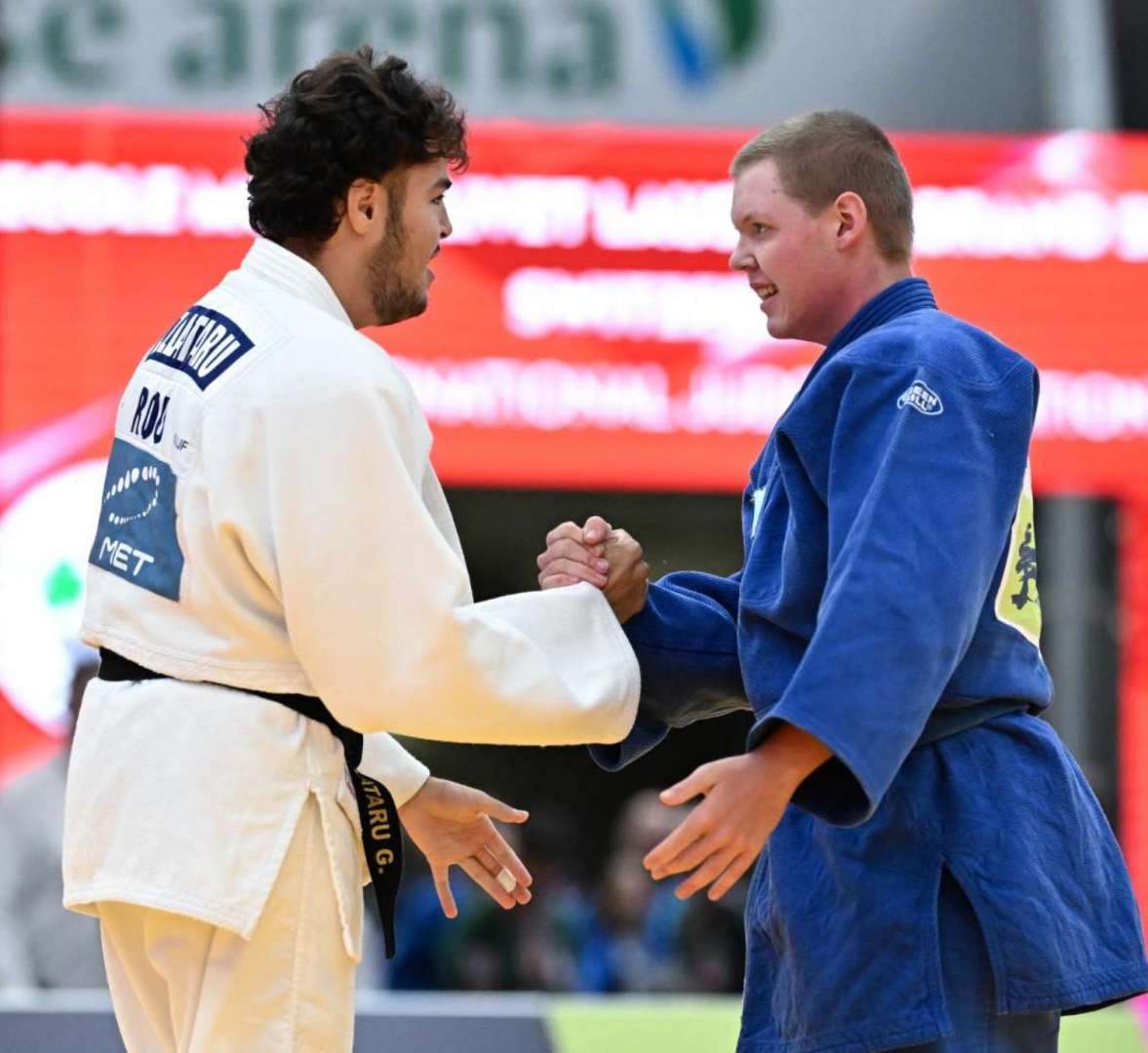
The local organising committee reinforced that message through action. Adapted judo athletes received the same level of recognition as their World Judo Tour counterparts. In high-performance sport, such equality remains rare. In Lausanne, it was made real.
The event also provided valuable experience for the future. It proved that athletes with disabilities can participate successfully in a world-level environment when the appropriate framework, preparation and support are in place.
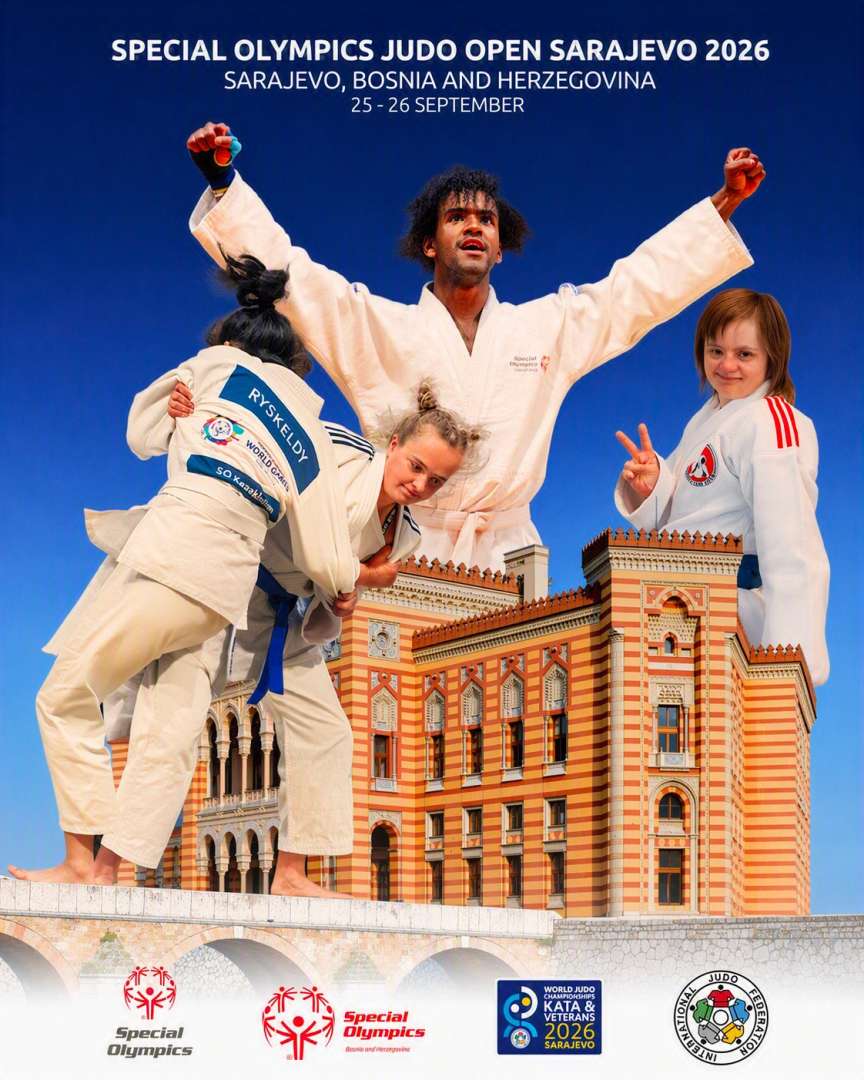
That journey now continues in Sarajevo. On 25th and 26th September, the Special Olympics Judo Open Sarajevo 2026 will be held as part of the World Judo Championships Veterans and Kata programme. Around 130 athletes from approximately 20 countries will compete, with all five Special Olympics ability levels represented. It will be the first international Special Olympics judo event developed with the IJF to bring athletes across all five levels together within a world-level championship framework.
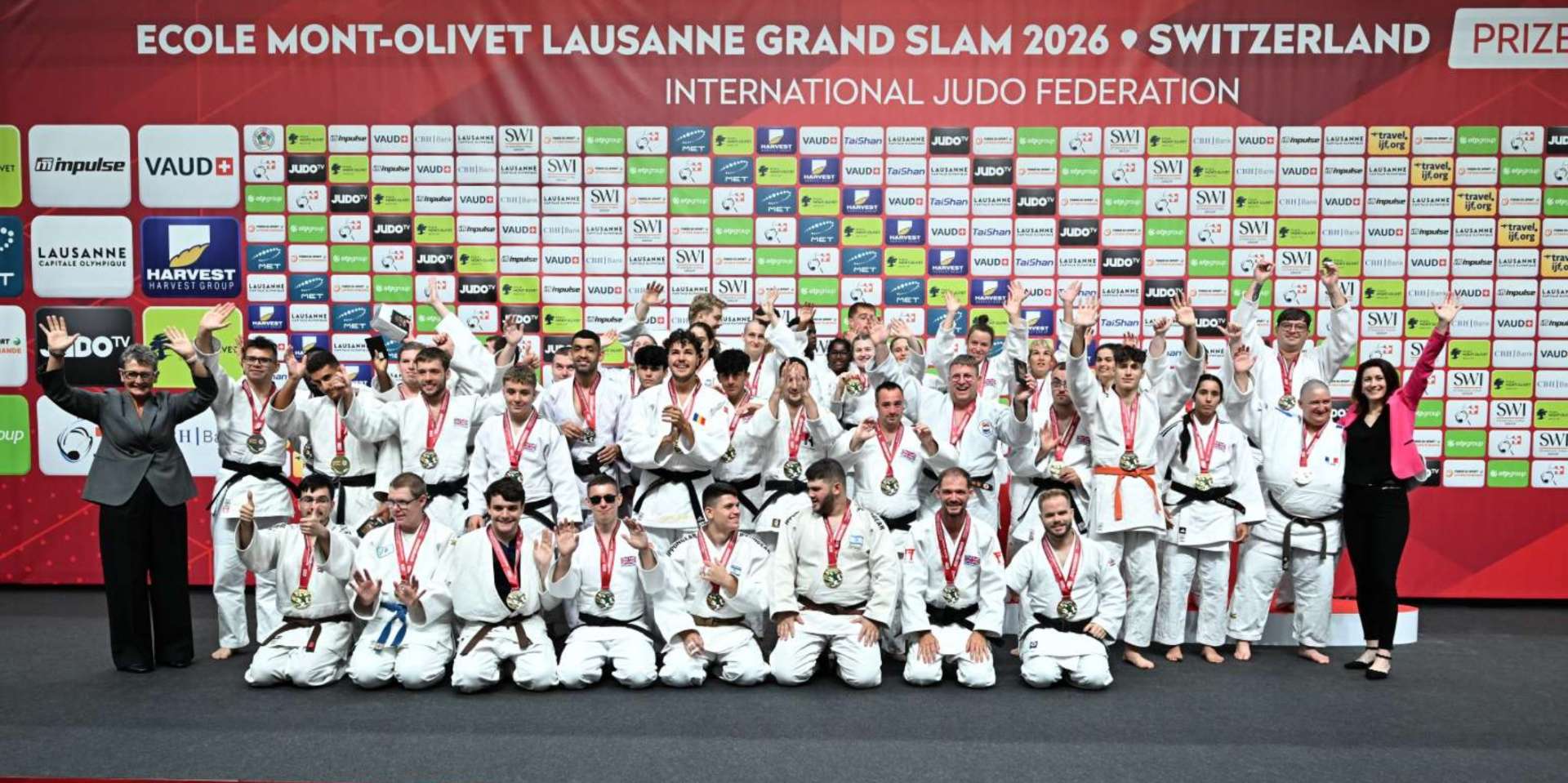
The link between Lausanne and Sarajevo is clear. Lausanne demonstrated that inclusion can thrive at a grand slam. Sarajevo will extend that vision, placing Special Olympics judoka at the heart of a global celebration of judo.
This is not an isolated initiative. It reflects the sustained commitment of the International Judo Federation to ensure that judo remains accessible, ambitious and meaningful for everyone. Through its co-operation with Special Olympics International, its support for Adapted judo and the work undertaken every day by coaches, clubs, families and national federations, the IJF is helping to create opportunities that respect each athlete’s potential.
Inclusion is not about lowering expectations. It is about offering appropriate, dignified and equitable opportunities for every judoka to develop, compete and belong. Lausanne showed what is possible. Sarajevo will carry that message further.