
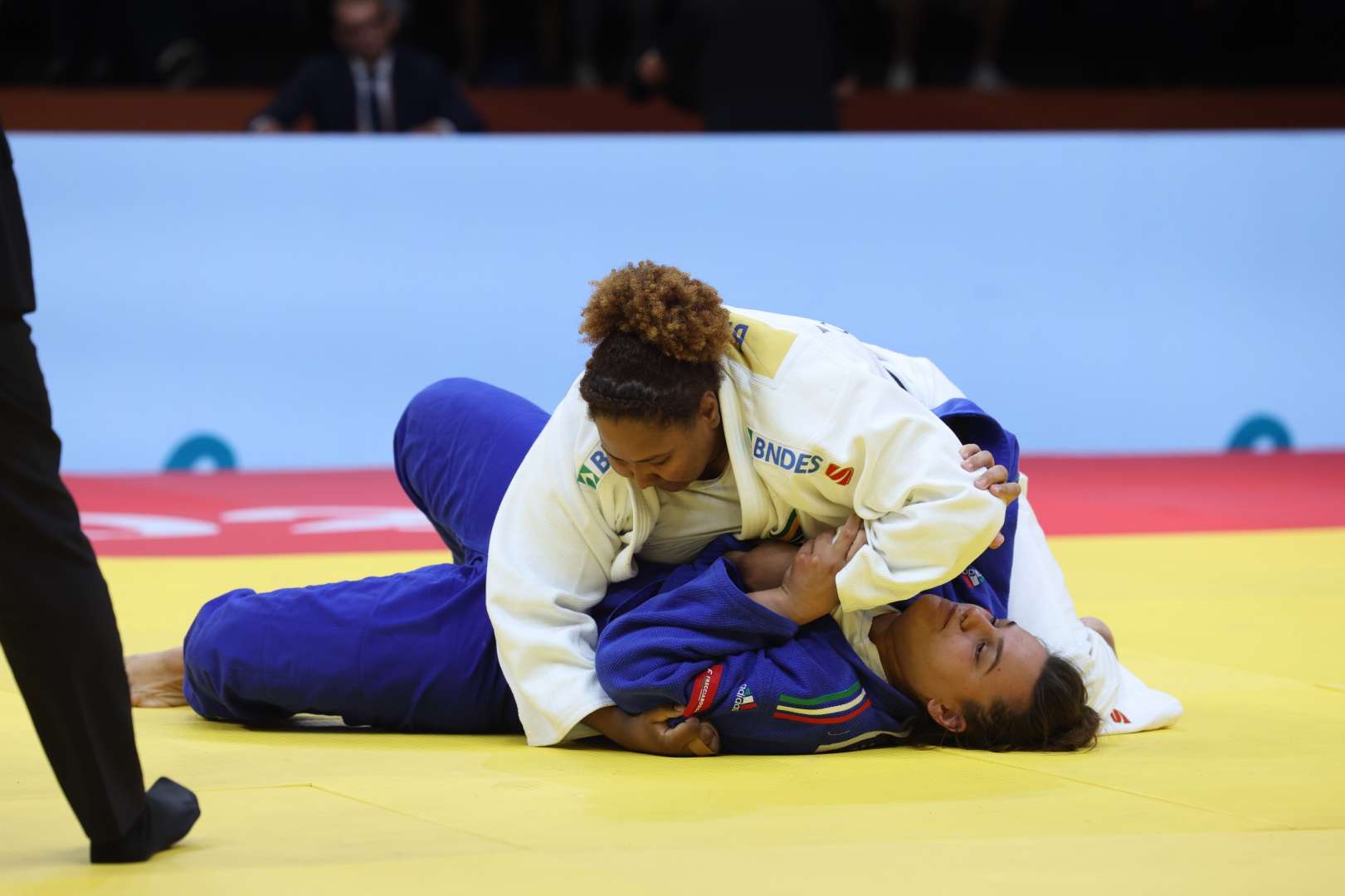
The medal contests on day 3 were as dynamic as they were on the first two days of the event with several new countries vying for places on the medal table. It has been a truly diverse tournament, but with Brazil leading from the very beginning. Their team arriving in Peru with 8 of the 14 number one seeds was a statement to begin with and they had delivered 6 medals already by the end of day 2, adding no fewer than 5 more on day 3. What a team!
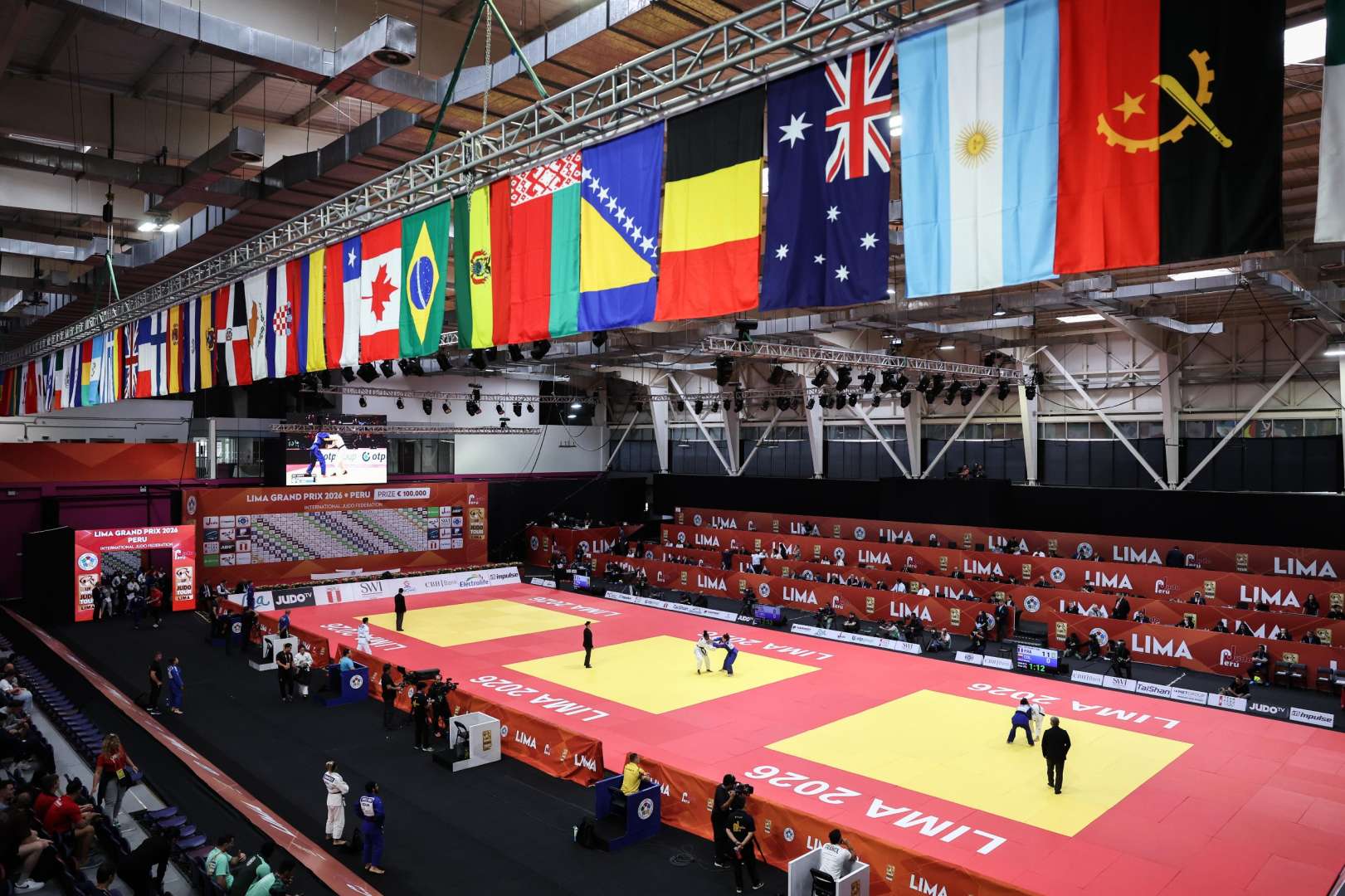
A large warm-up area, easy athlete flows, plenty of seating, great food and an army of willing volunteers have contributed to a positive athlete experience for all delegations. This is important! These aspects of tournament organisation should never be underestimated and in Peru all these details have been taken care of.
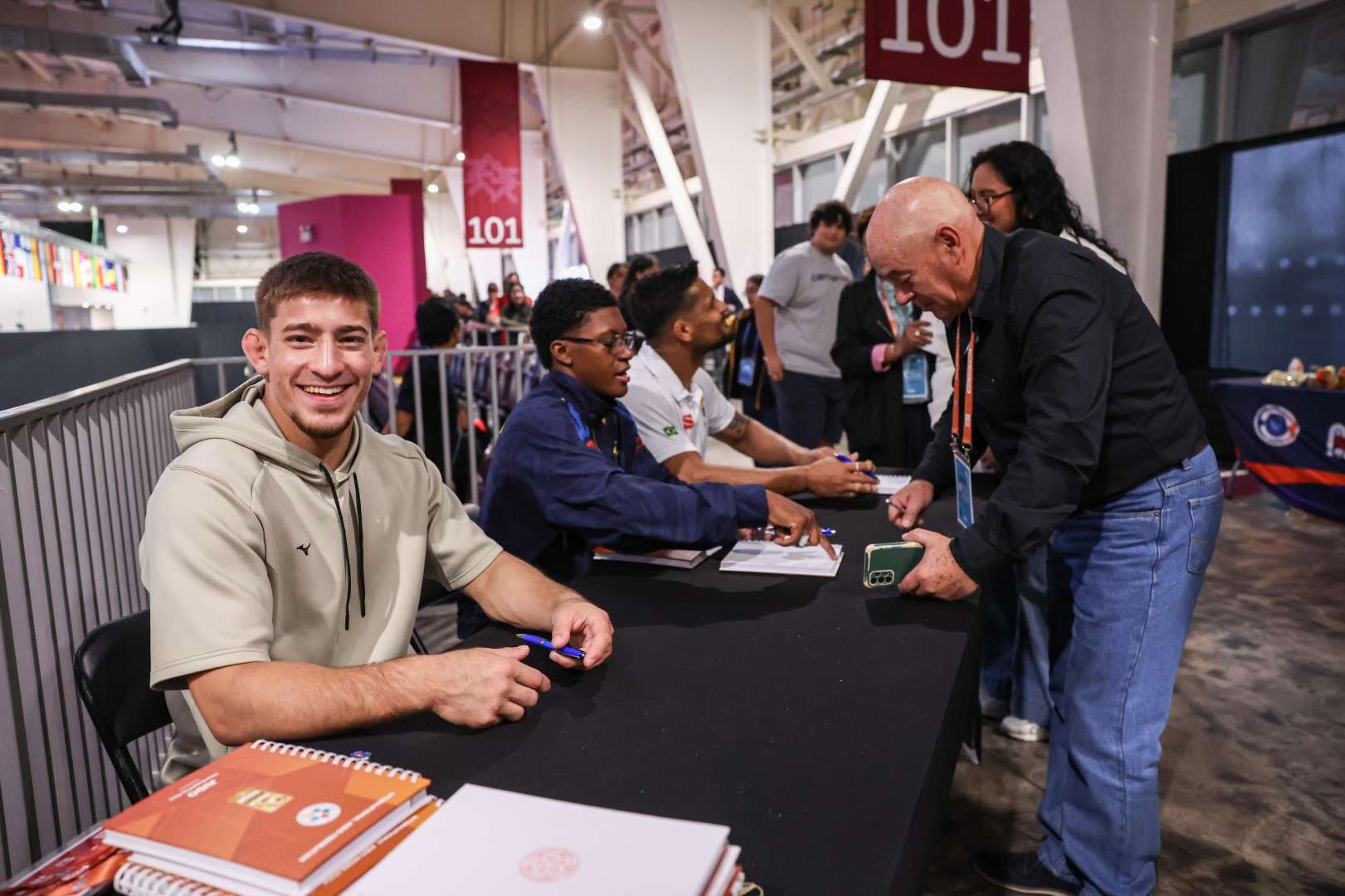
Additionally, there has been a drive to capture the jubilance of the event by hosting athlete ‘meet & greet’ experiences all weekend, inspiring spectators, especially the youngest ones, and creating wonderful memories of the event. On day 3, Jack Yonezuka (USA), who won a silver medal, and Brenda Olaya (COL) and Leonardo Goncalves (BRA), who both fought for bronze medals, signed unlimited autographs and took pictures with a long line of judo fans. It was a positive experience for everyone involved.
Let’s also mention that although Brazil had an outstanding tournament, both Peru and Cyprus made history, the former with their best showing at a World Judo Tour event and the latter with a first ever gold medal on the World Judo Tour. These are markers that point to a thrilling Olympic race and also a season of development for many countries.
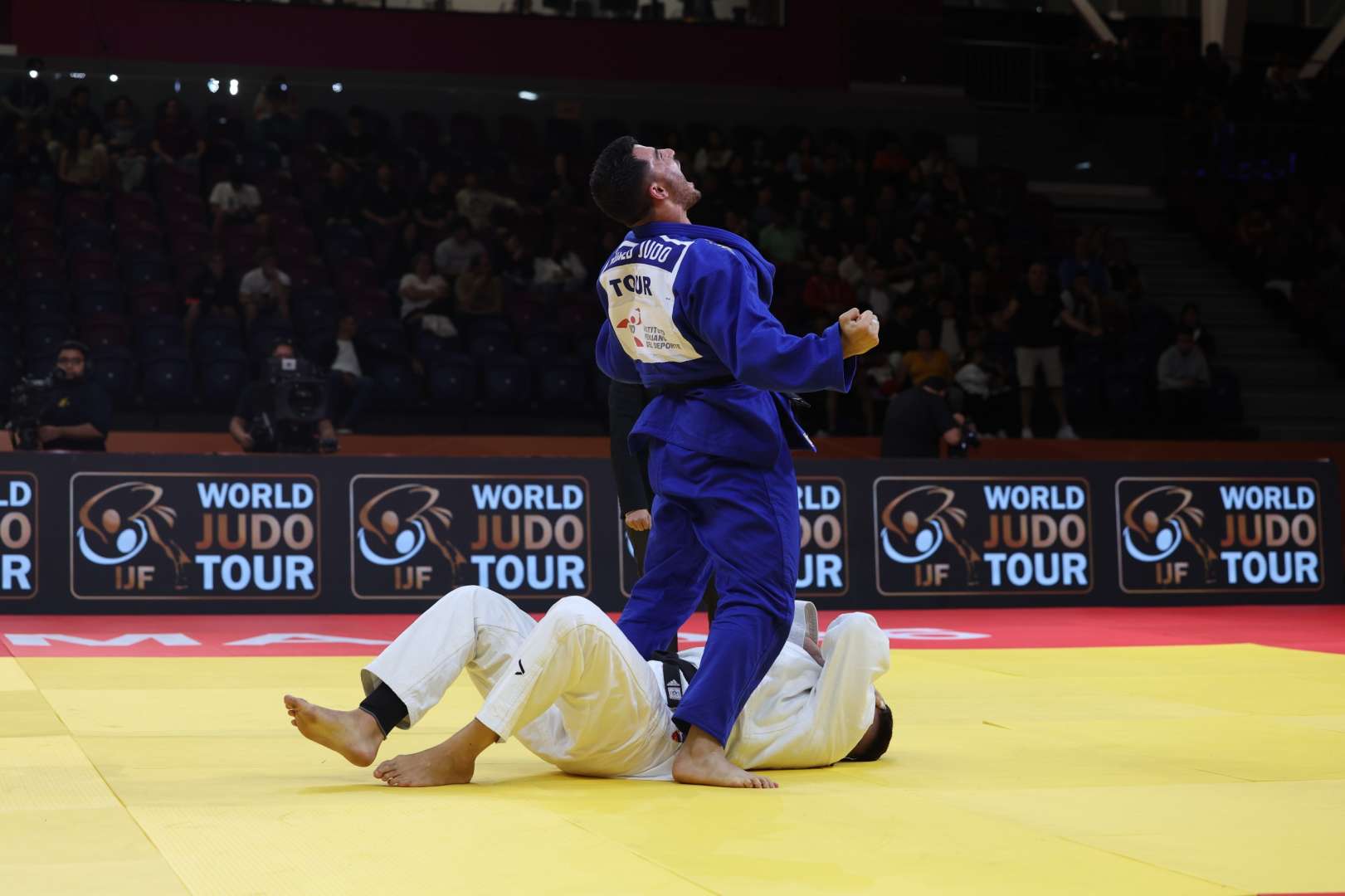
Now though, it is time to bring the Lima phase of the 2026 World Judo Tour to a close. Next week the cadets will compete for their world titles in Guayaquil, Ecuador, before the inaugural Lausanne grand Slam will take centre stage. Follow all events and statistics on the IJF’s comprehensive JudoTV platform.