
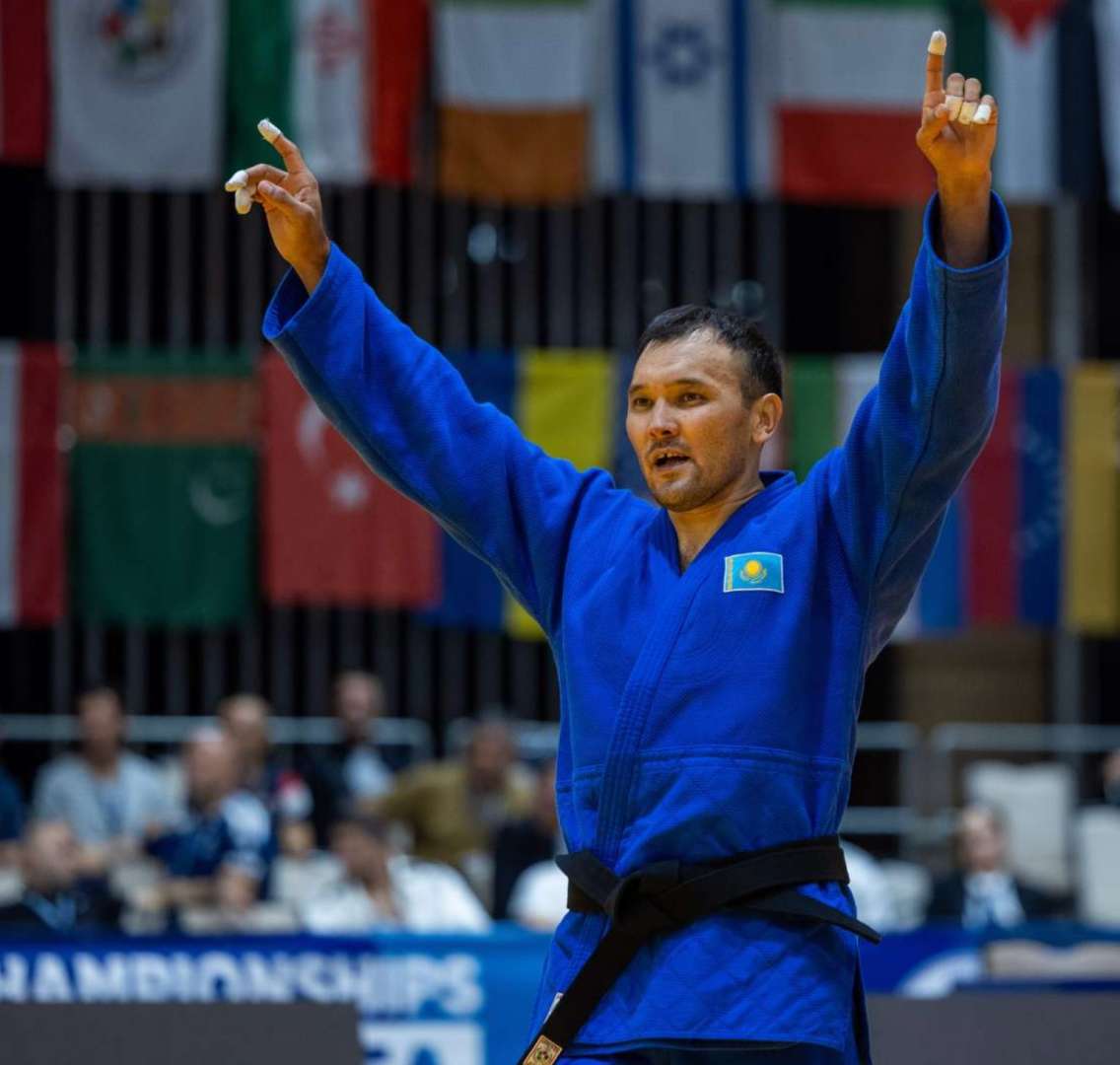
For some, the judogi has travelled through decades of training sessions, club events and competitions. The belt may have been tied thousands of times. There are habits learned over years: how to pack, how to warm up, how to prepare the body, how to find the right balance between concentration and calm before stepping onto the tatami. Behind this simple equipment lies an entire relationship with judo.
As the M5 and M6 categories take centre stage on the third day of competition, that experience is visible everywhere. It can be seen in the precise way a judoka adjusts a belt, in the rhythm of a familiar warm up, in the quiet exchanges with a coach or training partner, and in the measured movements before the call to the mat. Experience does not reduce the desire to compete. It gives it another dimension.
For veterans, reaching Sarajevo requires much more than preparing a bag. Training must fit around work, family life, club responsibilities and the need to recover well. Many of the competitors are also teachers, coaches, referees or volunteers. They help to create opportunities for others throughout the year, then find the time and energy to prepare for their own challenge.
The journey is also part of the event. Sarajevo is not simply a destination on the competition calendar. It is a meeting place. Delegations encounter one another in the hotel, on the way to the arena and in the city itself. Old friendships are renewed, new conversations begin and the international judo family continues to grow beyond the boundaries of the tatami.
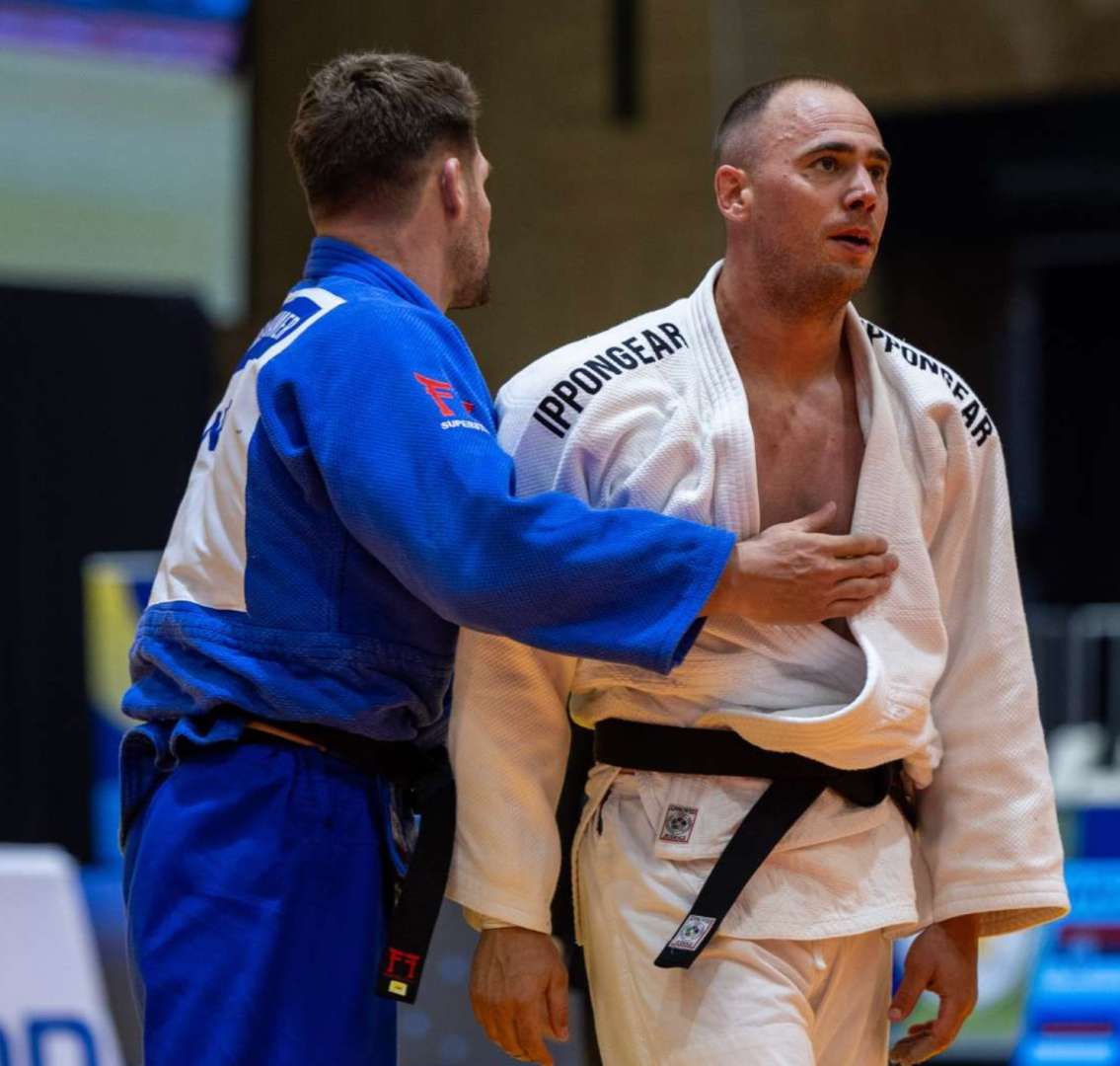
Then comes the moment when the bag is left at the side of the competition area. The judogi is on, the belt is tied and the focus narrows. There is no shortcut to this moment. Every judoka carries the preparation, the doubts, the effort and the expectations of the weeks and months that led to Sarajevo.
After the contest, the story opens again. There are handshakes, embraces, photographs and discussions. An opponent becomes a friend, or an old friend becomes an opponent once more. Advice is exchanged, performances are analysed and, often, the next meeting is already being discussed.
A medal may find its place in the bag at the end of the day. For many, however, what matters just as much is what they will take home: a contest well fought, a renewed connection with judo and a new shared memory from Sarajevo.
At these world championships, every judo bag contains more than equipment. It carries a journey, a community and a commitment that continues long after the final mate-soremade.