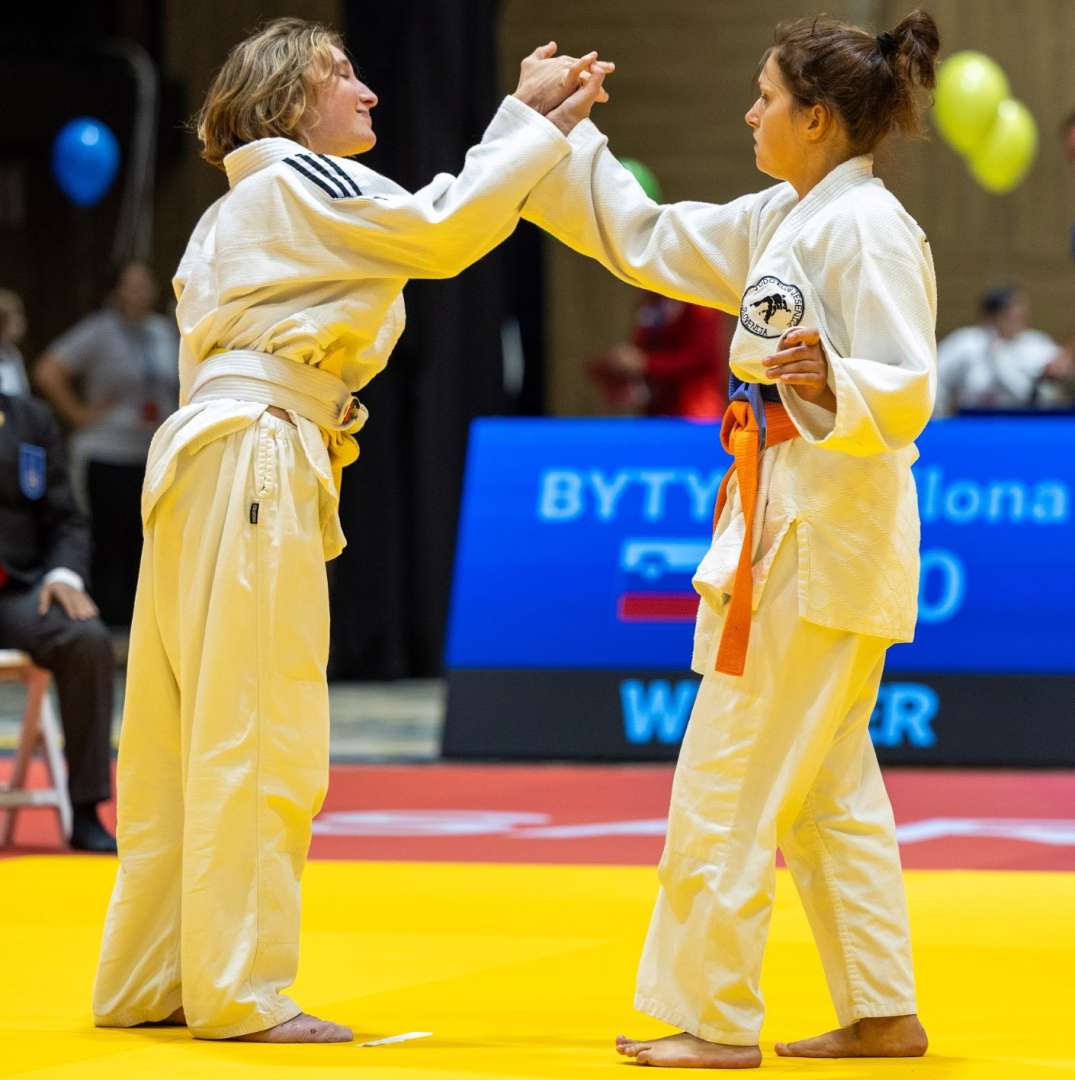

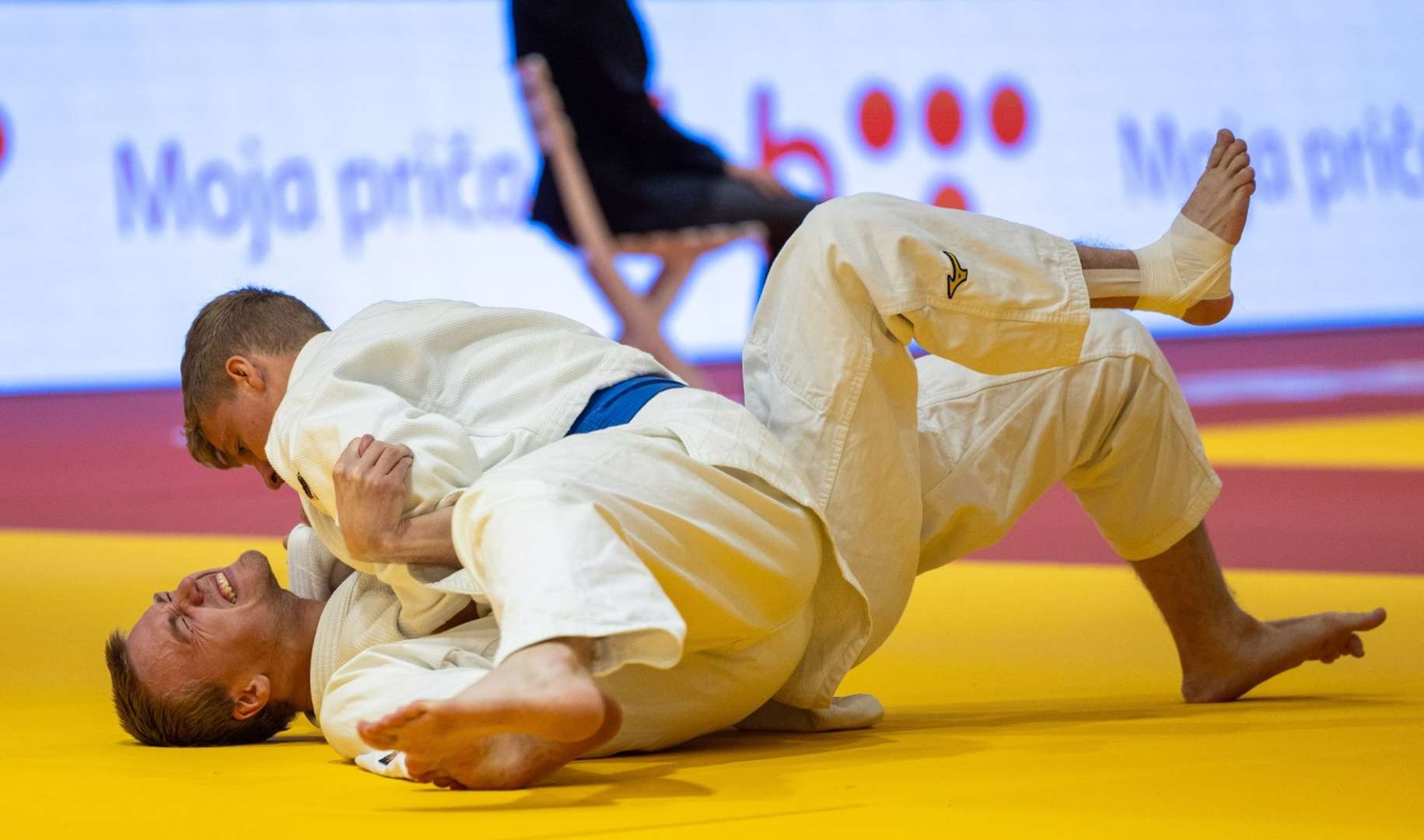
“That is what we wanted,” Miroslav Krogulec said. “It is the right approach. With the environment of the veterans and kata, there is less stress and the atmosphere is more relaxed that at the senior shiai level. The set-up is the same as for an IJF event. We feel included in the wider event and the athletes feel included in a prestigious occasion.” That feeling of belonging is central to everything Special Olympics seeks to achieve. Competition matters, performance matters, but the ambition goes much further than medals or results.
“The ultimate goal is to change lives through sport,” Miroslav Krogulec explained. “That is true for the athletes themselves and for the communities around them. We offer Special Olympics athletes an opportunity to reach a level they might otherwise never have the chance to reach.”
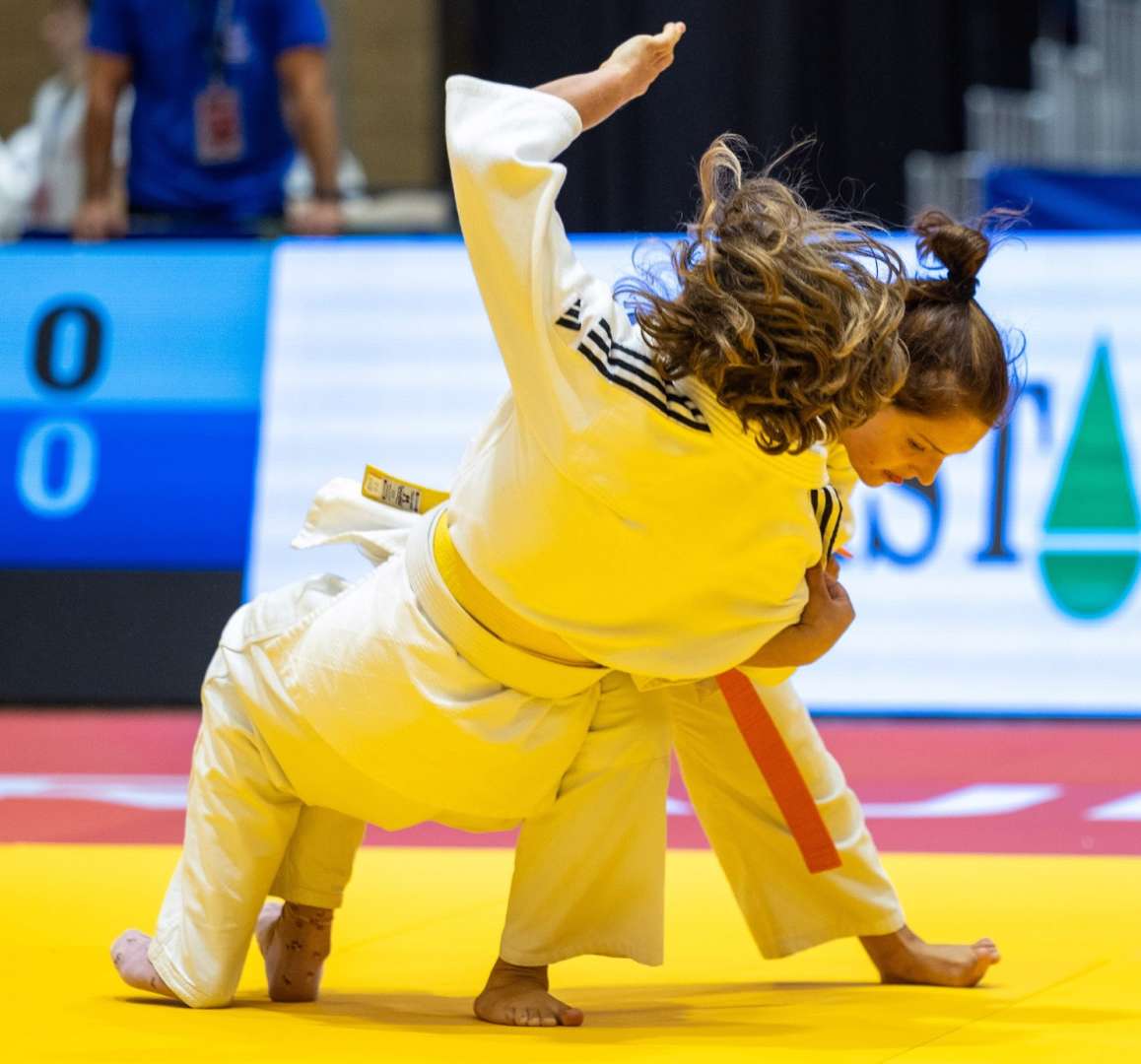
They are offered new opportunities to compete, to develop their skills and to test themselves. Just as importantly, they are offered opportunities to meet others, build relationships and create friendships that extend far beyond the tatami. Sarajevo, with its long and complex history, is a fitting place for such an event. Miroslav Krogulec first visited Bosnia and Herzegovina in 2000. Returning now, he sees a country that has changed profoundly. “Bosnia is the perfect place for our remit. It has changed a lot,” he said. “When I came here in 2000, it was a very different situation and approach. The country has developed enormously. Events like this also help to change perceptions of disability.”
The Sarajevo Special Olympics Judo Open is the first event of its kind to be staged in partnership with the International Judo Federation. It follows the memorandum of understanding signed by the IJF and Special Olympics International in 2025, an agreement designed to widen opportunity and strengthen inclusion across the global judo community.
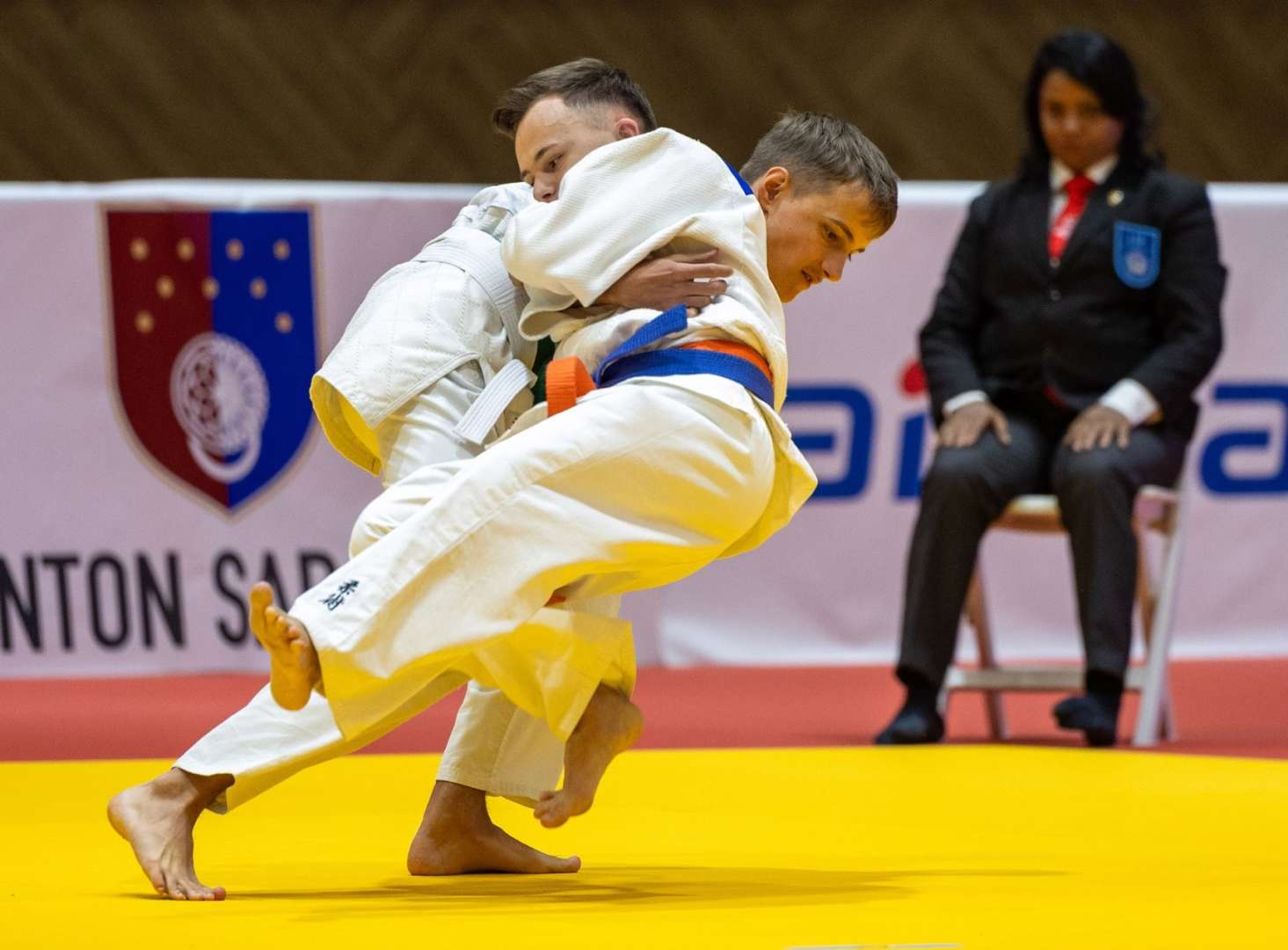
For Miroslav Krogulec, the timing was right. “We were ready now. We have already learned a lot about what we need to do and develop. We will continue to work together, learn and adapt.”
The impact of the event is already being felt in several directions. It serves the athletes directly by placing them in an international environment of exceptional quality. It also sends a wider message to national programmes and local communities: inclusion is not an abstract concept but something that must be experienced and organised in real life. “If we could have this event every year, it would become a goal for many countries to join."
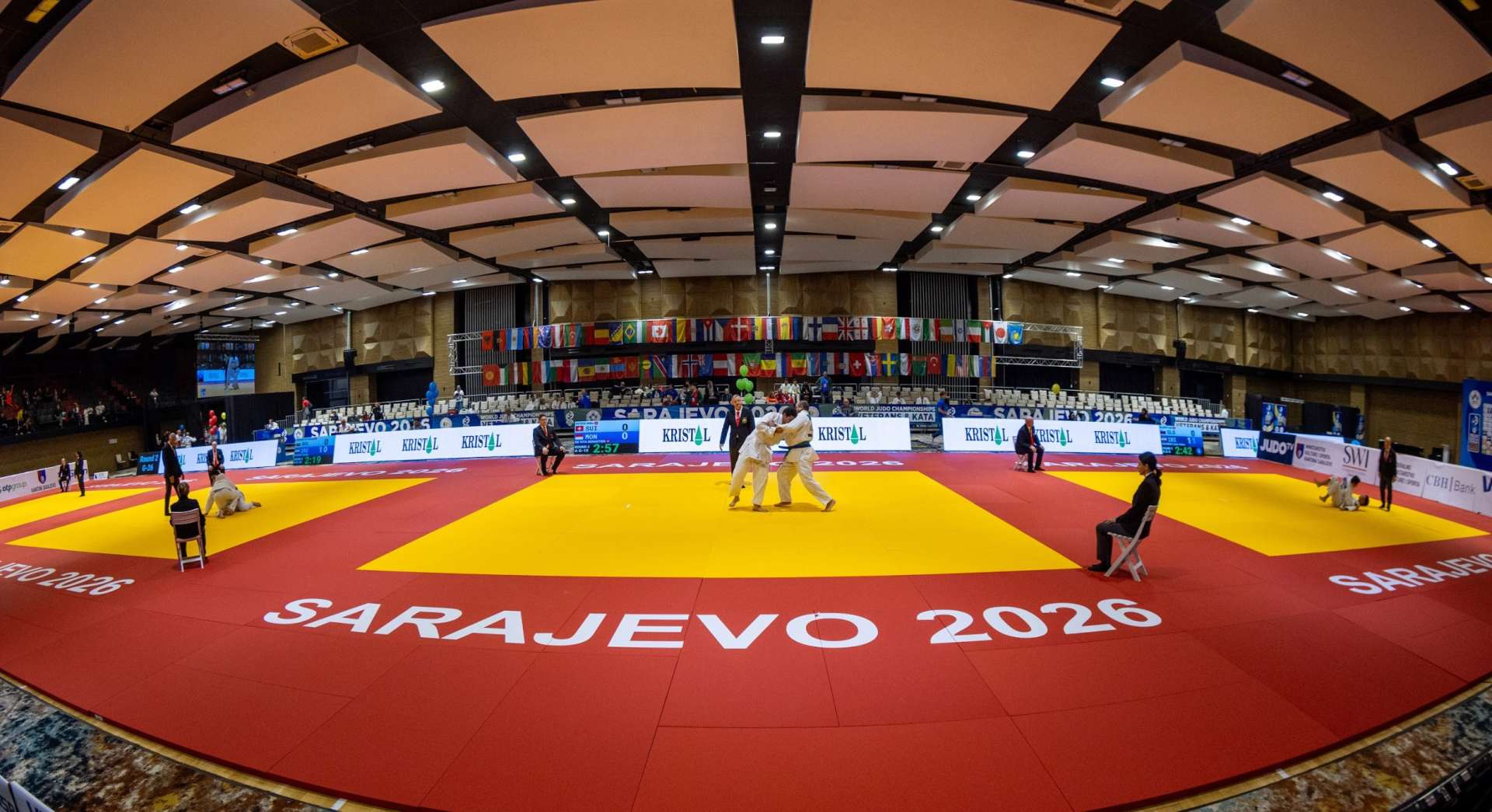
Judo has a particular place within Special Olympics. As a combat sport, it was not included from the beginning. Its advocates needed to convince leaders that it had a rightful place in the programme. Today, judo is the only combat sport included within Special Olympics. That status is not accidental. Judo brings a framework of acceptance, respect, co-operation and inclusion. It offers a disciplined environment in which athletes of different genders, ages and abilities can learn together, compete fairly and be recognised for who they are. “We have both genders, age differences and everyone is included,” Krogulec said. “The values that judo brings are very important.”
He also underlined that inclusion has two equally important effects. It changes the lives of the people being served but it also changes the people who support them, coach them, officiate their contests and share their daily environment. “We can learn from both sides. We can learn from people who cannot speak or walk. We need to shift our approach and our understanding.”
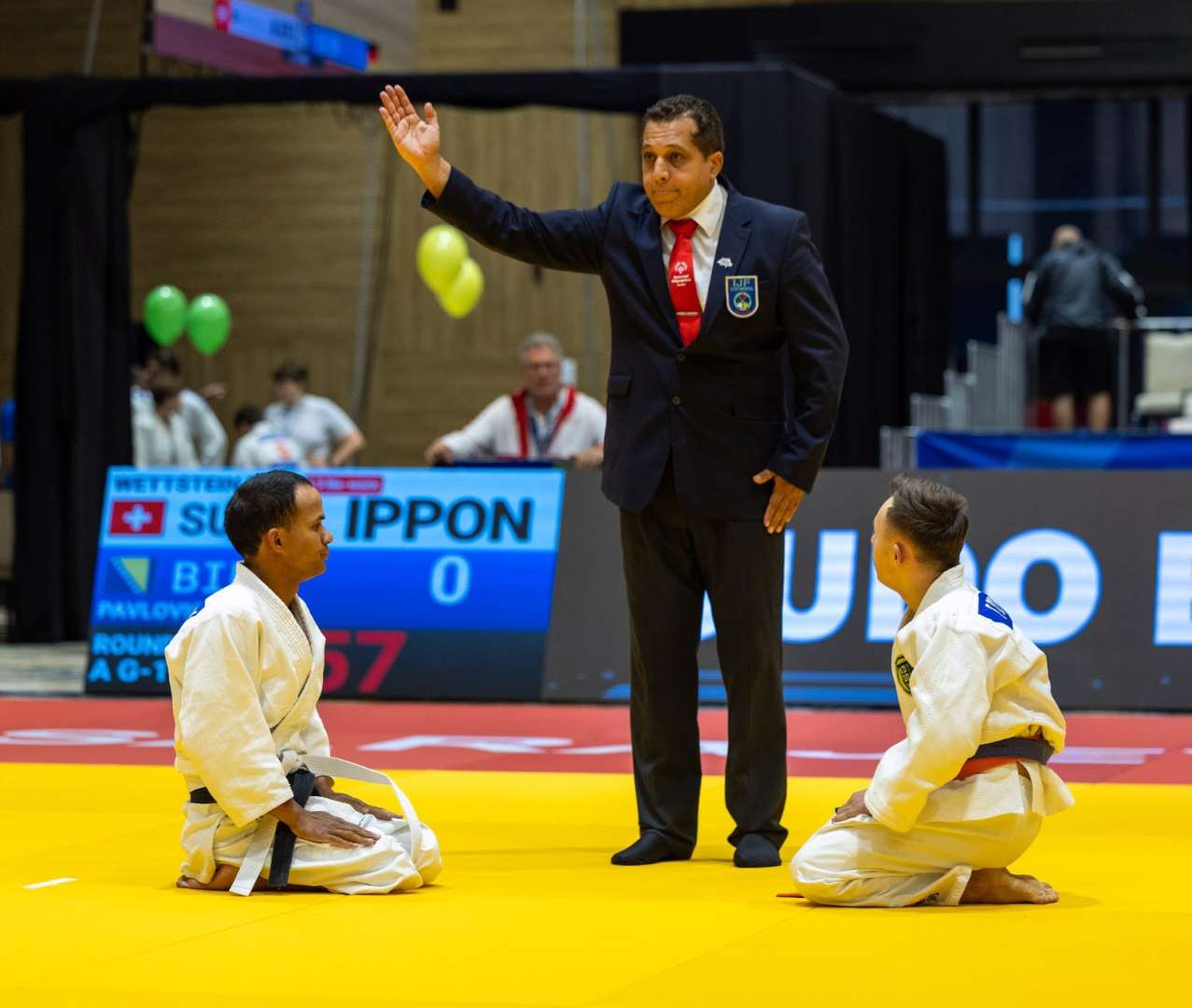
In that sense, the Sarajevo event is also educational for the future. It offers referees, coaches and officials an opportunity to gain direct experience in an inclusive competition environment. It invites them to look beyond habitual assumptions and to understand the realities, capacities and needs of every athlete in front of them.
Direct contact is essential, particularly after years in which the pandemic and digitalisation altered so much human interaction. “The best solution is to interact,” Miroslav Krogulec concluded. “You can learn from books but being with people is the key. Inclusion gives us the chance to interact. It is a two-way process.”
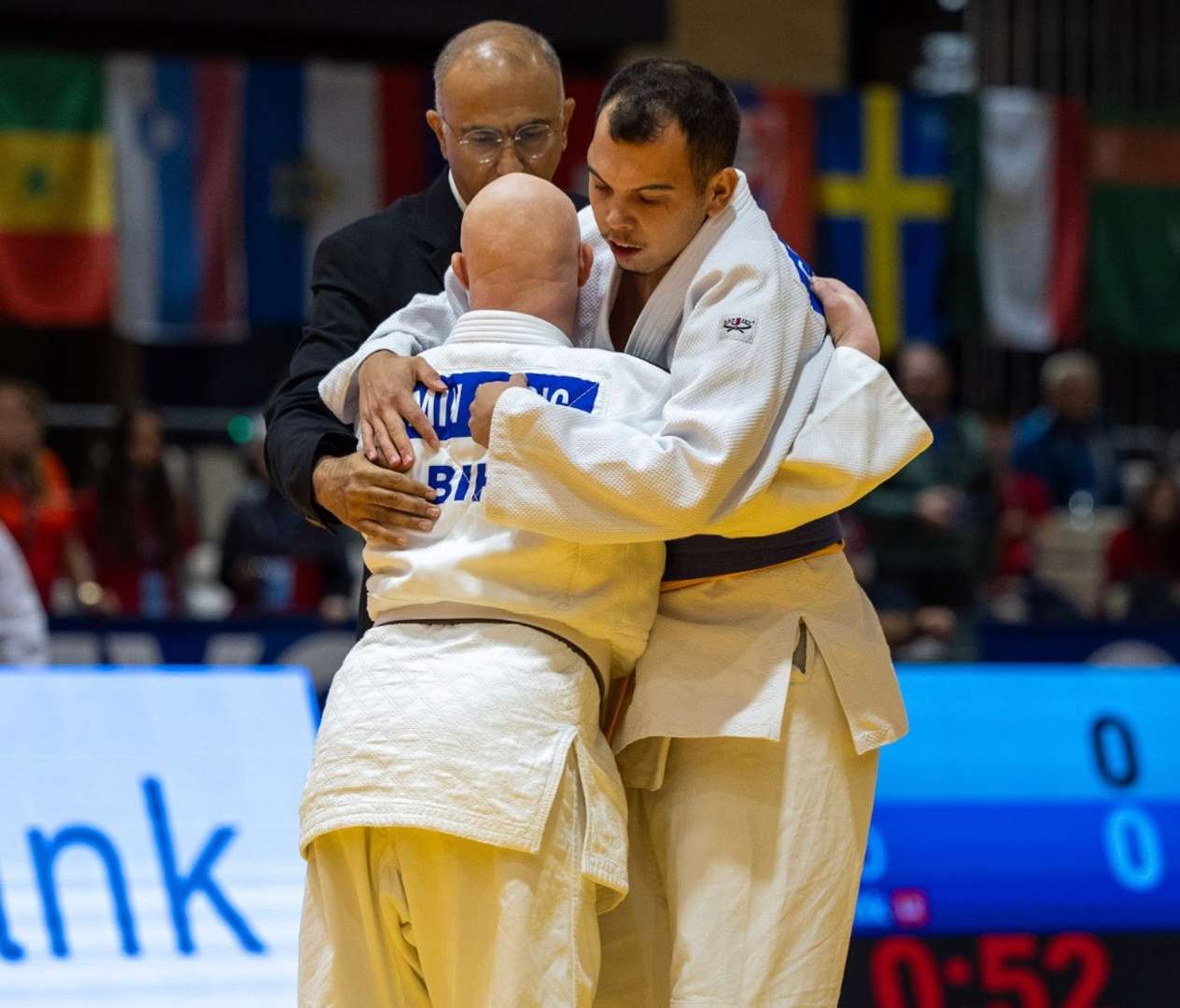
At Hotel Hills, that process is already under way. The athletes are competing, learning, meeting and sharing. Around them, the wider judo family is doing the same. Sarajevo is not simply hosting a competition, it is helping to redefine what a truly inclusive judo event can be.