

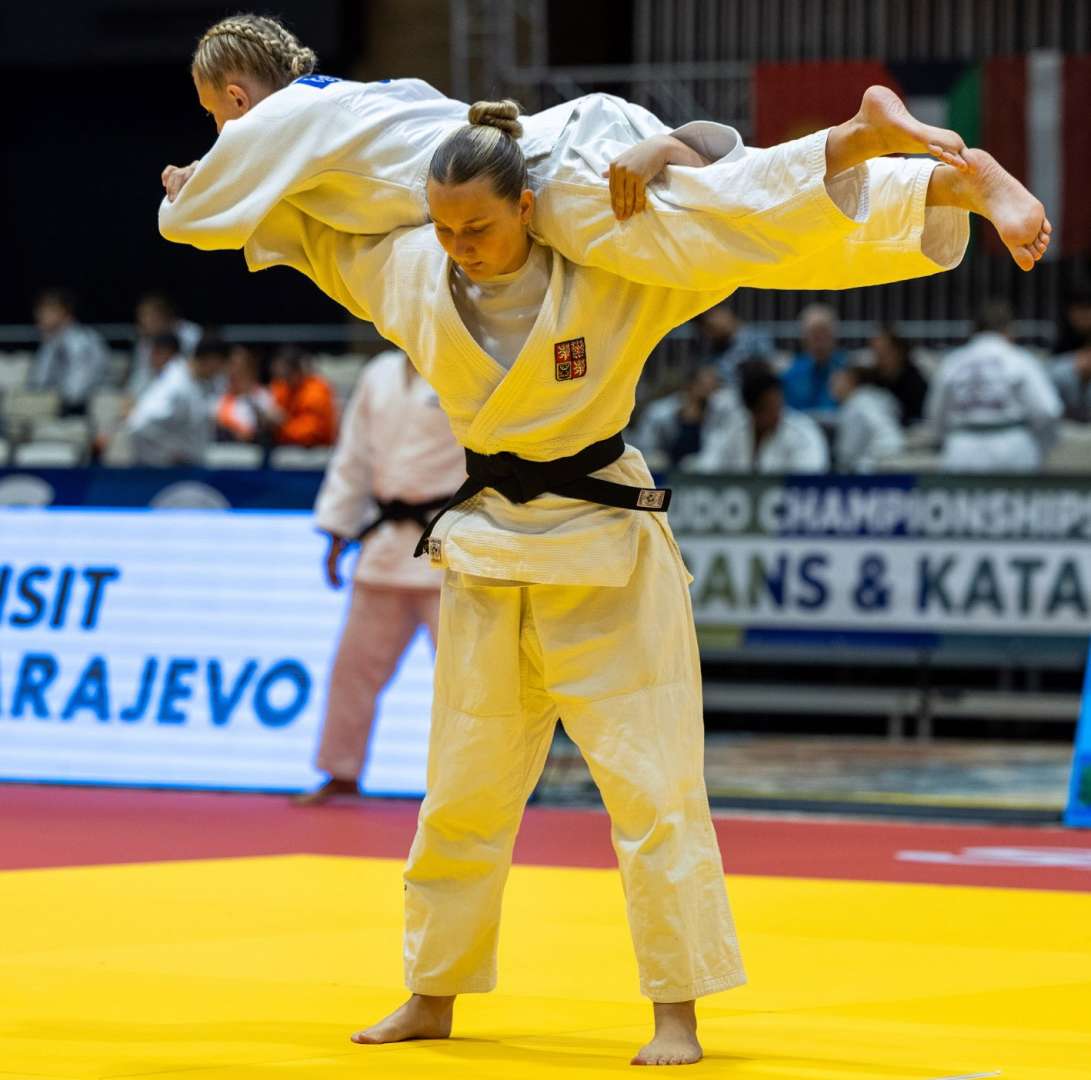
In the judo progression developed by Jean-Luc Rougé, 10th dan and chair of the International Judo Federation Kata Commission, it appears from green belt onwards. “More than learning techniques, it is a discovery of the principles of judo,” he says. When the subject is principles, the work goes far beyond the visual impact of a throw.
Nage-no-kata means ‘the form of throwing techniques.’ Its origins lie in a first version developed around 1884 and 1885, during the very early years of the Kodokan, founded by Jigoro Kano Shihan. Judo itself had been created in 1882, when Kano was only twenty-two years old. The original Nage-no-kata comprised ten techniques.
At the beginning of the 1890s, it evolved into a form of fifteen techniques. Over the years, the kata was refined and adjusted until it reached the version practised today.
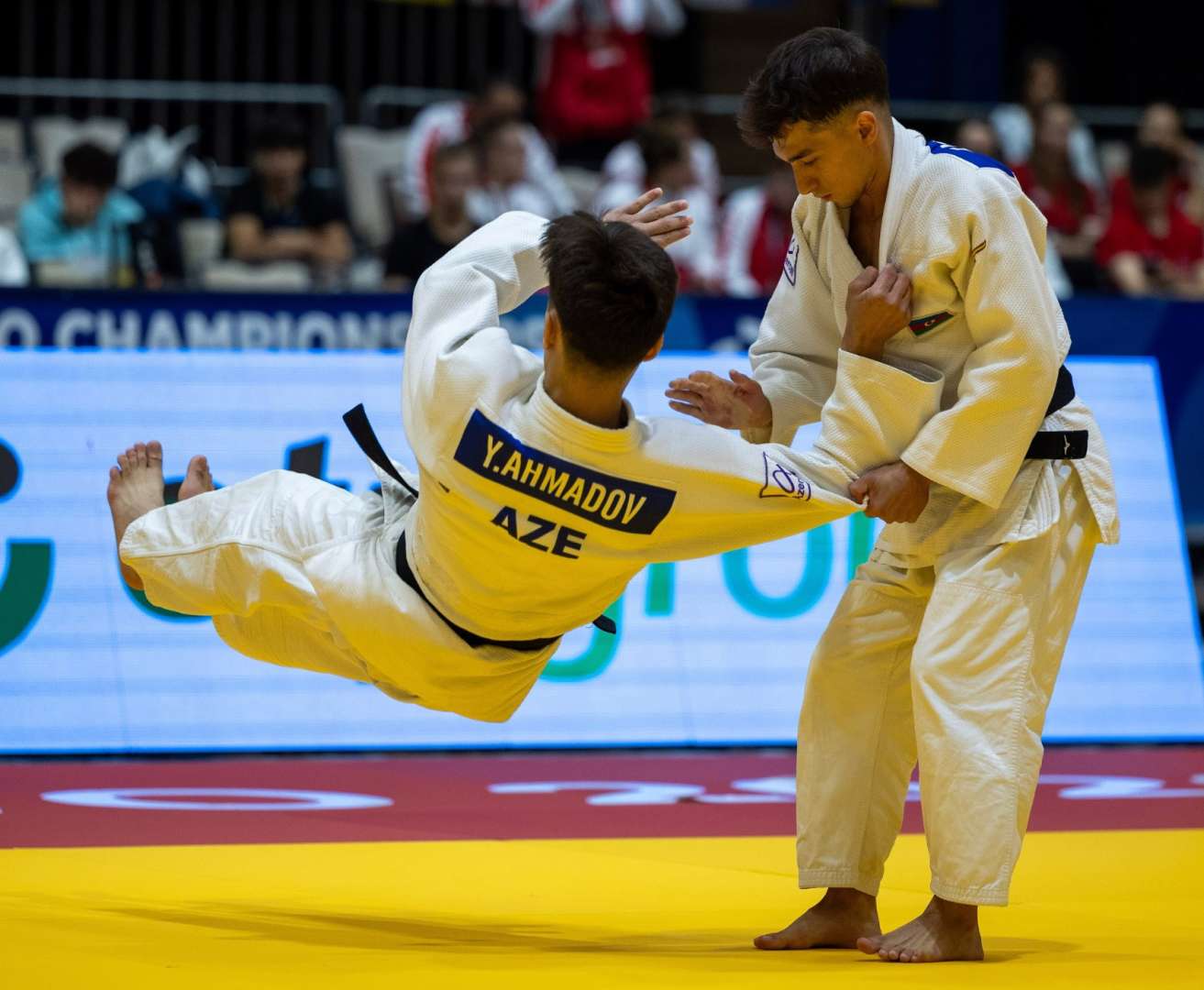
Nage-no-kata cannot be separated from Katame-no-kata fully. Together, they form the Randori-no-kata: the study of principles that must then find their place in randori.
Nage-no-kata is not a catalogue of throws. That role belongs more naturally to the Gokyo, which organises the throwing techniques of judo into a teaching progression. Nage-no-kata is a study of the logic behind the throw: creating imbalance, kuzushi; building the entry and position, tsukuri; then executing the technique, kake.
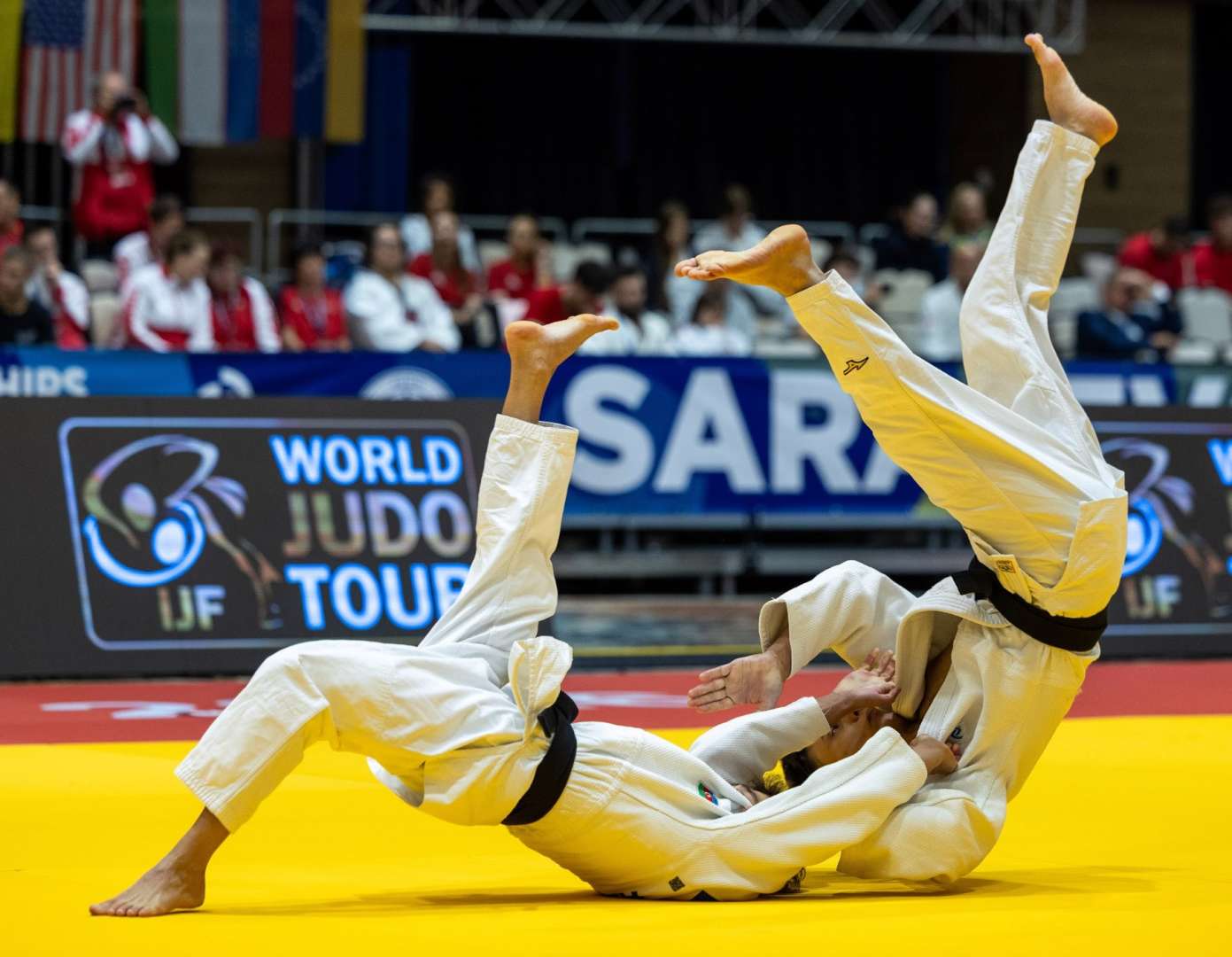
Kodokan President Haruki Uemura has underlined that the fifteen techniques of Nage-no-kata teach principles that can be applied to every throwing technique, including those not included in the kata itself, such as o-soto-gari.
As practised and observed at the 2026 World Championships Kata, Nage-no-kata comprises fifteen techniques arranged in five series of three. Each technique is performed on both the right and left, leading to thirty executions in total.
- Te-waza — hand techniques: Uki-otoshi, seoi-nage, kata-guruma
- Koshi-waza — hip techniques: Uki-goshi, harai-goshi, tsurikomi-goshi
- Ashi-waza — leg techniques: Okuri-ashi-harai, sasae-tsurikomi-ashi, uchi-mata
- Ma-sutemi-waza — rear sacrifice techniques: Tomoe-nage, ura-nage, sumi-gaeshi
- Yoko-sutemi-waza — lateral sacrifice techniques: Yoko-otoshi, tani-otoshi, uki-waza
The work does not belong to tori alone. While tori performs the throw, uke is an indispensable part of its correct execution, as is the case in every judo kata. Uke attacks, gets into position, reacts and receives the technique with precision. The quality of a Nage-no-kata demonstration rests as much on the relationship between the tori and uke, on distance, rhythm, direction and safety, as on the throw itself.
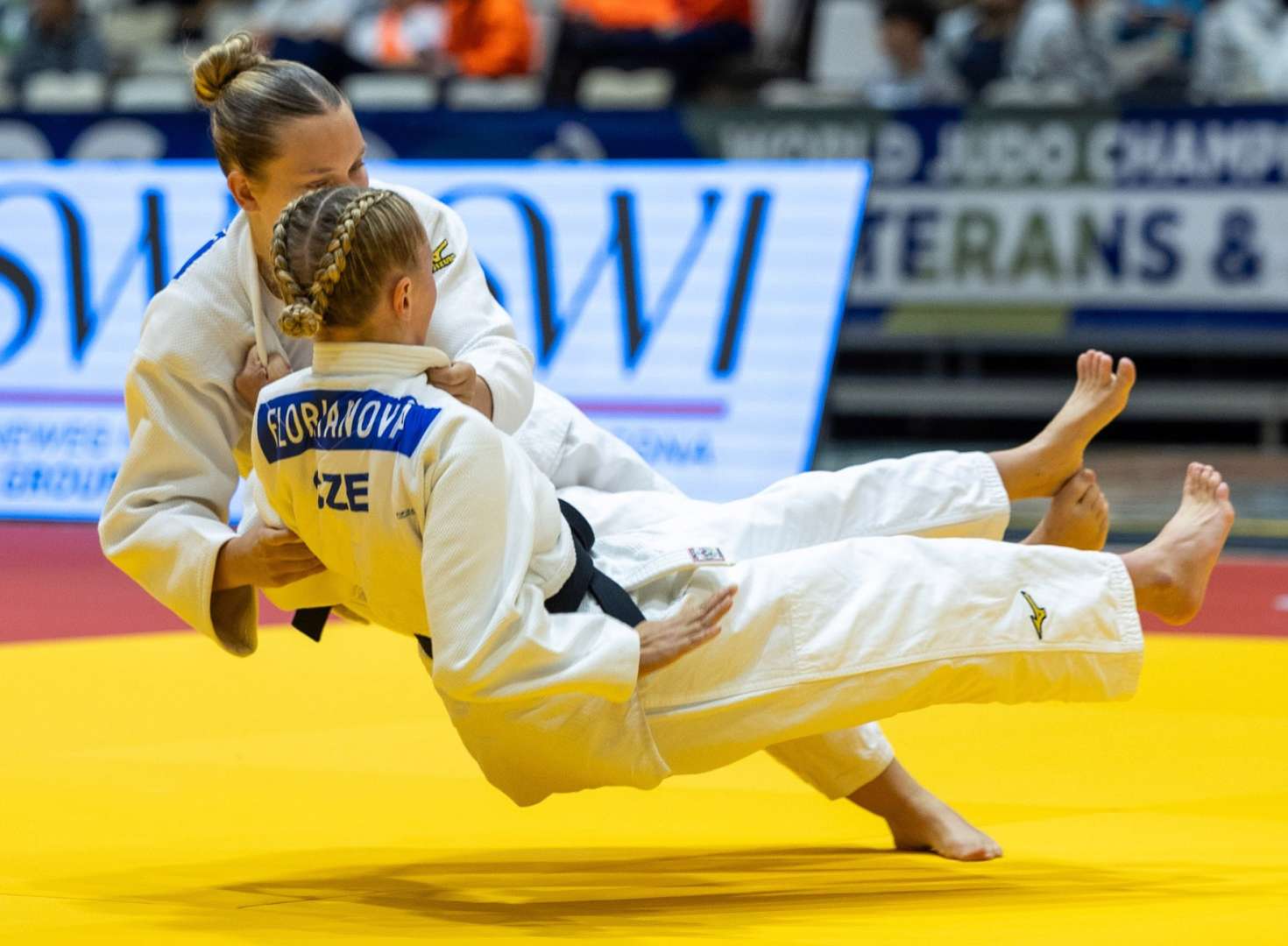
This is why the kata remains such a valuable teaching method. It teaches a judoka to see the movement before attempting it, to understand the conditions that make it possible and to recognise the difference between force and effectiveness.
Competition can assess this rigour but it is not the kata’s primary purpose. Its real value lies in offering a method of study: understanding why a throw works, then finding those principles again in randori and in living judo. As Haruki Uemura has explained, the fifteen techniques provide the basis for understanding techniques beyond the form itself.