
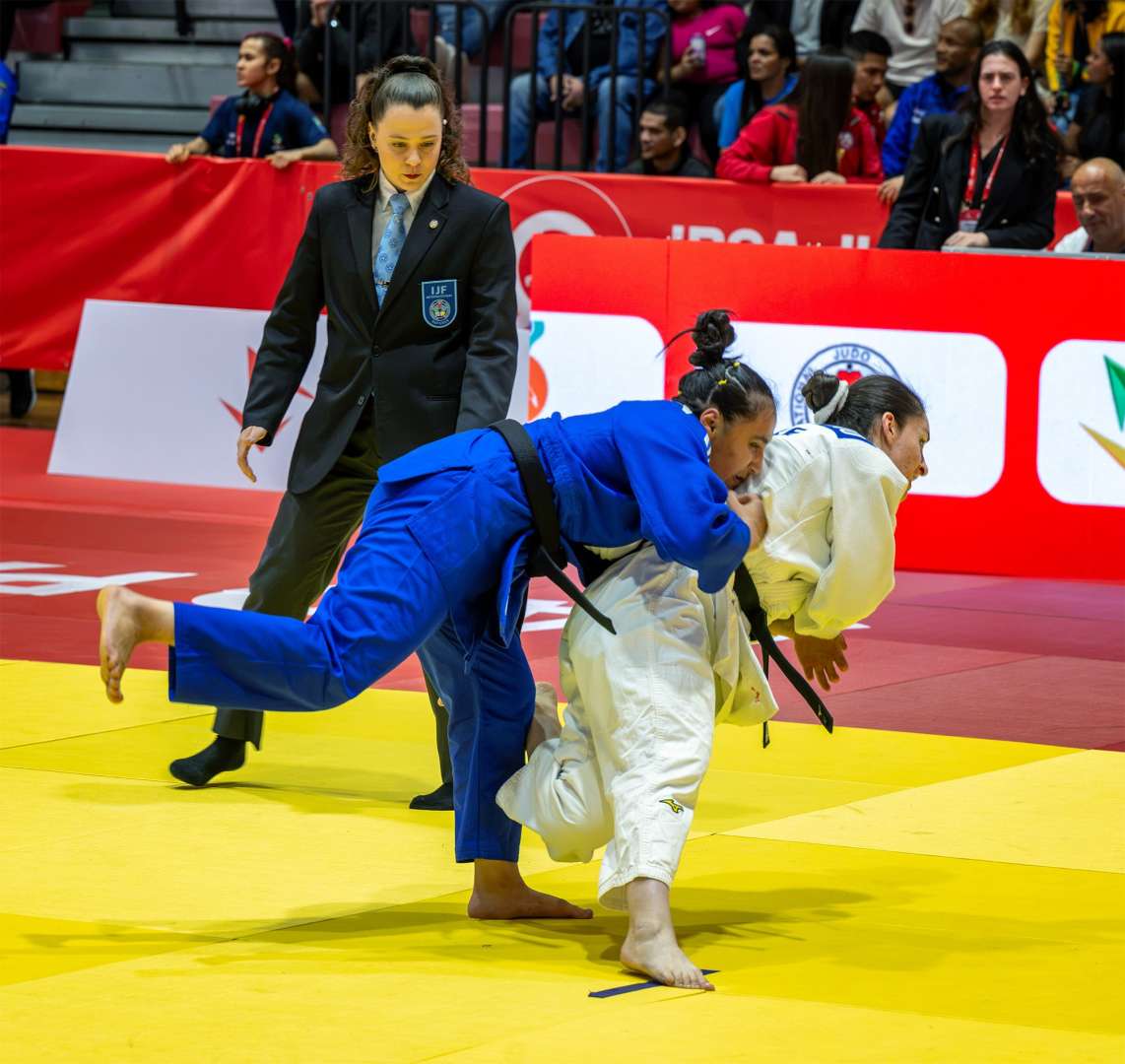
Watching an IBSA competition for the first time can be a surprising experience. To an unfamiliar eye, the contests may seem different. In reality, they reveal the essence of judo with remarkable clarity. Without vision, many of the movements that often precede an attack simply disappear. There is no searching glance, no attempt to deceive with body language from a distance, no unnecessary circling around the tatami. Once the grip is established, everything has meaning.
Every adjustment seeks balance. Every shift of the feet prepares an attack or prevents one. Every change of pressure delivers information. Nothing is wasted because nothing can be wasted. The contest becomes an uninterrupted dialogue through movement, where efficiency is not merely an objective but a necessity.
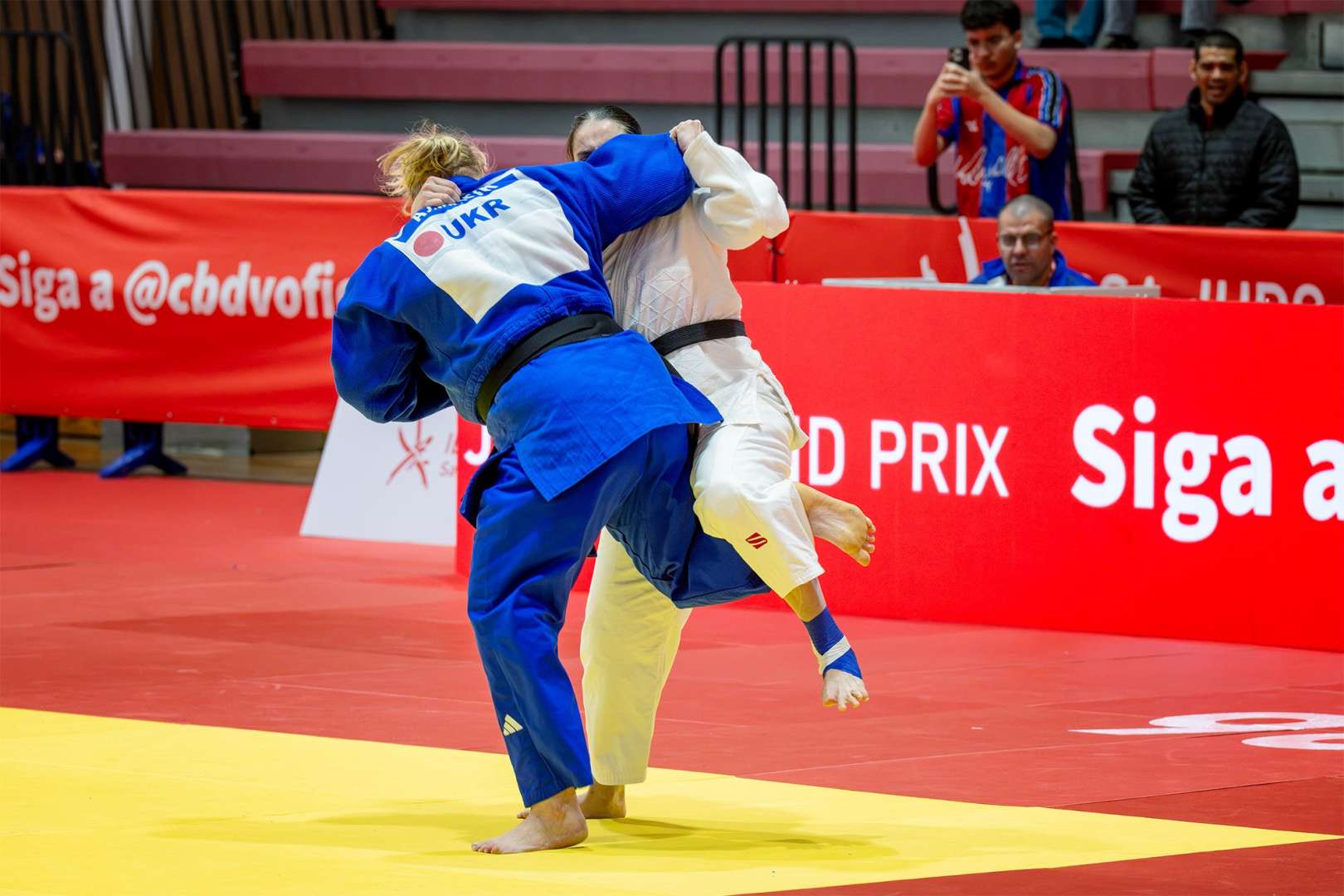
Perhaps this is why Para judo is so fascinating to watch. The techniques are the same. The rules are almost identical. The values are exactly those envisioned by Kano. Yet by removing one sense, the sport reveals another dimension of itself. It strips away everything that is superfluous and leaves only what truly matters: balance, timing, technique and the intelligent use of energy.
In that sense, para judo is not another form of judo; it is a reminder of what judo has always sought to become. It is not a demonstration of strength, but an expression of efficiency; not a succession of movements, but a search for the one movement that is necessary.
Perhaps this is one of the greatest lessons offered by the athletes competing in São Paulo. Sometimes, by taking something away, we discover the very essence of what remains.