
Long before the referee calls 'Hajime', every athlete has already entrusted something precious to another person. In most combat sports, trust is built after the contest. It grows out of the respect opponents develop for one another once the contest is over. In Para judo, it comes first.
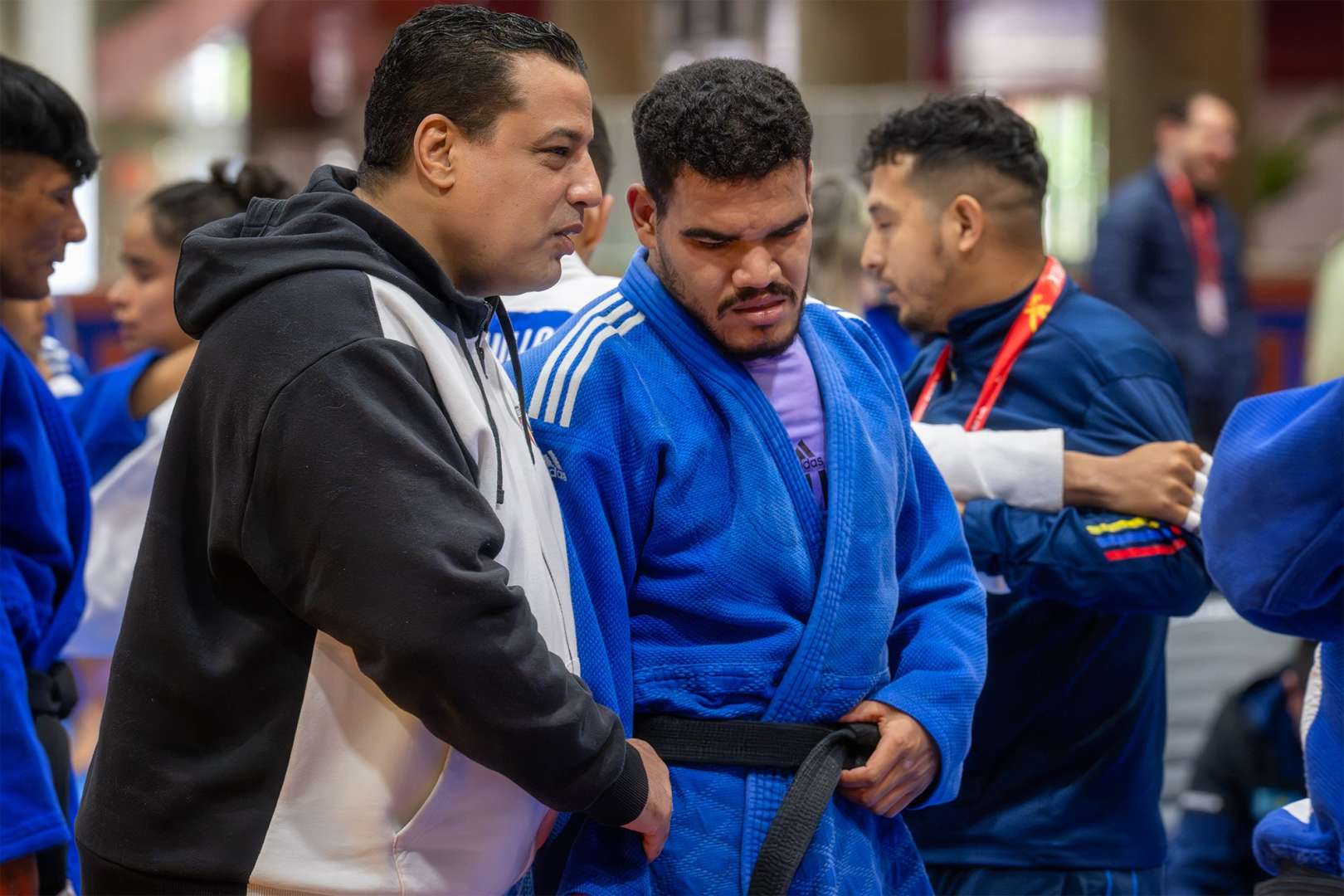
The contest begins long before the bow. It begins in the corridors of the arena, in the warm-up hall and during the short walk to the tatami. The athlete follows the reassuring voice of a coach or guide through a busy and often noisy environment. The referee welcomes them onto the contest area, positions them correctly and ensures that the two competitors begin under perfectly equal conditions.
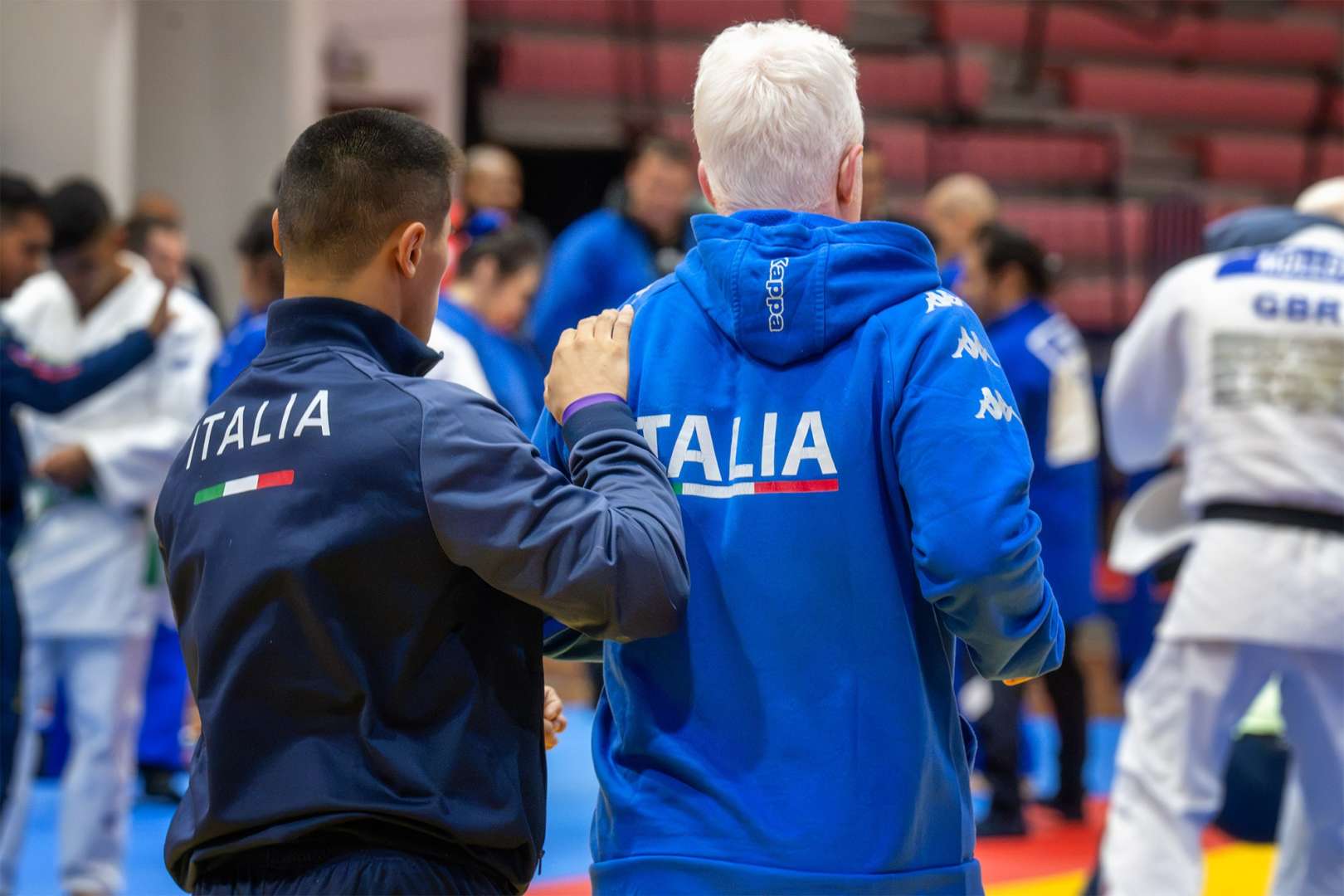
None of these gestures truly attract attention, because they are natural, yet every one of them is founded on trust, trust in the guide who leads the way, trust in the referee who becomes a point of reference and trust in an entire organisation that allows the athlete to focus solely on what truly matters: expressing their judo in a completely safe environment.
Perhaps this is what makes Para judo so unique. The opponent is not simply the person standing on the other side of the tatami. From the very first grip, the two judoka enter into an unspoken pact. They accept the same rules, the same responsibilities and the same commitment to one another's safety, while giving absolutely everything in pursuit of victory. The intensity of the contest is never diminished. On the contrary, it is built upon a mutual respect that exists even before the first attack is launched.
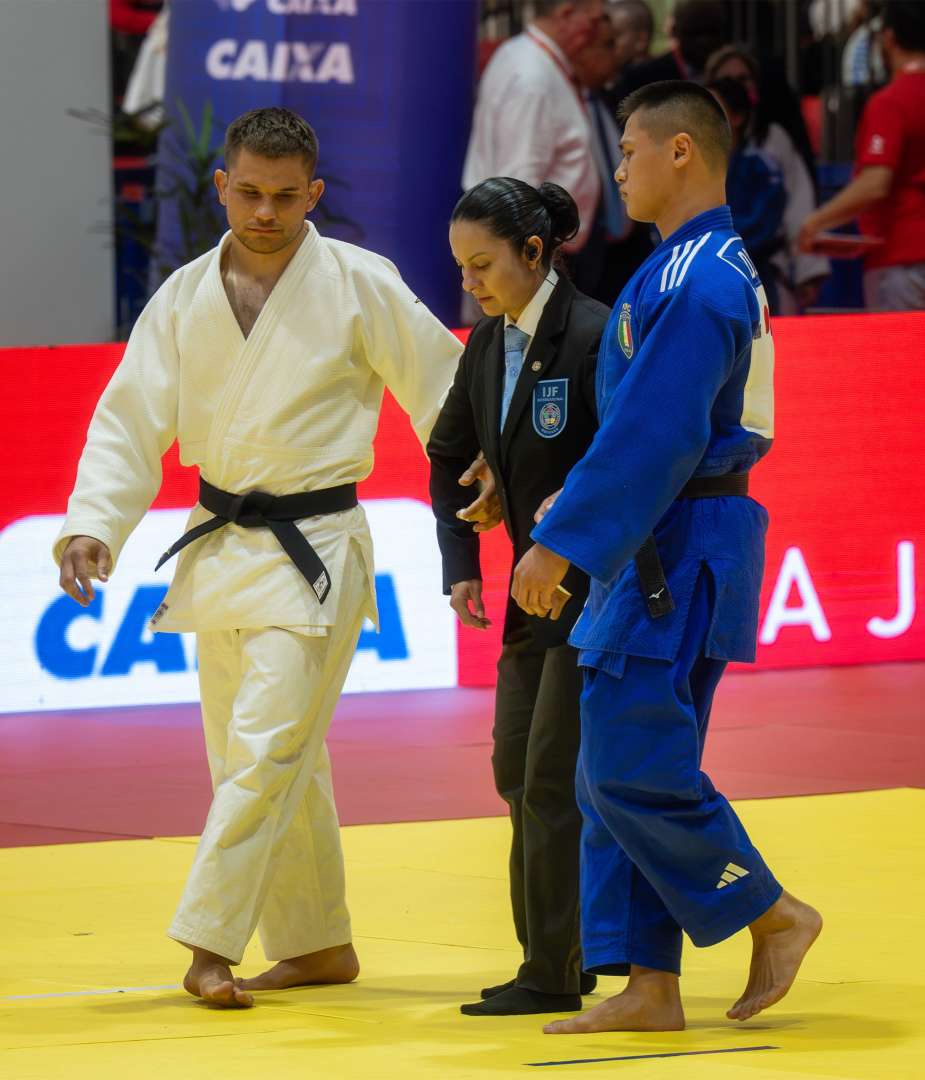
Jigoro Kano Shihan made 'Jita Kyoei', mutual welfare and benefit, one of the founding principles of judo. It is often associated with education, friendship and living together in harmony. Yet perhaps nowhere is this principle more visible than in Para judo competition. It can be seen in the volunteer quietly offering an arm, in the coach accompanying an athlete to the edge of the tatami, in the referee guiding the competitors into their starting position and, ultimately, in two judoka who trust each other enough to engage in one of the most demanding forms of sporting contest imaginable. None of these gestures weaken the competition; they make it possible.
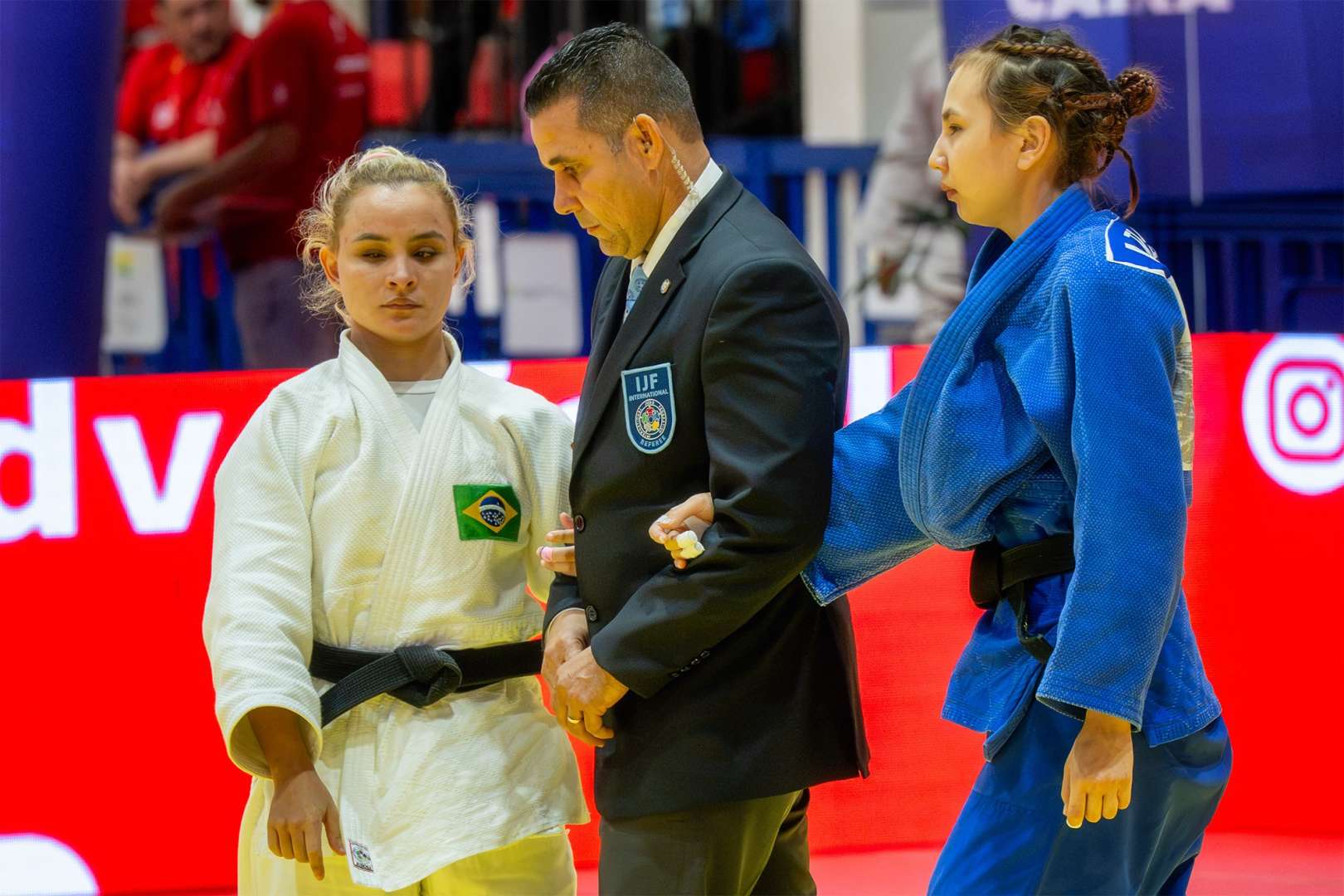
Perhaps this is one of the greatest lessons Para judo has to offer. Trust is not the consequence of victory or defeat. It is not the reward for fair play once the contest has ended. It is the very first step on the journey, before the bow, before the first grip, before the first attack. In Para judo, trust comes first.