
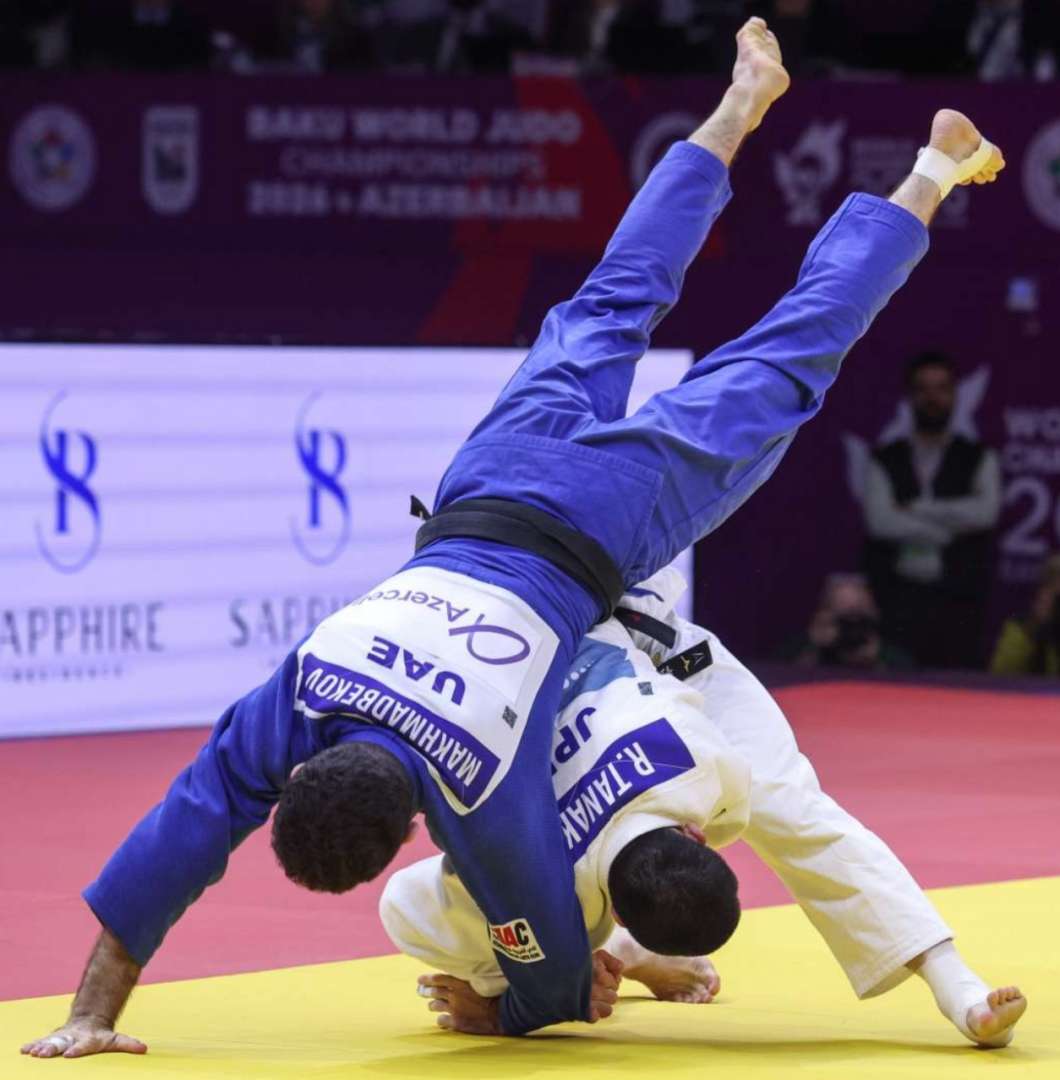
Baku is enjoying a genuine, popular success, helped in no small part by the performances of the home team. Currently, Azerbaijan stands second on the medal table, following Ahmad Yusifov’s gold medal on the opening day, a silver from Zelim Tckaev on day 4 and bronze medals from Rashid Mammadaliyev and Omar Rajabli. Republic of Azerbaijan President H.E. Ilham Aliyev was present to witness the exploits of the Azerbaijani judoka.
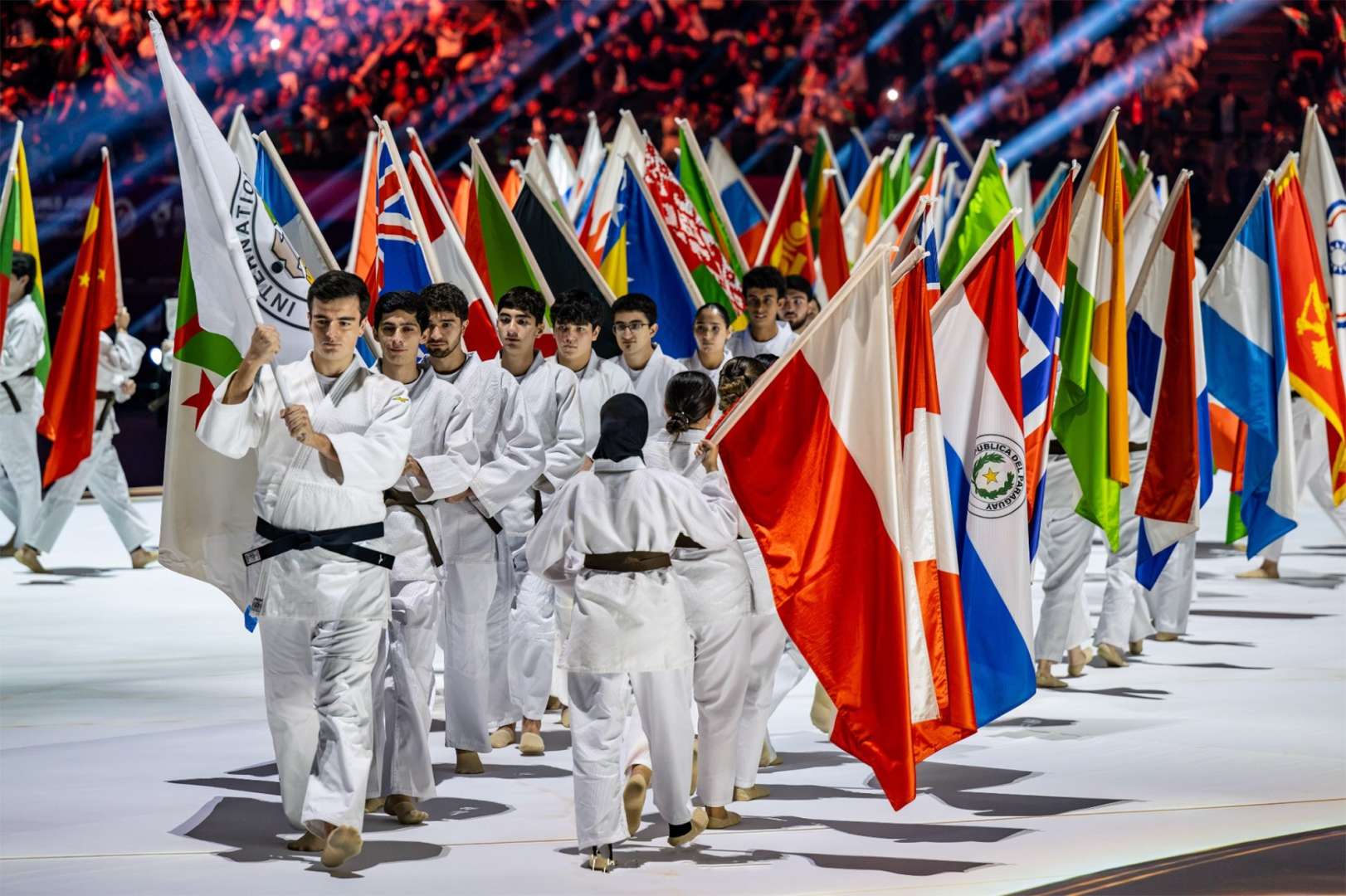
The success is not only sporting. The event has also been marked by a strong cultural identity at every level, illustrated magnificently by the opening ceremony. The country of fire has created a memorable setting for the world’s best judoka.
At the top of the medal table, and some distance ahead, Japan is once again demonstrating its exceptional strength. After four days of competition, the founding nation of judo has already collected six world titles. In spite of an ever stronger international field, Japan continues to raise its level when it matters most.
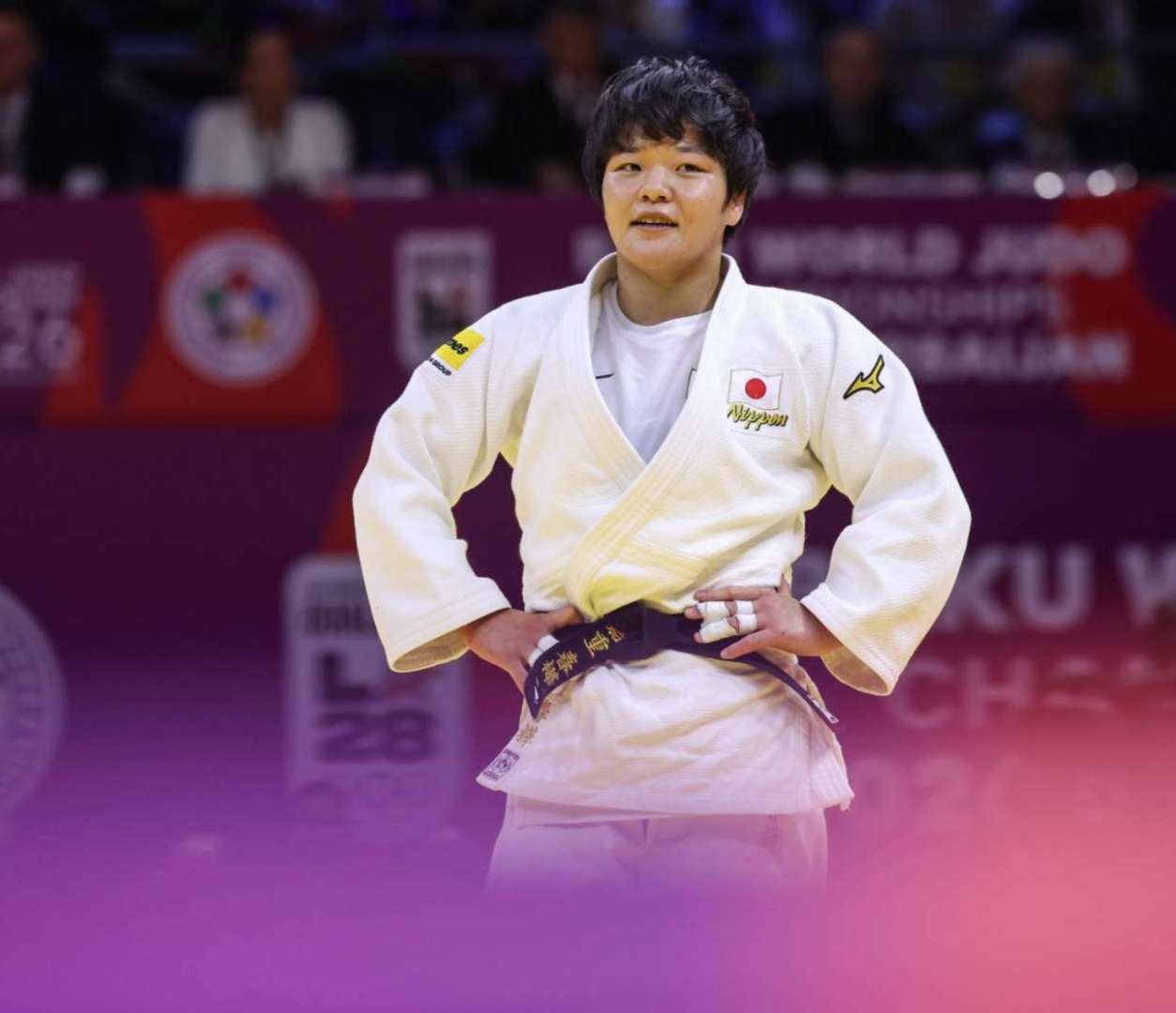
Among those Japanese victories, Haruka Kaju’s stands out. Still unbeaten on the World Judo Tour, she has not conceded a single score since her arrival on the circuit. Uta and Hifumi Abe have also shown once again why they remain among the greatest champions of their generation. Even when the route becomes difficult, brother and sister find the extra energy needed to reach the summit.
Georgia completes the leading trio, with one medal of each colour. Behind them, the distribution is wider; fifteen nations have already reached the podium. It is another powerful reminder that judo is universal, a sport in which nations from across the world can not only take part but perform at the very highest level.
World championship medals shape careers and remain in the memory. Alongside the expected confirmations, Baku has also revealed fresh faces, athletes who arrived with limited experience at this level but brought confidence, freedom and a welcome sense of renewal. Mihajlo Simin (SRB), a bronze medallist at -81 kg at just 21 years of age, is a fine example. His first major world championship has already become a breakthrough moment.
Other leading nations remain below their usual positions and will fight to climb the standings in the days ahead. This is a world championship, the most important event of the season and a key step on the road to the Los Angeles 2028 Olympic Games. Everyone wants to shine here.
Nothing comes easily. No athlete, whatever their ranking, arrived in Baku expecting a simple path. The draw has already produced contests worthy of finals, long before the final block. That is precisely what makes these championships so compelling.
The full conclusions will come in a few days’ time, when every delegation and every athlete will assess what has been achieved and what must be learned. Until then, Baku continues to offer a magnificent spectacle.