
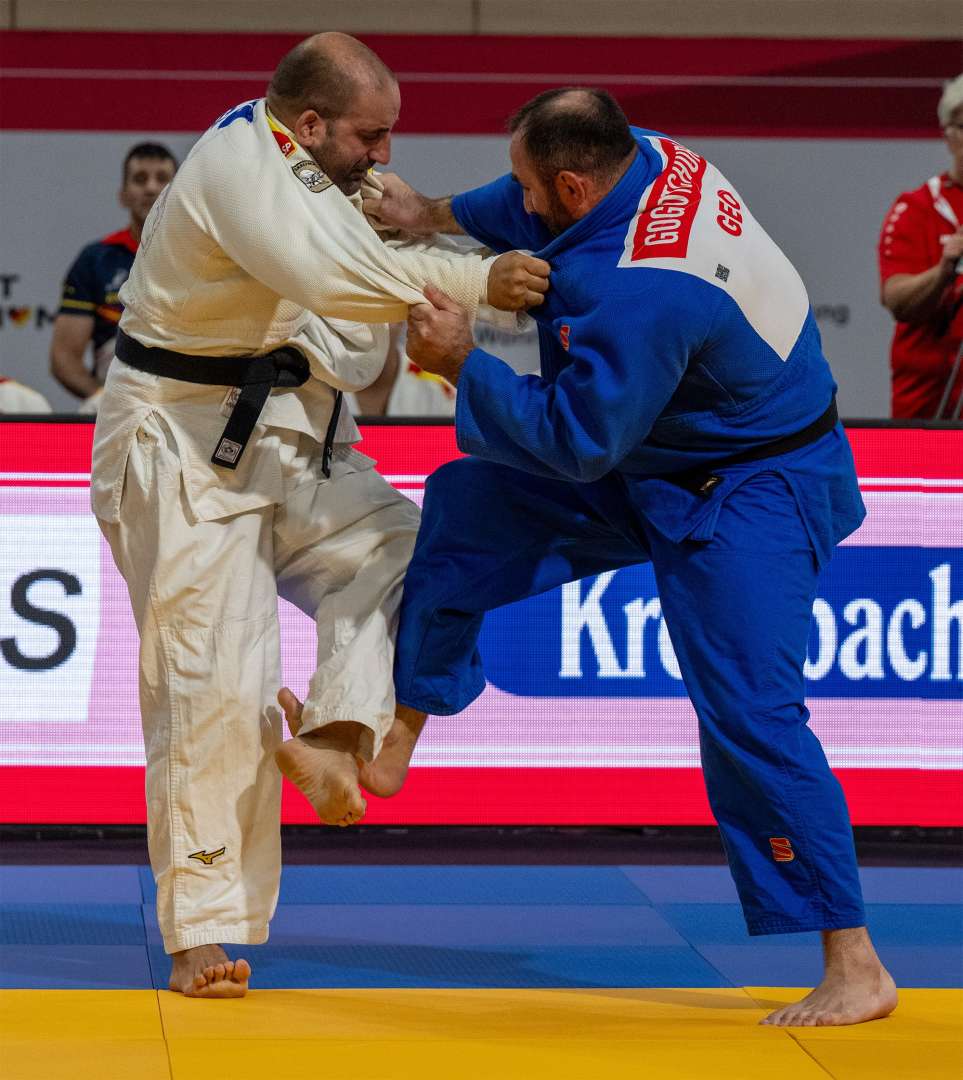
One of the immediate consequences is easy to hear. The noise level rises as soon as the first teams step on to the tatami. Teammates become supporters, coaches become even more animated and every score is celebrated, not by one judoka alone but by an entire group. The European Para Judo Championships were no exception and throughout the final day the atmosphere inside the arena in Heidelberg was extraordinary.
There is another particularity which gives the Para judo team format its character. J1 and J2 judoka compete side by side within the same team, each contributing to the same objective. They encourage one another, support one another and share every victory and disappointment. More than in any other format, mutual support therefore lies at the heart of the action.
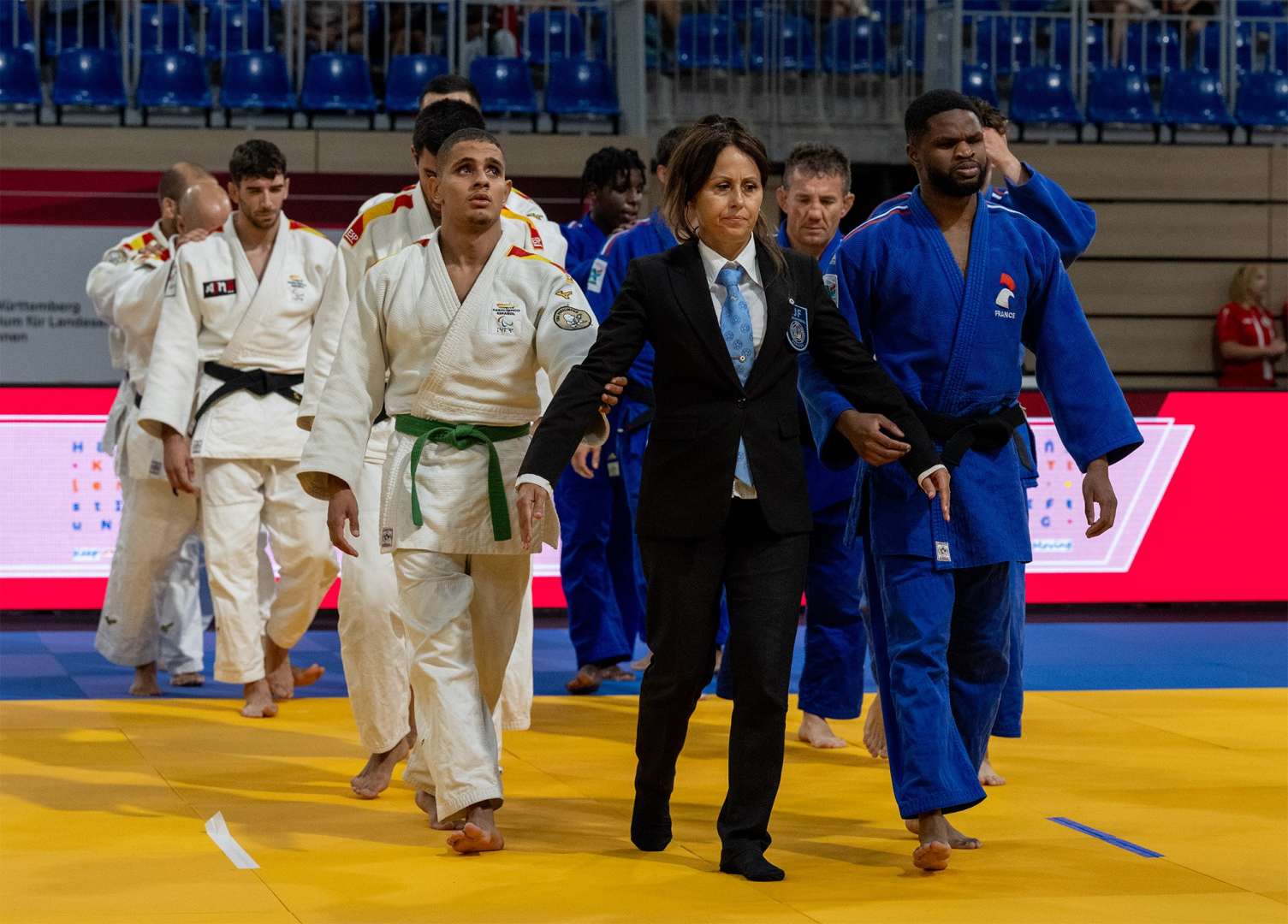
In this I t is difficult not to see an expression of jita kyoei, the principle of mutual welfare and benefit that was so important to judo’s founder Jigoro Kano Shihan. On an individual competition day, judoka step on to the tatami alone. In a team event, they still fight alone but never only for themselves.
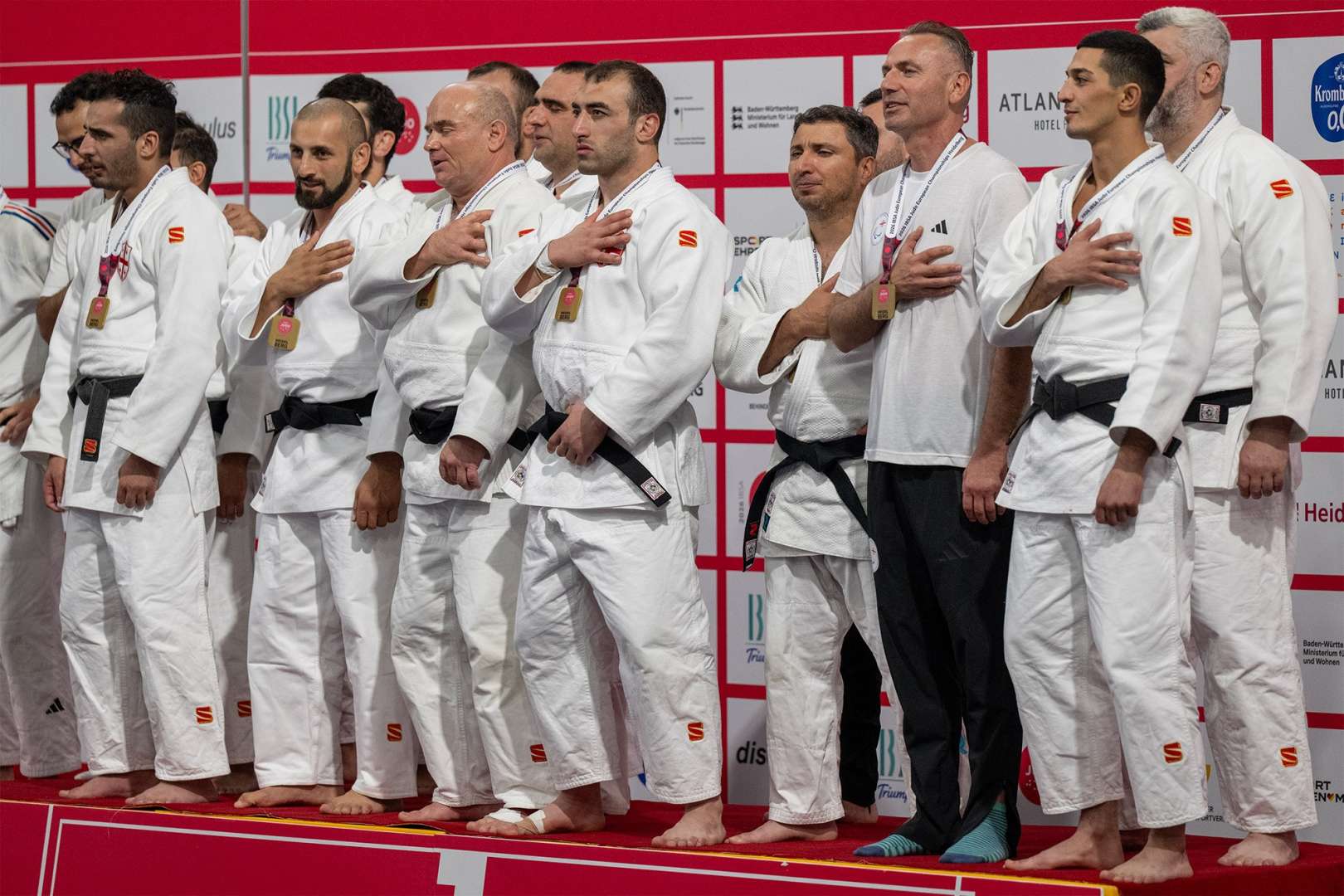
Among the men, five teams were engaged: Georgia, France, the Neutral Paralympic Athletes, Spain and Moldova. Georgia proved the strongest, winning four of their four encounters to secure the European title. France finished second, while the Neutral Paralympic Athletes completed the podium in third place.
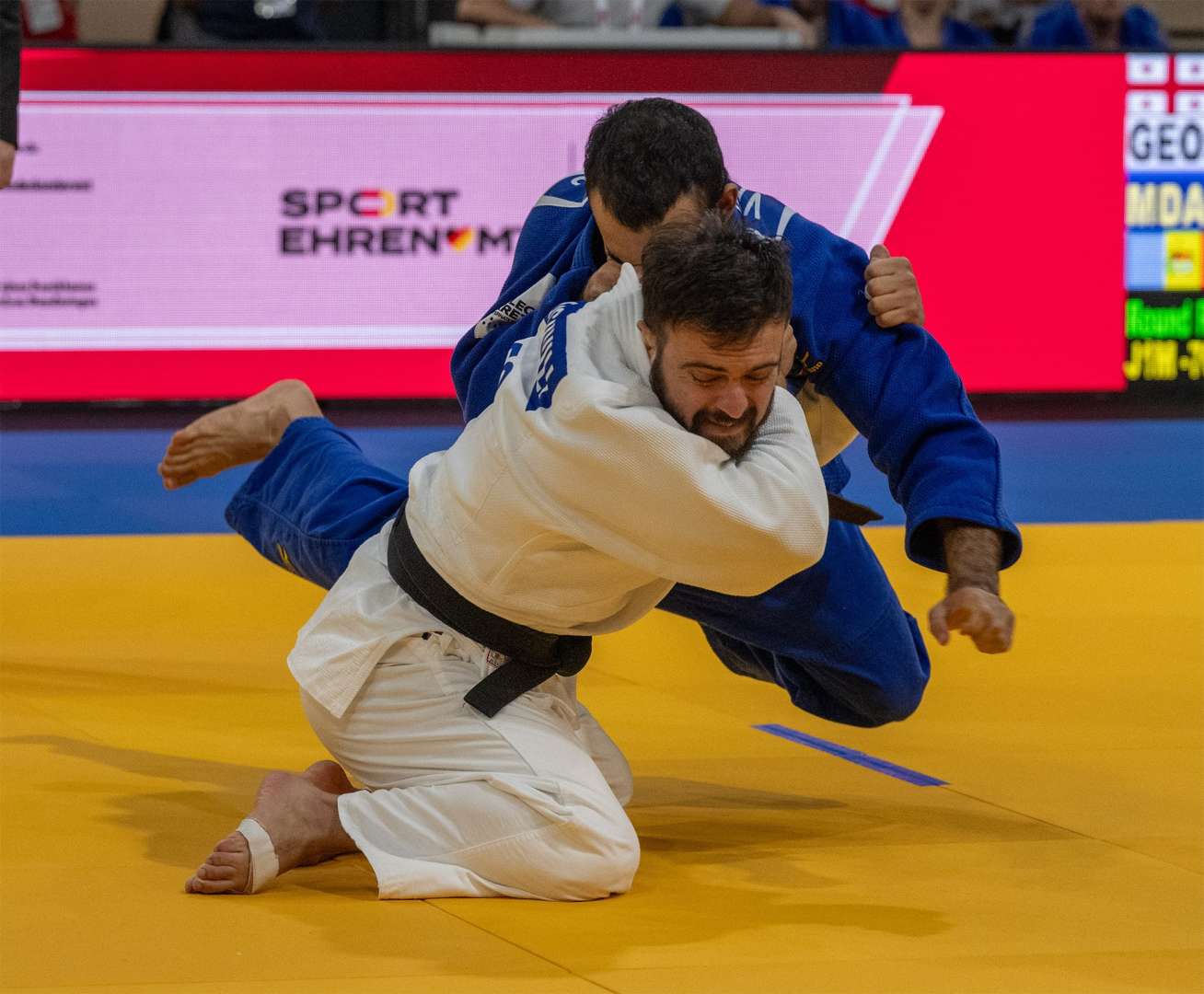
While Georgia's march towards the title became clear as the competition progressed, the battle behind them required total commitment. France produced three victories from four encounters, including a 4-1 win against Moldova and another 4-1 victory against Spain, while the Neutral Paralympic Athletes also remained firmly involved in the fight for the podium.
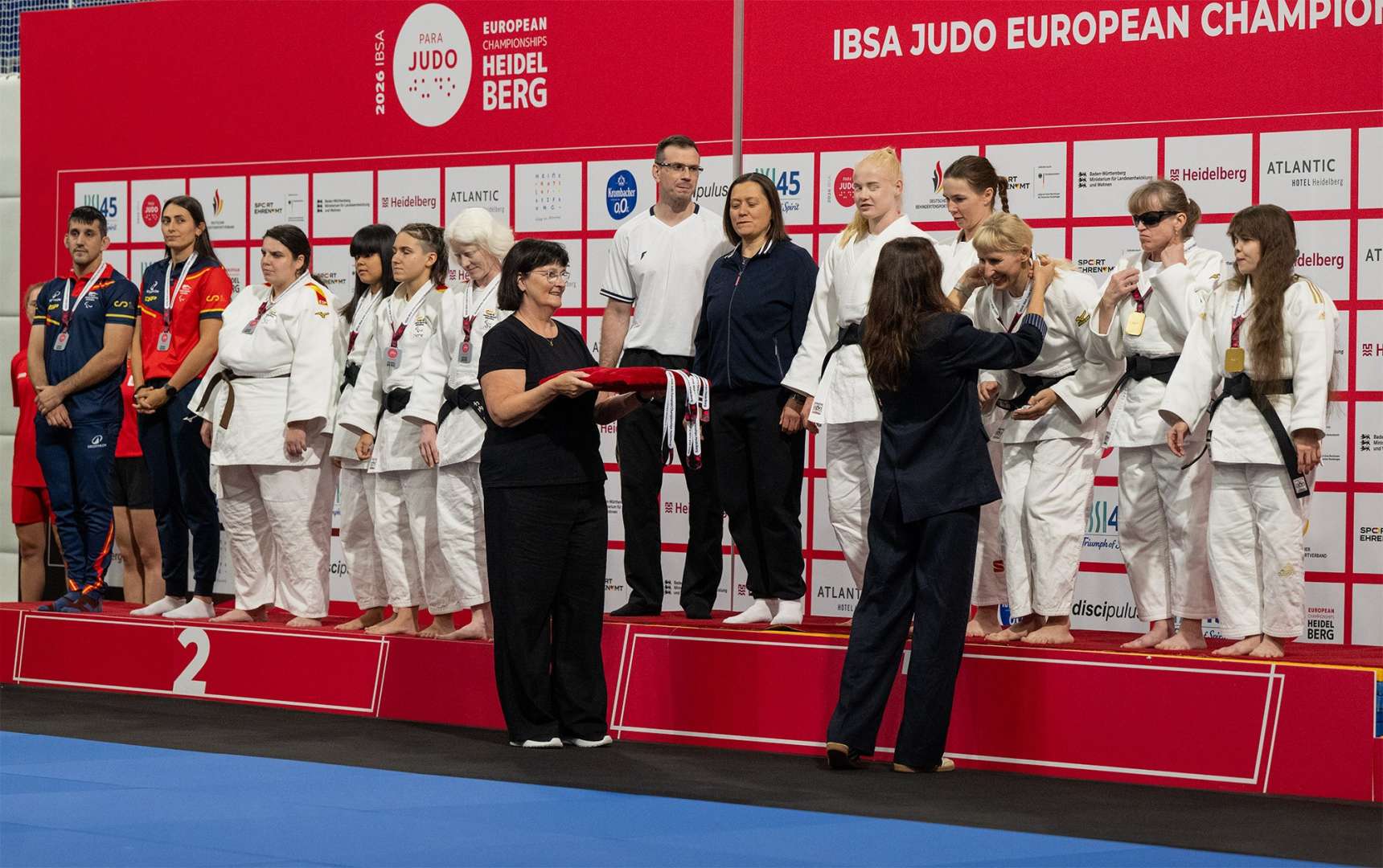
The women's competition brought together Spain and the Neutral Paralympic Athletes, across six J1 and J2 categories. The Neutral Paralympic Athletes prevailed, four wins to one, to claim the women's European team title, with Spain taking silver. Yet, the lasting impression from the final day went beyond the results.
Throughout the competition, there was a genuine sense of friendship between the teams. Opponents fought with everything they had when the contest began but, once it was over, the respect and camaraderie returned immediately. It was a fitting conclusion to a weekend during which Para judo showed not only its sporting quality but also the values that underpin it.
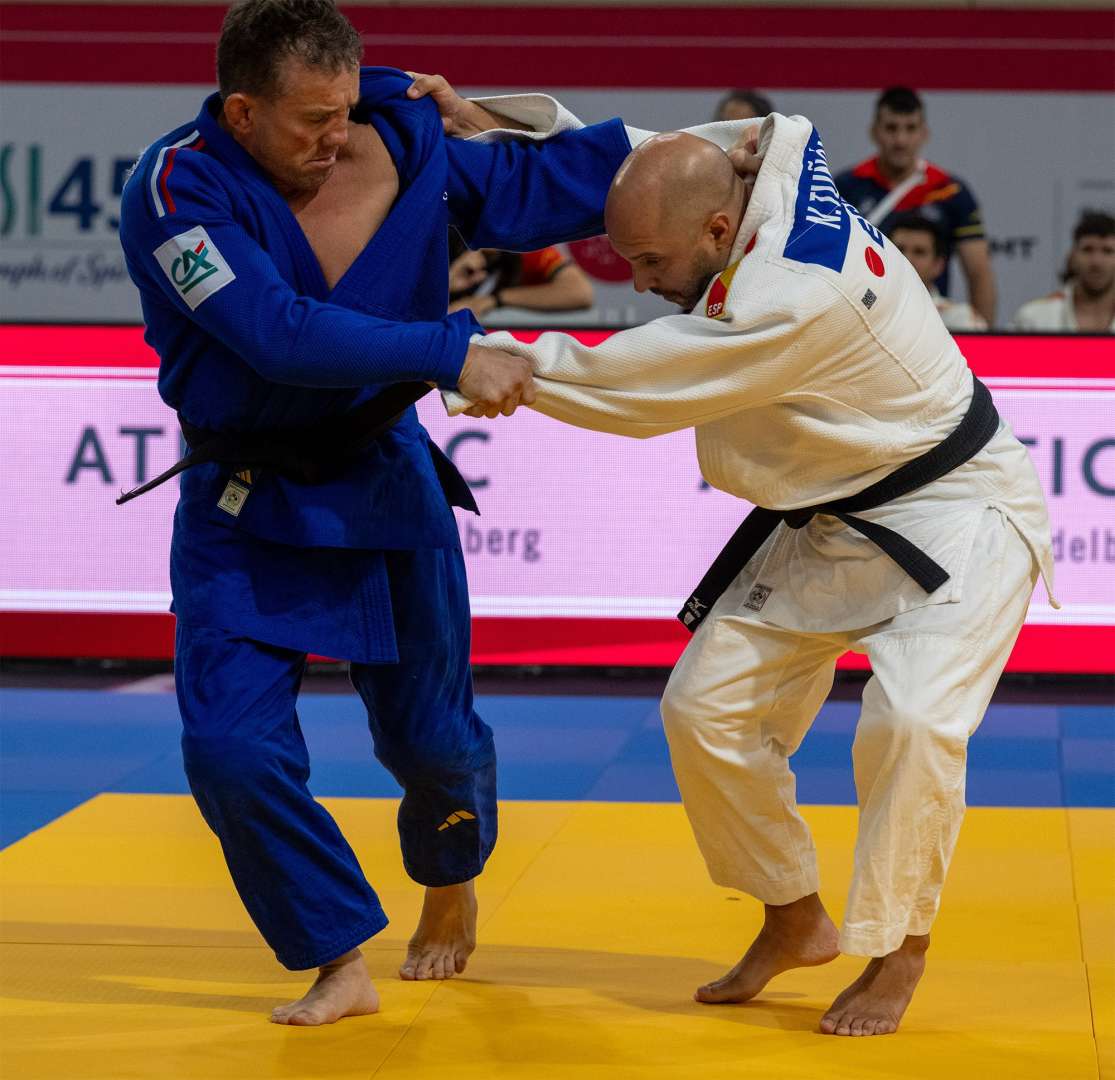
The team tournament therefore brought three intense days of competition in Heidelberg to a close. From the individual contests and a remarkable number of positive scores and ippons to the emotion and collective energy of the final day, the championships proved to be a sporting and organisational success. Athletes, coaches, referees, volunteers and organisers all played their part in delivering an event that also carried significance beyond the European titles themselves.
The qualification race for the Los Angeles 2028 Paralympic Games is now gathering momentum. Heidelberg was another important stage but there is little time to stop and reflect. Many of the judoka who competed in Germany will soon meet again at the 2026 World Championships in Tbilisi, Georgia.
For three days in Heidelberg, however, European Para judo offered a compelling glimpse of what lies ahead. On the final day especially, it also provided a reminder that even in one of the most individual of sports, some of the strongest moments are those experienced together.