
The InYA project aims to better understand the behaviour, emotional experiences and specific needs of these young athletes and to create sporting environments in which they can develop, participate and feel valued. These young people, described as “invisible athletes,” require tailored approaches to help them find their place in sport and maintain long-term engagement.
European Co-operation for Inclusion
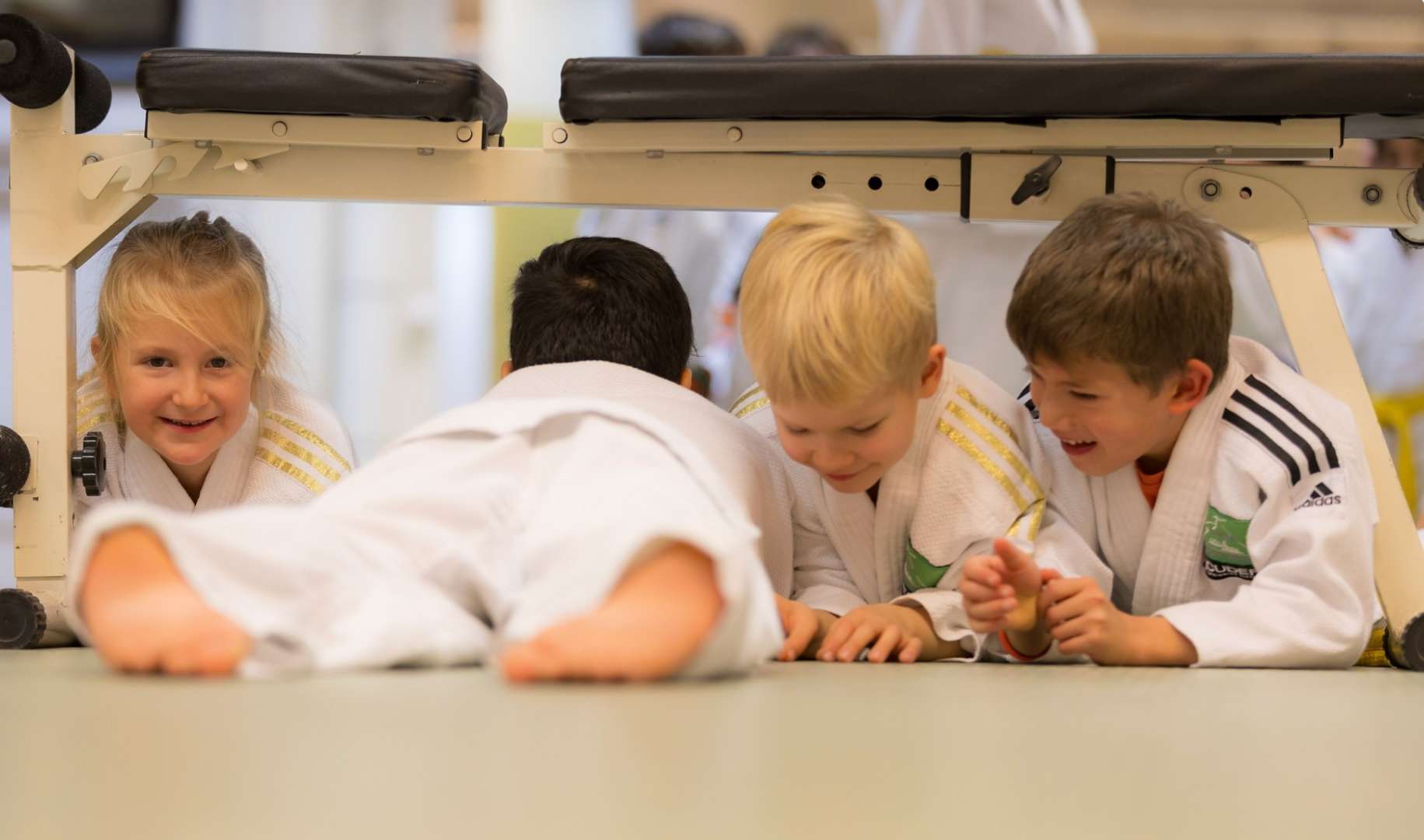
This two-year Erasmus+ Sport project brings together four committed organisations: Sensei-IN Judo Club (Serbia), Judo Club for Persons with Disabilities Fuji (Croatia), Judo Club Sankaku Ljubljana (Slovenia) and the NGO In the Heart (Slovenia). United by a shared vision, the partners work together to strengthen inclusion through sport, using judo as a central educational tool.
A key innovation of the project lies in formally identifying the group of invisible young athletes, a population that has rarely been addressed within structured inclusion initiatives. Through interviews with parents, athletes, coaches and experts, the project collected valuable insights into their daily experiences, challenges and aspirations.
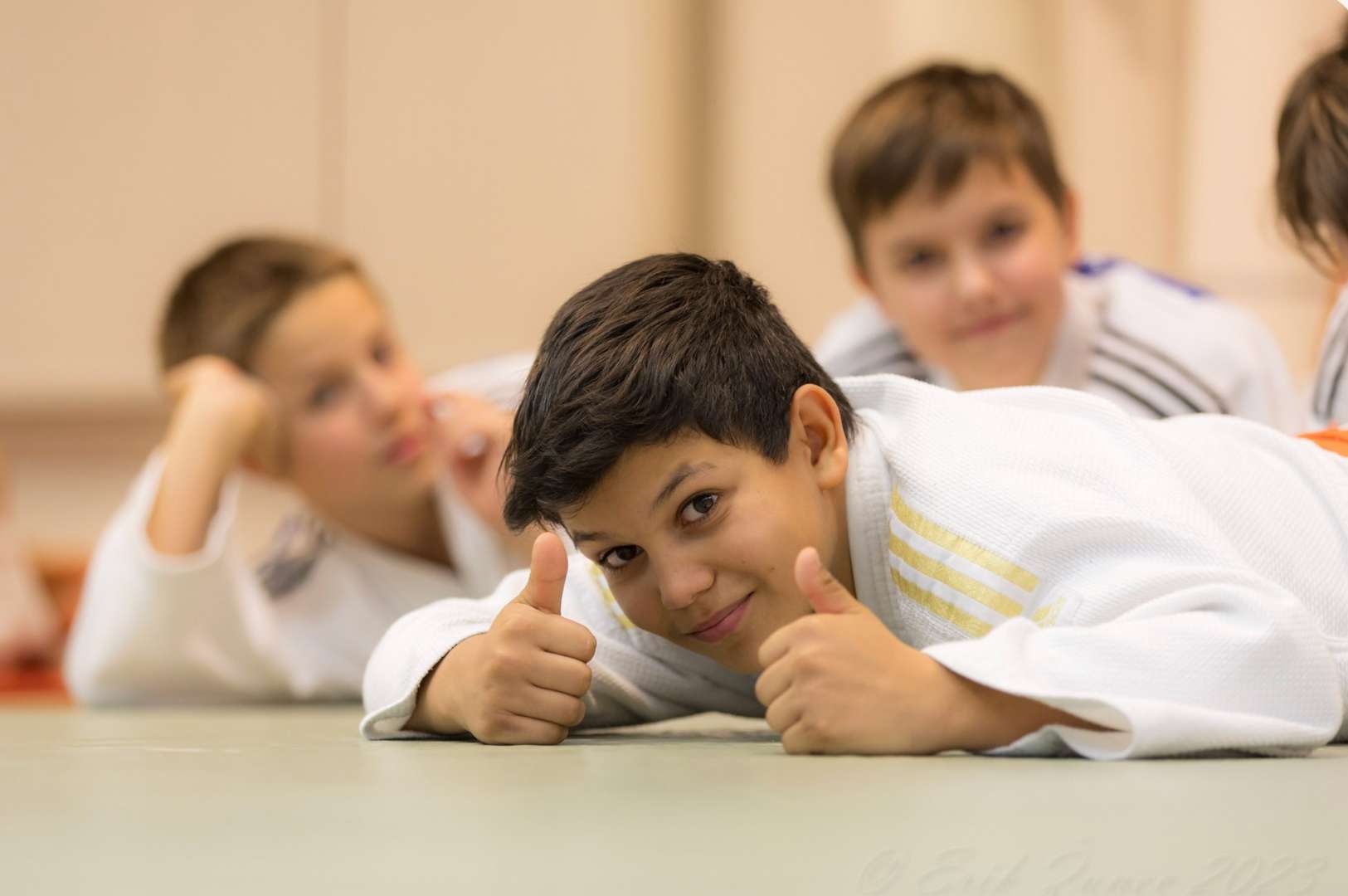
Workshops organised in Serbia, Croatia and Slovenia enabled professionals to exchange practical knowledge, compare methodologies and explore new approaches. This collaborative process led to the development of concrete tools aimed at increasing motivation, confidence and engagement among invisible young athletes.
From Theory to Practice
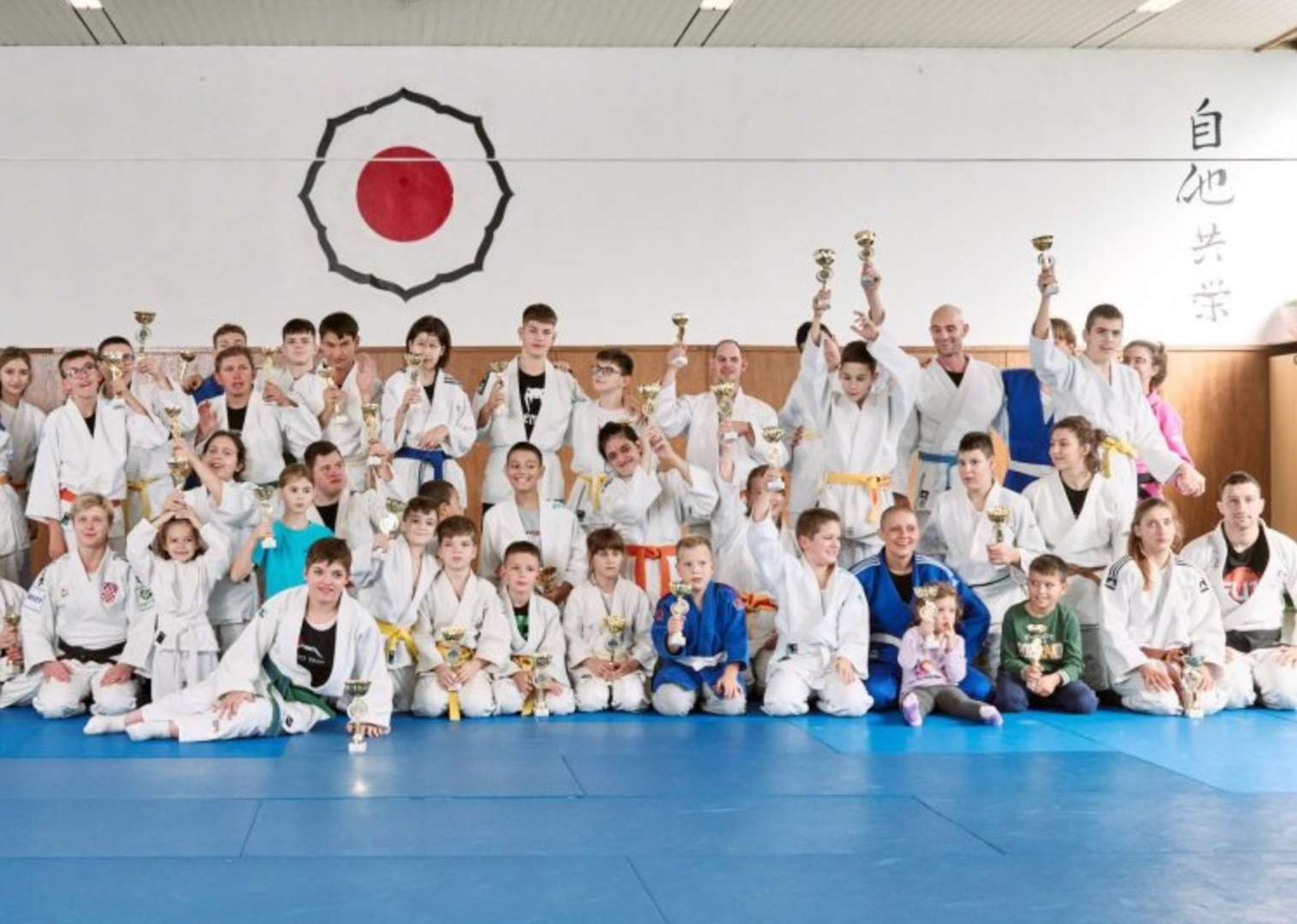
The effectiveness of these tools was tested during the project’s central event: an inclusive sports camp held in Rakitna. The camp brought together children of diverse abilities in a safe and supportive environment, where inclusion was not a concept but a lived experience.
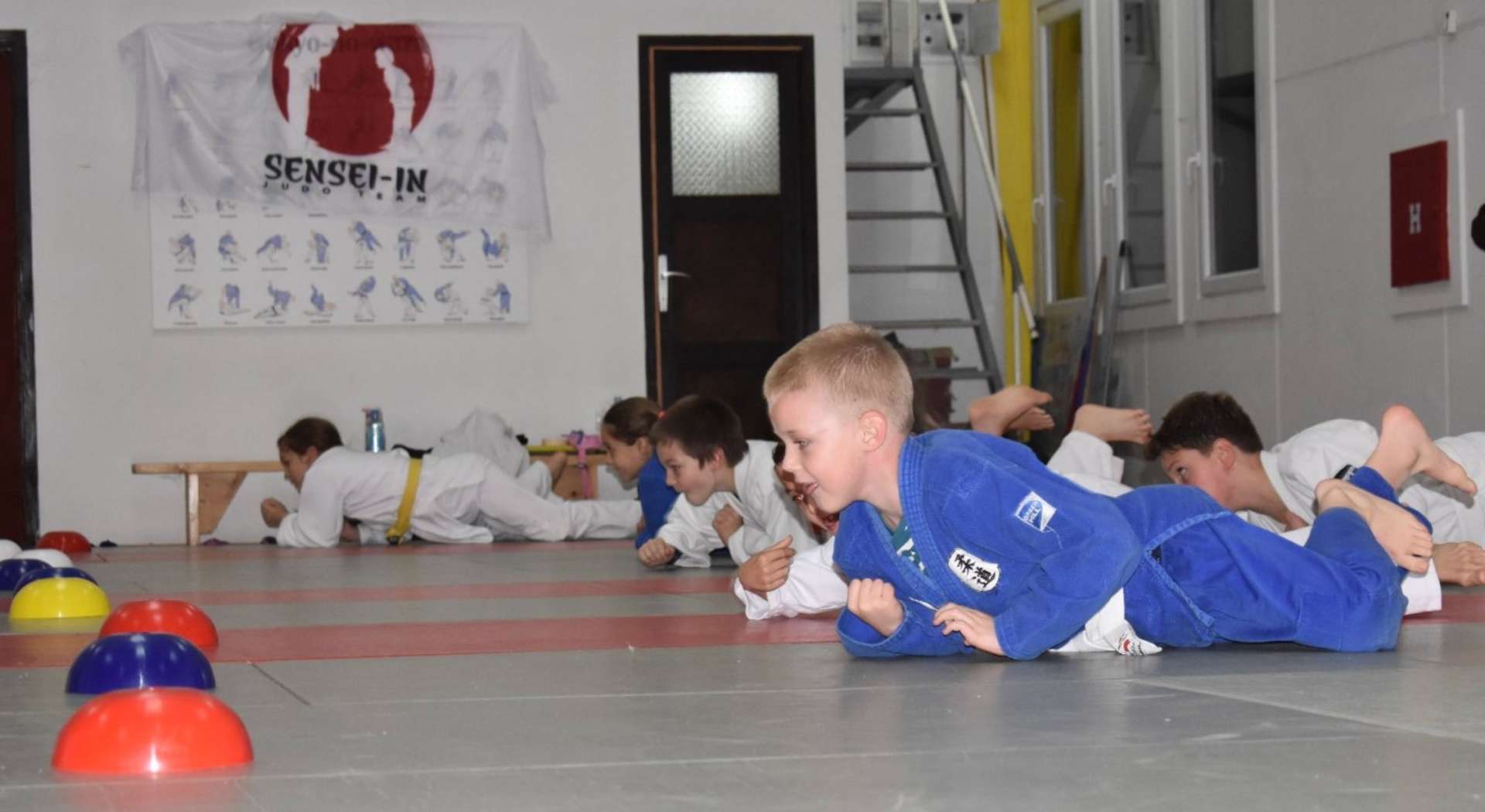
Participants engaged in a wide range of sports and creative activities designed to encourage movement, expression and interaction. Alongside judo, the programme included climbing, swimming, water-based activities, games, storytelling, singing, nature walks and interactions with animals. The emphasis was placed on enjoyment, co-operation and personal development rather than performance or competition. This holistic approach allowed children to develop physical, social and emotional skills, while experiencing the joy of movement and the benefits of shared activity.
Judo as a Natural Pathway to Inclusion
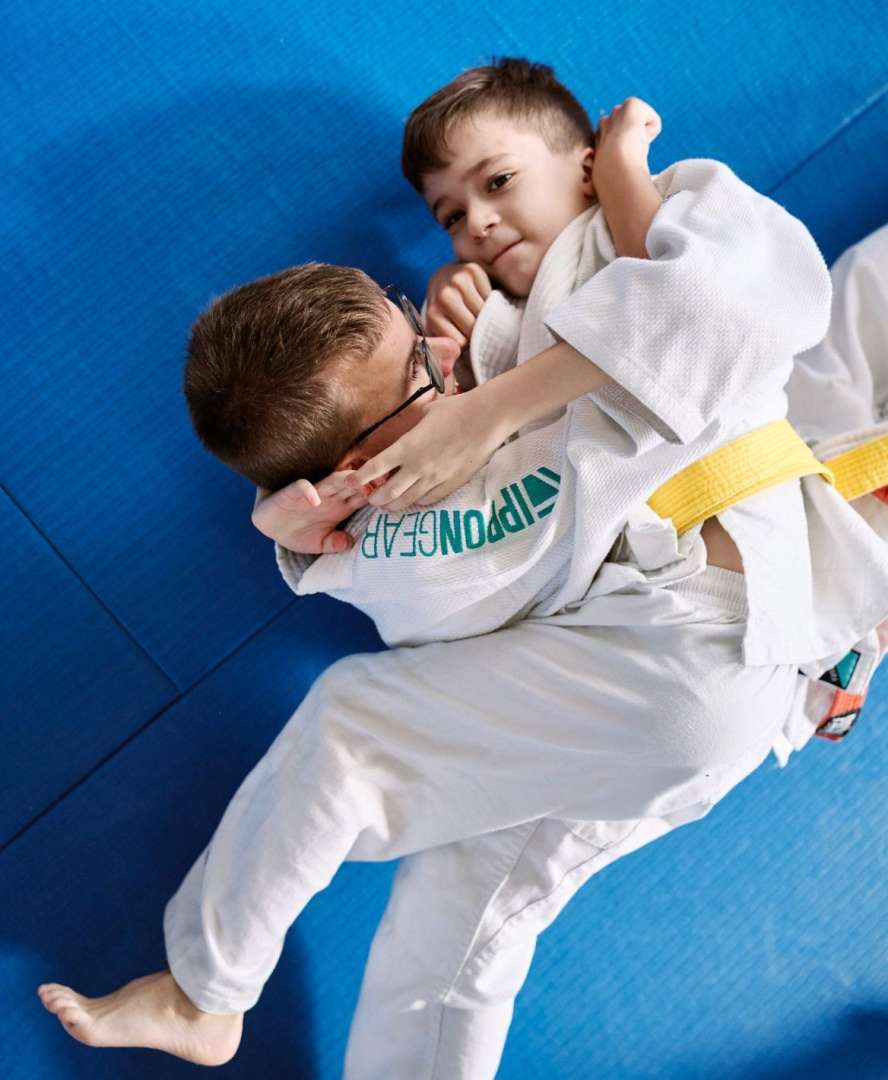
The InYA project is built on the belief that judo provides an ideal framework for inclusion. Its core values, respect, friendship, courage, honour, modesty, sincerity, self-control and politeness, naturally foster empathy, co-operation and mutual understanding.
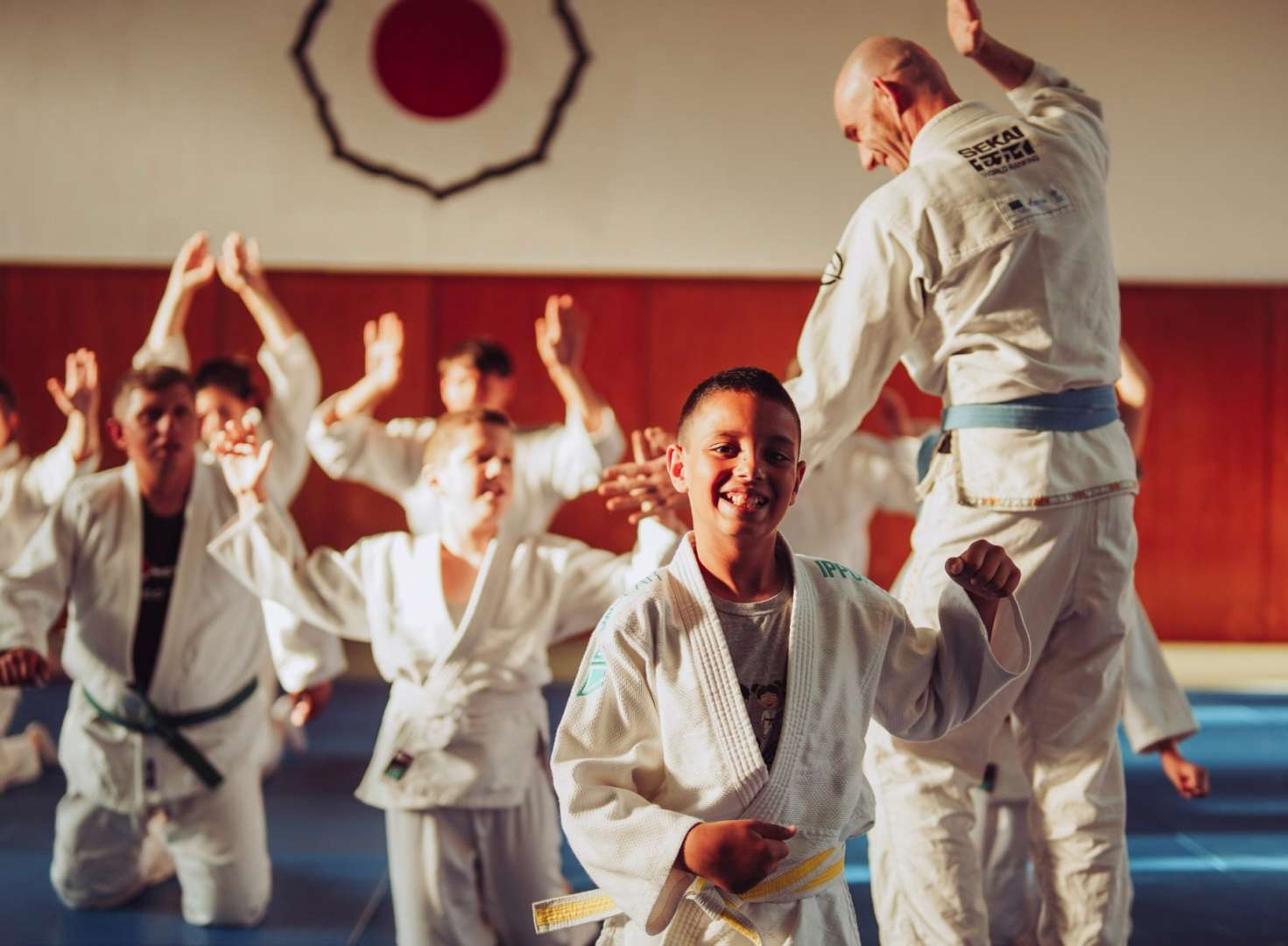
In the clubs involved in the project, judoka with and without disabilities train together on a regular basis. This inclusive practice extends beyond the dojo, as demonstrated at the Rakitna camp organised by the NGO In the Heart, where diversity was embraced as a strength.
Building a More Inclusive Future
The project partners are convinced that the inclusive environments created through training sessions and camps contribute to a broad societal impact. By offering young people a space where they feel safe, respected and supported, sport becomes a powerful tool for social inclusion.
The results of the InYA project will be published in a peer-reviewed article, ensuring that its findings can benefit the wider sporting and academic communities. In addition, the partners aim to disseminate the project’s key outcomes and the video of the inclusive sports camp in order to raise awareness, promote inclusive practices and inspire other organisations to follow a similar path.
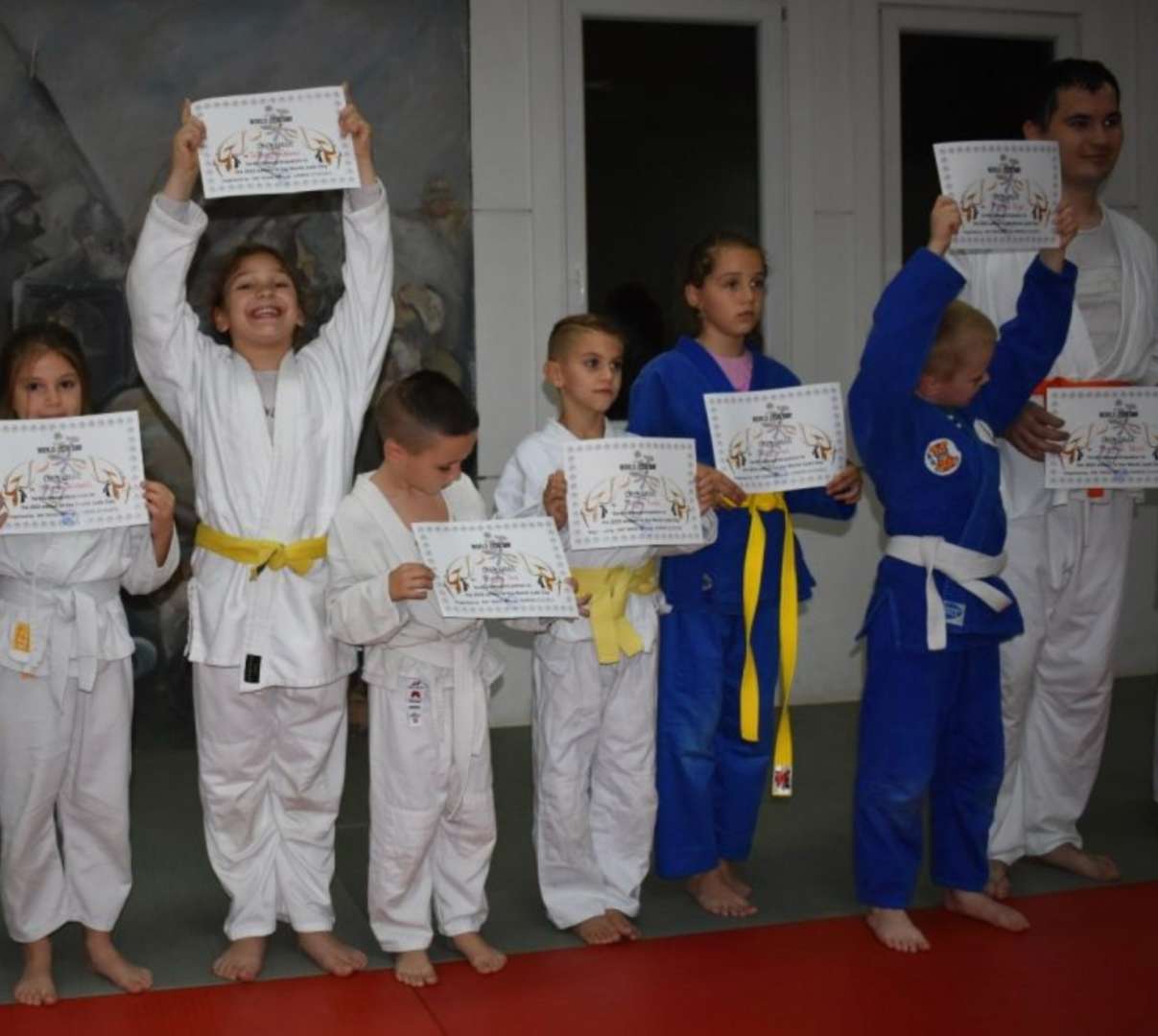
Through co-operation, shared values and practical action, the InYA project demonstrates that inclusion in sport is not an exception, but a responsibility and that every young athlete deserves the opportunity to participate, learn and thrive.
More information: CLICK HERE