
“I landed in Montreal on 6th October, straight from Dallas, on a flight booked by my friends at Griffin Judo. I stayed with Dominique Rivard, whom I had met in Tokyo two years earlier. A friendship born in Japan opened the doors of another country. Dominique and Patrick Kearney, president of Judo Québec, organised every class of my stay.
After six weeks teaching in English, I could teach in French again, almost. In Québec, a washcloth is a "débarbouillette." I learnt a new word every day.
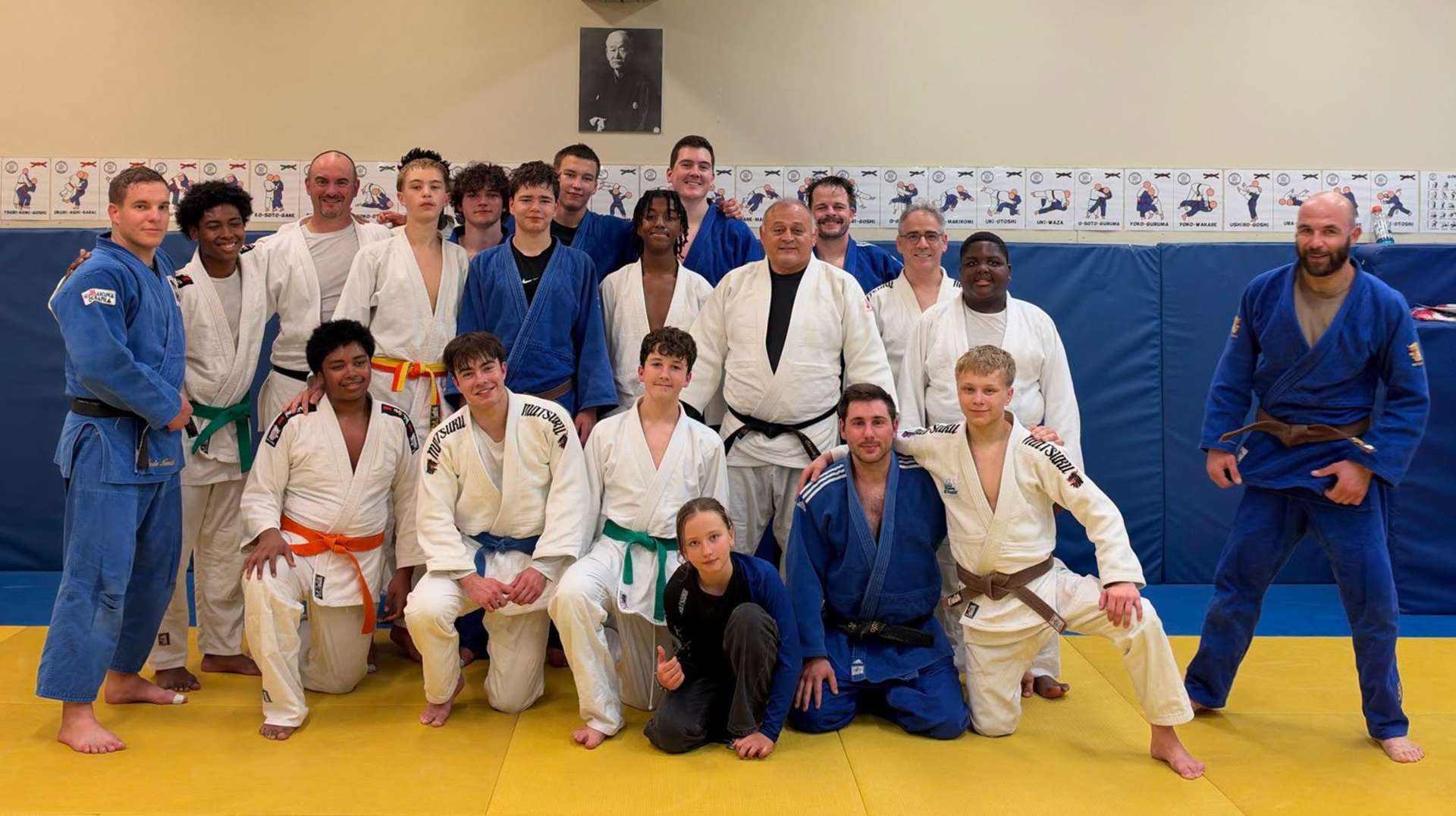
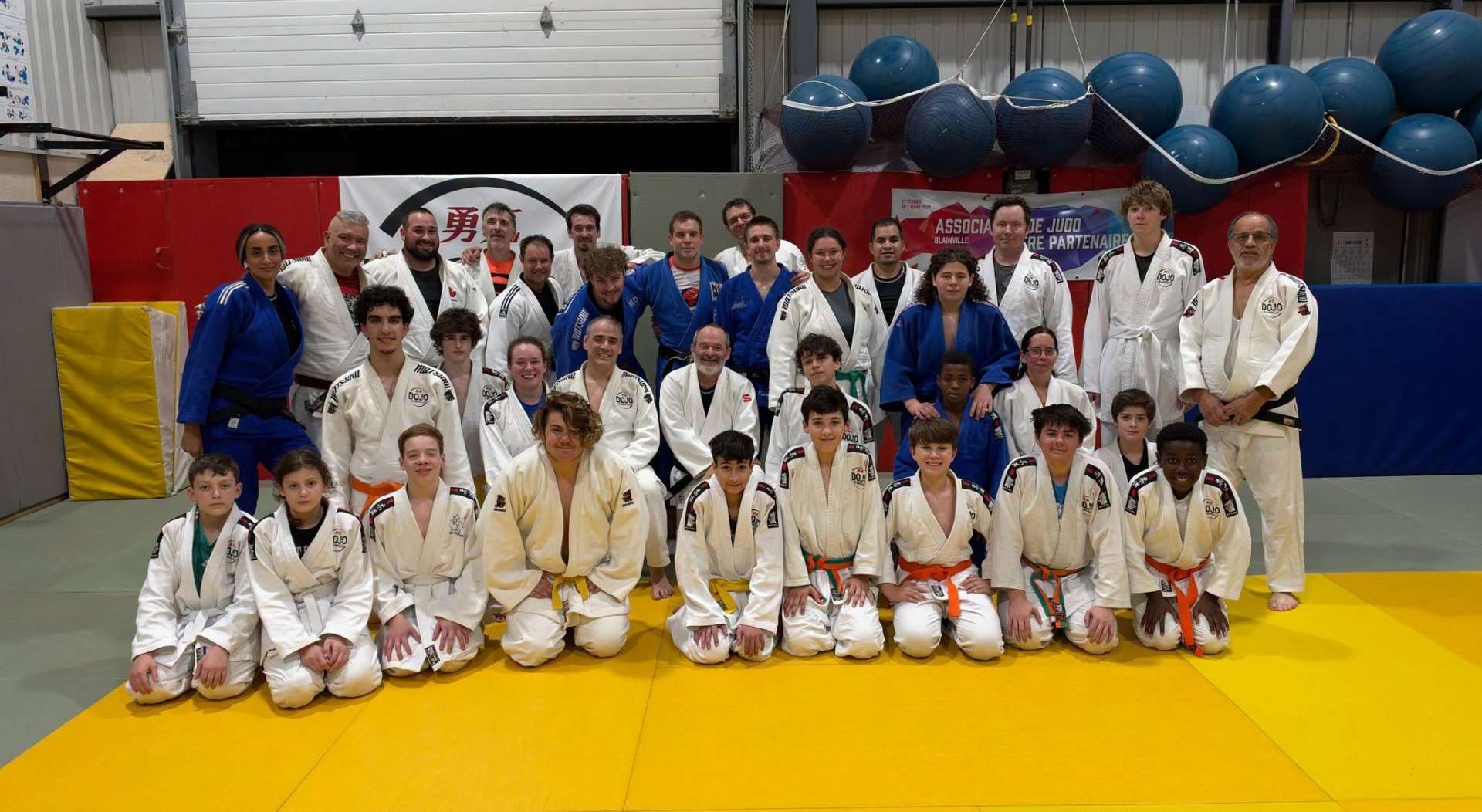
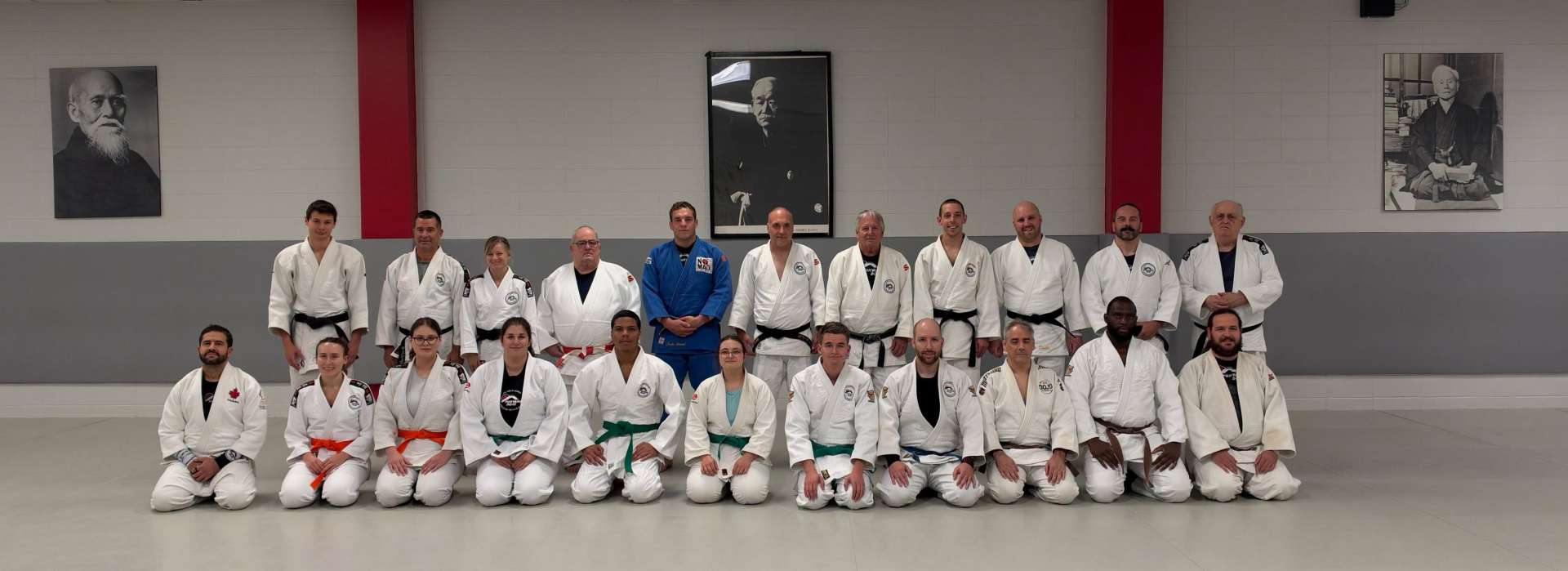
My first class was at Dojo Blainville, which Patrick co-founded with Daniel Dufour. I asked everyone to work on ne-waza without using strength, then we did plenty of randori. The camaraderie set the tone for the trip. The following evening, in Repentigny, I stayed long after class talking with the club members.
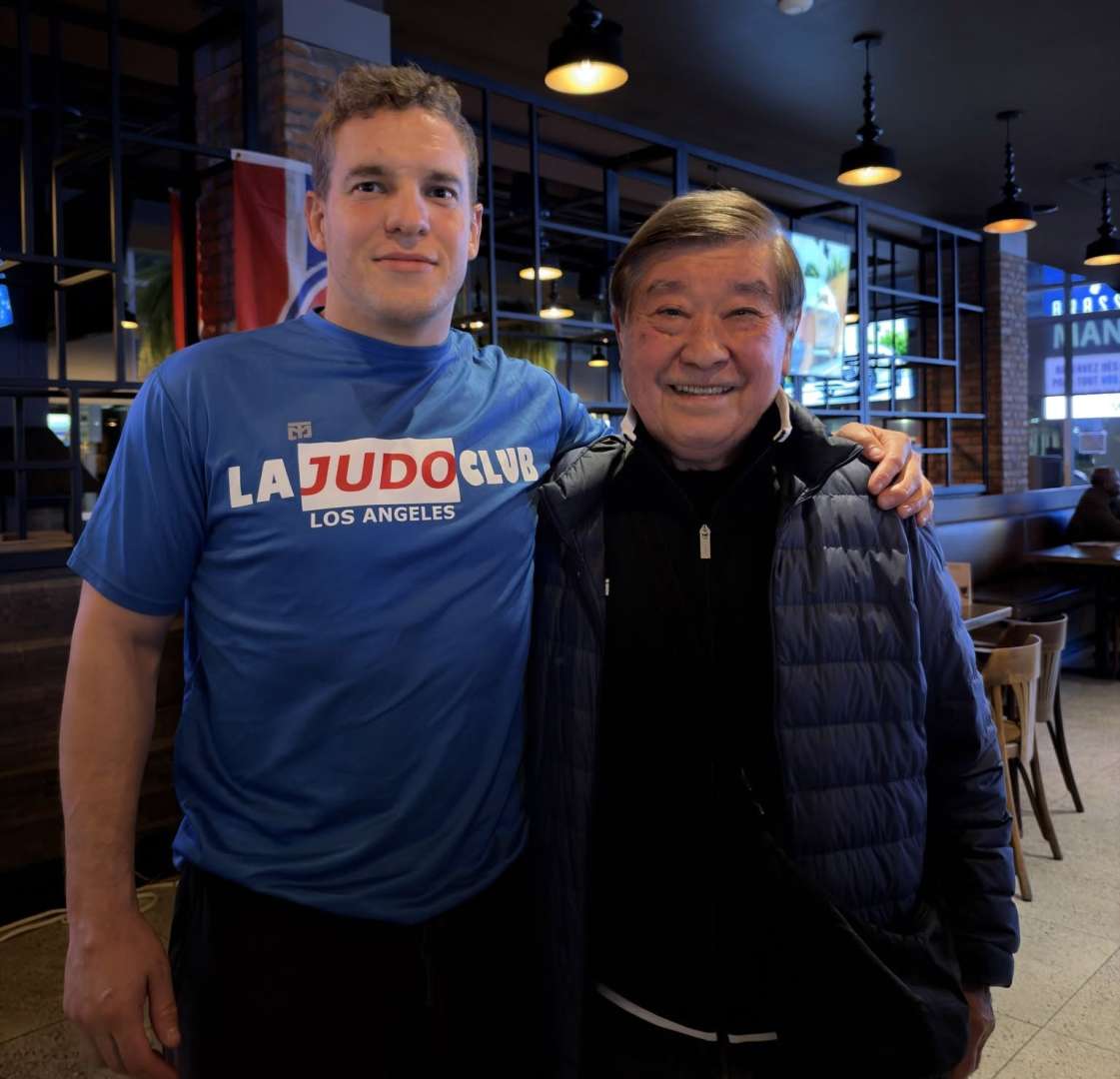
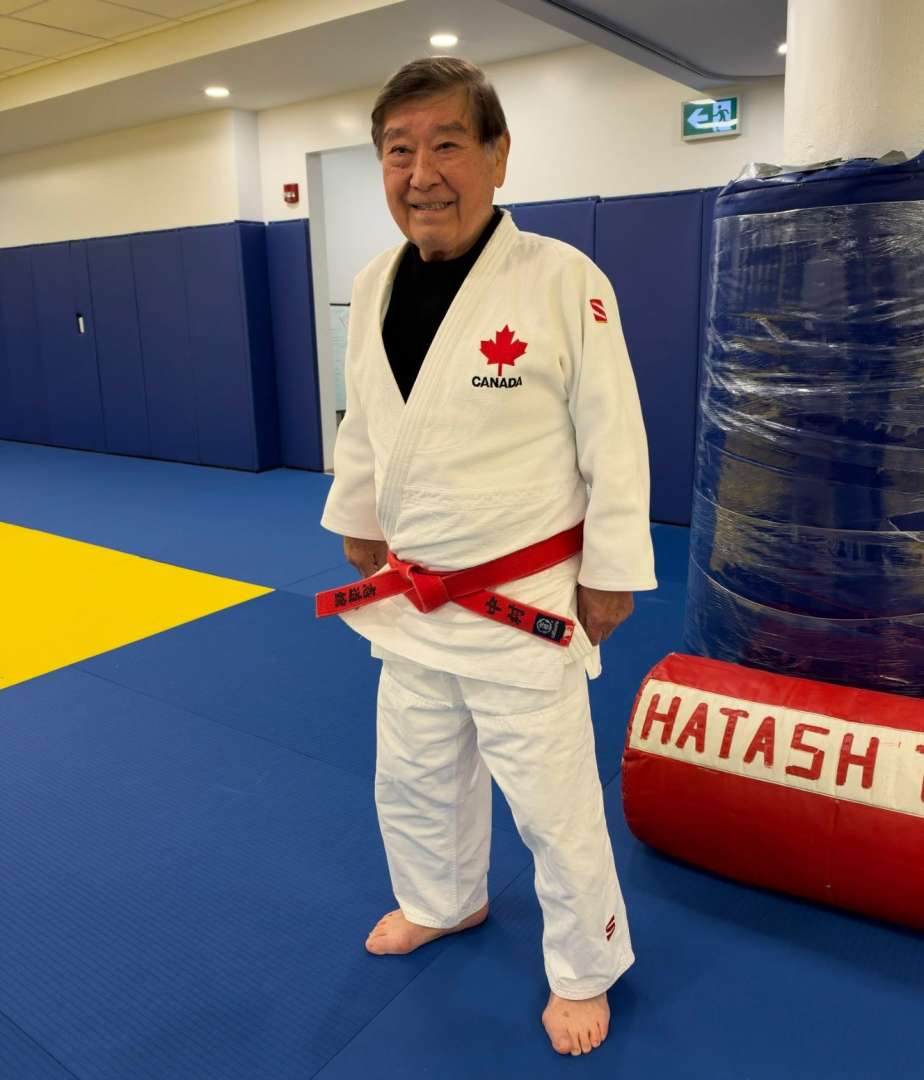
Then came the meeting I had been waiting for. Hiroshi Nakamura sensei, a 9th dan, began judo in Tokyo at twelve and trained at the Kodokan. He moved to Canada in 1968, founded the Shidokan in Montreal in 1973 and was Canada’s head coach at five Olympic Games, including Montreal 1976.
I interviewed him before class. He told me that when he left Japan he had three goals. He wanted Canada to have an Olympic medallist, for judo to become as big as hockey, and for his name to have ‘one page, or half a page’ in Canadian judo history.
I was meant to teach a small part of his class. He gave me nearly all of it. I won’t forget the pressure or the honour of teaching in front of him. At 84, he still stepped onto the tatami to demonstrate. Over dinner, he told me stories about Mifune sensei and Masahiko Kimura.
Between classes, I saw Montreal’s Gardens of Light, swore an oath to a dragon at a medieval dinner and reached the summit of Mont-Tremblant after being told we would never make it in time. Along the way, I kept thinking about Nakamura sensei’s third goal. I found his page in the dojos.
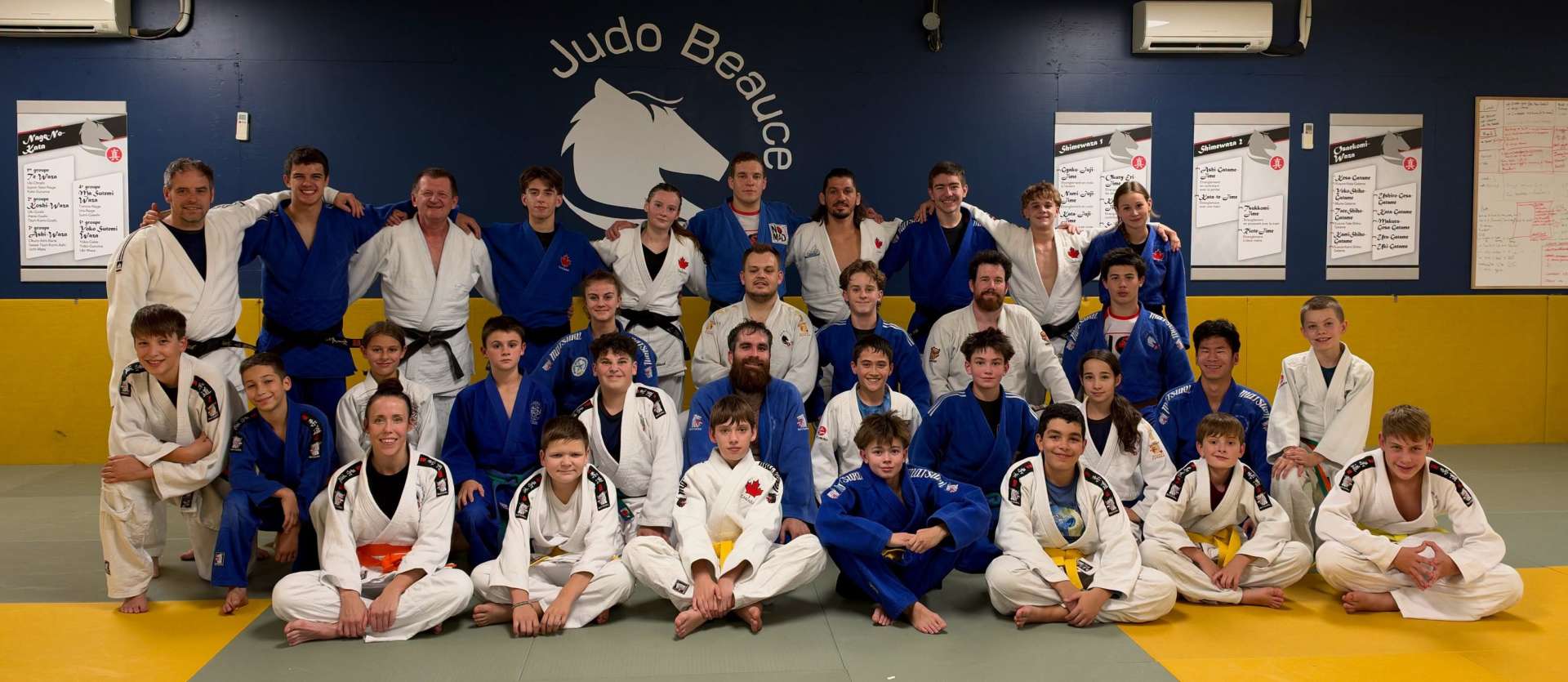
At Fujiyama Dojo in Trois-Rivières, black belts faced orange belts with one rule: sweeps only. In Beauce, I taught teenagers who combine school and training and then the club’s evening class. Their head coach, Vincent Marticotte, a two-time Canadian champion, spent twelve years as Nakamura sensei’s right hand. That was page one.
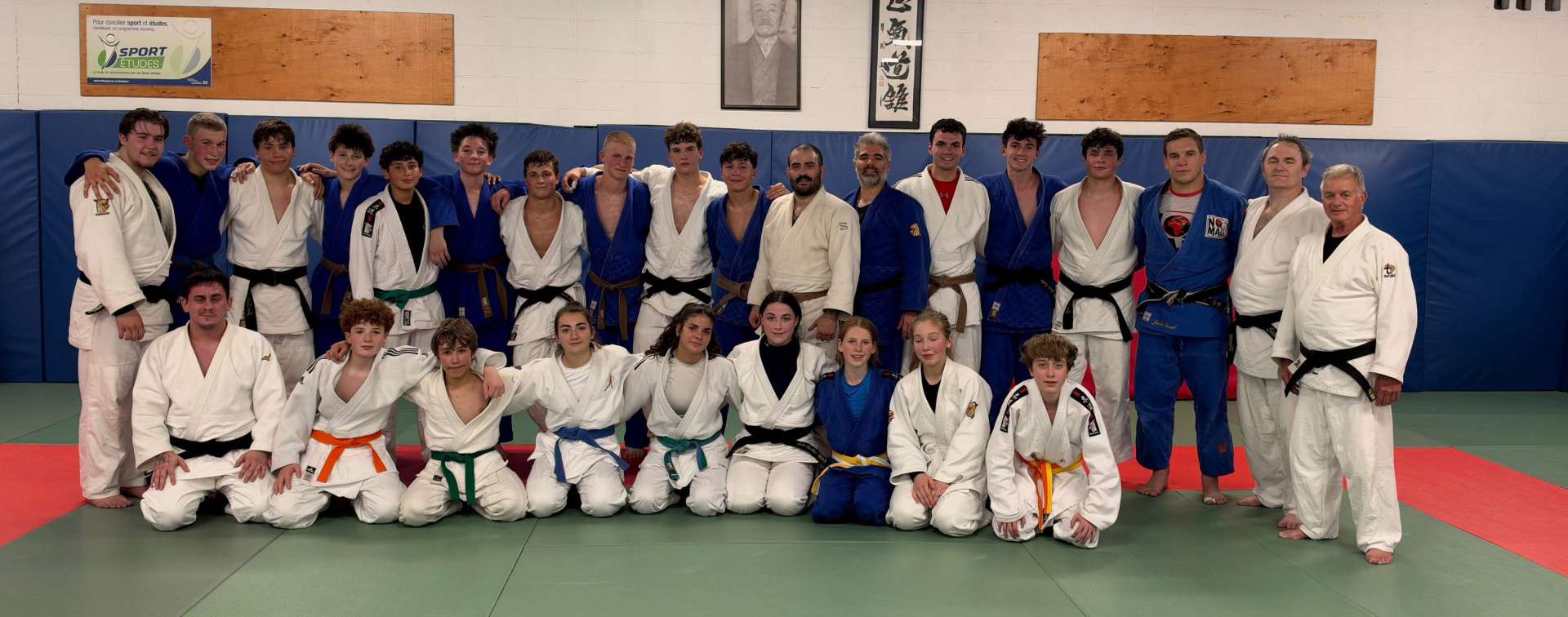
My last class in Québec was at Seikidôkan in Trois-Rivières. A judoka who started there at four won silver at the 2025 Cadet World Championships and now trains at the national training centre. It was exactly what Nakamura sensei had described: teach children the basics, let them enjoy judo and learn its discipline, then help them take the next step at 16 or 17. Page two.
I ended my trip at the national training centre in Montreal. The team had just returned from the Baku World Championships and I recognised several judoka from Seikidôkan. Antoine Valois-Fortier, Olympic bronze medallist in London and now Canada’s head coach, had himself moved to the Shidokan as a teenager to train under Nakamura sensei and Nicolas Gill. ‘This all begins with the genius of Sensei Nakamura and Nicolas Gill,’ he told me. Page three. Nakamura sensei wanted one page in Canadian judo history. I found a whole chapter!
Country 67 was Belarus. In the first instalment of this series, almost five years ago, I wrote that I was trying to find a way into the country. On 1st November, I finally landed in Minsk.
Nobody was waiting for me and no classes had been arranged. For a few days, I was simply a traveller. I ate draniki in a cellar restaurant, walked through the Trinity Suburb and stood in front of a monument I remembered from a travel video. When I first saw it on screen, I thought I’d never get there.
Then I took the bus west to Grodno where Artem, a coach I had met in Siberia a few weeks earlier, had invited me. In Québec, a friendship opened a whole country. In Belarus, it opened one city and that was enough.
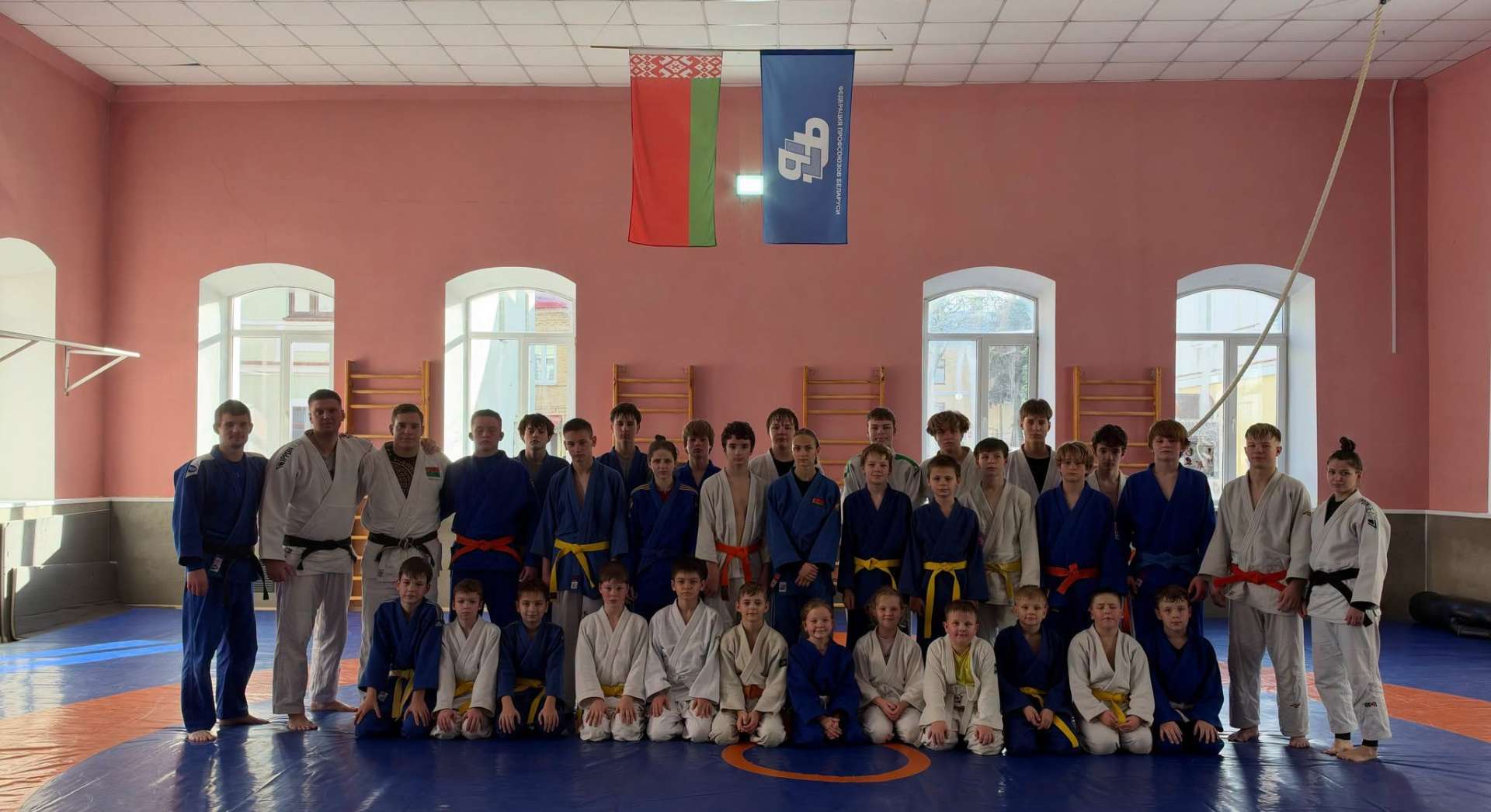
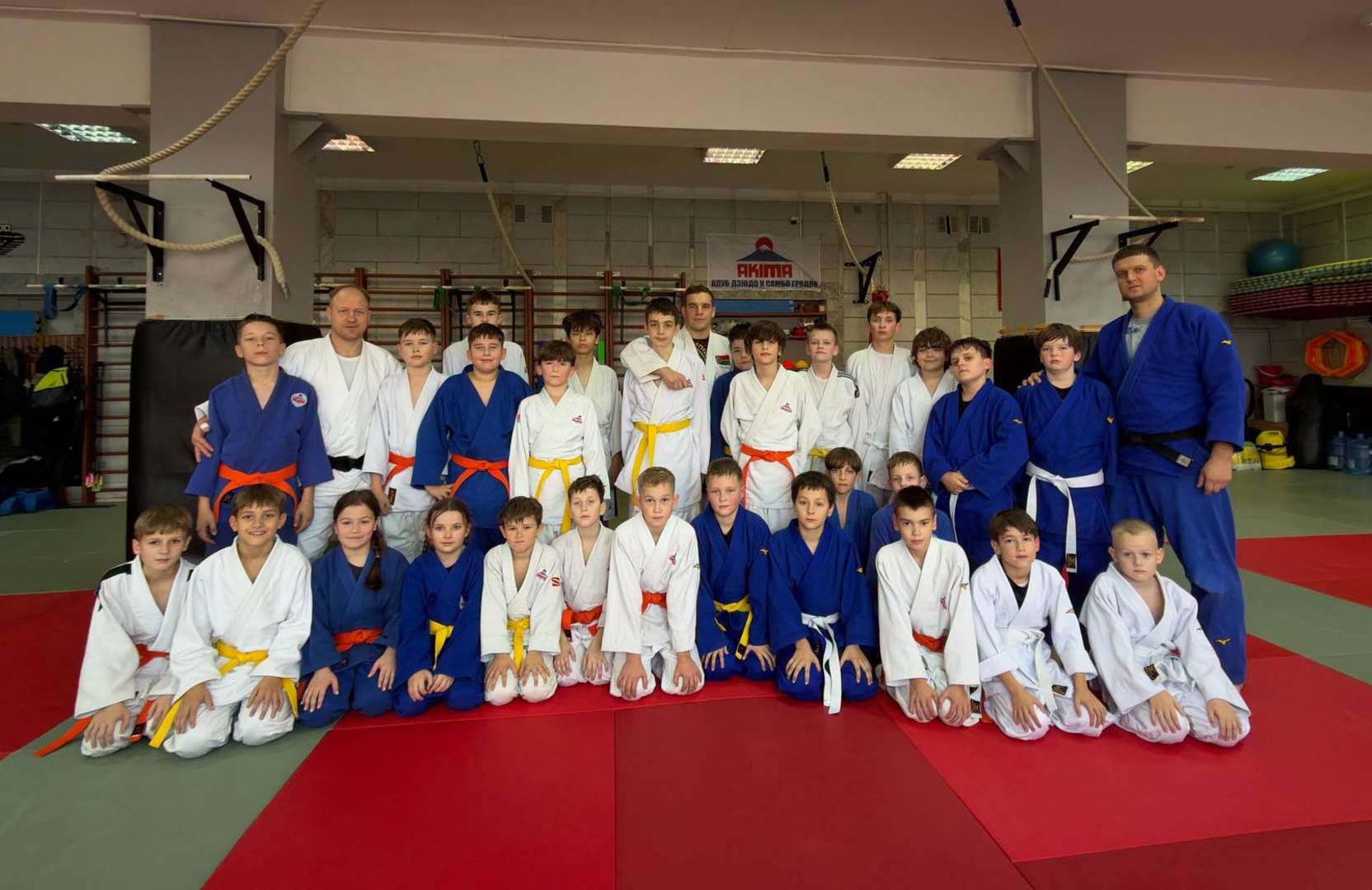
I taught four classes in four days. Children queued to have their belts signed and judoka from white belts to European medallists formed a circle around me. I trained with them and felt it the next morning. At the Akima judo club, we communicated with my limited Russian, their limited English and plenty of judo. I finished at Grodno’s Dynamo Olympic reserve school, where the children grabbed my sleeve, tried to throw me and took far too many selfies.
Away from the tatami, there was a log house in the countryside, a banya and a long dinner with many toasts. I arrived in Belarus with nobody waiting for me. I left a table full of friends.
Thank you to Dominique, Patrick, Nakamura sensei and everyone who welcomed me in Canada and to Artem and the coaches and families of Grodno. To everyone who supports the project on Patreon or Tipeee or simply shares a video, you keep me on the road.
I’m already on my way to the last countries of Season 5. Season 6 begins in January with a few weeks back in North America before I head south to Mexico and beyond. The adventure goes on.”
More about the Judo Nomad: Journey map Facebook Instagram YouTube