
For a week, the focus has been on the individual, on each judoka and their chance to perform. On the final day, that focus shifts to the team, as the mixed team event takes centre stage. It is one of the most eagerly anticipated moments of the championships and it never fails to raise the volume in the arena. From the opening contests, groups of supporters will be on their feet, cheering for their teams.
The draw has been known for a week, giving delegations time to prepare and fine-tune the line-up of six judoka: three women and three men. For some nations, the choices are straightforward, with one athlete available in each category. Others must weigh up several factors, including how fresh their athletes are after a demanding week, as well as the tactical options available. Some judoka may compete in a higher weight category than they did for the individual event, for instance.
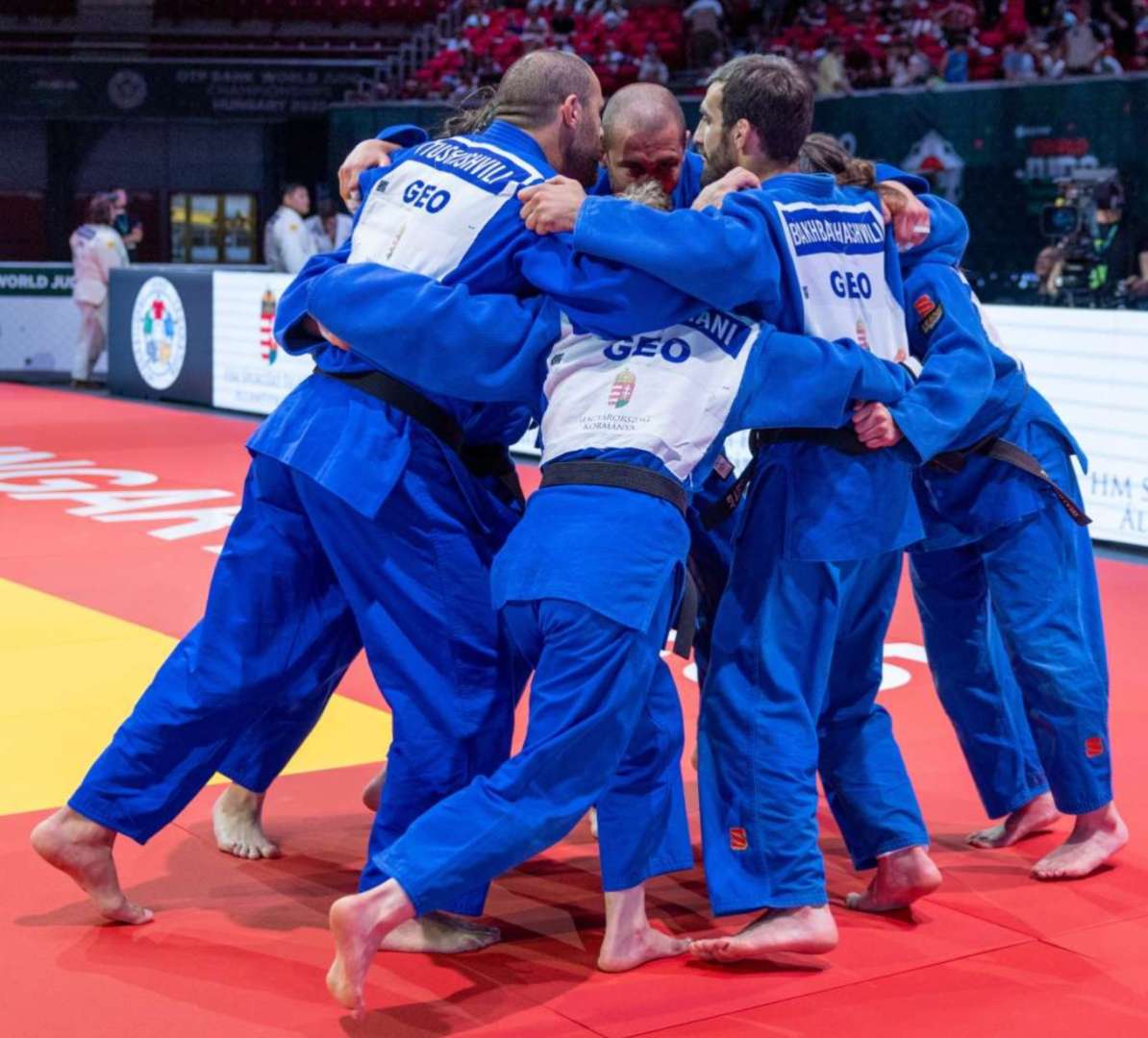
The aim is to build the most balanced and united team, one capable of upsetting the predictions. In this event, team spirit and momentum can make all the difference. Georgia proved that in 2025, when it became the first nation to deny Japan the mixed team world title.
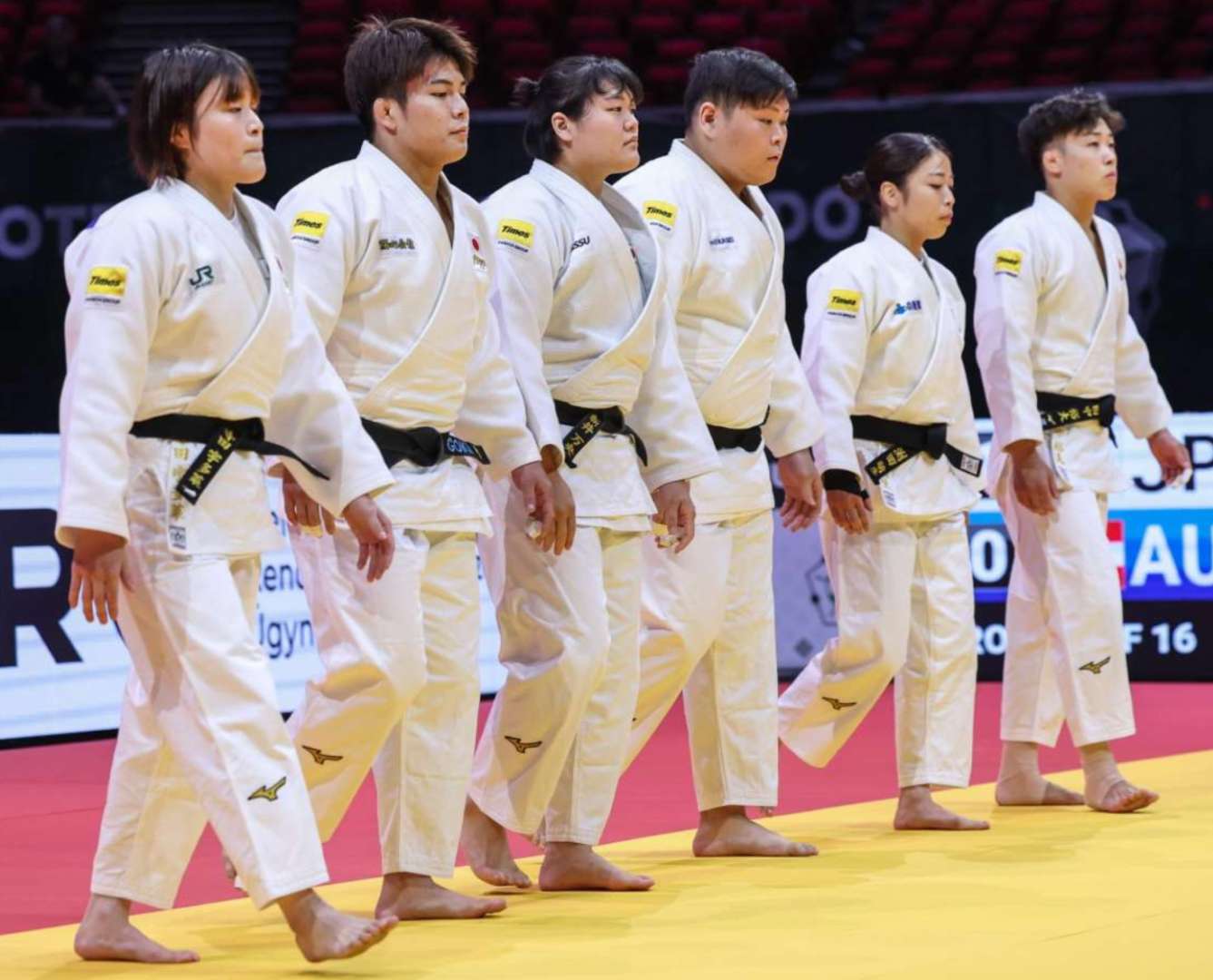
Will the story be different this year? Based on the individual results, Japan is the clear favourite. Yet success on paper does not guarantee that everything will come together on the day. Teams with fewer individual titles can find the energy and cohesion to unsettle the strongest nations. We have seen it many times, including at the Olympic Games: France beat Japan in both editions of the Olympic mixed team event, with their victory at Paris 2024 providing one of the most memorable moments of the Games.
Back in Baku, the host nation will be among those looking to make the most of home support. Azerbaijan and Austria, along with Russia and the United Arab Emirates, will begin in the preliminary round, with those results shaping the next stage of the draw.
Elsewhere, Brazil will be looking to put a quieter individual week behind them when they face China. The winners will meet either Cuba or Türkiye. Japan will be a formidable presence in thei section and could meet the winner of a Mongolia-Kyrgyzstan match, provided they come through their earlier challenge.
The other half of the draw also promises compelling contests. Defending champions Georgia will face Italy, whose athletes have impressed throughout the week. The winners will go on to meet either Uzbekistan or Germany.
The lower part of the draw brings together several strong teams, including Korea, Russia, Kazakhstan and France. The United Arab Emirates will also be in the mix, buoyed by Yelyzaveta Lytvynenko, the country’s first-ever world champion.
It is difficult to look too far ahead. Team line-ups are not yet confirmed,m and substitutions can still change the picture. What is certain is that, from 9am local time, the National Gymnastics Arena will be alive with noise. In the mixed team event, every point belongs to the team and every cheer can help carry them forward.