

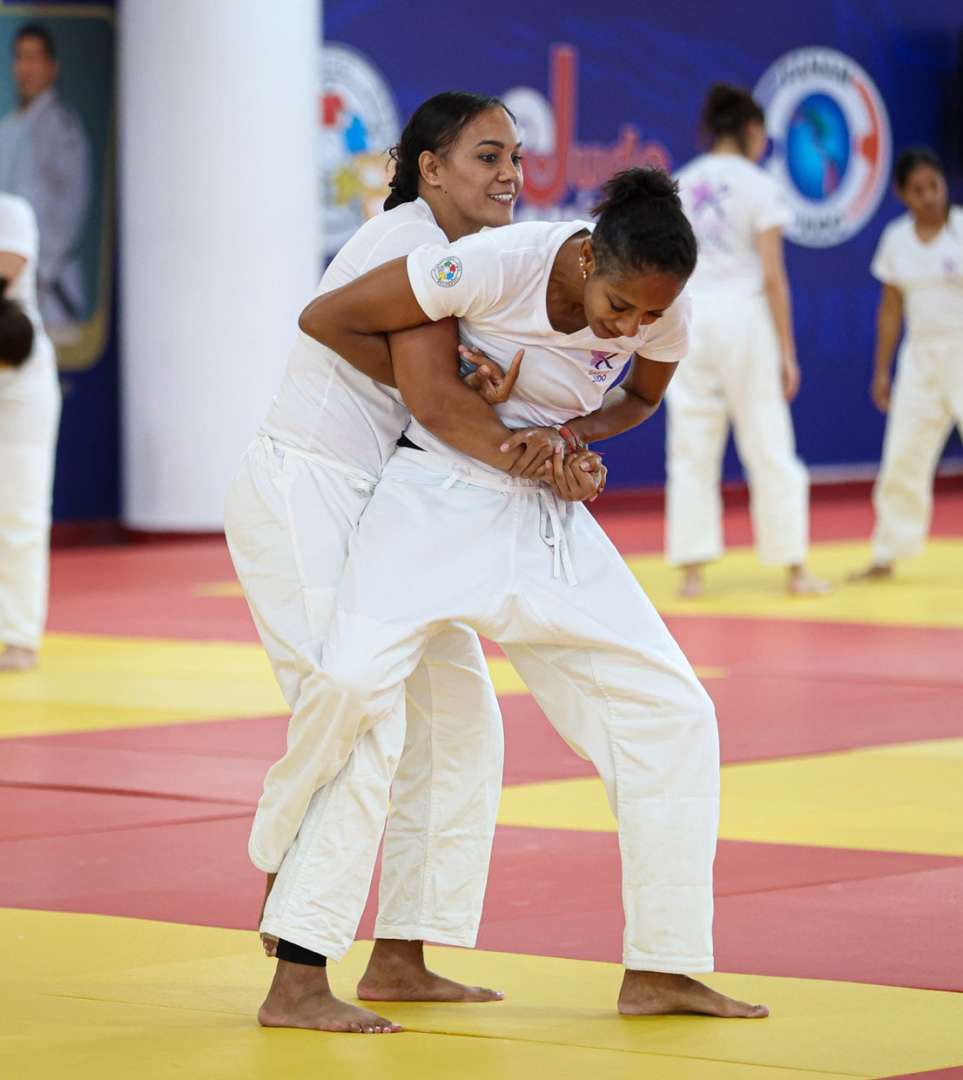
For Marianne, one of the most important lessons was precisely this process of self-discovery. "These days have been full of learning. Leadership work has helped us to know ourselves better, to recognise our strengths and understand how we can continue contributing to sport." As someone who also teaches judo to children, she saw how the experience could extend far beyond her own development immediately. "It is about understanding how we transmit what we know to children, so that they don't just learn during the lesson but take something home with them." Another participant, still competing actively, shared the same desire to transform what she had received into something useful for others. The programme, she explained, had allowed her to connect with other women, hear their stories and imagine the next stage of her own journey. "I am going to apply what I learned now as an athlete but, after my sporting career, I would also like to teach and continue my journey in sport in a different way. For me, judo transforms lives. It always has."
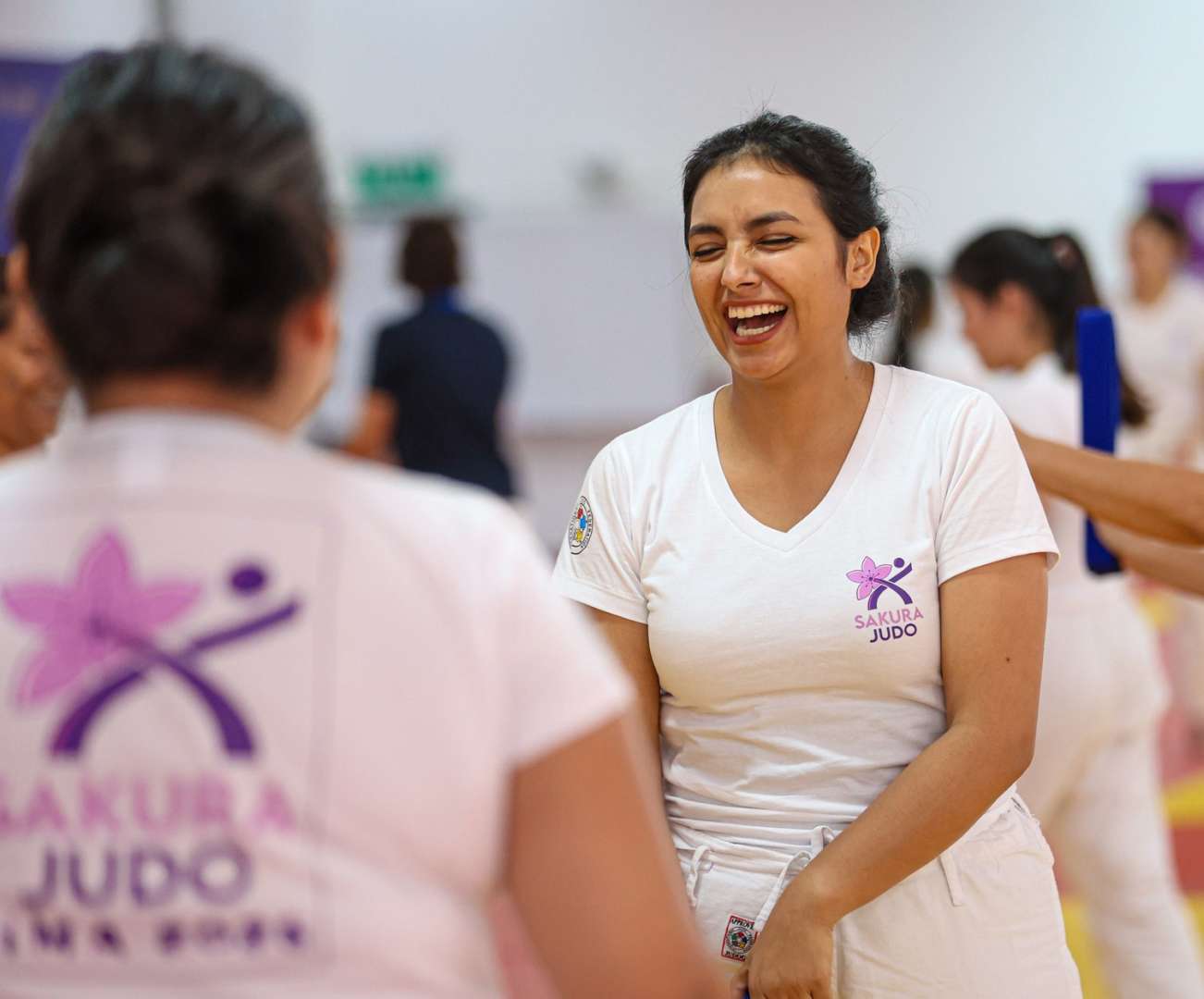
That idea of a journey continuing beyond competition emerged repeatedly throughout Sakura Judo, but so did another powerful message: leadership does not belong only to those already convinced they are leaders. Sometimes what is missing is simply the encouragement to move forward. One participant reflected on how many women still hesitate to accept positions of responsibility, not because they lack ability but because nobody has yet given them the confidence to believe they can succeed. "Maybe years ago everything was governed by men but today we have many women in federations. Some still don't dare to take on positions because of fear or because they need someone to encourage them, empower them and help them become leaders. That is what projects like this are for."
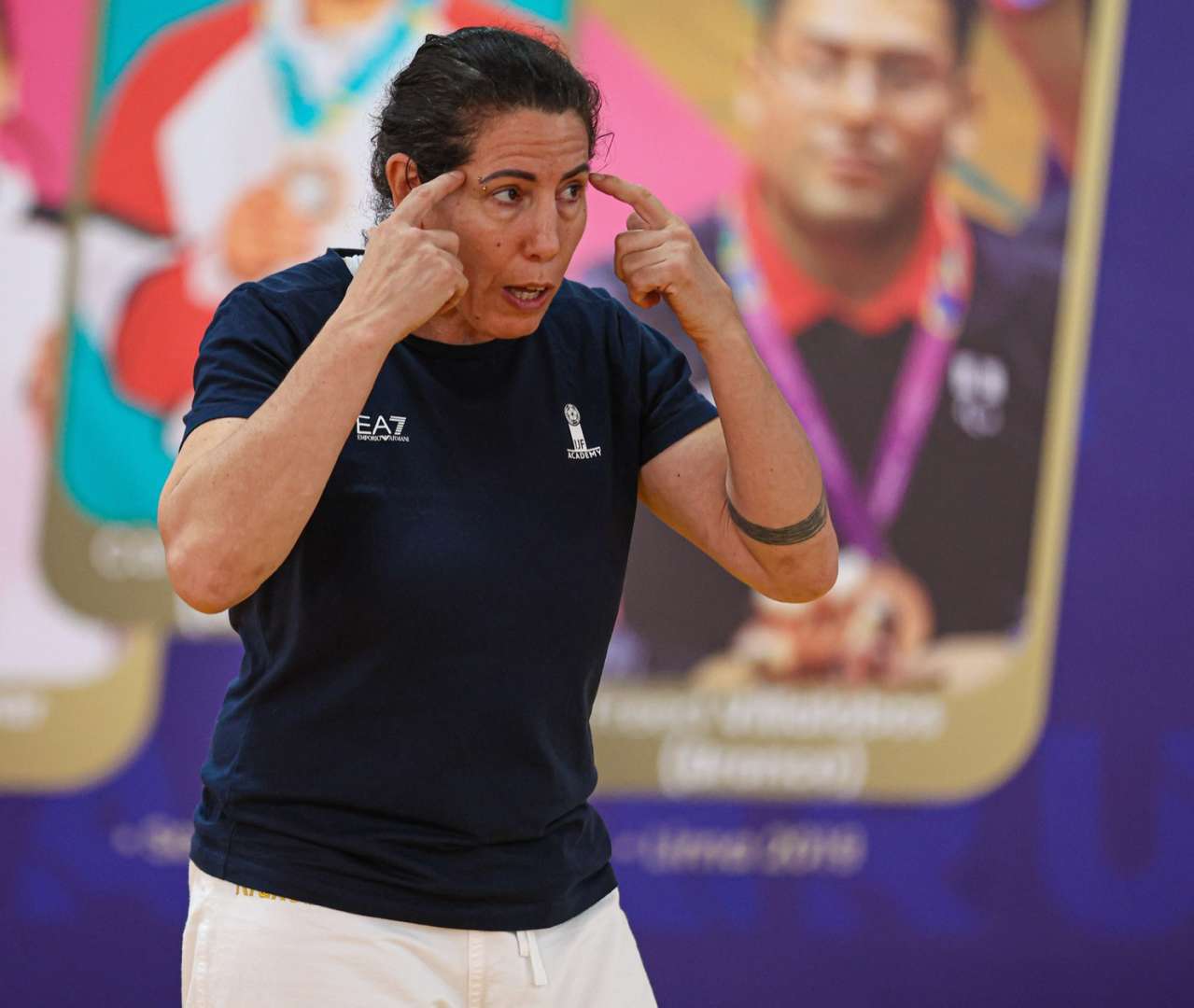
Perhaps no testimony illustrated the transformative power of the experience better than that of Cecilia Rojas, President of the Peruvian Bowling Federation. She arrived at Sakura Judo without practising the sport and left wanting to continue. "One of the objectives of this project was to inspire and the truth is that they succeeded, especially with me. It was the first time I had worn a judogi and the first time I had stepped on a tatami. Believe me, they inspired me to keep practising." Yet the impact went much further than discovering a new sport. "They gave us tools to face the challenges in our federations but also to strengthen ourselves, support one another and discover that when you really decide to achieve something, you are strong enough to do it. You are allowed to be afraid. The important thing is to overcome that fear and the obstacles in front of you." For Rojas, whose birthday fell during the programme, the experience became an unexpected present. "It was a great gift for me."
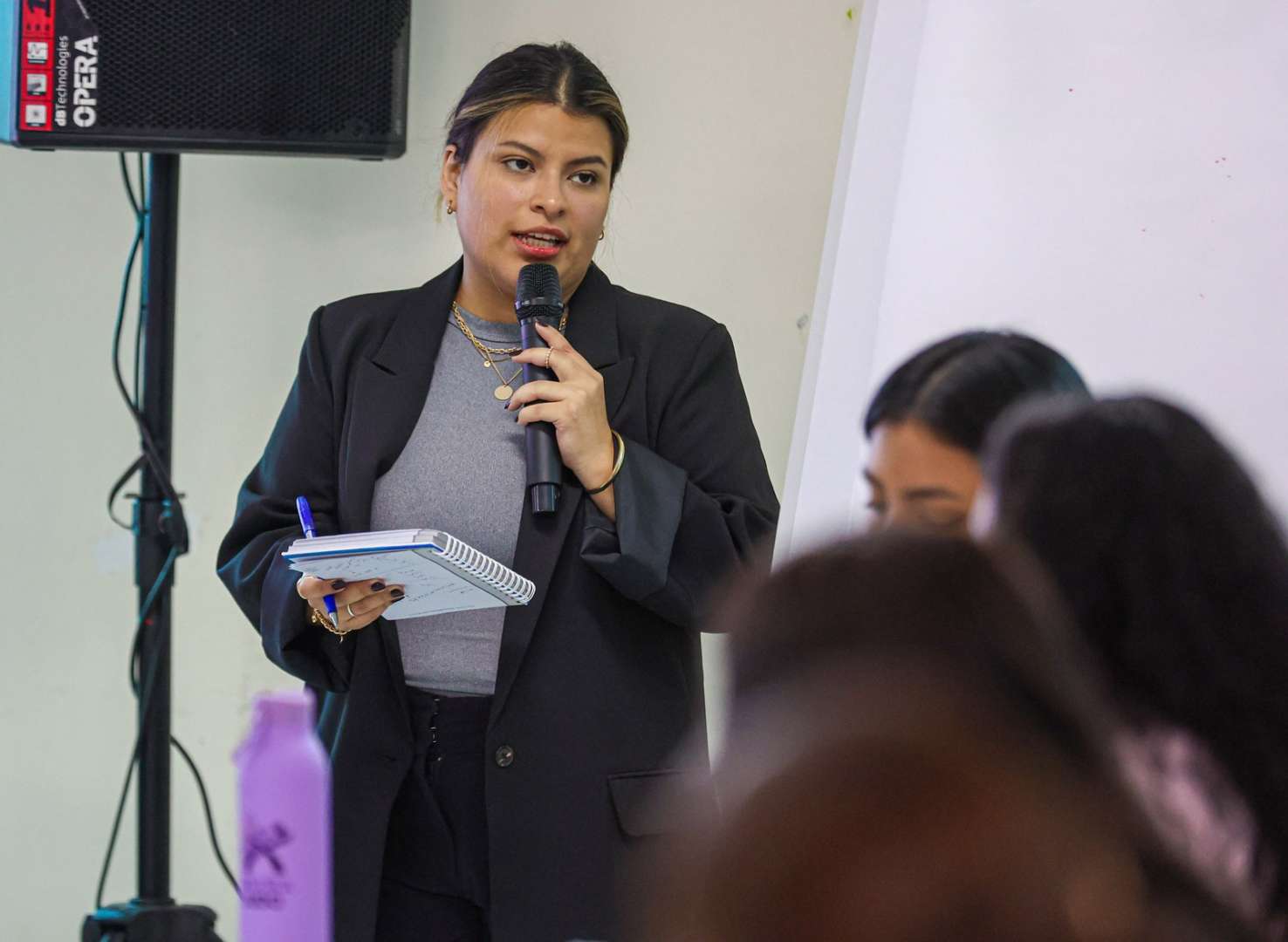
The presence of women from other sports also demonstrated how far the values explored through judo can travel. Leyla Trujano, coming from volleyball, put on a judogi and stepped onto the tatami for the first time as well. "What judo shows us is that a woman has to study, empower herself and create her own space within her community, always guided by discipline." Experiencing judo physically added another dimension to what she had learned in the classroom. "What I knew theoretically about judo became something completely different when I experienced it on the tatami. It reinforced my belief that with discipline and patience many things can be achieved." She was also struck by the co-operation she discovered within what can appear from the outside to be an individual sport. "There is a lot of teamwork. The person next to you, whether she knows a little more or a little less, shares what she knows with you."
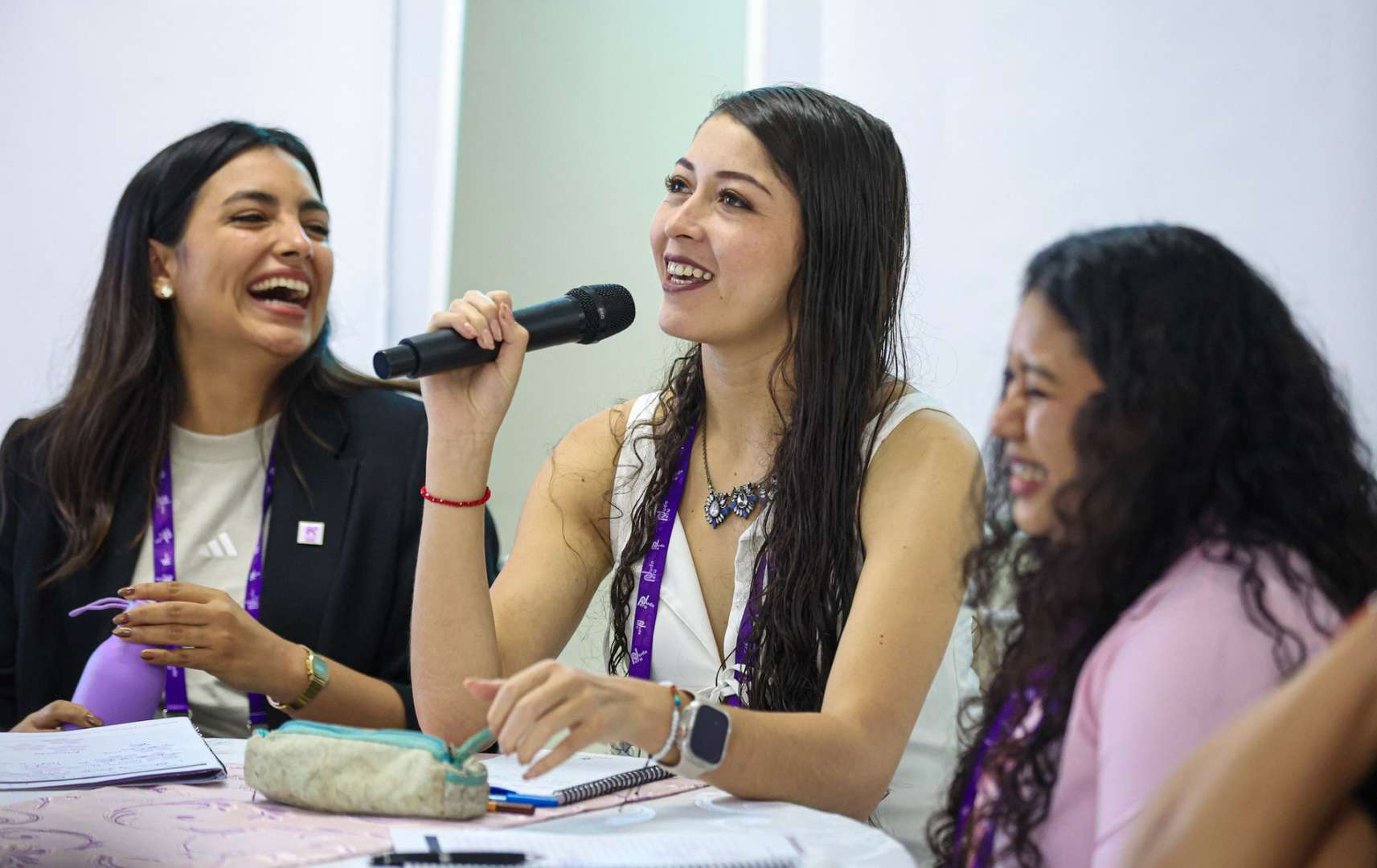
For Vanessa, a director of the Peruvian Olympic Committee who came to Sakura Judo from softball, the same combination of theory and practice proved particularly meaningful. The morning sessions offered tools for communication, understanding and personal development, while the afternoons provided an entirely different experience through the physical language of judo. Despite coming from a team sport, she found a familiar principle at its heart, "In sport, whether individual or collective, the goal is always the same: to give the best of yourself." For Marian, a Peruvian judoka selected among the participants, being surrounded by women with such diverse experiences was equally valuable. "I hope to leave with much more experience and knowledge. We are learning about leadership, about recognising the qualities we already have and about how we can use them in our daily lives."
Ultimately, this may be the most important legacy of the inaugural Sakura Judo. The programme did not tell these women who they should become. It gave them space to recognise who they already are, to learn from one another and to imagine what might come next. The tatami became a meeting place between generations, disciplines and experiences; a place where uncertainty could become confidence and where individual ambitions could become shared momentum.
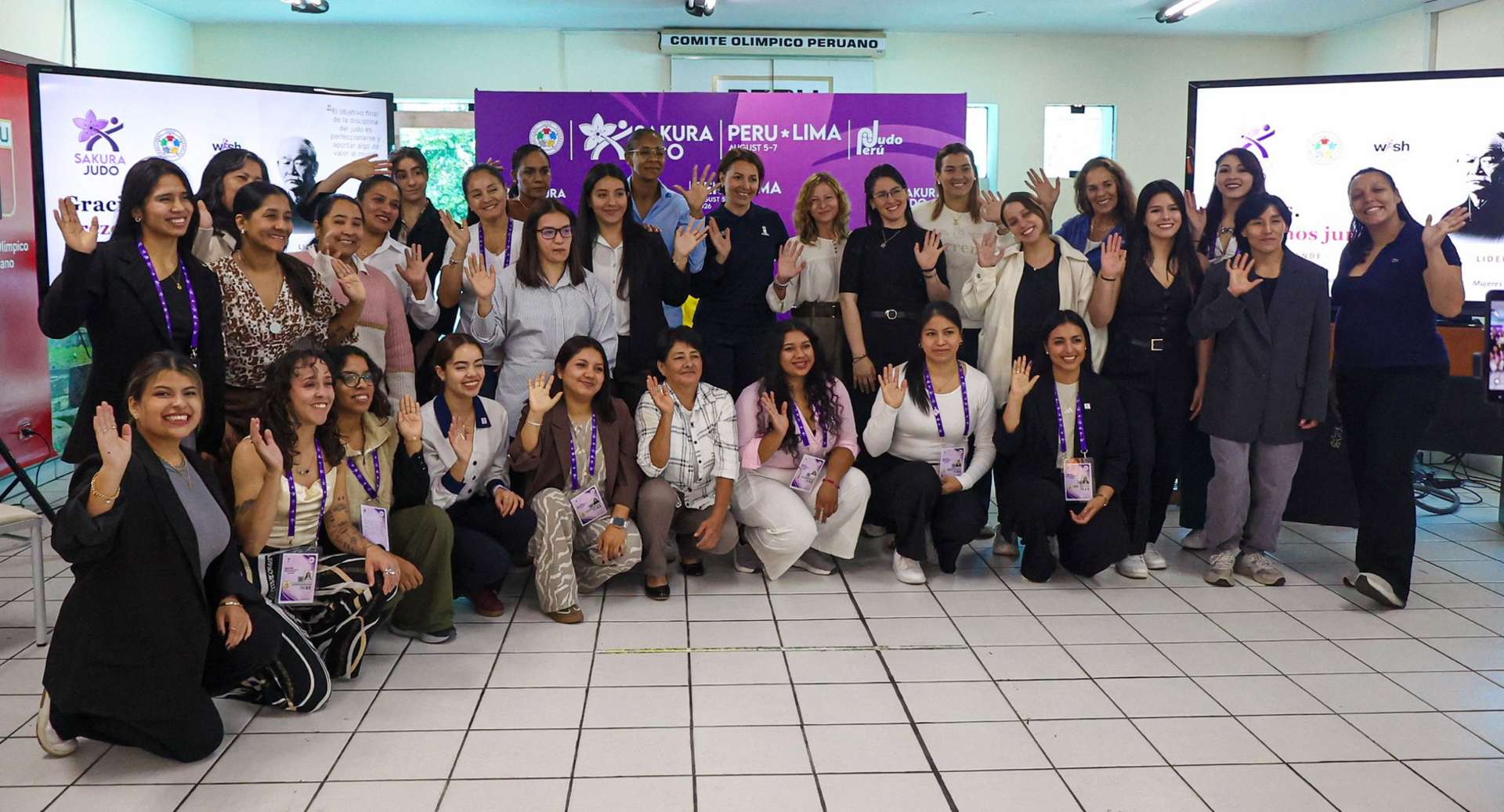
Three days cannot transform the sporting world on their own, but they can change the direction of a journey. They can convince an athlete that there is a place for her after competition, encourage a leader to take greater responsibility, inspire someone from another sport to put on a judogi for the first time or simply give a woman the courage to say, "I can do this."
The first Sakura Judo in Peru has now ended. What its participants do with that conviction is only beginning.