

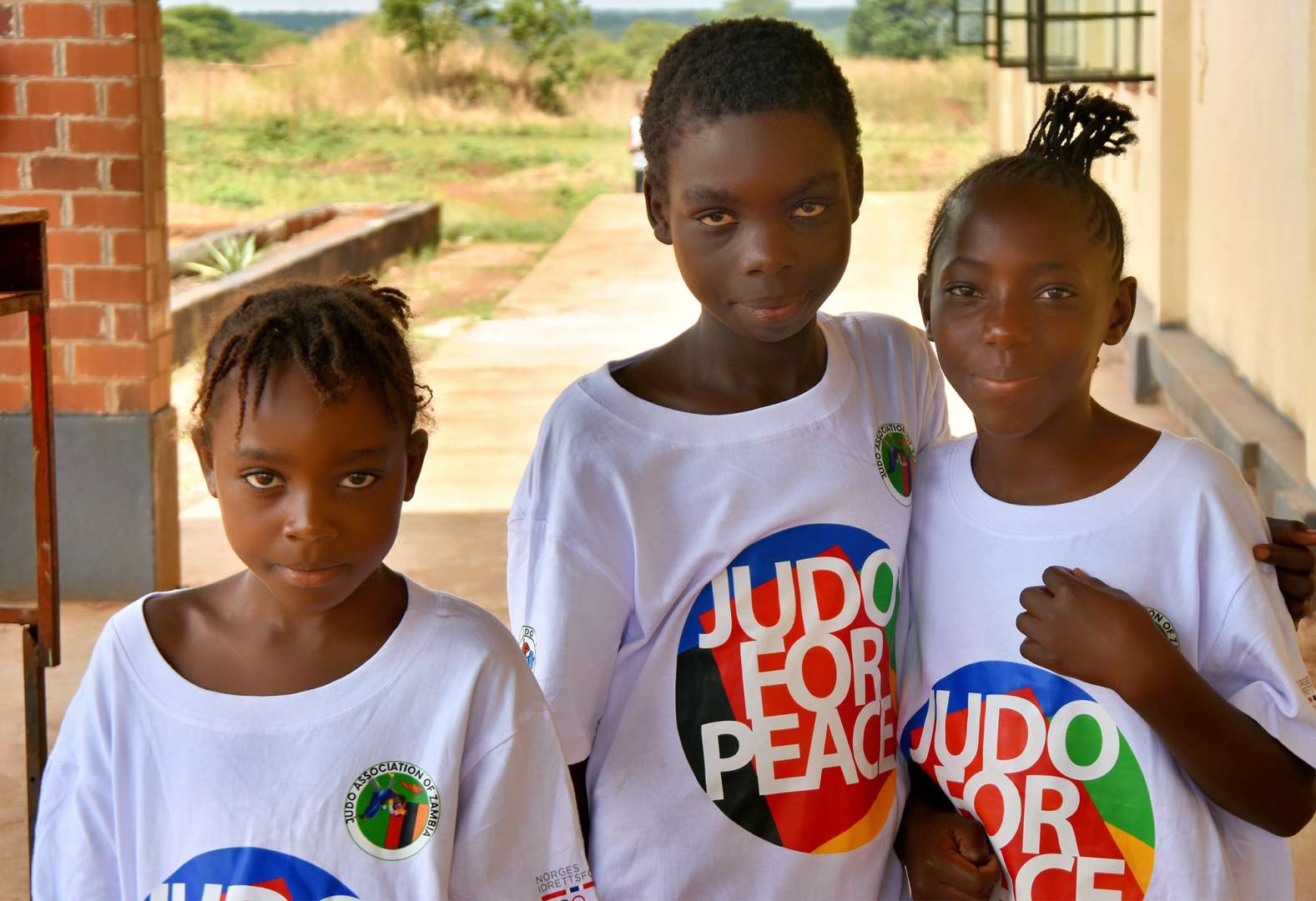
The dream was that judo could help people who had been forced to flee their homes find some of the strength they needed to rebuild their lives. Ten years on, you could hear what had become of that idea in and around the dojo. There was smiles, a lot of smiles and laughter. Children were glad to see one another. A place had become somewhere they wanted to be together and where they would feel safe.
There is a temptation, at an anniversary, to make ten years sound long enough for every wound to have healed. Trauma can leave a trace for a lifetime. The joy you see in Meheba belongs alongside that truth. A child laughing with a friend is living a moment that belongs entirely to them. They owe nobody an account of what came before.
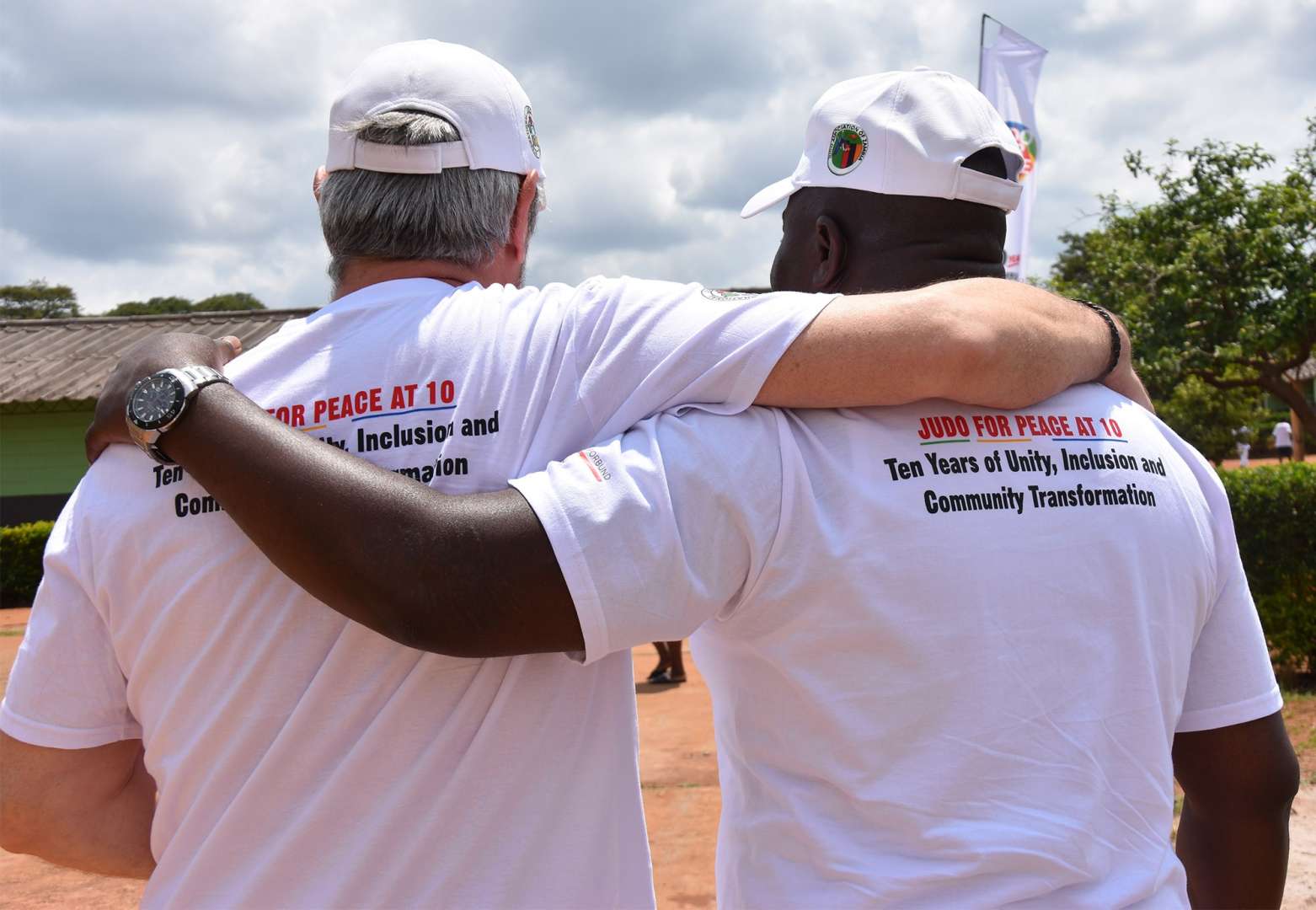
On the tatami, trust takes a very practical form. You lend your partner your balance for a moment. As they throw you, they keep hold of your sleeve and guide your fall. Then you change roles. Each of you has the experience of relying on someone and of being someone the other can rely on. Over time, that second experience can matter just as much as the first. There is dignity in discovering how much you have to give.
Jigoro Kano Shihan conceived judo as a form of education, a way to develop body and mind and prepare people to contribute to the society in which they live. His principle of Jita Kyōei, mutual aid and prosperity, comes to life when one judoka understands that their own progress depends in part on helping their partner improve. In Meheba, that lesson is learnt through the hands, through the grip on a sleeve and the care with which it is held.
Under the leadership of President Marius Vizer, the International Judo Federation has carried that educational purpose into its work around the world. In Meheba, it takes shape through Judo for Peace and the wider Judo for Refugees programme. Elsewhere, Judo for Children, Judo in Schools and Judo for All put the same principles into practice in different settings. Inclusion and gender equality give those principles concrete meaning when girls and boys have the same opportunity to step onto the tatami, to be taken seriously and to see how far they can go.
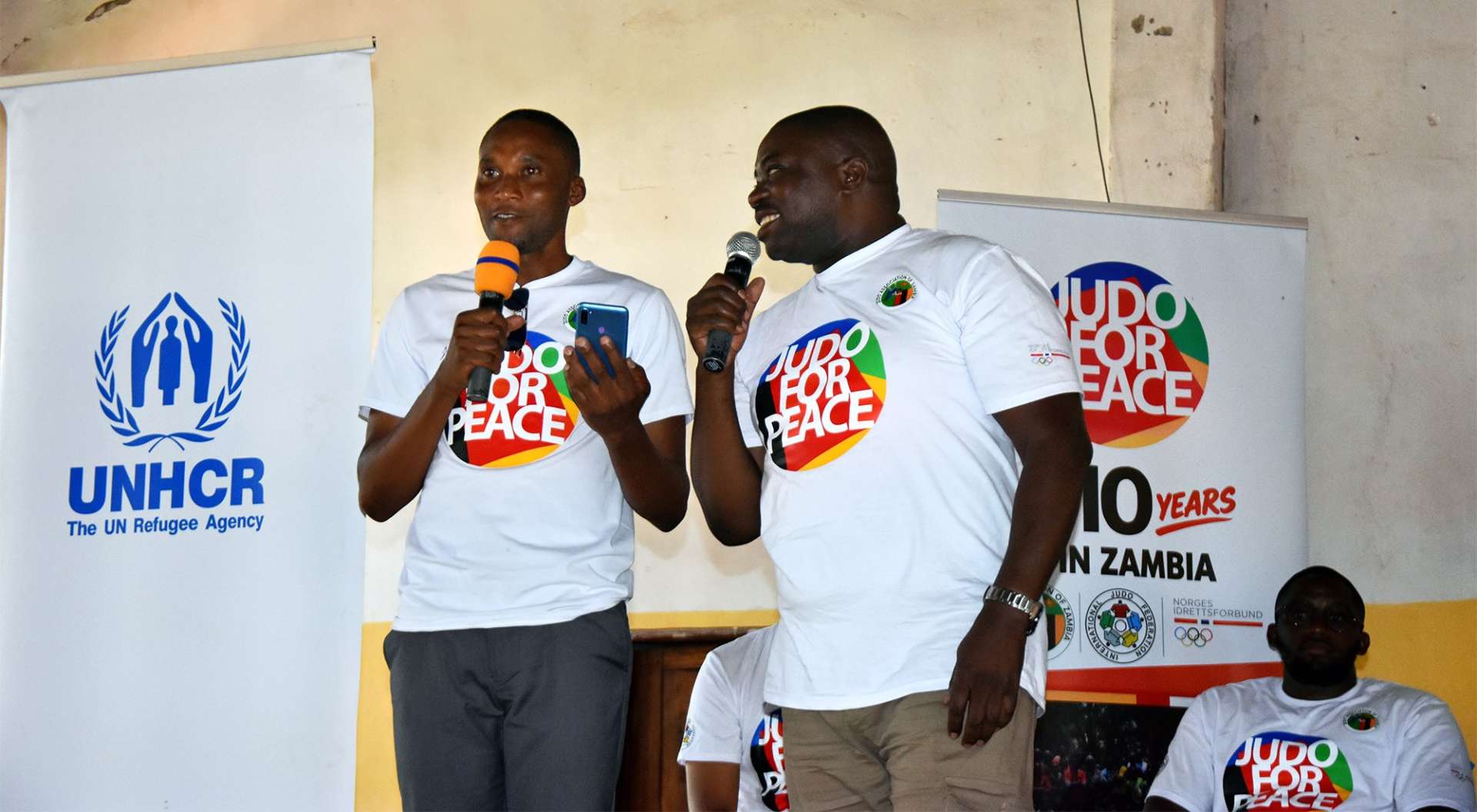
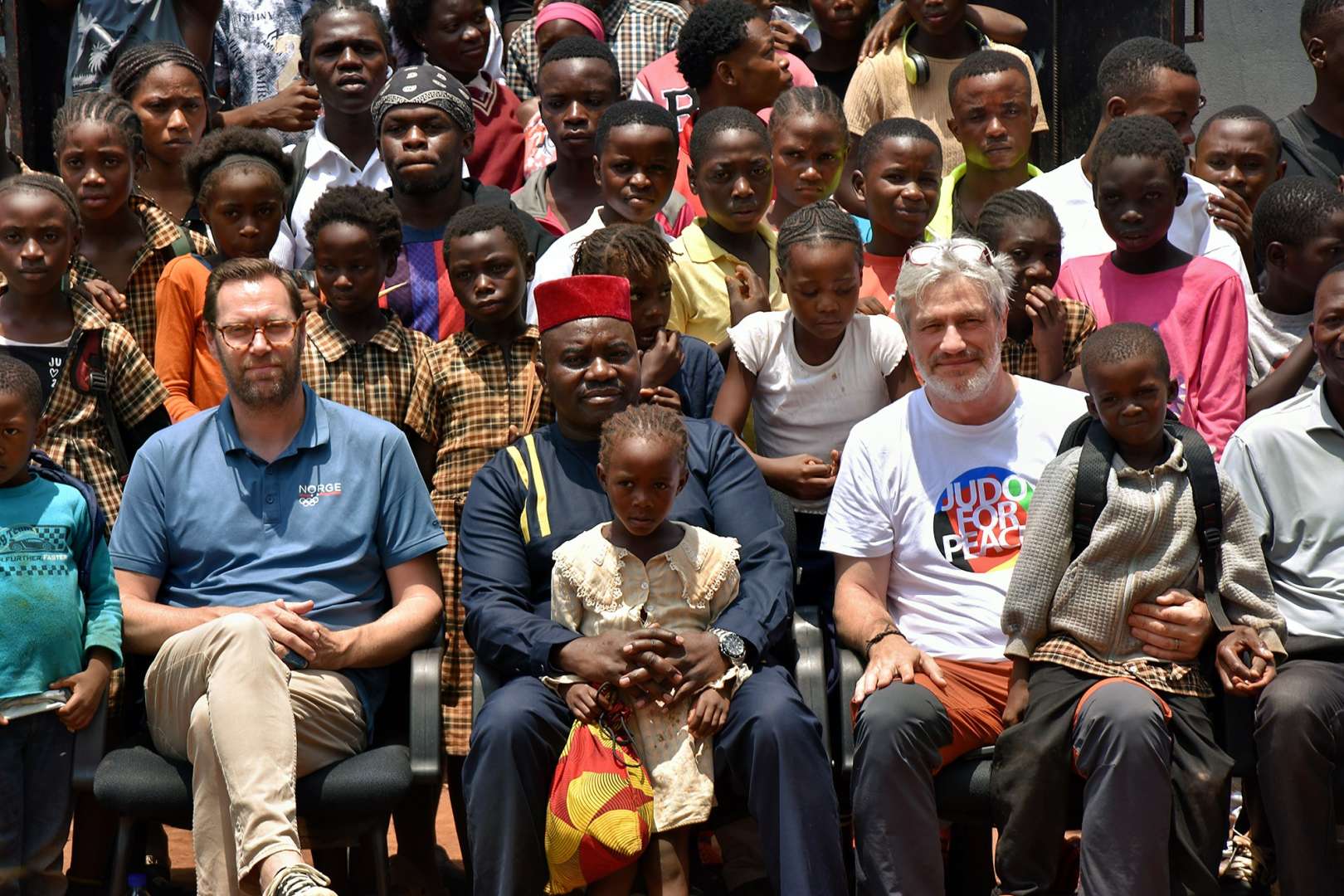
A handful of people believed in the idea ten years ago. Its life since then has depended on the persistence of the coaches, organisers and partners who have carried it, and on the young judoka and families who have made it their own. You can see the value of their work in the smiles around the dojo. You can see it, too, in the simple fact that there is a place for a child to come back to, where someone knows their name and a partner is waiting for them.
Some of the young judoka in Meheba have the talent to go a long way in the sport. They deserve the chance to find out how far. A first journey made possible by judo, a friendship formed far from home or the confidence to enter an unfamiliar room can all change what a young person imagines for their future. They may come to see that the experiences which set them apart can also give them something to offer. A medal would be worth celebrating. So would each of those moments.
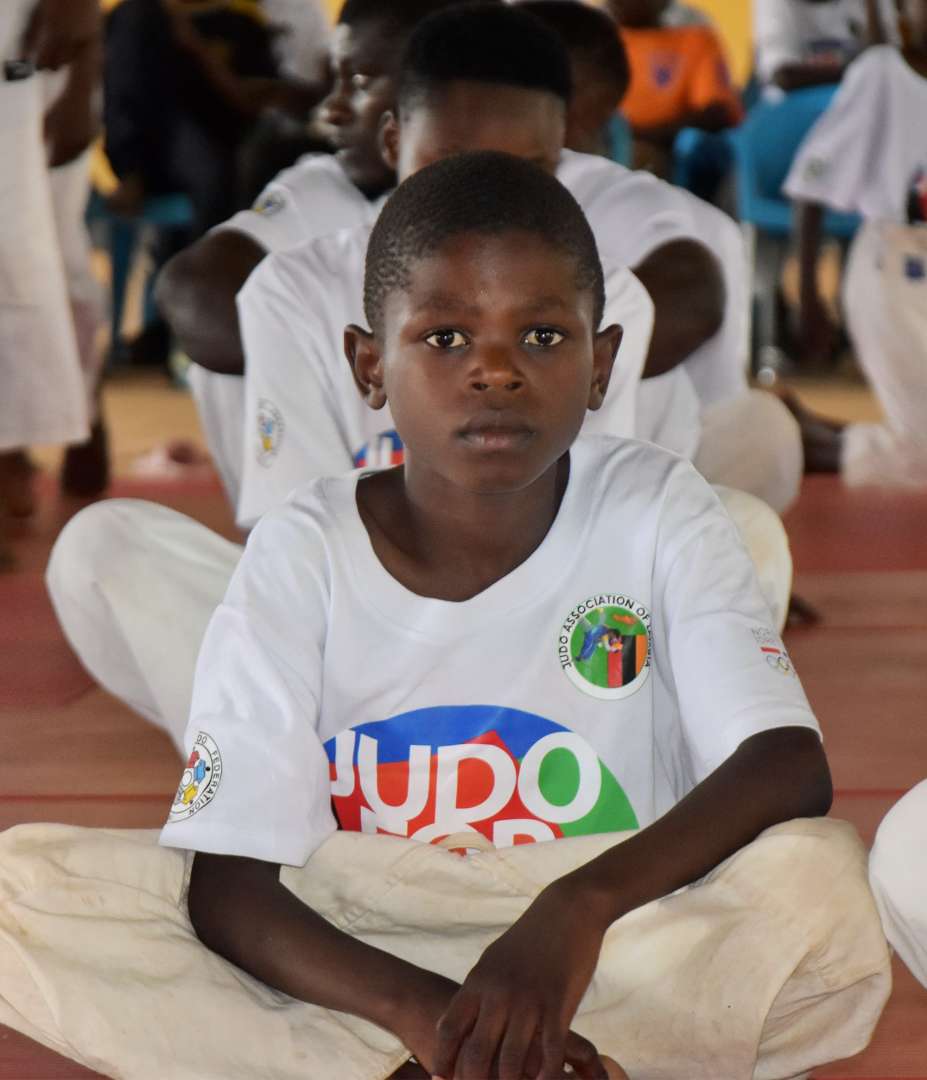
Where these young people go matters. How they get there will shape what they carry with them and what they can pass on. Perhaps one day a child will enter the dojo in Meheba for the first time, unsure whom to approach, and one of the young judoka we met at this anniversary will be there to welcome them. Much of what began ten years ago will live on in that ordinary gesture.
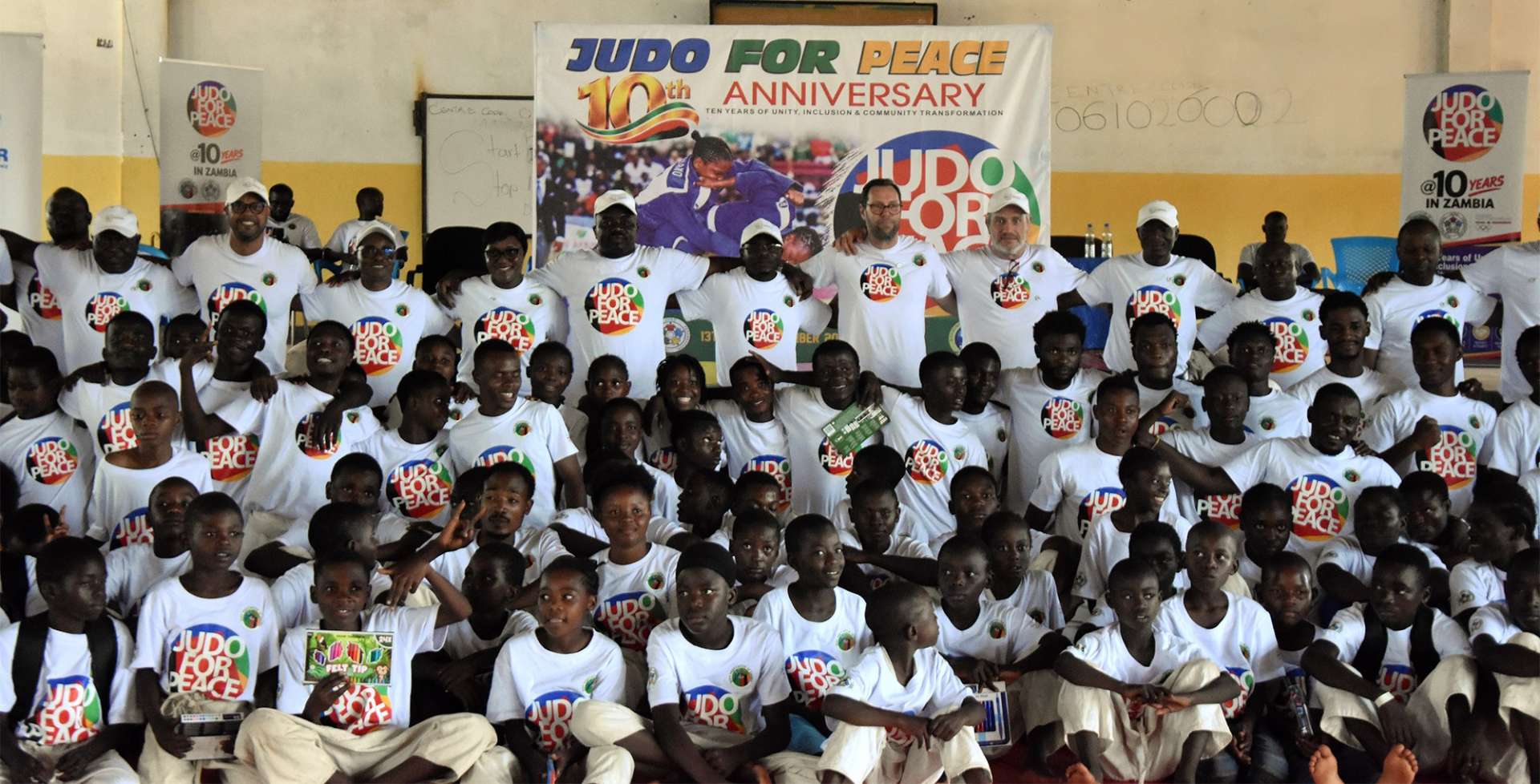
Thank you to everyone who believed in this story when it was still a dream and to everyone who has given their time and care to it since. Thank you for reaching out a hand when it would have been easier to turn away.
Photo © Muriel Thomas