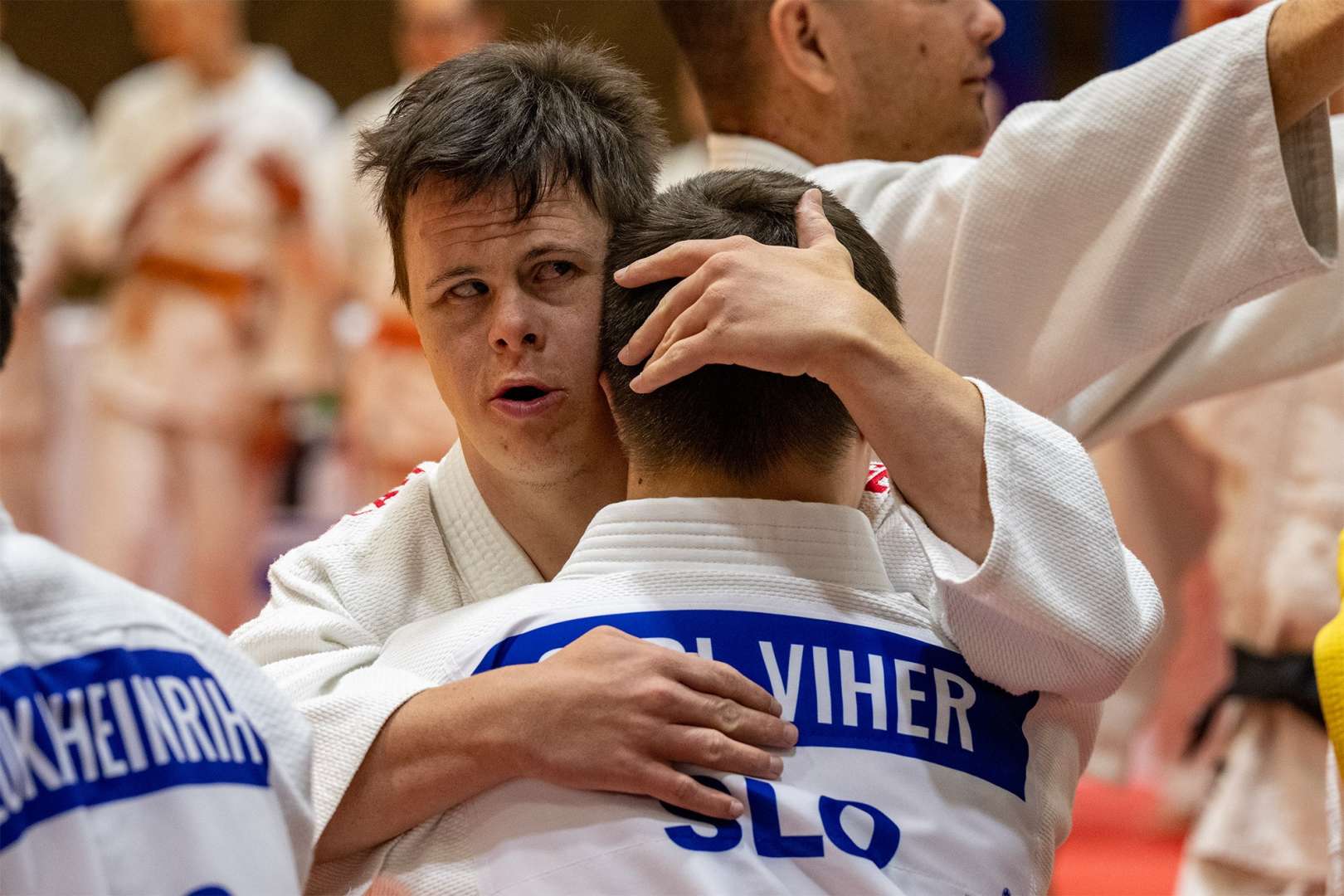

A total of 113 participants from 18 nations have come to Sarajevo to share the same space, the same codes and the same joy of judo. Their presence at the heart of this major international programme carries a message that reaches far beyond the competition itself: every judoka deserves an opportunity to learn, progress, perform and belong.
Special Olympics is the world’s largest sports movement for people with intellectual disabilities. Its purpose is not only to offer competition, but to reveal ability, build confidence, create friendships and help build more inclusive communities. In judo, athletes are offered opportunities adapted to their level and experience, with competition structured around age, gender, weight and, crucially, ability. The aim is meaningful sport: safe, fair, demanding and fulfilling.
Judo has long held a special place within the Special Olympics family. Its techniques, discipline and rituals offer much more than physical development. They help athletes gain confidence, learn self-control, communicate with others and discover the value of effort. The greetings, the respect for a partner, the attention to safety and the search for improvement all speak a universal language. On the tatami, each athlete is first and foremost a judoka.
This is precisely why the International Judo Federation is so deeply involved. In May 2025, the IJF and Special Olympics International signed a memorandum of understanding to expand opportunities for judoka with intellectual disabilities and to strengthen inclusion throughout the sport. The agreement is built around equality, accessibility and the integration of Special Olympics judo into the wider structures of the judo family.
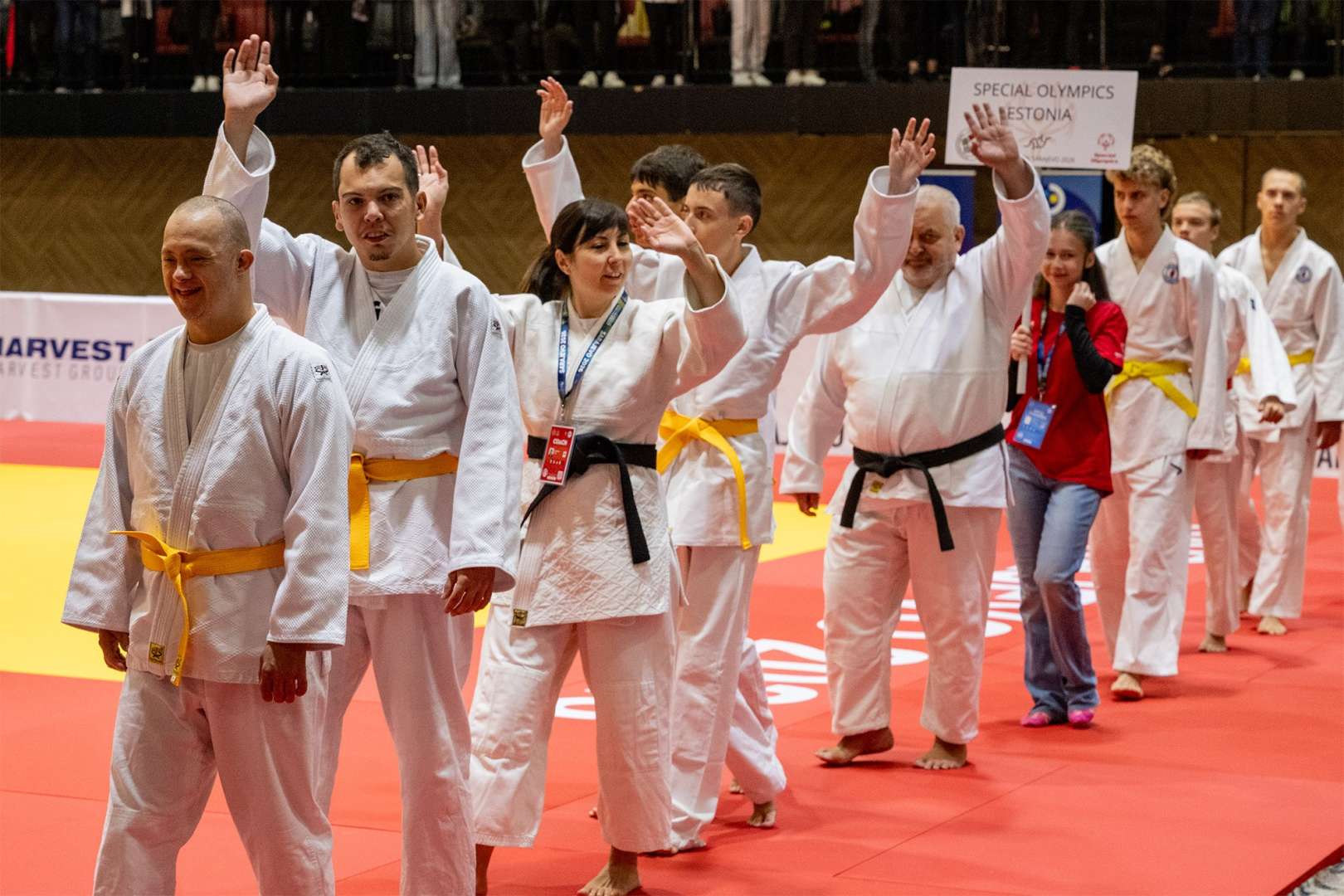
Sarajevo offers one of the first powerful expressions of that shared commitment. It brings Special Olympics judoka into an IJF world-level environment, not as guests at the edge of the programme but as athletes at its core. Veterans, kata specialists, coaches, officials, families and supporters are all able to witness the same essential truth: judo has many pathways but it is one family.
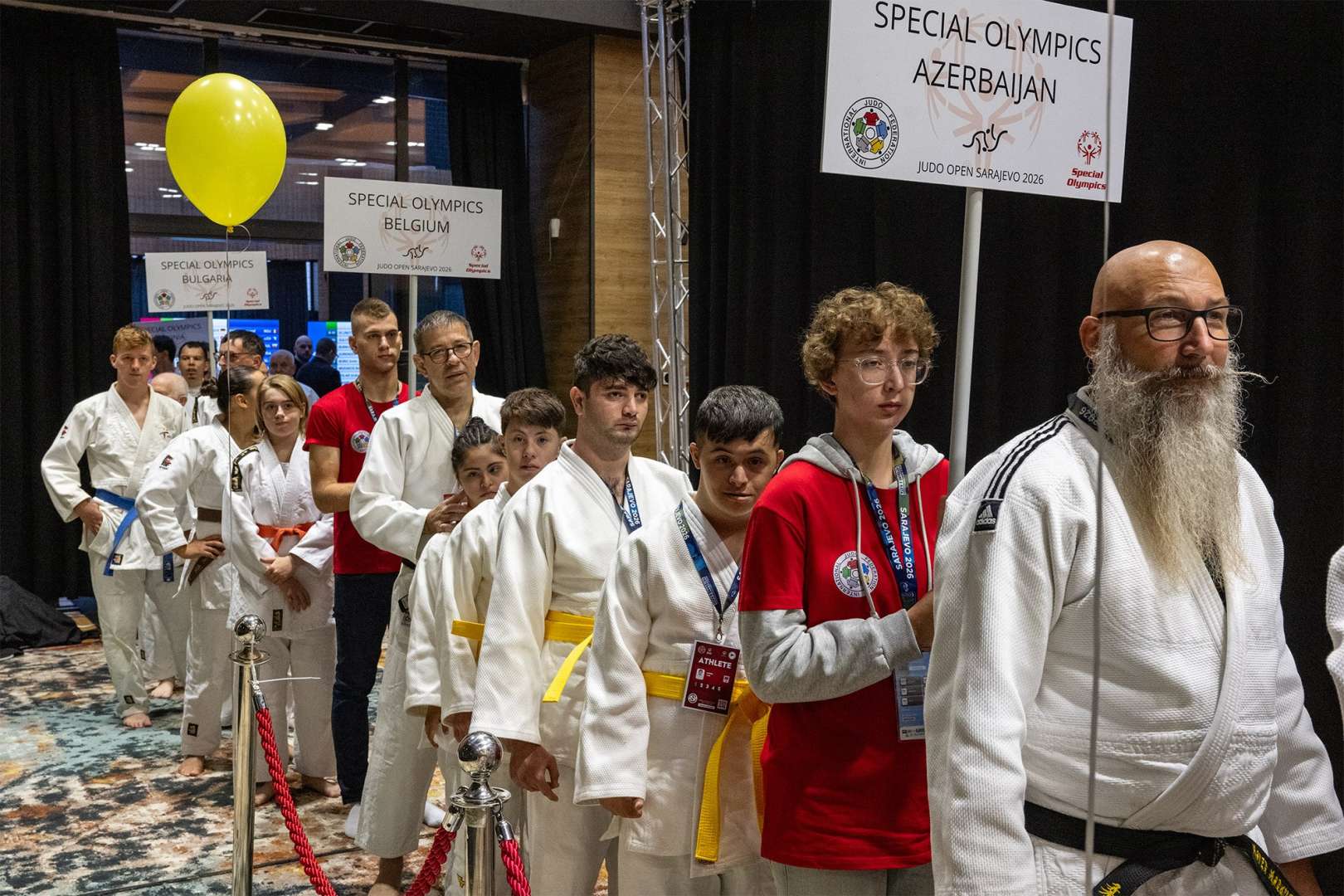
Before the first contest began, the opening ceremony gave that truth a face, a voice and a rhythm. The delegations entered one by one, forming a beautifully ordered line across the tatami. Each nation was introduced, each group acknowledged, each athlete welcomed. There was anticipation, pride and palpable emotion among competitors and their support teams. Then the formal sequence gave way to something even more memorable. Athletes, coaches, referees and officials joined together on the tatami and began to dance.
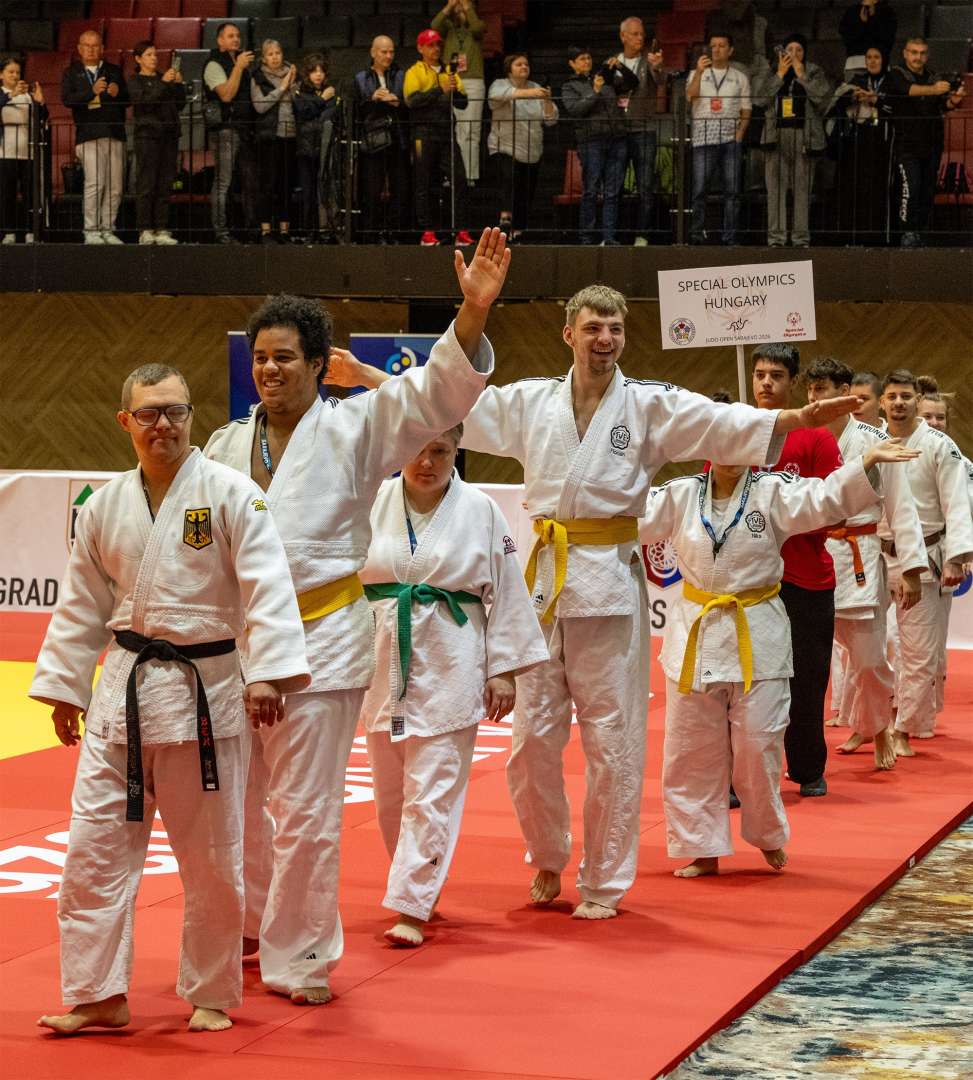
For a few minutes, the distinctions between roles disappeared. There were no classifications, no medals, no winning or losing. There was only music, movement, laughter and a shared sense of belonging. It was a moment of communion that moved everyone present, expressing with rare clarity what inclusion can mean when it is lived rather than merely discussed.
Mr Miroslav Krogulec, Vice-President of Sports and Organisational Development of Special Olympics, and Ms Kada Delić-Selimović, National Director of Special Olympics Bosnia and Herzegovina, addressed the gathering during the ceremony. Both spoke of their happiness, emotion and their feeling of honour as they welcomed the 113 participants and their delegations to Sarajevo. Tim Burkhart (SUI) gave the Special Olympics oath in the name of all participants.
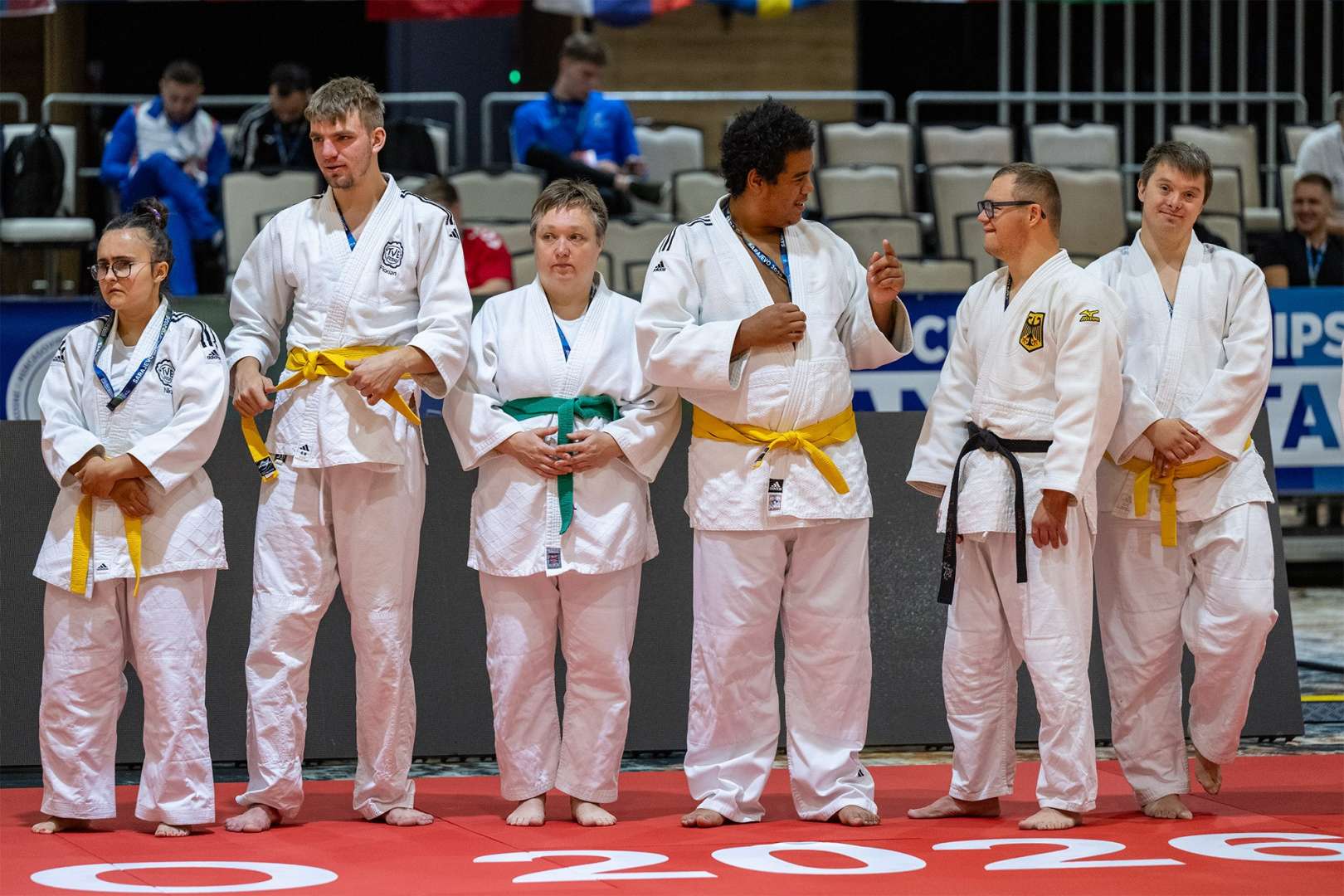
Their words reflected the significance of the occasion. This event is the result of collaboration, trust and the conviction that sport can create spaces in which every person is seen for what they can do, rather than being defined by what others assume they cannot. The event was then declared open.
After that incredible gathering came the moment everyone had been waiting for. The music faded, the delegations took their places and it was time for the competition to begin. The contests that follow will be real contests, with commitment, technical ambition and the desire to succeed. They will also be part of something larger. In Sarajevo, the Special Olympics Judo Open is showing that inclusion does not lower standards. It widens horizons. It gives more people the chance to experience the demanding, transformative and deeply human journey that judo offers.
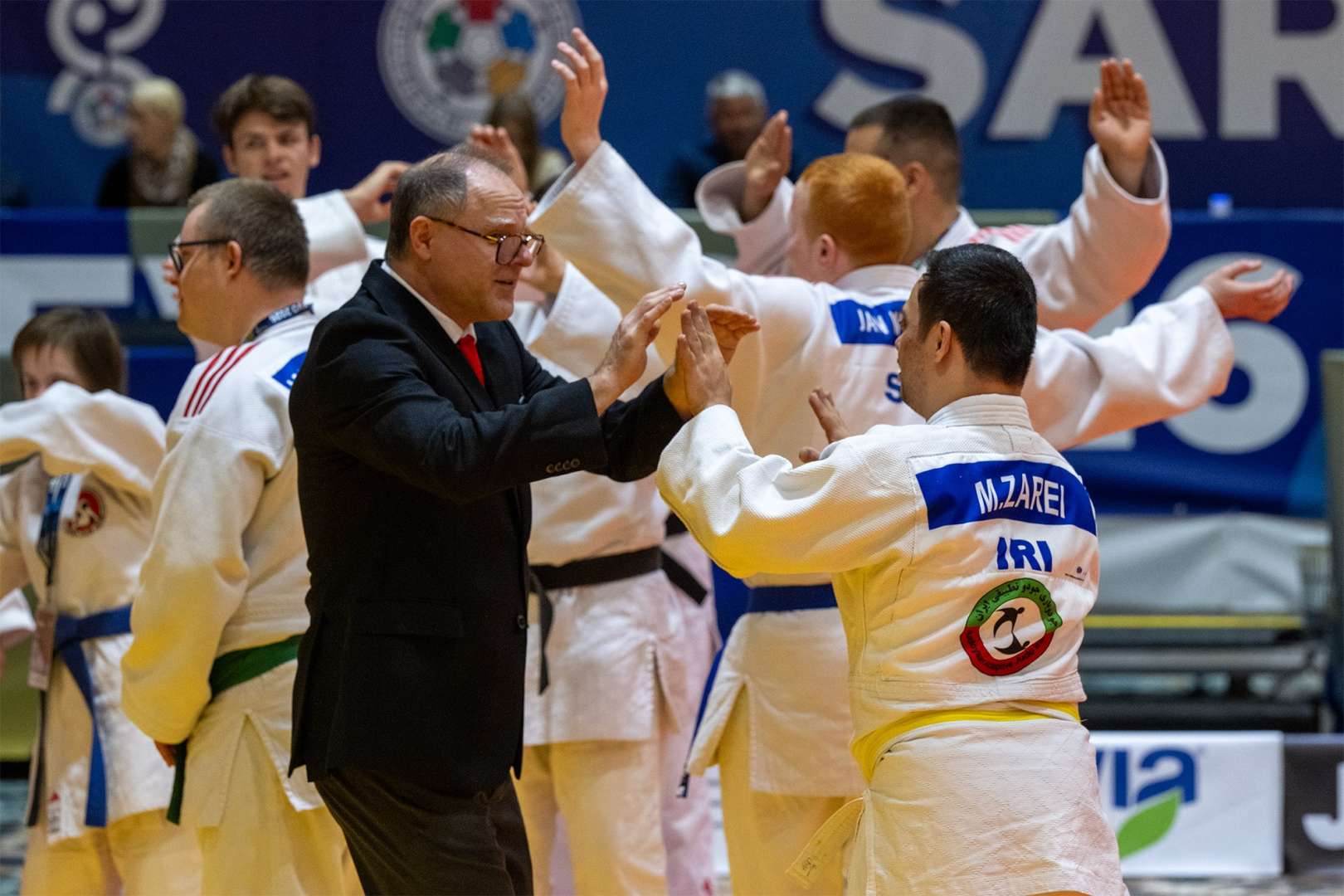
Between the veterans who have carried their love of judo across decades and the kata specialists preparing to honour technical heritage, the Special Olympics athletes now take their place on the same tatami. They do so with pride, with courage and with a joy that reminds us all why judo matters.
In Sarajevo, judo is not taking a break, it is becoming more complete.