
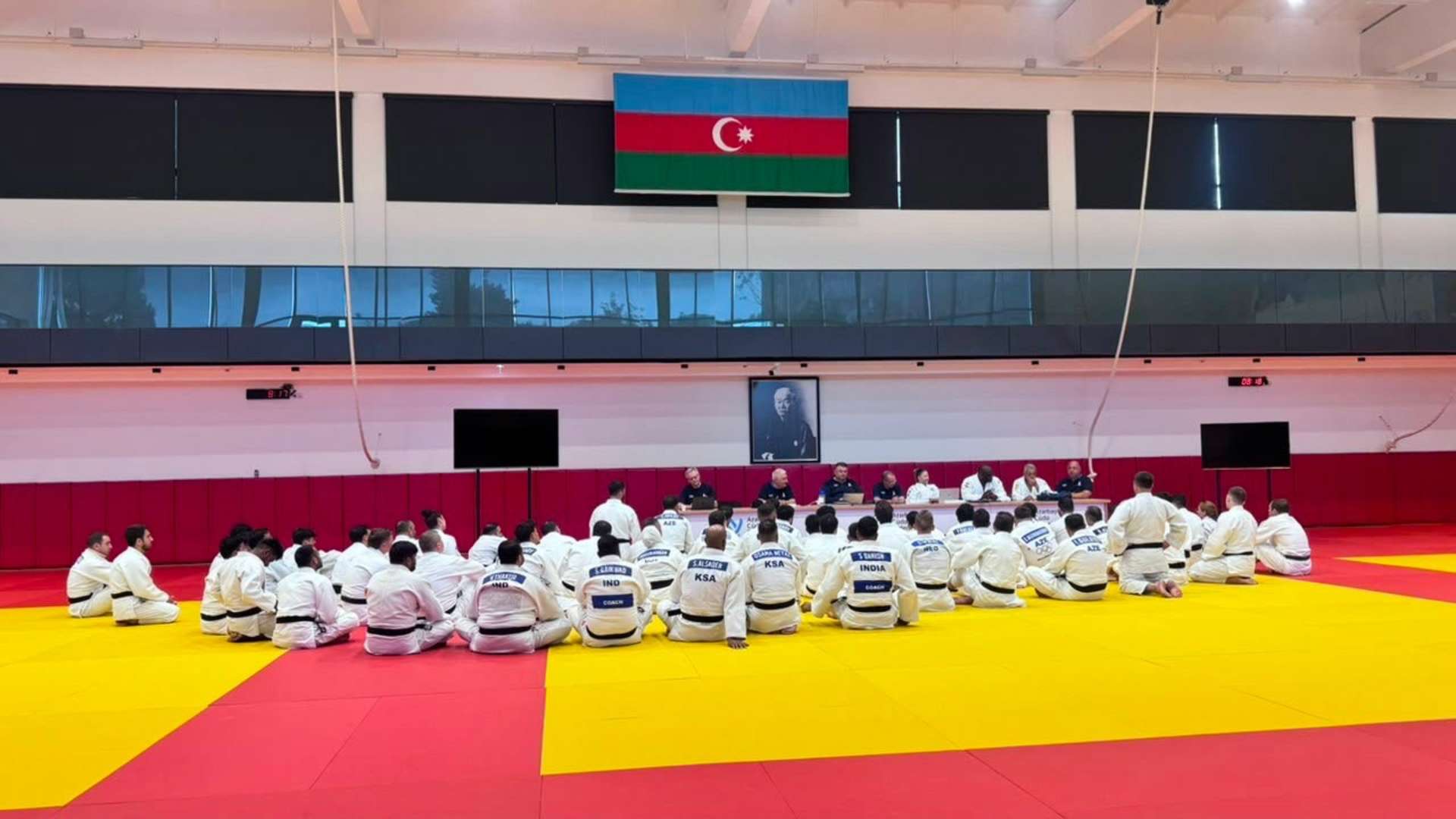
The roots of the IJF Academy predate its official creation. Envic Galea, one of the central figures in its development, was involved in the experimental educational programme established by the European Judo Union in collaboration with Bath University and Anglia Ruskin University in the UK. In November 2012, IJF President Marius Vizer asked him to establish the IJF Academy, turning that experience into a worldwide educational project. “The Academy’s mission became clear: to build an international, standardised, academically recognised pathway for judo education within the IJF structure,” explained Mr Galea.
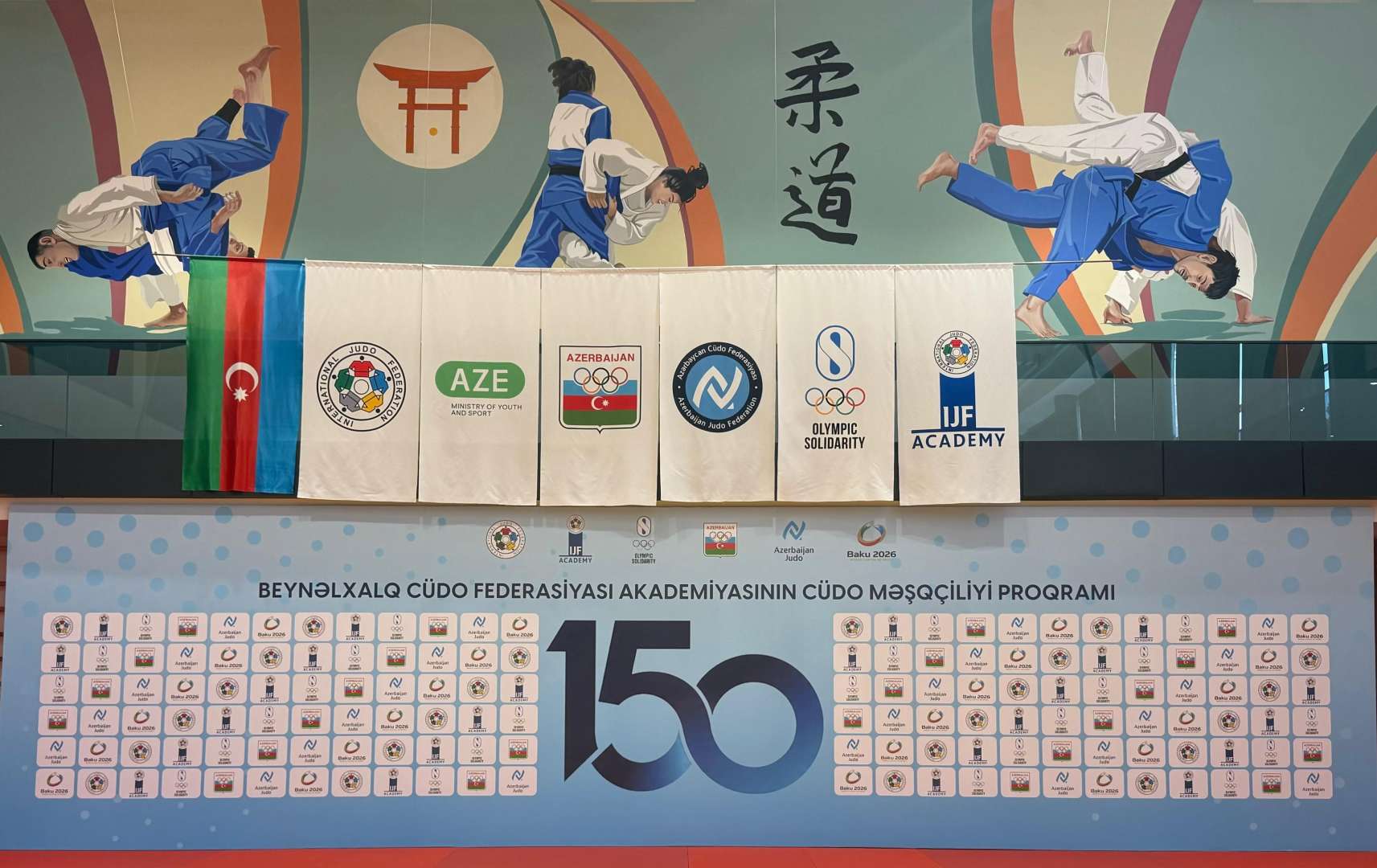
The founding period was a collective effort, with Florin Daniel Lascau and Tibor Kozsla working alongside Galea, with the constant support of President Vizer. Lascau, a former world champion, recalled the original ambition, “Beginning in 2013 as a judo development vision of Mr Vizer, the IJF Academy became the teaching arm of the IJF, with the goal of offering the same chance of education to all judoka worldwide, across all continents. Today, this academic institution is a platform for receiving the best possible judo education, with highly qualified experts and a constantly growing curriculum.”
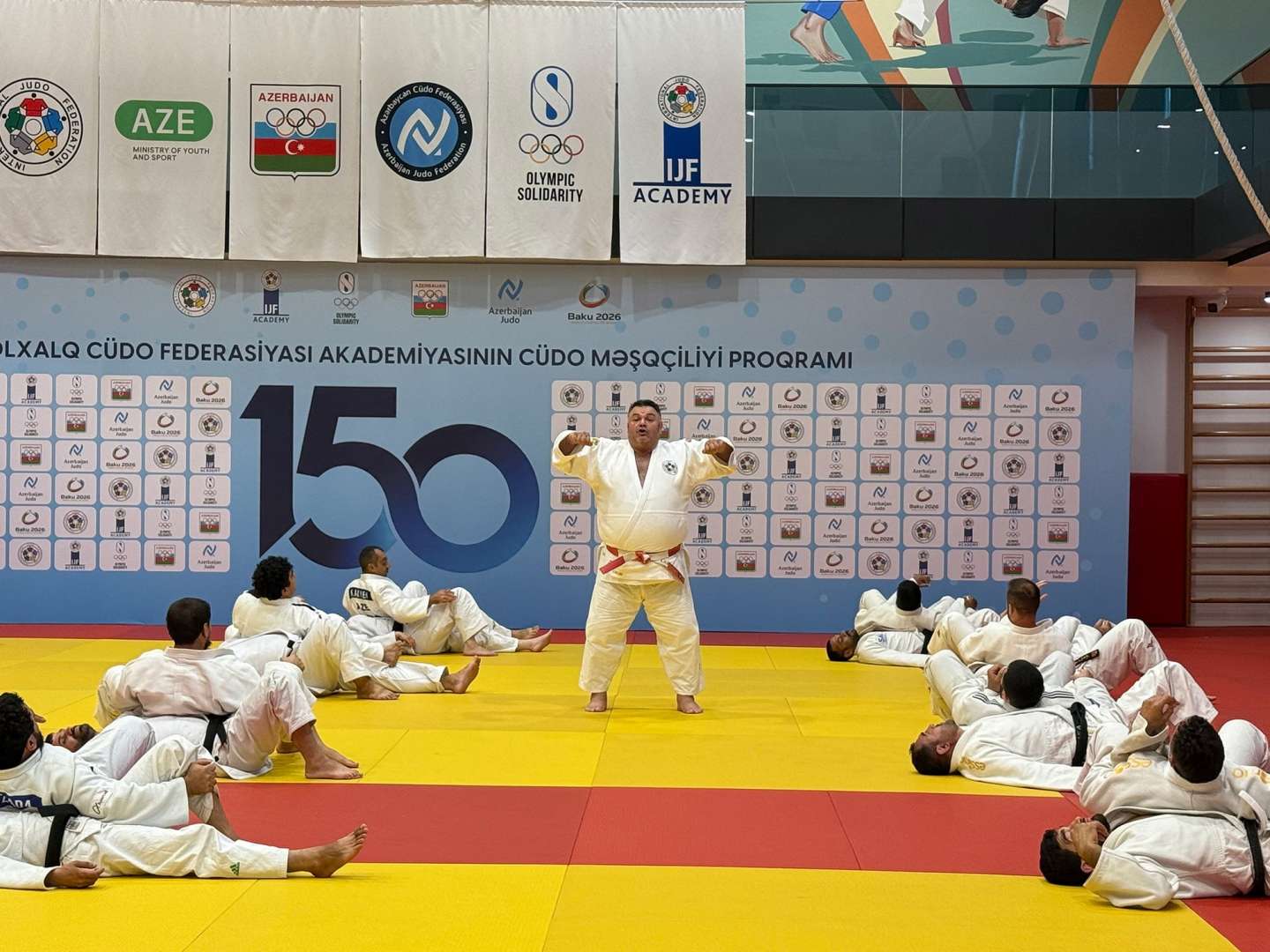
The Academy became a foundation in 2018 and went on to become the first accredited higher education institution within an international federation. Lascau also acknowledges those who have supported its development, “The IJF Academy board and the experts would like to express their recognition for the trust of our IJF president, the IJF Executive Committee, International Olympic Solidarity, the Kodokan Institute and all national judo federations for their trust and commitment to this amazing judo programme.”
For Galea, “Reaching the 150th practical session is a testament to this shared vision and to the thousands of coaches and referees worldwide who have embraced the Academy’s standards and philosophy.”
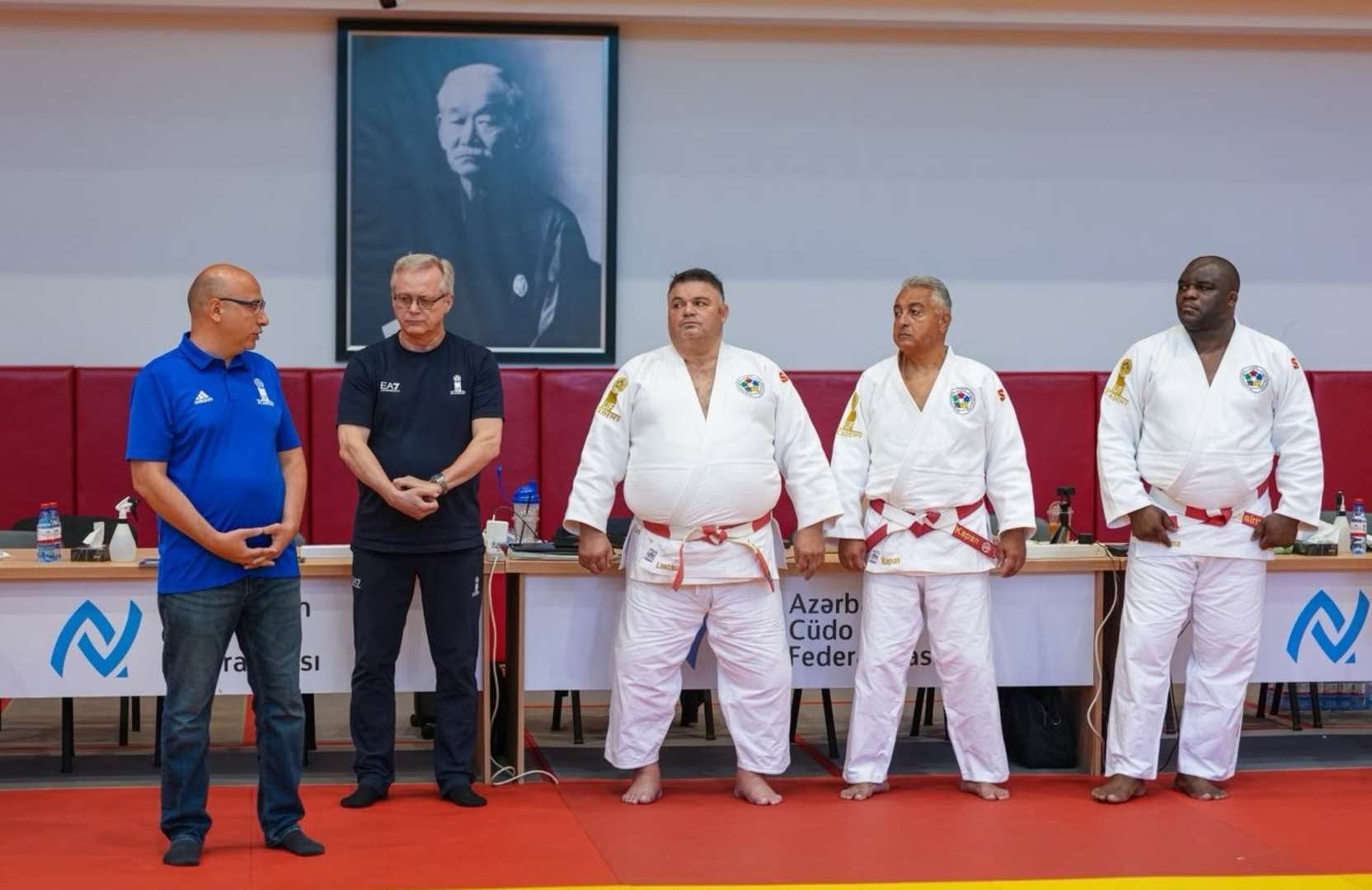
Among those thousands are Olympic and world champions who discovered that even after reaching the highest level, their understanding of judo could still evolve. Italy’s Giulia Quintavalle, Beijing 2008 Olympic champion and 6th dan, joined the Academy as a student in Malta in 2018 and attended her first practical session as an expert in Türkiye in 2022. “After a high-level sporting career, that course allowed me to discover and understand even more about the world behind judo, especially from a technical point of view. I realised how many aspects, details and areas of knowledge there were still to explore, even after so many years spent on the tatami.” For Quintavalle, education is particularly important for athletes moving into coaching, where performing a technique and knowing how to teach it are very different skills. “Knowledge is the key to growth; more education means greater competence, better quality of teaching and, over time, better results.”
Daniela Krukower, Argentinian 7th dan and 2003 world champion, brought another perspective. Having worked as a national coach in Argentina and Canada, she attended her first IJF Academy practical session in the Dominican Republic in 2019. “I learned that knowing judo and knowing how to teach judo are two different things. For me the Academy reinforced the importance of methodology, communication, individual development and adapting our teaching to different people and different stages of development.” Her work with kata and self-defence also broadened her perception of judo beyond competition. “Developing better coaches is one of the most effective ways to develop judo, because the impact of a well-educated coach extends to many generations of judoka.” Her message is simple, “Never stop learning. Judo is a lifelong journey.”
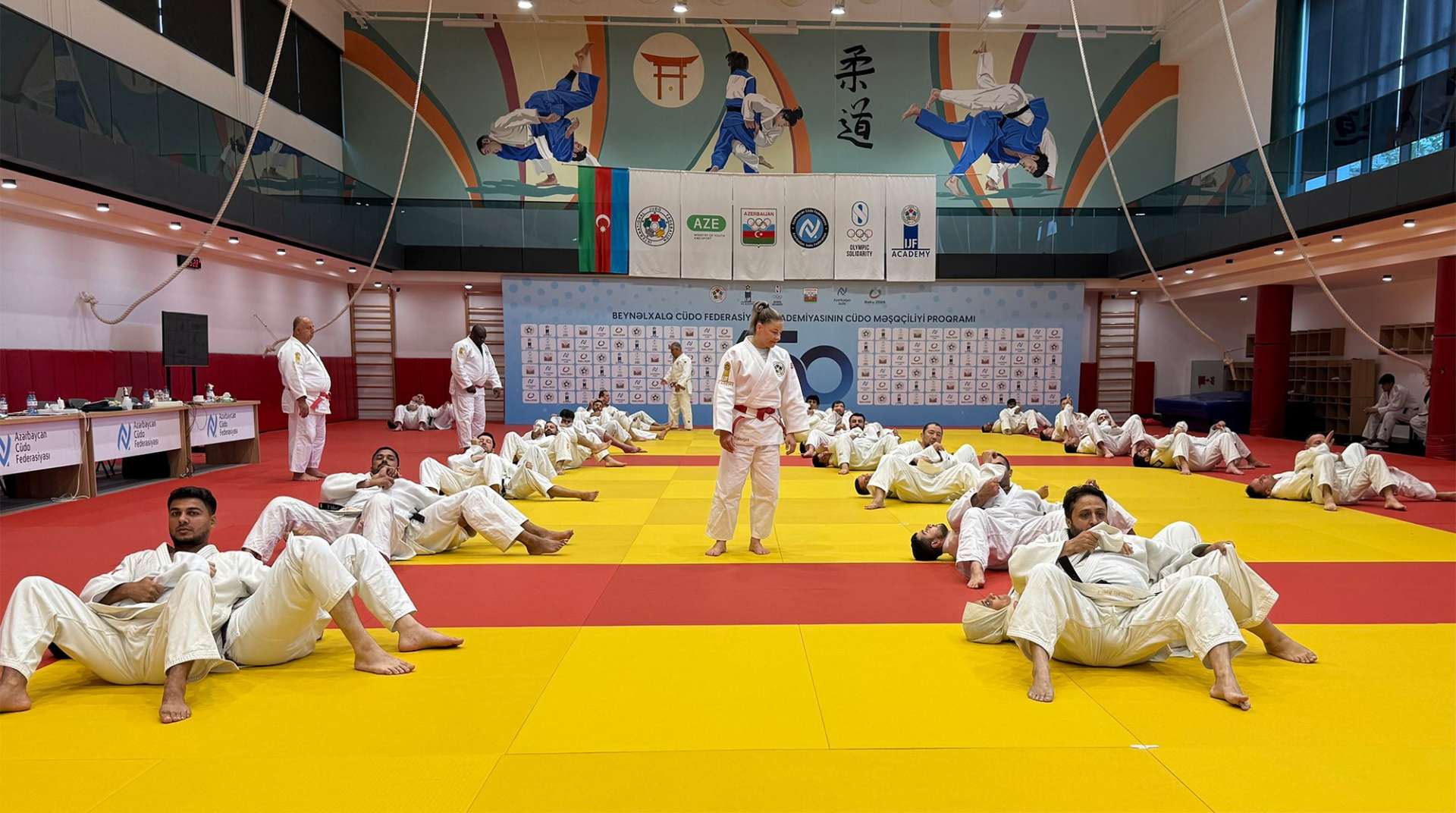
Tina Trstenjak’s experience echoes that idea. The Slovenian Rio 2016 Olympic champion and 2015 world champion did not imagine the IJF Academy would become part of her post-competition life initially. Invited by Galea to undertake level 1 despite having no intention of becoming a coach, she soon changed her perspective. “What started as something I did not see as relevant to my future initially became an important part of my journey after my competitive career.” Trstenjak continued with level 2 and the Judo Management course, explored kata and became an IJF Academy expert, attending her first practical session in that role in Dunavarsány, Hungary, in December 2022. “When I came to the IJF Academy, I honestly felt like I did not know judo at all. It was almost as if I had to learn judo again from the beginning.” Studying and teaching forced her to look beyond performance to the principles behind techniques and the importance of fundamentals. “No matter how many years you have spent in judo or how much you have achieved, there is always something more to learn. The more we learn, the more we understand and appreciate the depth of judo.”
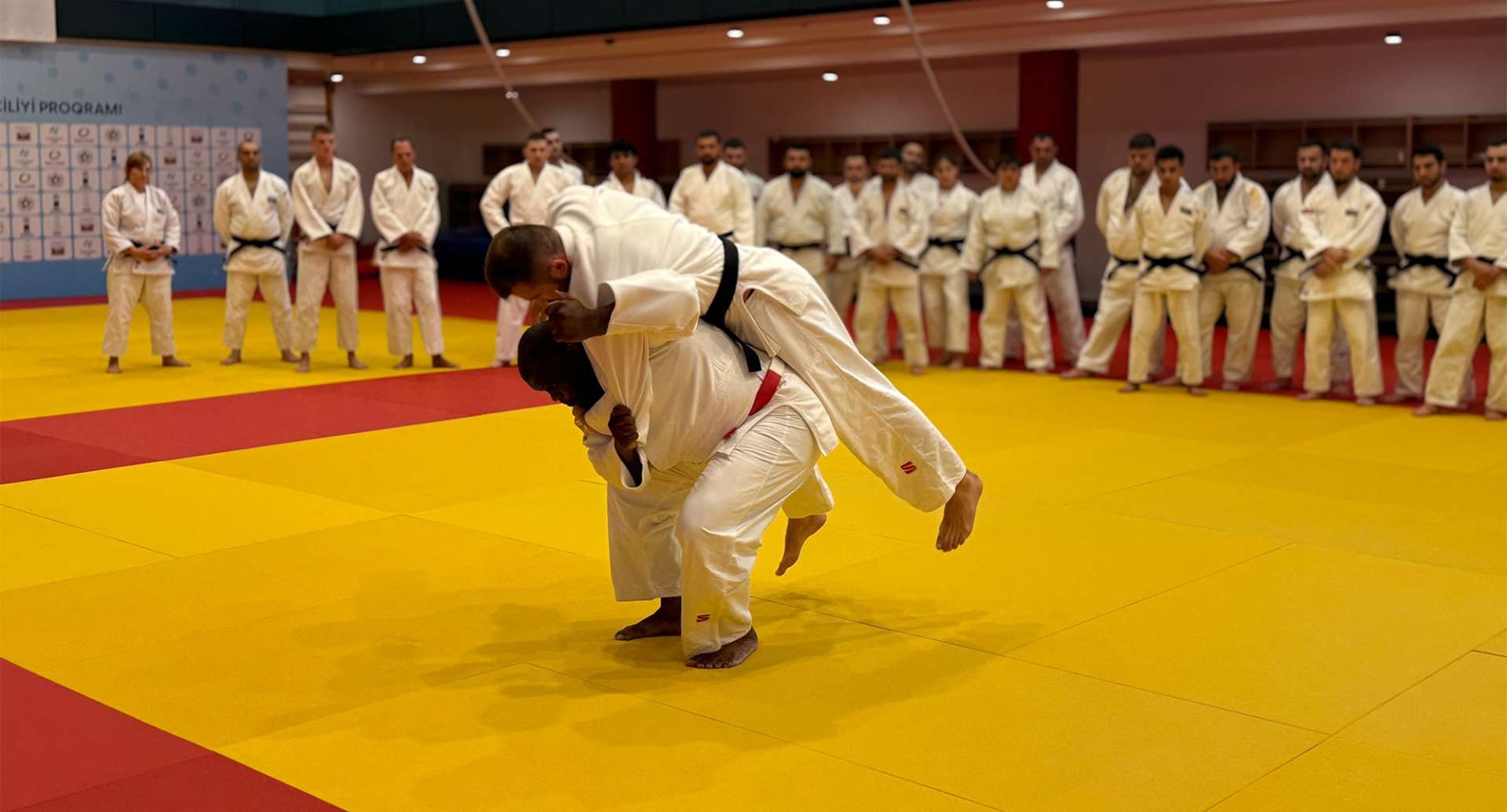
For Croatian 7th dan Slavisa Bradic, education had always been central to his judo journey. His first Academy practical session was in Zagreb in 2017 and Baku represented another landmark; he has now been involved in 75 IJF Academy sessions, exactly half of the 150 organised to date. “Working at the Academy opened my eyes to how much I still need to work on myself to become a good teacher.” His work has taken him across Europe, Africa, Asia, Australia and the Americas. He has also contributed to micro-credential courses including Judo for Self-Defence, Judo for Police and Security, Kata for All and Judo in Schools. “My understanding of judo has evolved dramatically. It is like looking at a mosaic; where I once saw only scattered pieces, I now see a much more complete picture.” Referring to the Croatian song Trag u Beskraju, ‘A Trace in Infinity,’ Bradic summed up what those 75 sessions mean to him, “If my work has left even the smallest trace in the lives of my students and colleagues, then my journey has fulfilled its true purpose.”
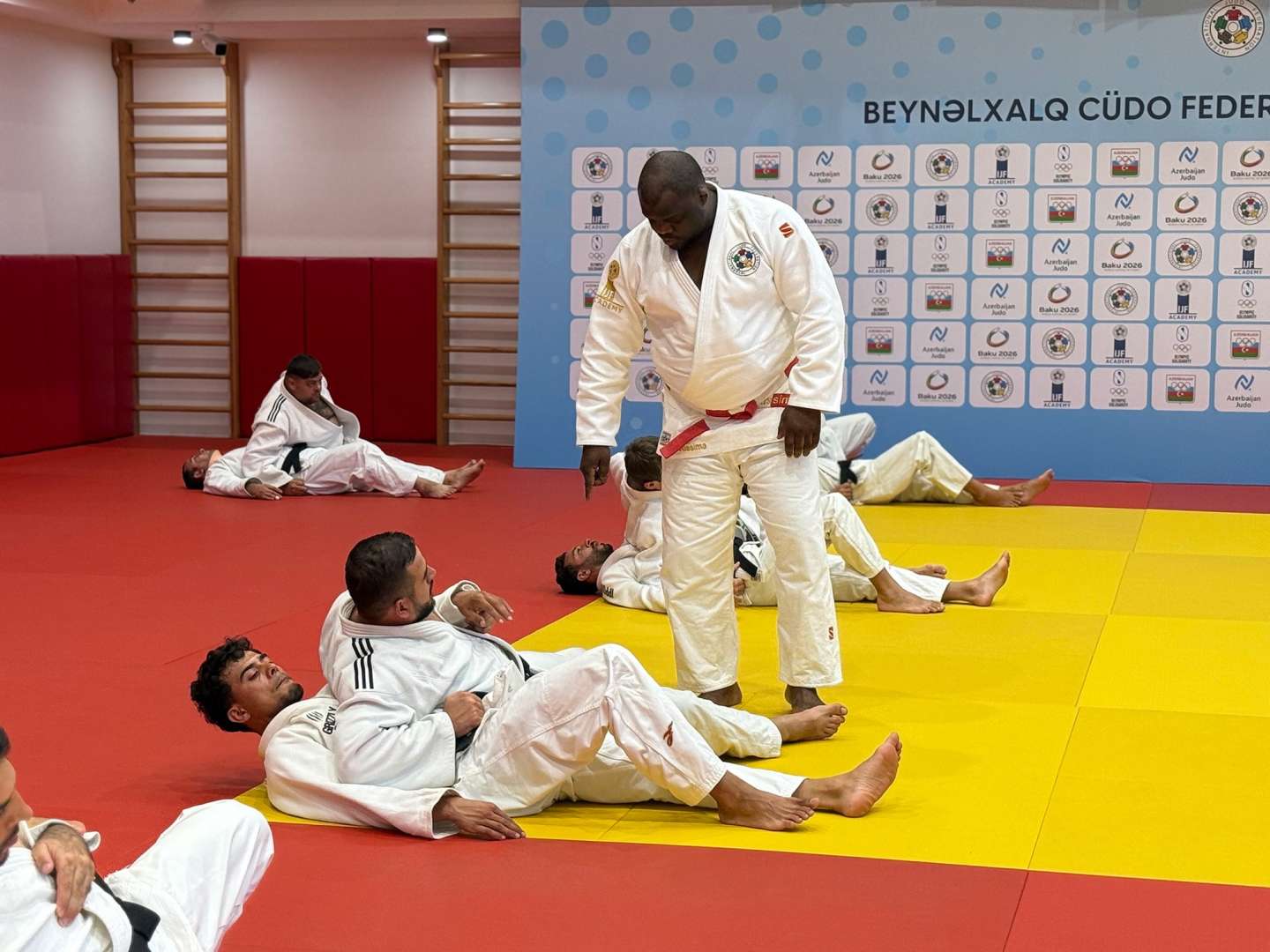
For Cameroon’s Franck Martial Moussima Ewane, the Academy changed the direction of his life. A civil engineer by profession, the 6th dan attended his first practical session as a student in Tata, Hungary, in 2013 and his first as an expert in Zambia two years later. “It has been an incredible journey, full of learning from the best and challenging myself every day to meet the standards.” Above all, it changed his approach to teaching, “My understanding of judo changed a lot. I understood that the most important thing was not the technique but the principle.” In Africa, he believes the Academy can challenge the idea that competitive experience or a black belt alone is sufficient preparation for coaching. “The IJF Academy is a must if we want to normalise our judo. It is the judo school that brings us back to the real essence of judo and its FUNdamentals.” His own journey illustrates that impact, “Being a civil engineer by profession, I never imagined loving being a coach as I do now. Being an IJF expert is one of the best things that happened in my life and I believe I make more impact now as a coach than I ever made as an athlete.”
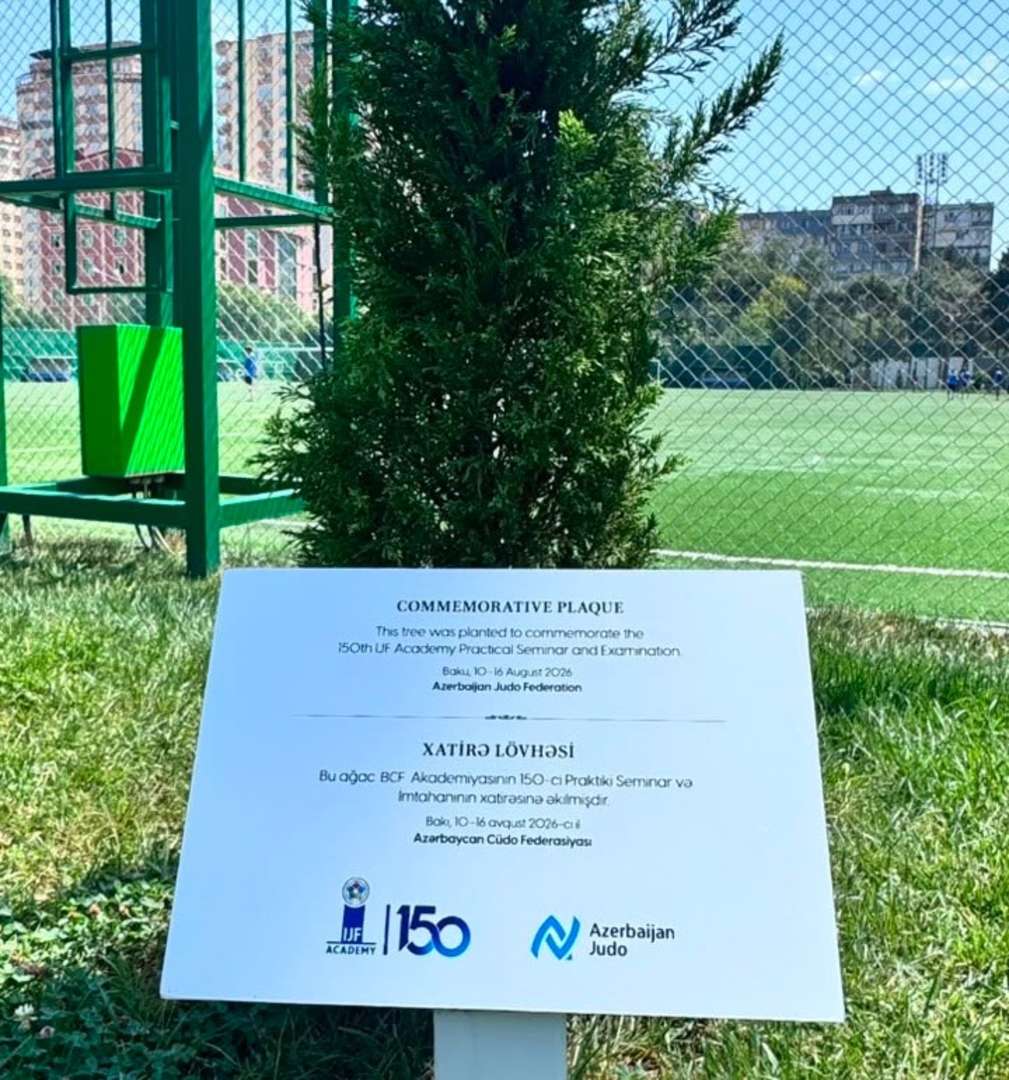
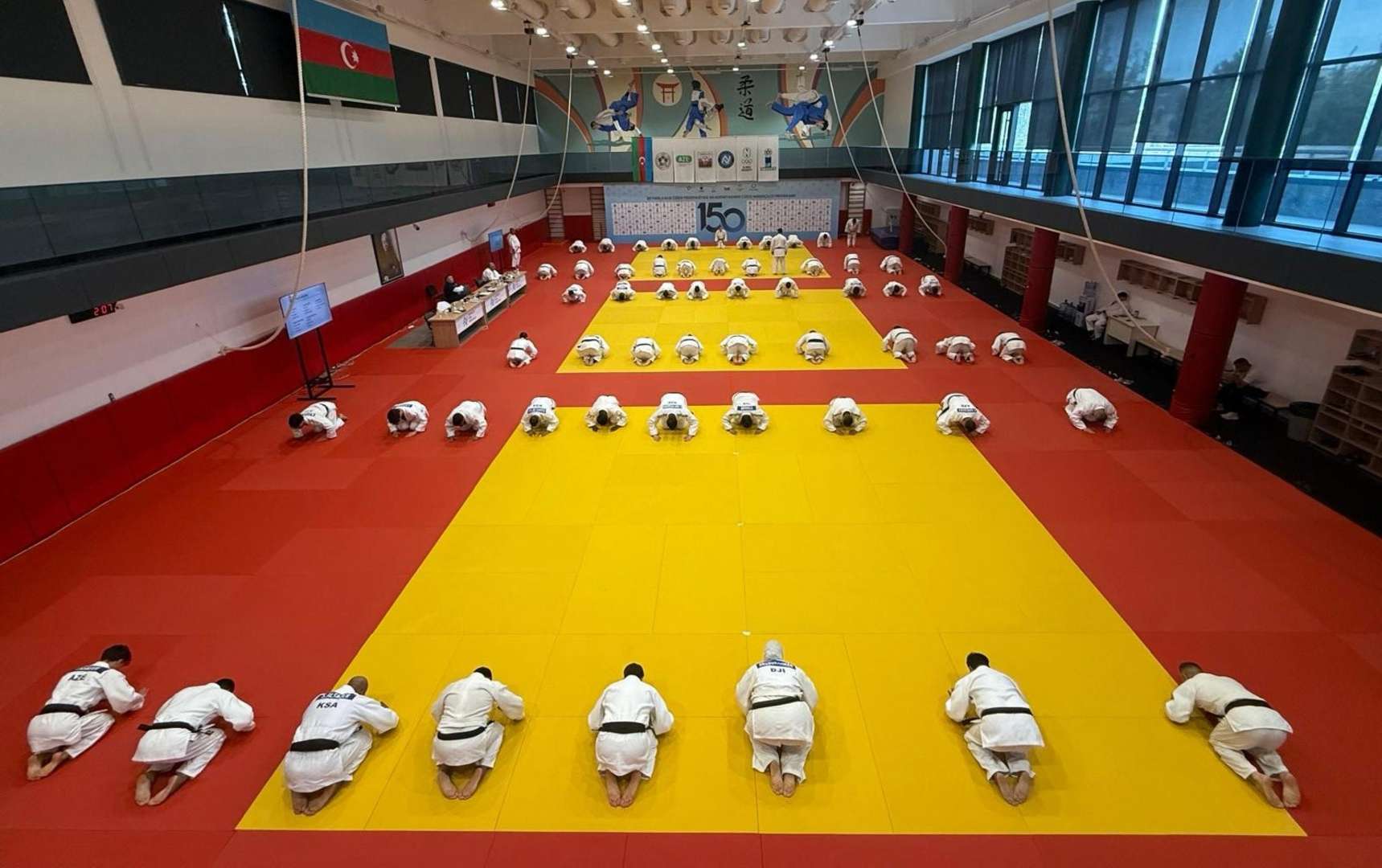
The 150th practical session was an occasion to celebrate. A tree-planting ceremony symbolised the Academy’s continuing growth, a gala dinner brought the participants together and the certificate ceremony, attended by representatives of the Ministry of Youth and Sport of Azerbaijan and the National Olympic Committee of Azerbaijan, underlined the co-operation with national sporting institutions.
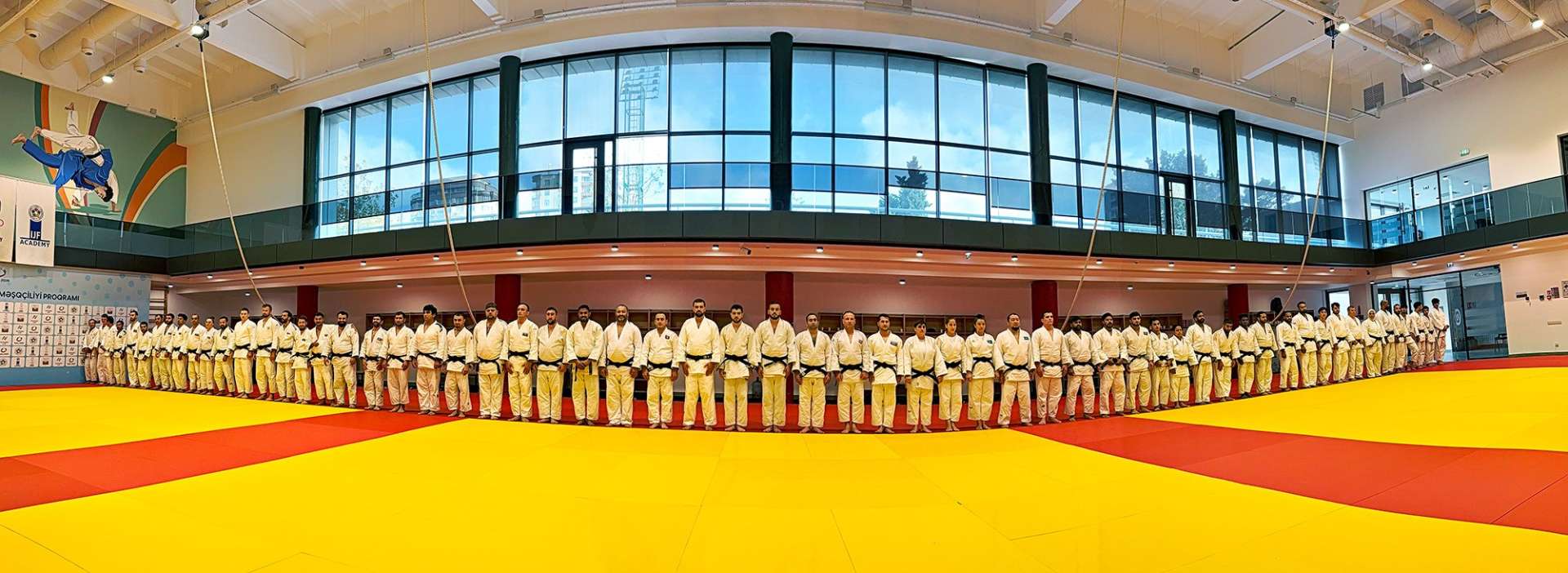
After 150 practical sessions, the principle remains simple: learn, understand, teach and pass it on. This is how knowledge grows and how judo continues to be transmitted from one generation to the next.