
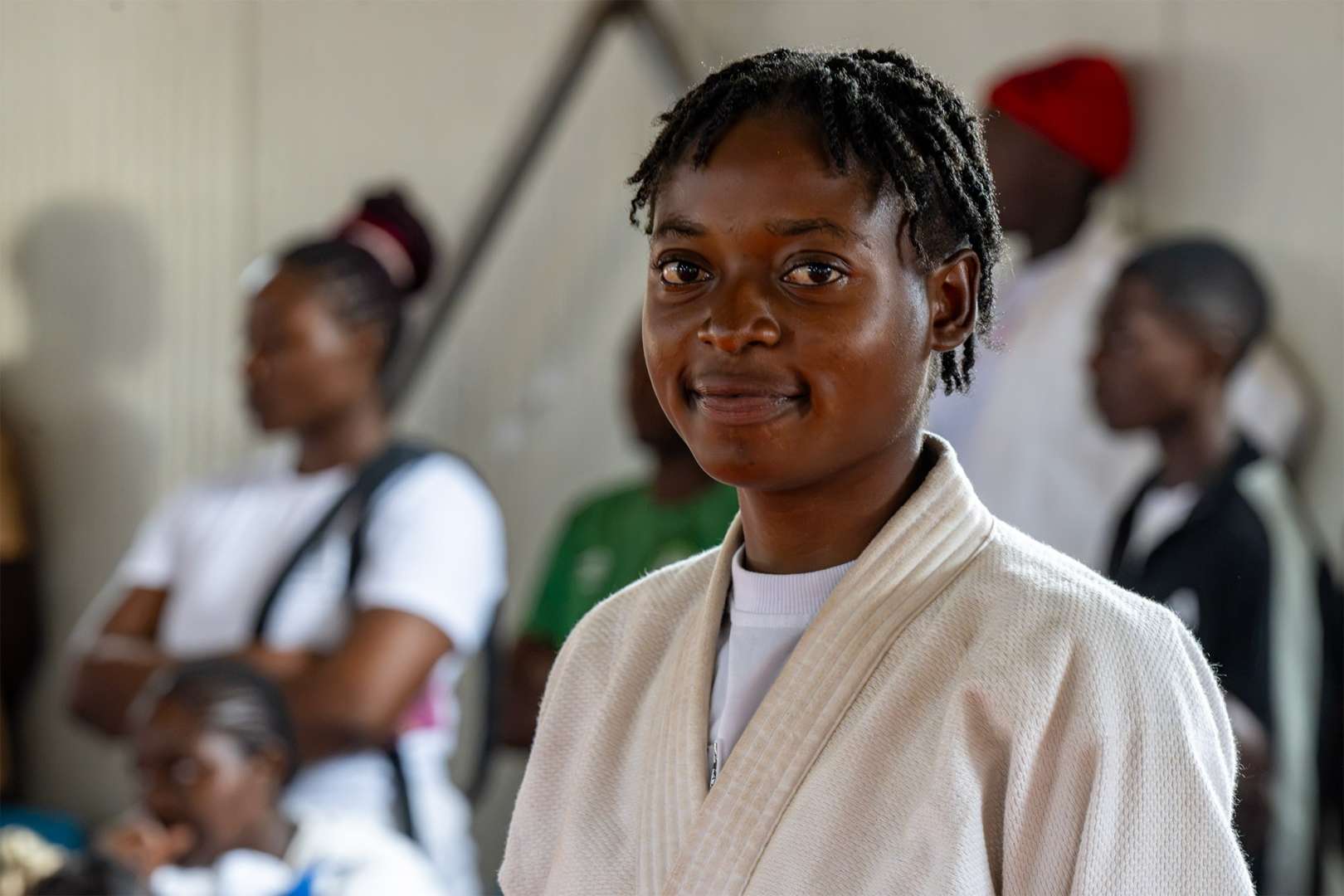
Each participant had a competition ahead of her. Together, they gave a wider meaning to the occasion. Their presence reflected years of work to make judo accessible, to encourage girls to begin and to give them reasons and opportunities to continue. Behind every contest lay the efforts of coaches, families, organisers and partners who had helped make that journey possible.
The tournament took place in the dojo built by the International Judo Federation at Lusaka’s Olympic Youth Development Centre (OYDC). The venue serves a local judo club and supports the activities of the Zambia Judo Association and the Southern African Confederation. On this occasion, it became the meeting point for girls and women from different communities, united by the right to participate and the ambition to progress.
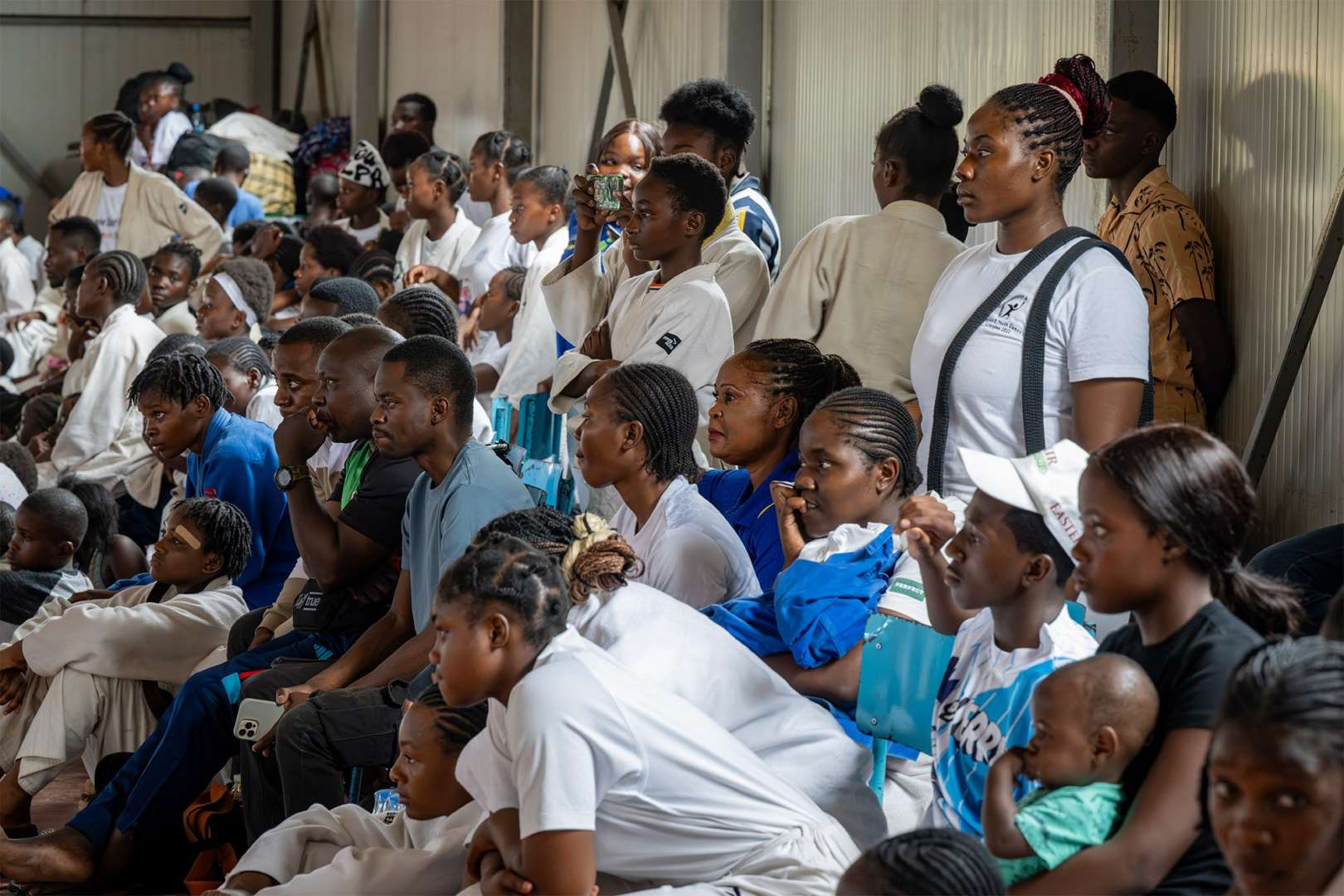
Organised by women for women, the National Women’s Judo Cup places that ambition in women’s hands. Athletes, referees and organisers all have a role in shaping the event. Alongside the competition, leadership training gives participants opportunities to develop the confidence and experience to take responsibility within their sport.
That matters because belonging grows through involvement. A girl who begins judo needs a place to train, a coach who takes her seriously and partners with whom she can learn. As she progresses, she also needs to see a future for herself within the sport. Watching women referee, organise and lead helps make that future visible. Taking on those responsibilities allows her to help build it.
Since the initiative began in 2017, the Zambia Judo Association has worked to extend these opportunities across the country’s clubs. Under the leadership of President Alfred Foloko, Secretary General Ng’uni Mabvuto and their motivated team, the development of women’s judo has remained a priority. The women’s commission provides a structure through which to advocate for female judoka, while women’s representation within the athletes’ commission, including its vice-chair position, contributes to their involvement in decisions.
The ambition is to increase participation and sustain progress. Girls already contribute strongly to Zambia’s judo results, winning many of its medals. Their achievements give younger participants something to aspire to, while the work of the association seeks to create more opportunities for girls and boys to grow within the sport.
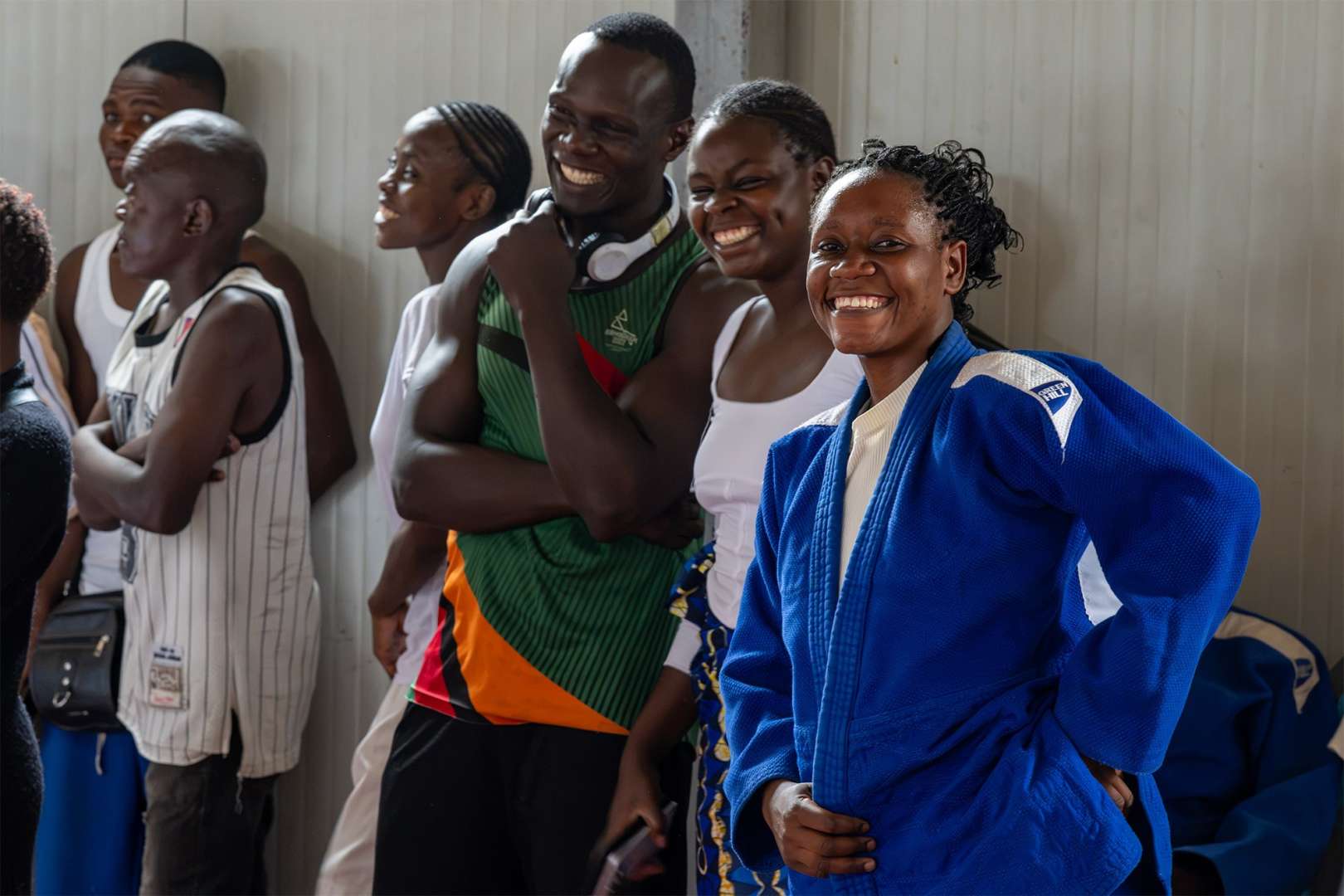
The programme also included self-defence demonstrations, reflecting concerns about gender-based violence in the communities where participants live. Addressing that reality brings a particular responsibility. Girls and women deserve safety, support and the freedom to move through their lives with dignity. Judo can contribute to confidence, awareness and a stronger sense of personal agency, within the wider work needed to protect those rights.
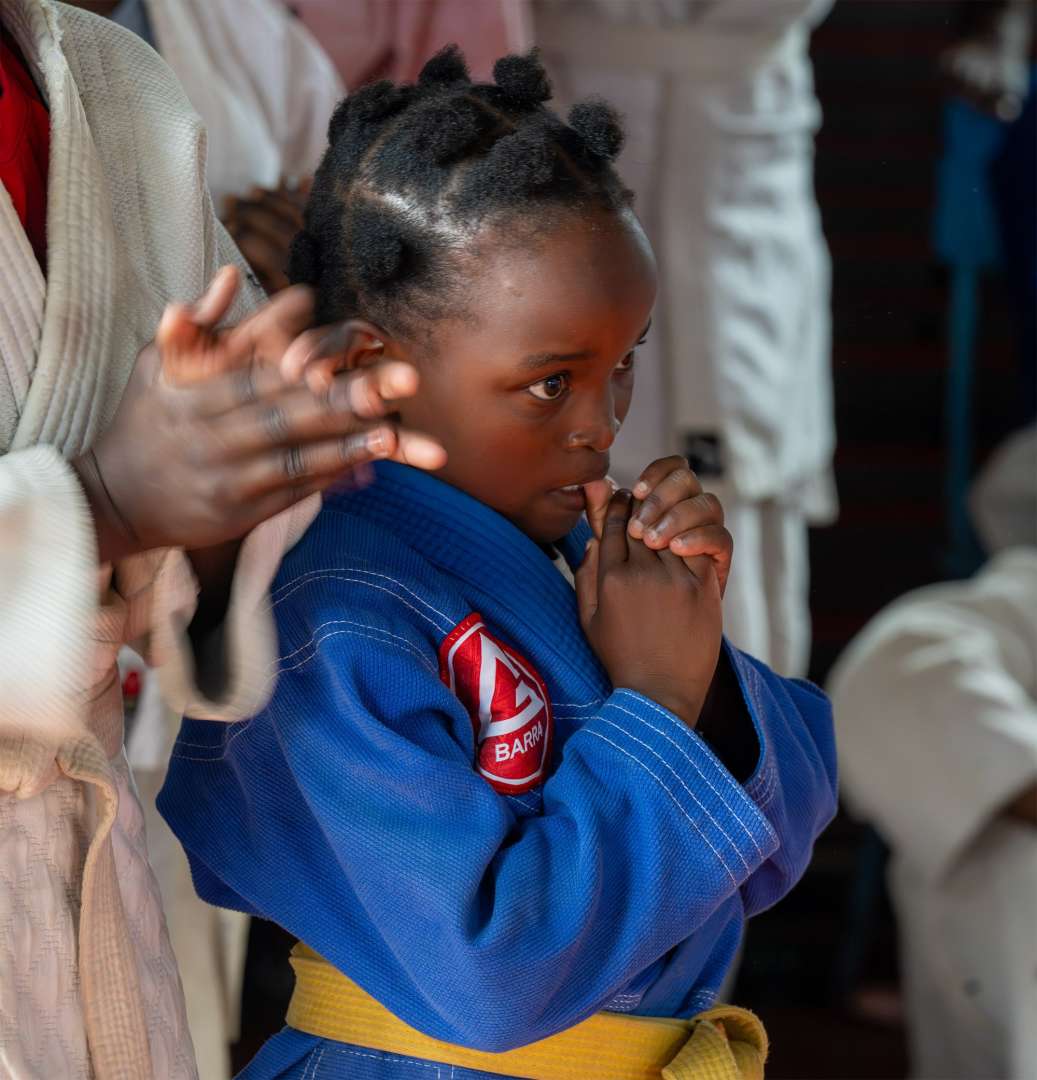
Throughout the day, the competition gave these ambitions a concrete form. Stepping forward to face an opponent requires a young judoka to act for herself. She must make decisions, manage uncertainty and commit to what she has learned. Her opponent has come to do the same. Both depend on rules, fair officiating and mutual respect to give their encounter meaning.
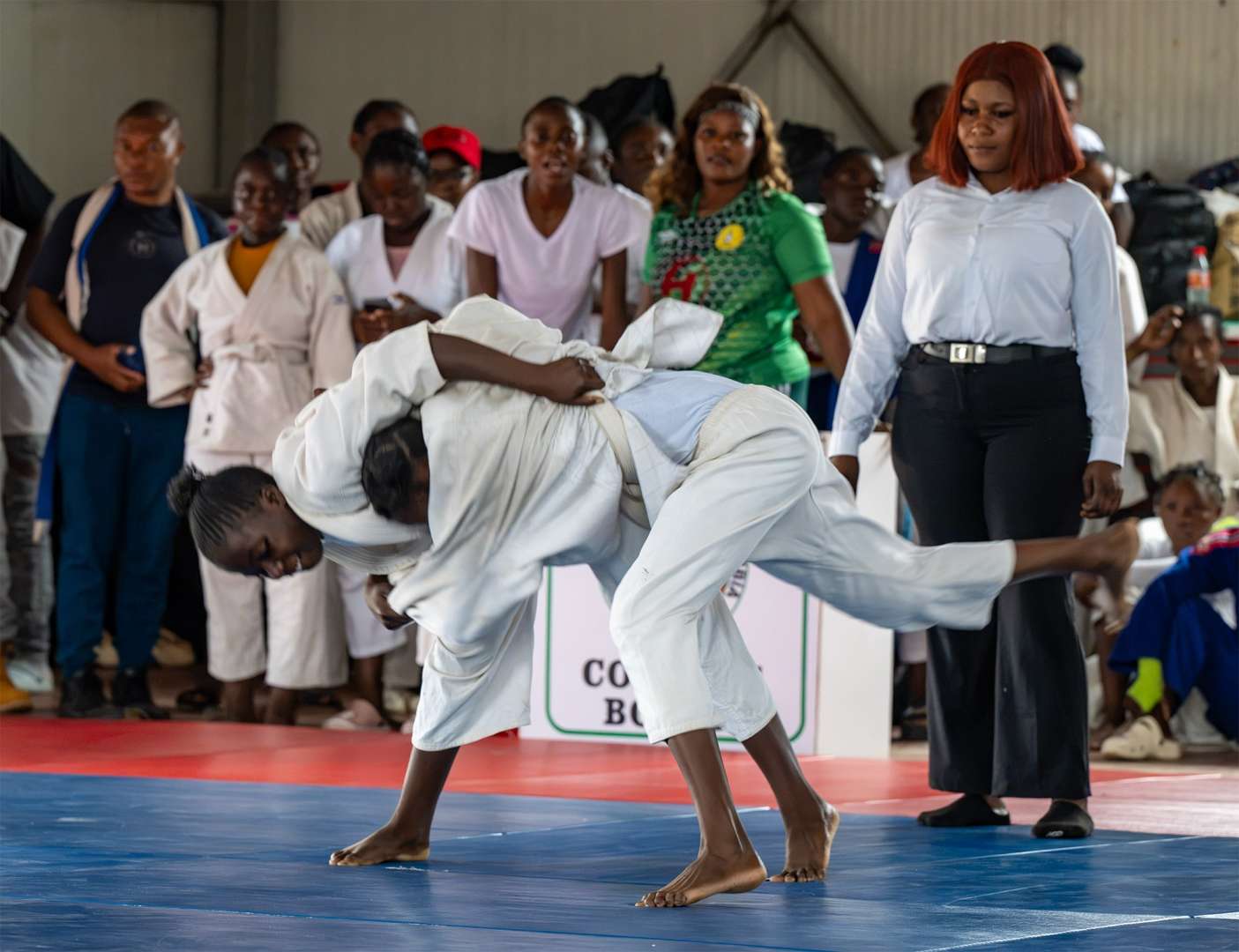
For the participants who had travelled from Meheba and Mayukwayukwa, the cup also offered an opportunity to meet judoka from elsewhere in Zambia and take their place at a national event. Their participation connected the daily work of Judo for Peace with the wider sporting life of the country. The journey from their club to this tatami opened space for new friendships, experience and ambition.
It was a fitting final chapter to an intensive visit by the IJF delegation led by Nicolas Messner, Judo for Peace Director. Over two weeks, activities in different parts of Zambia have explored how education through judo can reach people whose opportunities and circumstances vary considerably.
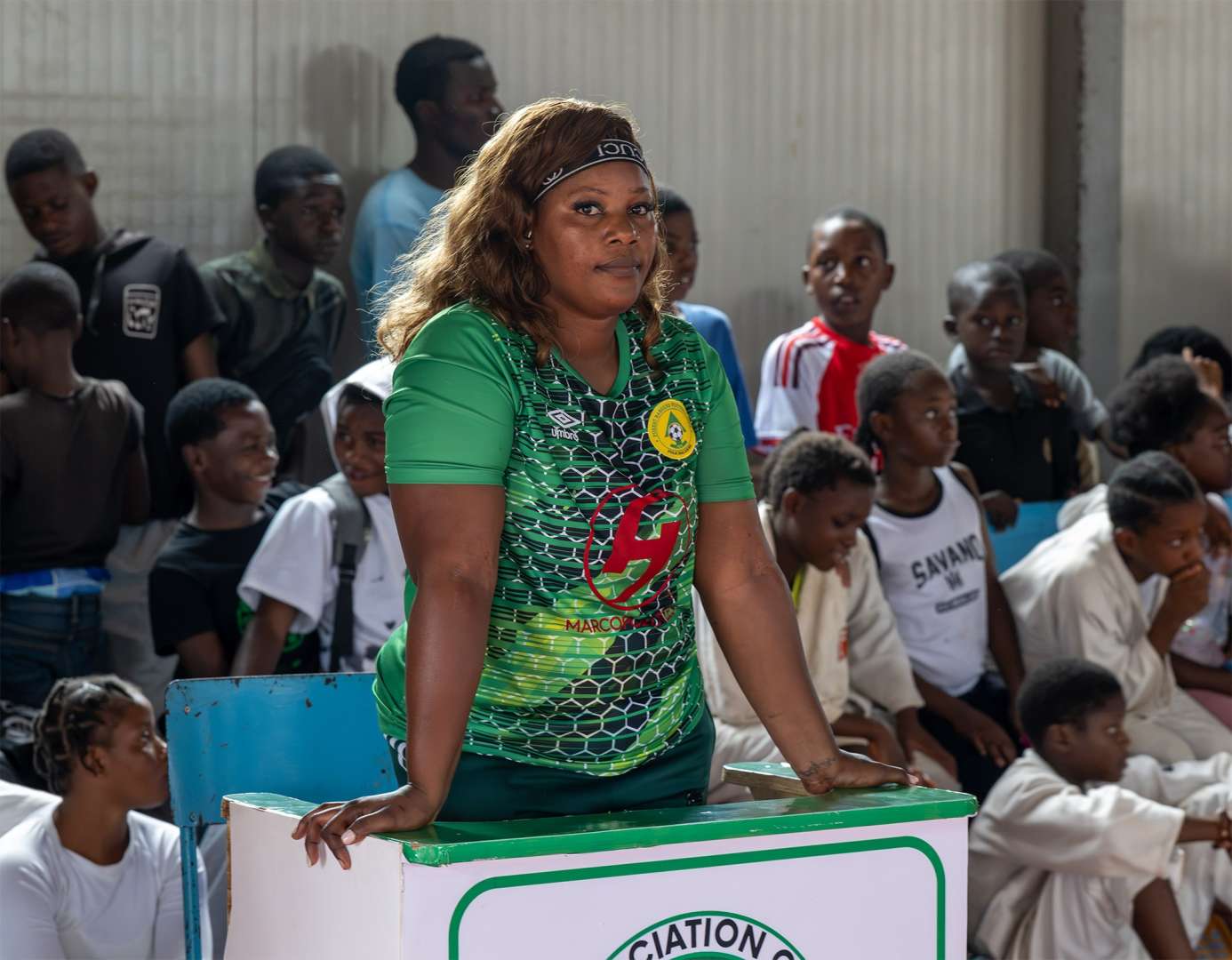
The visit to the Shalom centre in Kanyama, Lusaka, brought attention to inclusive activities within the community. There, as throughout the visit, the quality of the welcome and the care given to each participant were central to the purpose of the work. Access begins with people willing to listen, understand and organise an activity in which others can take part.
In Meheba, the tenth anniversary of Judo for Peace celebrated the persistence that had turned an idea into a programme with lasting roots. From its beginnings in that refugee settlement, the work has extended to two further settlements in Zambia, with related development in Zimbabwe and Malawi. The anniversary recognised a decade of commitment by the people who have kept training sessions running, supported young judoka and maintained faith in what they could achieve together.
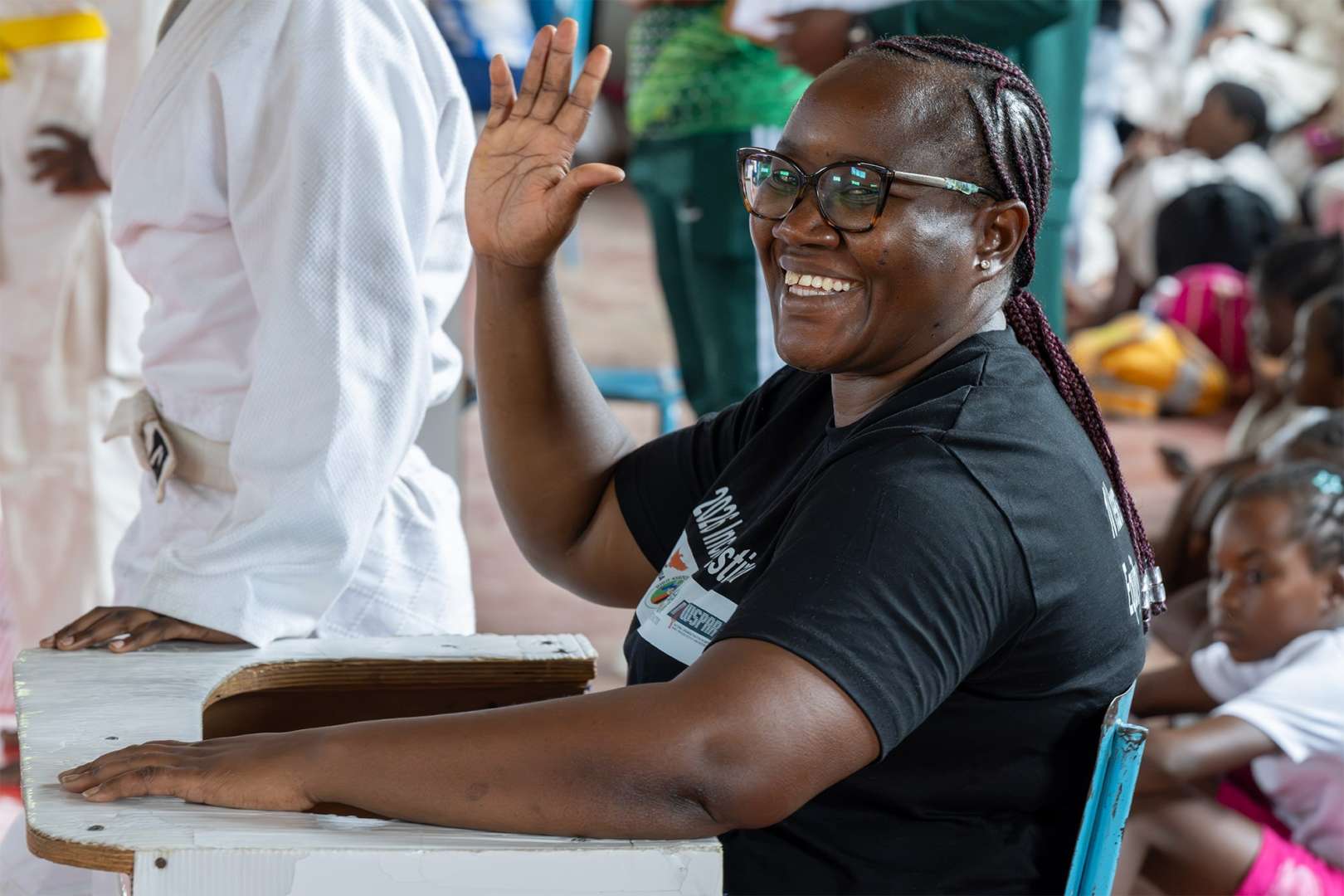
The journey continued to Livingstone, where the delegation met judoka in the south of the country. Subsequently, some of those young athletes travelled to Lusaka for the women’s cup. Their presence made the connection between a visit, an encounter and an opportunity tangible. The relationships developed along the way came together again through participation.
On Friday 20th November, the Inclusive Sports Festival in Lusaka widened that shared experience. Sporting organisations and partners brought people together across differences of background, social circumstances and disability. A young deaf athlete expressed its significance with remarkable simplicity, “I feel accepted. It’s important to mix with other people.”
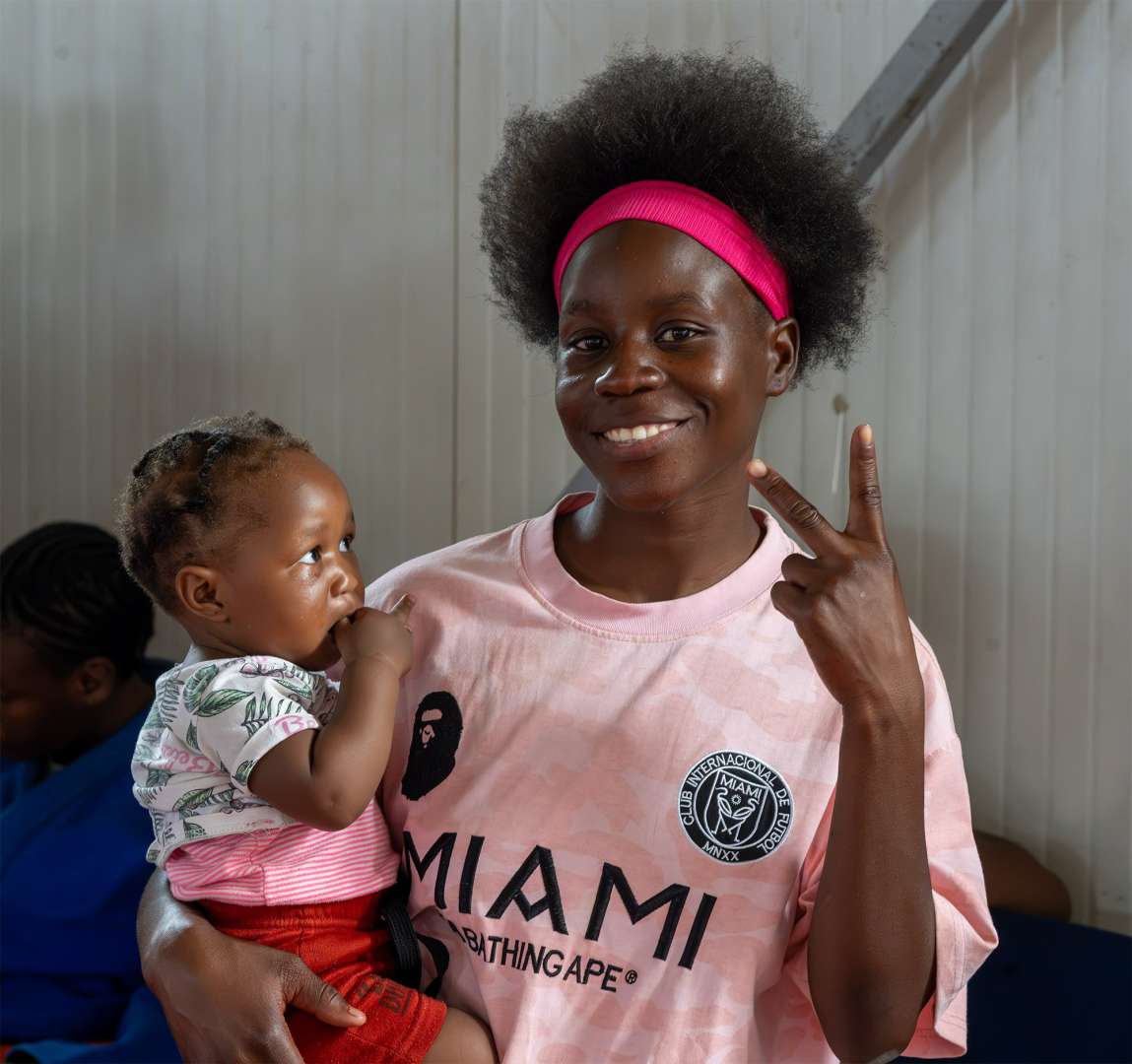
Those words carried into the following day’s tournament. Acceptance creates the conditions in which someone can begin to discover what they are capable of. With encouragement and opportunity, that discovery can lead towards competition, responsibility and leadership. It can also lead towards the pleasure of having friends waiting at the dojo and knowing that one’s presence matters.
Across these two weeks, the moral code of judo and the principle of mutual aid and prosperity found expression in the work of many people. International support helped provide structures and opportunities. National and regional organisations connected programmes and communities. Local coaches, volunteers and families gave the work its continuity. Young judoka brought the energy, trust and determination through which it could grow.
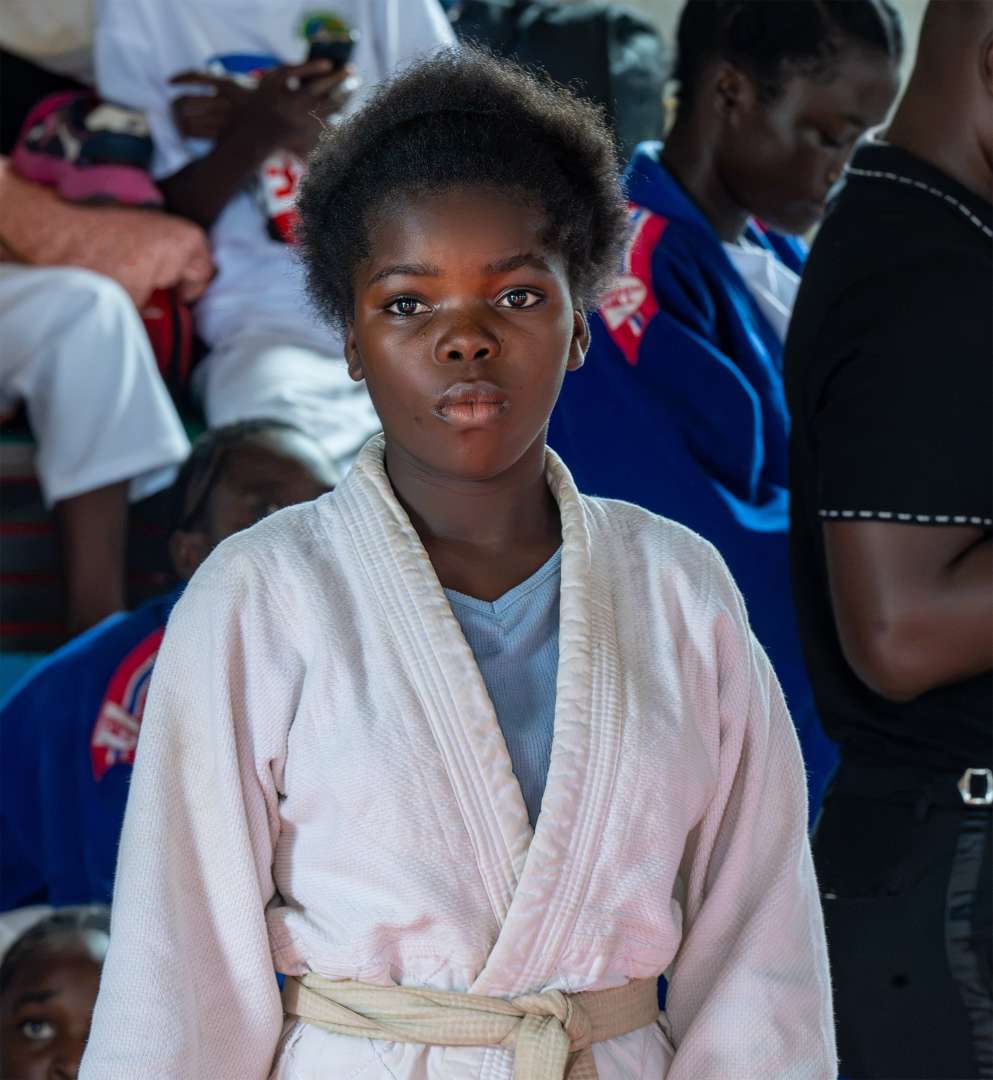
The National Women’s Judo Cup brought those contributions into view. Nine clubs and 137 participants represented a substantial gathering. Within those numbers were individual journeys, each deserving attention and each carrying possibilities that have yet to unfold.
Further events and developments will follow. Their value will depend on the same patient commitment that made these two weeks possible, from the international level to the people opening the dojo and welcoming a child to her first session.
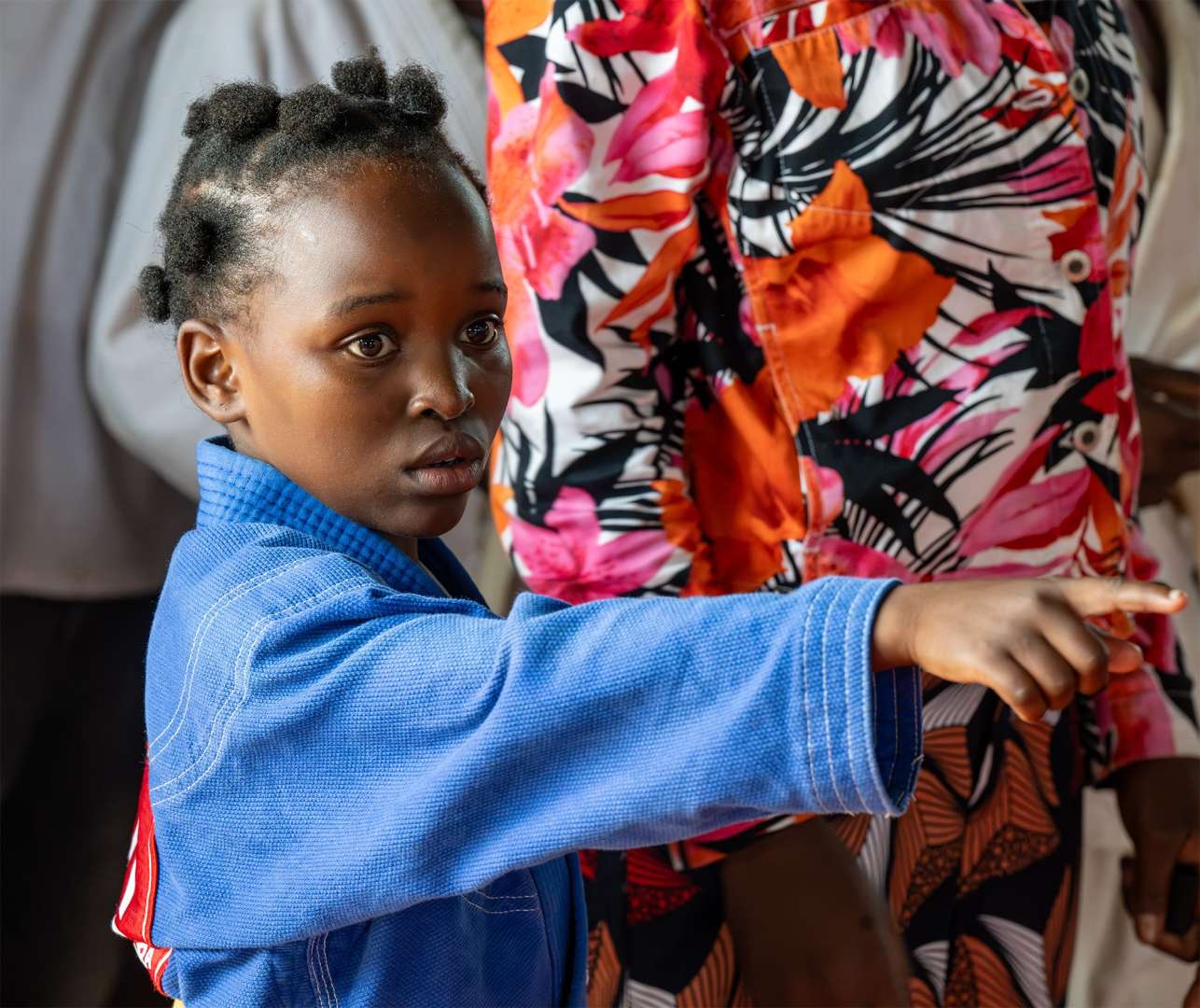
On Saturday in Lusaka, girls and women competed, officiated, organised and learned. They helped determine how their sport was practised and experienced. Around them stood a community whose work had made room for them to do so.
The next stage of Zambia’s judo story will be shaped by what they choose to do with that place.