
Hosted by journalist Christin Brauer, the programme offered Daxbacher an opportunity to draw connections between different areas that have shaped his life: judo, policing, voluntary service and international co-operation. The invitation followed an exchange with t-online editor-in-chief Florian Harms, to whom Daxbacher had shared his reflections on developments within German society and the lessons that could be taken from the international judo community.
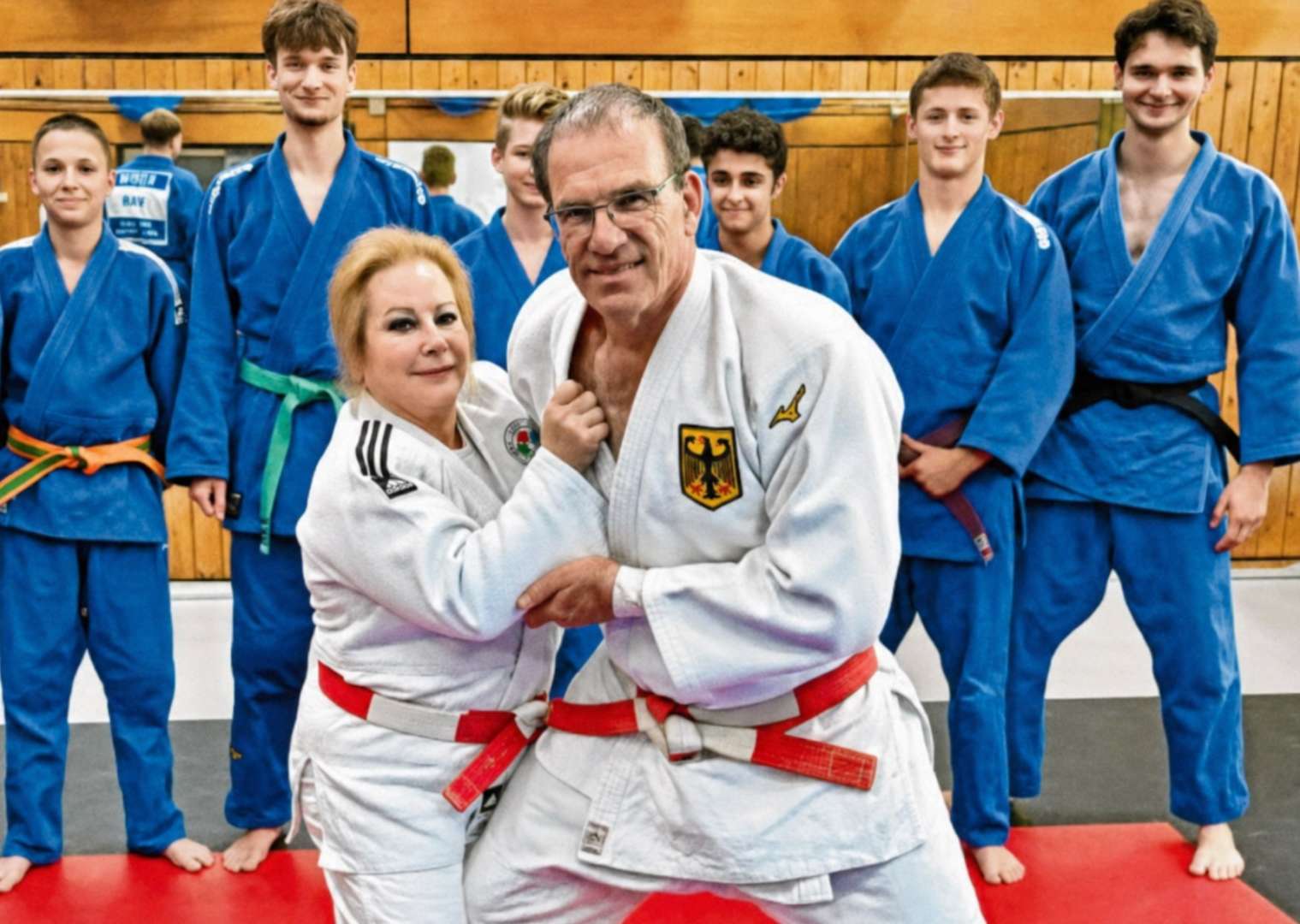
The conversation began with his own journey. Daxbacher first stepped onto the tatami at the age of 12. Through judo, he later met his wife, Regina, with whom he has shared more than 35 years of practice and voluntary commitment, initially at Polizeisportverein Königsbrunn and subsequently through projects around the world. Asked about holding the rank of 7th dan, he offered a characteristically modest response, “I’m just a white belt who never stopped.”
That perseverance has carried him far beyond the dojo. Daxbacher recalled a decisive encounter during an expedition to Kampala, Uganda, in 1983. A young Ugandan told him that he dreamed of being white in another life. The words remained with him and reinforced his awareness that the circumstances into which people are born are not of their own choosing. He also grew up with a strong example of civic engagement. His father volunteered as a fire brigade commander and within a local shooting club.
Years later, his meeting with Dr Tsegaye Degineh led to the creation of Judo for Ethiopians. The initiative subsequently brought Daxbacher into contact with IJF President Marius Vizer and opened the door to further co-operation with the United Nations, political institutions and numerous national and international partners. His engagement has since extended to countries including Ethiopia, South Africa and Bhutan.
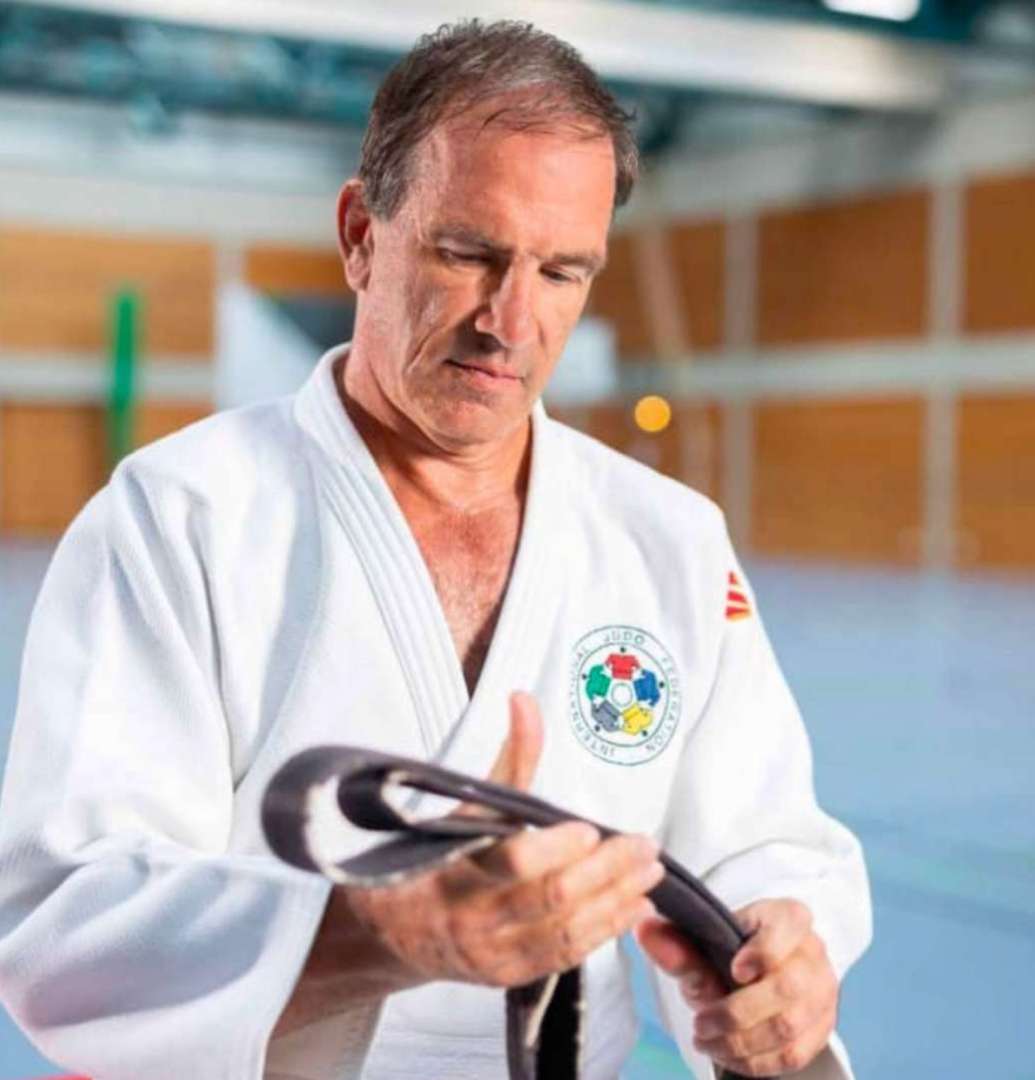
Throughout the podcast, Daxbacher underlined the influence of judo values on both his police career and private life. Perseverance, concentration, seriousness and the determination to never give up have remained constant reference points. He is currently contributing to a European Police Sports Union working group that is developing a values compass for its 39 member countries, inspired by the moral principles of judo.
For Daxbacher, sport contributes to social cohesion because it provides clear rules and a shared framework. Judo goes a step further through values that are understood across cultures and borders. He referred to Nelson Mandela’s belief that sport has the power to change the world, sometimes more effectively than governments can.
The discussion also addressed the rise in violence against police officers and among young people. Daxbacher linked these developments to a declining sense of respect, weak boundaries, low tolerance of frustration and insufficient self-discipline. The family, he argued, remains the nucleus of society. When that foundation fails, schools, associations and other institutions face an enormous challenge in trying to compensate.
This makes investment in children essential. Sports clubs can provide young people with structure, belonging and opportunities to learn respectful interaction. Police sports clubs have an additional role to play by building bridges between the police and the communities they serve.
The greatest obstacle remains financial. Yet, Daxbacher stressed, even modest resources can produce considerable results when invested directly in people through judo sessions, coach education and sustainable local projects. His message throughout the podcast was clear: judo cannot solve every problem in society but its values can help people learn to respect one another, grow together and rise again after falling.
The podcast is available through t-online’s Tagesanbruch. The German Judo Federation has also featured the interview.