


Open to athletes, coaches, referees, officials and all other event personnel, the Mind Dojo offers the opportunity to spend 20 or 30 minutes, or longer if needed, slowing the rhythm of the heart and easing the tension that comes naturally with an event of this magnitude. It is also intended to be a starting point for a broader educational approach, helping the judo community to understand mental health better and to develop practical tools for improving everyday wellbeing.
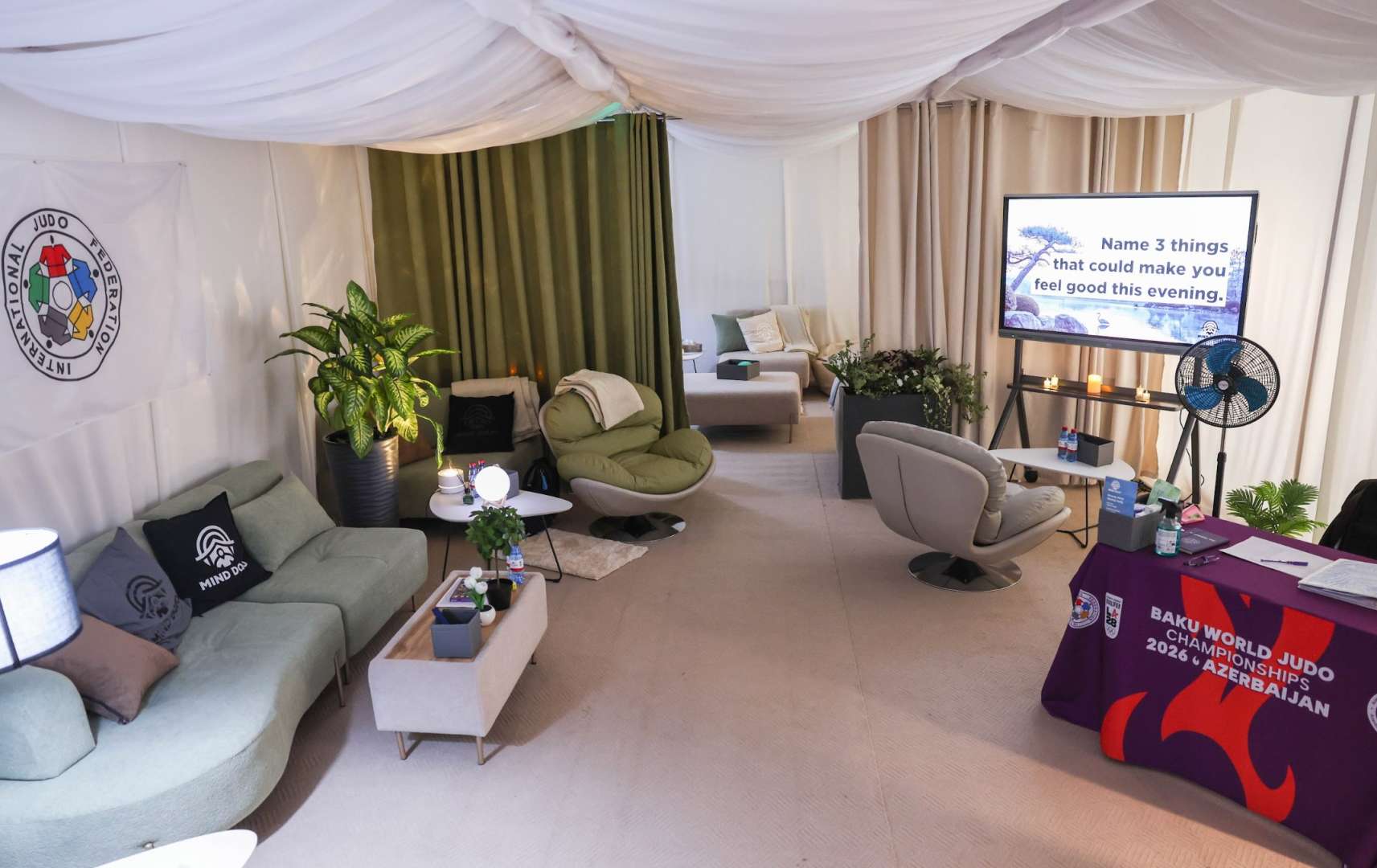
Established by the IJF Medical Commission and Mental Health Officer Veronika Jakl, the Mind Dojo makes its world championship debut in Baku. Located next to the warm-up area, it is a relaxation room dedicated to supporting mental wellbeing within the competition environment. Visitors can make use of self-guided activities and equipment based on a range of relaxation methods, all with trained professionals available to provide support.
Veronika Jakl explains, “We launched a pilot project at the Upper Austria Grand Prix in Linz earlier this year and so this is the first time we have introduced it at a world championships. The aim is to develop the concept and offer it at every event on the World Judo Tour. We saw this kind of approach emerge at the Paris 2024 Olympic Games. We have developed the concept and adapted it to judo.
The Mind Dojo is a safe space, somewhere to step away from the surrounding intensity and from the attention of others. Some athletes come here to focus before an important contest. Others come to recover physically, but above all mentally, after a contest.”
The feedback has been overwhelmingly positive. It is something that sport, and judo in particular, needed. Athletes are often, and rightly so, seen as mentally strong. Yet the reality is more complex. Mental strength does not mean that someone will never face difficulties with concentration, recovery or accepting defeat. The idea that judoka do not need psychological support because they are strong is a serious misunderstanding. The Mind Dojo is one way of correcting that. Facing difficult moments is not a sign of weakness.
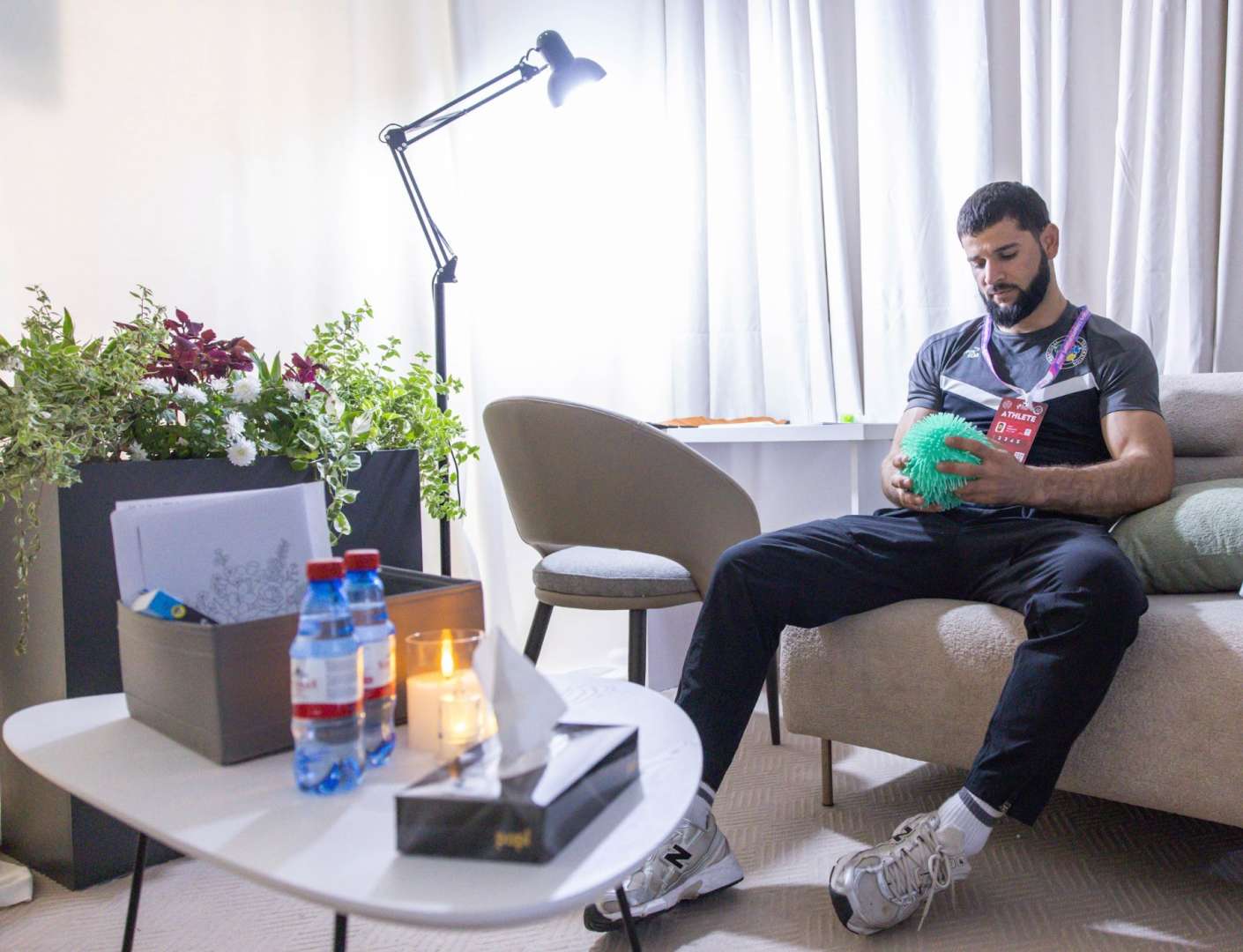
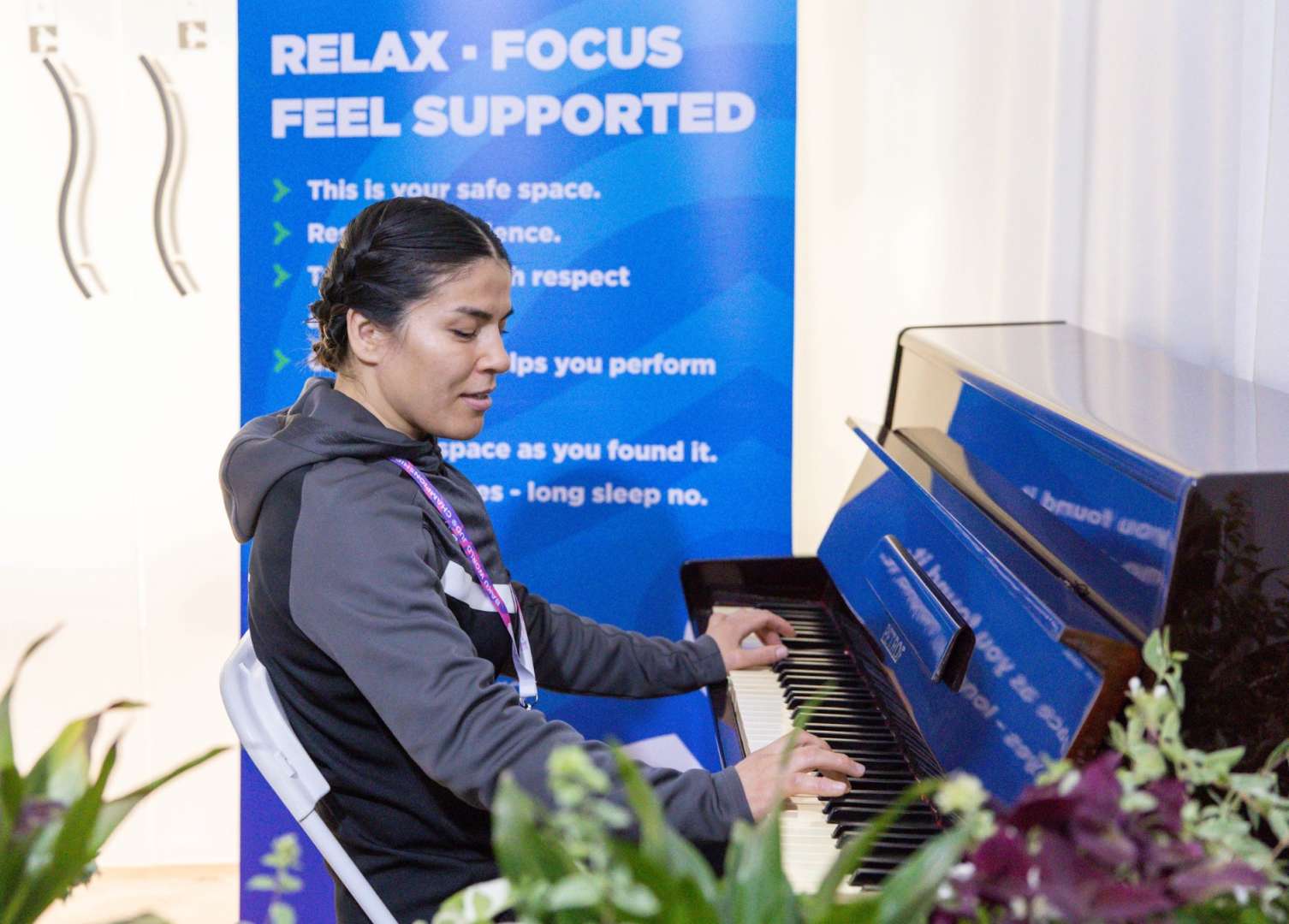
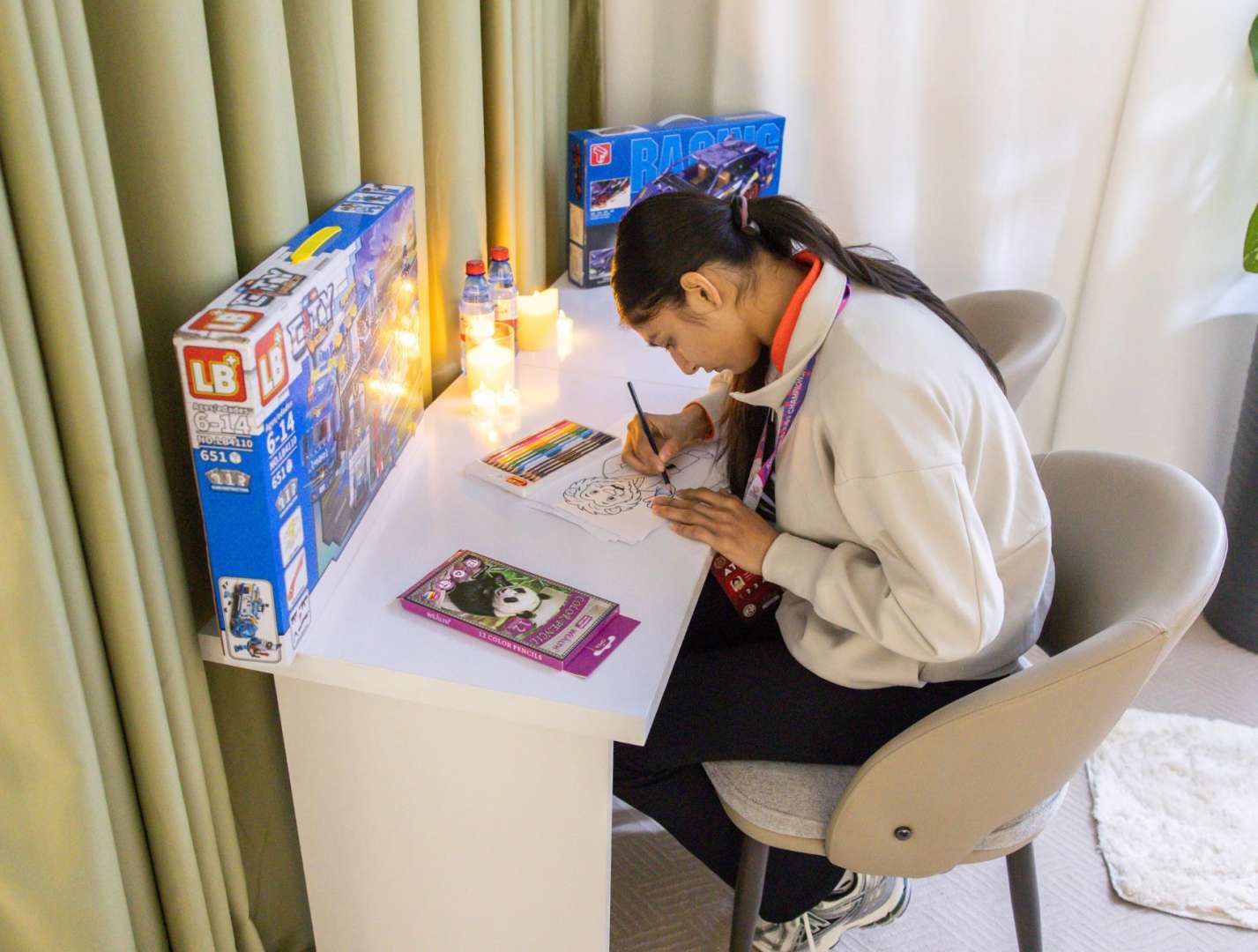
Naturally, the initiative is not aimed solely at athletes. The Mind Dojo opens a door into a different world for all. Indirect lighting replaces the glare of competition. The atmosphere is soft and quiet. Relaxing fragrances replace the smell of stress. Visitors can play the piano, draw, use relaxation equipment or simply do nothing at all and rest. Should it be necessary, they can also speak with a specialist. This is not therapy. It is an initial point of contact with trained professionals, a way of easing what may feel overwhelming, helping visitors find the right support.
“All of this is part of the IJF Mental Health Framework,” Veronika continues. “The Mind Dojo, which welcomed around 60 people on the first day of competition alone, is only one element of the process. We are working increasingly on the educational dimension of mental health. In Linz, we welcomed more than 300 people at an event of a much smaller scale. Combined with significant awareness work, we will be able to offer useful tools to everyone.”
Mental health has too often been overlooked in the sporting world. That is changing and rightly so. In society as a whole, a significant proportion of people will face mental health difficulties at some point in their lives. For elite athletes, regardless of the sport, the pressures can be even greater.
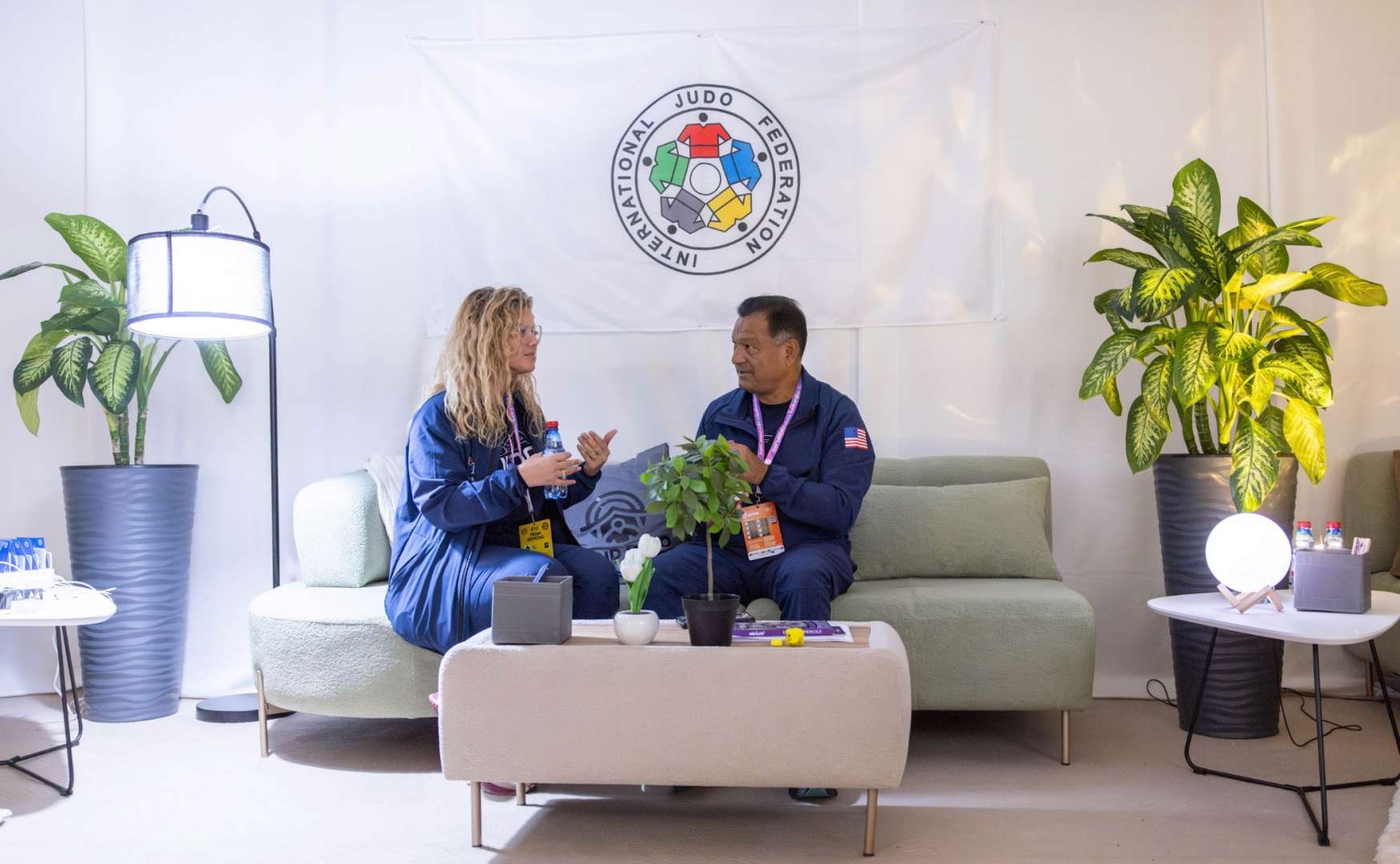
Being a top-level athlete is not simple. Defeat can create imbalance but victory can do so too. Anxiety, fear, depressive states and depression are realities which can affect anyone. The constant demand to perform, expectations from others, injury, recovery and the uncertainty of selection all place a considerable burden on those at the centre of elite sport.
“Covid changed the situation positively when it comes to mental health,” said Veronika. “During that period of isolation, more and more people began to reflect on psychological and mental questions. We are now less afraid to talk about a defeat or about the challenges associated with returning after an injury, for example.”
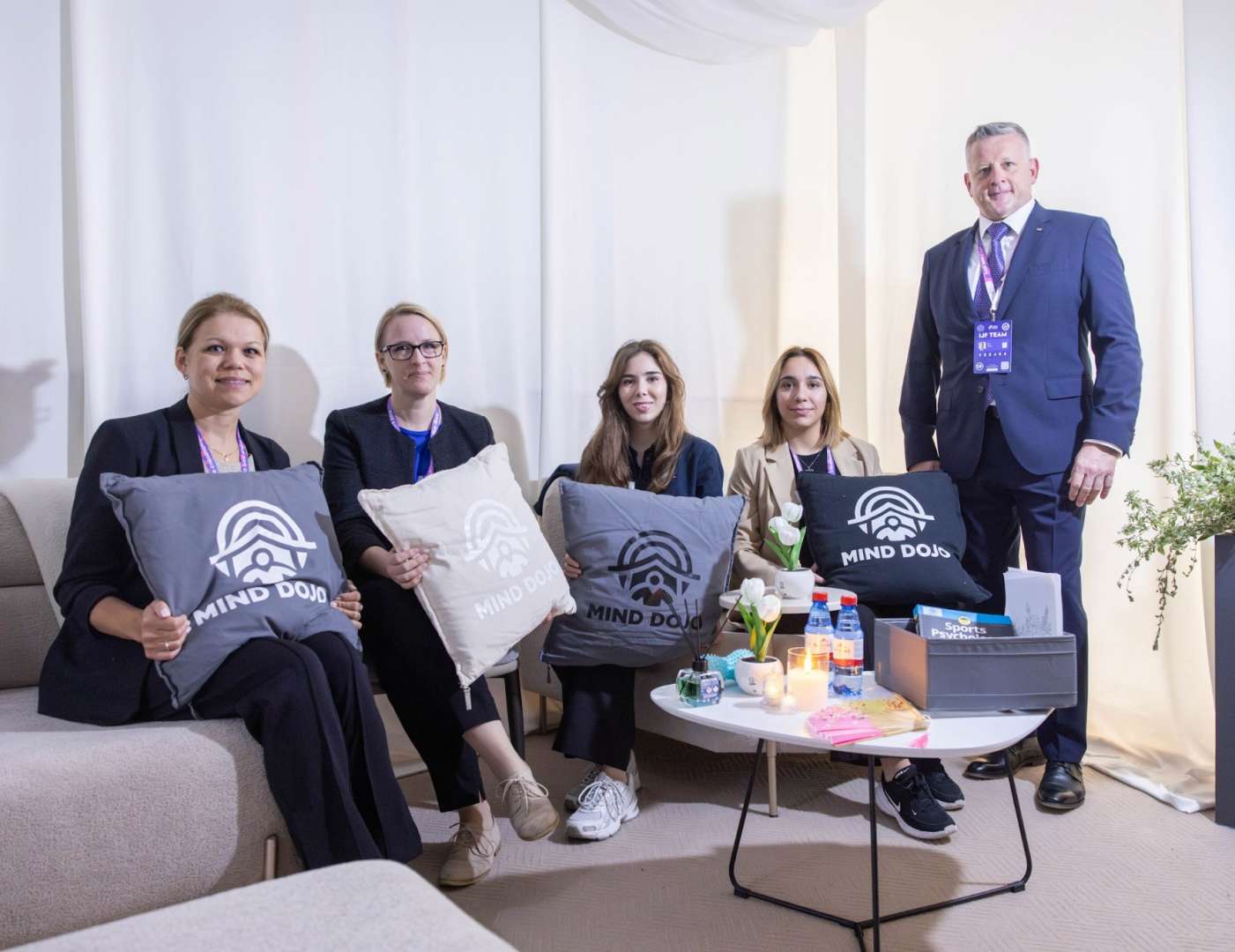
Veronika knows the subject from both professional and personal perspectives. A trained psychologist and judoka, she is now able to bring the two together for the wellbeing of the judo community.
“I have always been involved in judo in one way or another, even though I was not a professional athlete. I approach this role with humility and I am happy that we can help make the judo world more attuned to the challenges society faces in a world where stress is ever-present.”
In Baku, Veronika is joined by Anastasia, Teodor, Orkhan and Ayan. Together, they are there to ease tension and provide a space that is far more than a simple temporary remedy. The Mind Dojo is a quiet but meaningful sign that, at the heart of the highest level of competition, wellbeing matters too.