
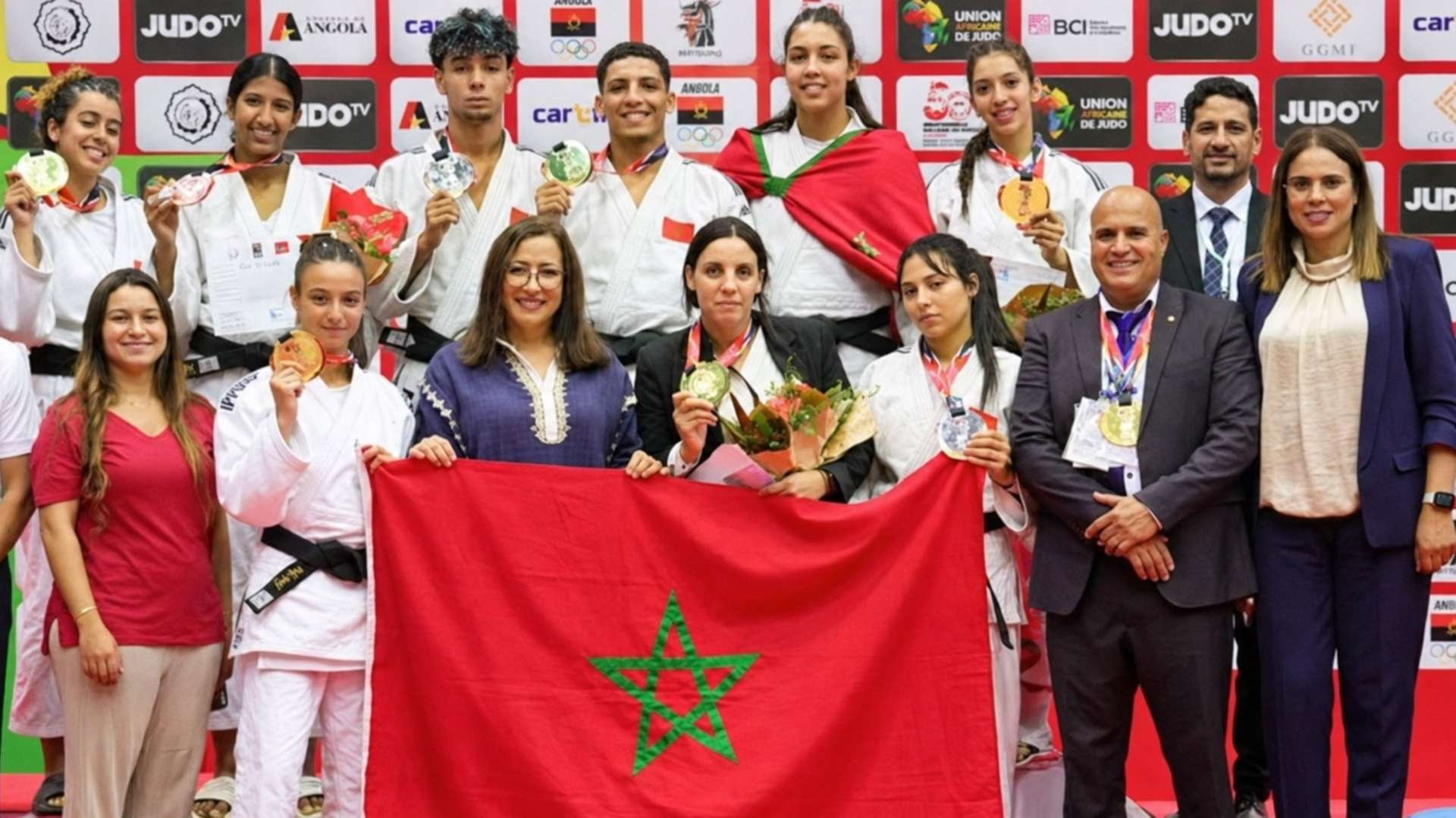
Following the editions in Peru and Kosovo, the International Judo Federation’s programme heads to Morocco, where it meets a national ambition to reach 100,000 registered judoka by 2030. For the host federation, that goal raises two practical questions. How can more girls find a place to practise near their homes? How can the women already doing much of the work in clubs gain access to training and take on greater responsibilities?
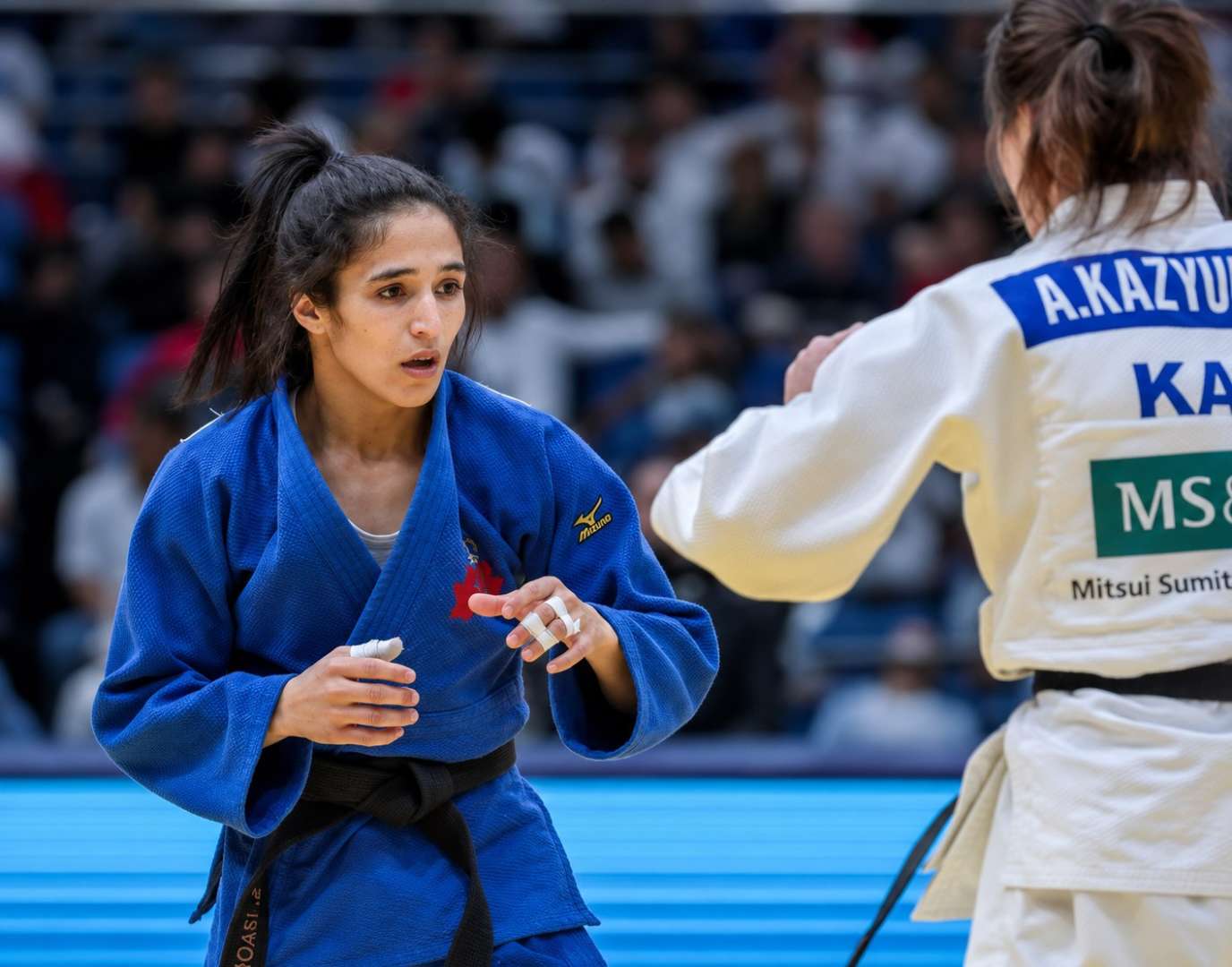
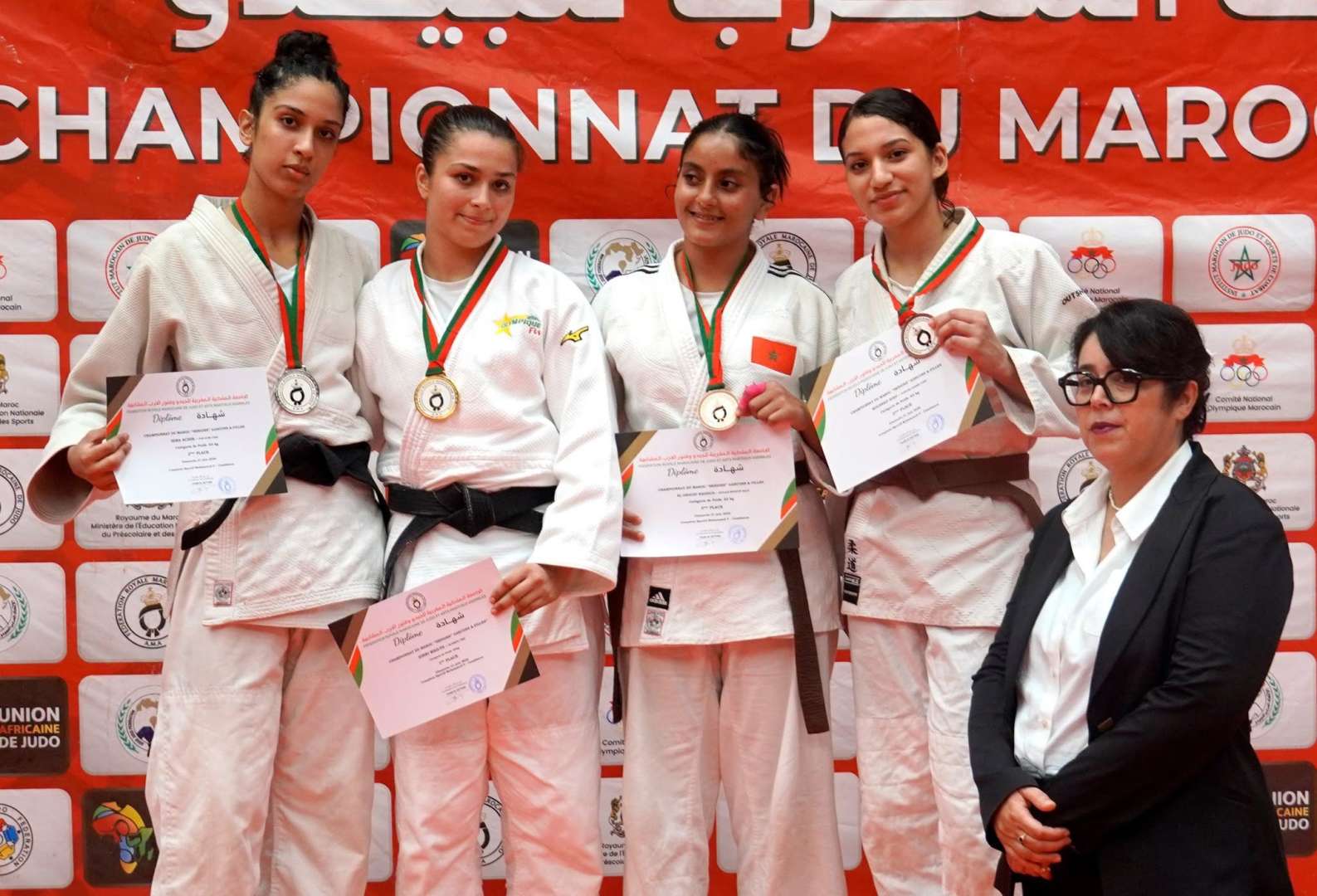
Moroccan women who have represented their country in competition have helped make women’s judo more visible. The results of younger athletes continue to give girls reasons to step onto the tatami. That influence is also felt at club level, where women coach, referee and organise activities. The federation sees room for more women to lead in three areas in particular: coaching young judoka, progressing through the refereeing ranks and taking part in the decisions made by club committees, regional leagues and federal commissions.
In Casablanca, the programme is expected to bring 37 women from different regions of Morocco together, including judoka, coaches, referees and leaders of local associations. Some are beginning to take on responsibilities. Others have years of experience in a club or regional league. A participant looking to launch an activity for girls may meet someone who has already worked with a local school. A referee considering the next qualification may hear how another woman took that step. The range of experience in the room will give participants a chance to discuss what has worked and what they could adapt to their own clubs.
The federation hopes each woman will leave with an idea she can put into practice within weeks. That could mean organising an introductory session for girls, mentoring a young referee or finding a better way to involve volunteers in the life of a club. The seminar will also explore communication and teamwork, skills the participants can use in their associations and professional lives. Staying in touch afterwards would give them people to turn to when questions arise as they put their plans into practice.
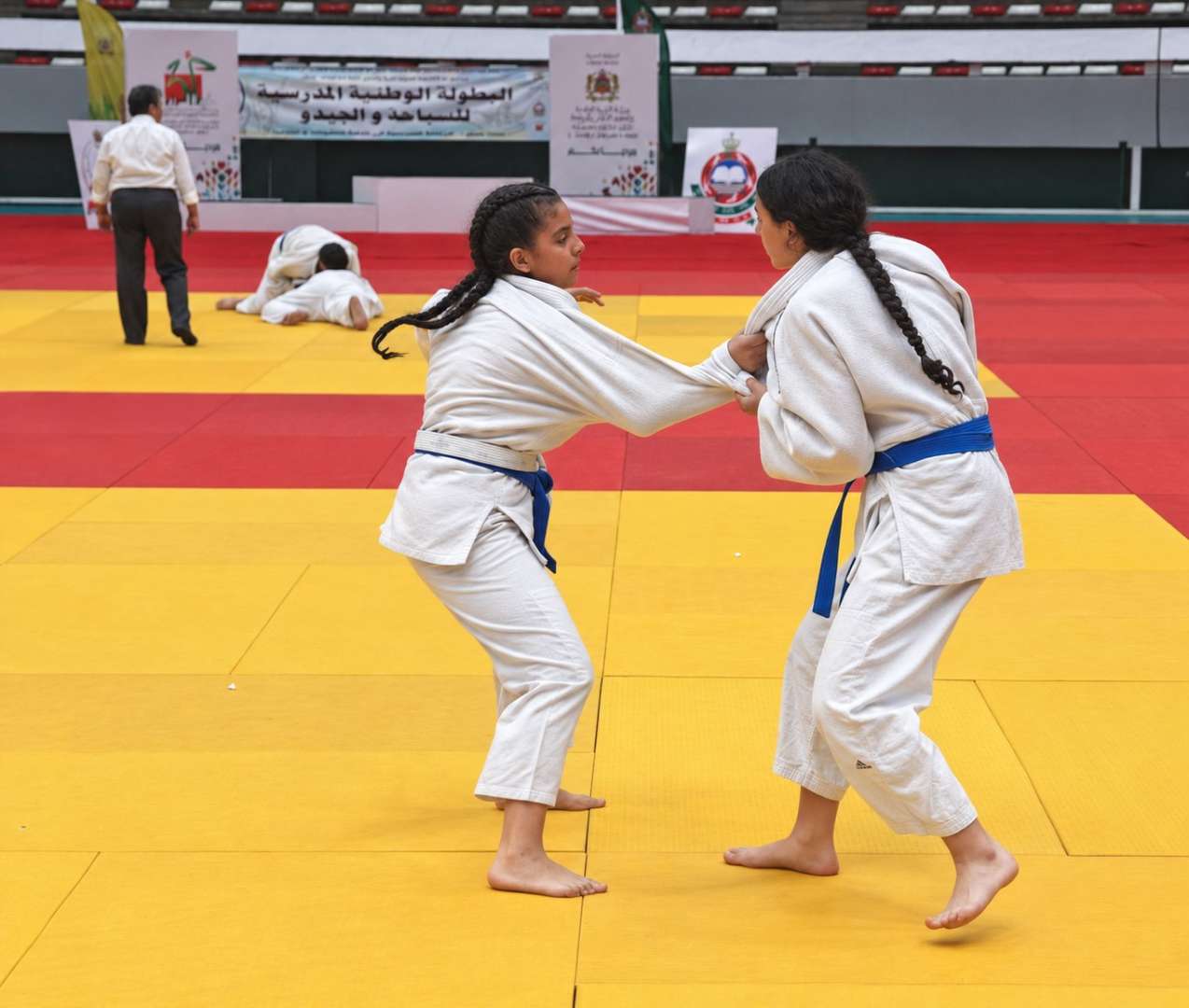
Regional leagues have a role in taking that work beyond Casablanca. The federation wants to work with them to identify clubs and communities where girls have few opportunities to try judo. Clubs, schools and local authorities could then help organise introductory sessions. Experienced coaches, referees and officials could also support women who want to pursue further training or take on a new role. Participants who wish to contribute would have a way to do so in their own regions.
The Casablanca edition could also open a conversation across Africa. Federations face some of the same practical challenges, from widening access outside major cities to helping women move from competition into coaching or club leadership. With the support of the African Judo Union, the Moroccan federation sees scope for sharing what has worked locally, bringing coaches, referees and officials together and putting women with similar projects in contact across borders.
A year from now, the federation hopes to be able to name women who have initiated an activity in their region or taken on a responsibility they were working towards. There is another sign it will be looking for in local dojos: a girl who first tried judo because of one of those activities is still coming back, week after week.